
Filters
Level
Grade
Subject
Subject Area
Subject Topic
Standard(s)
Audience
Keyword
DurationMinutes
2nd Grade Lesson Plans

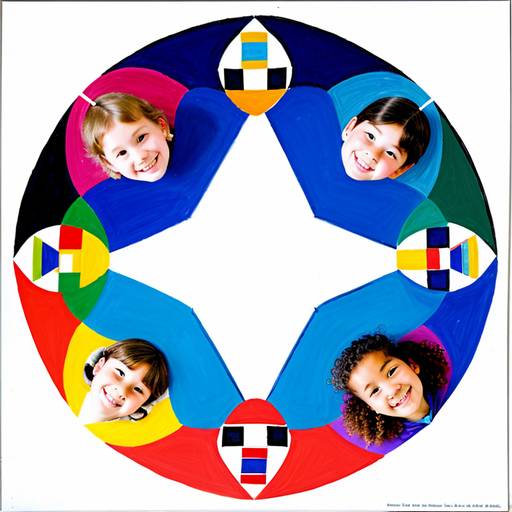
In this 60-minute lesson plan designed for 2nd-grade students, the focus is on introducing and exploring the concepts of symmetry and geometric shapes. The lesson begins with an engaging discussion to assess prior knowledge, followed by a clear explanation of symmetry and its applications in various shapes. Students will participate in guided activities, where they will identify and draw lines of symmetry on provided cut-outs, encouraging teamwork and collaboration.
As part of the independent practice, each student will create their own symmetrical design on paper, showcasing their creativity while applying their understanding of symmetry. The lesson concludes with a review of key concepts and an exit ticket activity that assesses individual comprehension through a drawing exercise.
Throughout the lesson, opportunities for differentiation and extensions are included to cater to varying student needs and abilities. The integration of art with math makes the learning experience engaging and interactive, helping students grasp the concept of symmetry in a meaningful way.

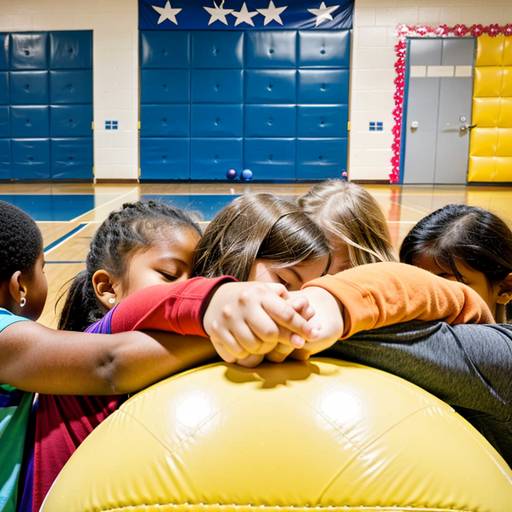
In this 2nd-grade Physical Education lesson, students will focus on enhancing their coordination skills and developing teamwork abilities through a series of engaging activities. The lesson begins with a warm-up activity where students follow a leader in various movements to promote physical engagement. After a brief introduction to coordination, students will participate in a team-building challenge where they must pass a hula hoop around a circle without breaking the chain of connected hands, fostering collaboration and communication.
Next, students will compete in a relay race involving bean bag tossing to a hoop, emphasizing coordination and teamwork as they relay their turns. The lesson wraps up with a cool down that includes gentle stretches and a reflective discussion on the day's activities, allowing students to share their experiences and insights on coordination and teamwork. The instructor will assess participation and understanding through observation and group discussion. Adaptations will be made as necessary to support all learners, ensuring an inclusive and positive environment for skill development and collaboration.
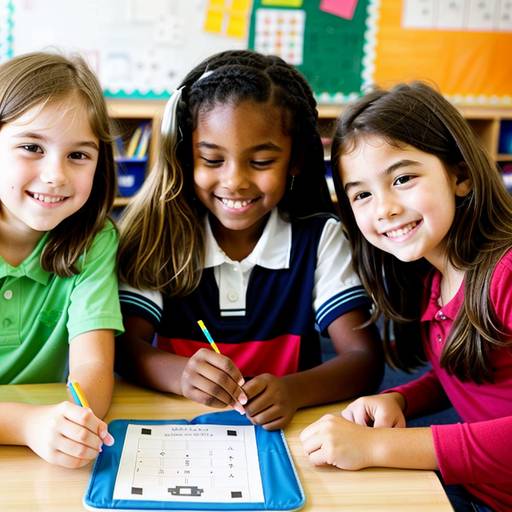
In this 2nd-grade math lesson, students will explore the concept of addition and regrouping through engaging activities that emphasize teamwork and collaboration. The lesson begins with an introductory story highlighting the importance of working together to solve problems. The teacher will demonstrate how to add multi-digit numbers using base ten blocks, illustrating the process of regrouping when necessary.
Students will then participate in a guided group activity, where they will work in small teams to solve a series of addition problems, using manipulatives to aid their understanding. Following this, each student will complete an independent worksheet that includes a variety of addition problems, encouraging them to apply what they have learned.
The lesson concludes with a review session where students share their problem-solving processes and an exit ticket activity, allowing them to demonstrate their understanding of regrouping. Throughout the lesson, the teacher will provide support and accommodations as needed, ensuring that all students can participate and grasp the key concepts. Extension opportunities will challenge advanced learners to create their own addition problems.
In this 2nd-grade technology lesson, students will explore the importance of maintaining and organizing their devices to ensure they function effectively and have a longer lifespan. The lesson begins with a discussion about the value of cleanliness in relation to technology, highlighting how neglect can lead to problems. Students will engage in a hands-on cleaning activity, using a checklist to learn proper techniques for caring for devices like tablets or computers. Following this, they will discover essential digital organization strategies, including the creation of folders and the importance of clear file naming. The class will conclude with a review of key concepts, encouraging students to apply what they've learned at home. Assessment will be based on observation during activities and students' ability to follow safety protocols and instructions.
In this lesson for 2nd-grade students, the focus is on understanding the importance of device maintenance and proper handling. Students will engage in discussions about their experiences with various devices and learn practical tips for caring for technology. Key concepts include keeping devices clean, avoiding food and drinks near them, and handling them safely.
Through group activities, students will create and share additional care tips, followed by roleplay scenarios to practice proper device handling. The lesson concludes with a summary discussion and the distribution of "Tech Heroes" certificates to recognize their learning. The overall goal is to instill a sense of responsibility in students regarding their use of technology and to promote respectful and careful interactions with their devices.
In this 2nd-grade technology lesson, students will explore the importance of device maintenance and proper handling. The class begins with an engaging discussion about their favorite devices, followed by an introduction to the parts of devices and practical care tips. Students will participate in a role-playing activity to practice safe handling and storage of devices in pairs. An independent worksheet will reinforce the lessons learned through a matching exercise, where they connect device parts to their corresponding care instructions. The lesson concludes with a review of key points and distribution of participation rewards to encourage engagement. This interactive approach aims to instill an understanding of responsible technology use and care among young learners.
In this 2nd-grade technology lesson, students will learn the importance of maintaining and organizing their devices to ensure they function effectively and last longer. The lesson begins with a discussion about how devices enhance their learning experiences, followed by an exploration of daily and weekly maintenance tasks. Students will engage in a hands-on activity where they practice cleaning their devices safely. They will also discuss the significance of proper organization, including designated storage areas and charging stations.
During a group activity, students will put away devices and practice organizing virtual files on their devices. The lesson concludes with a reflection where students share what they learned and receive a checklist outlining maintenance and organizational tasks to take home. Overall, the lesson aims to instill responsibility for technology care and foster essential habits for being responsible digital citizens.
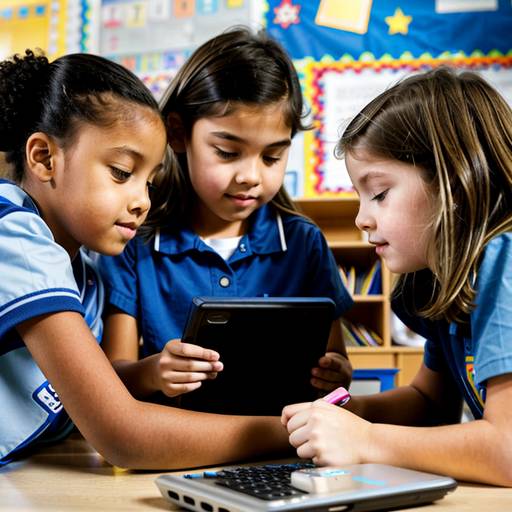
In this 2nd-grade technology lesson, students will explore the importance of maintaining and cleaning their devices. The lesson begins with a discussion about the significance of keeping technology clean and in good condition. Students will learn about safe cleaning materials and techniques suitable for screens and keyboards through a demonstration. Following this, they will engage in a hands-on activity where they will practice cleaning their devices in small groups, applying the skills they just learned. The session concludes with a reflection where students share their takeaways and receive a device cleaning checklist to use at home. Optional creative activities can further reinforce their understanding by allowing them to illustrate and write about their favorite devices. Throughout the lesson, student engagement and comprehension will be assessed through observation and discussion. Modifications are available for students requiring additional support or those who are more advanced.
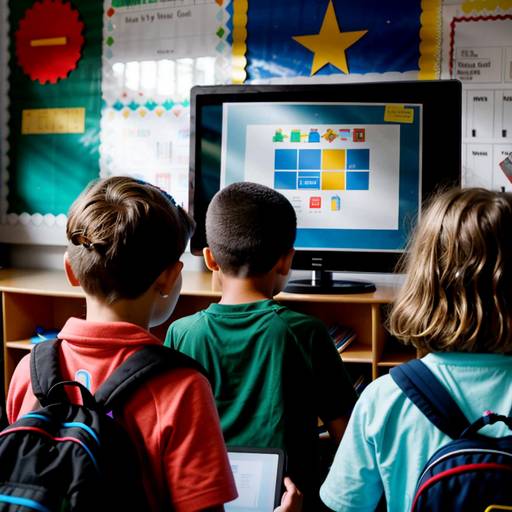
In this 2nd-grade technology lesson plan, students are introduced to various technology tools and their purposes, fostering an understanding of how these tools enhance everyday life. The lesson begins with a discussion on what technology means to the students, followed by a brief video showcasing technology in daily use.
Students participate in a demonstration of selected technology tools, learning their basic functions, and then engage in small group activities where they explore assigned tools and discuss their applications. Each group presents their findings to the class, encouraging interaction and questions.
A hands-on activity follows, where students complete a worksheet identifying technology tools they have used, connecting them to descriptions of how these tools assist us. The lesson concludes with a group discussion, reflecting on new knowledge gained and how technology impacts the future.
Assessment is based on participation, presentations, and worksheet completion, while extensions are provided for students who finish early, such as basic coding games. The lesson emphasizes collaboration and hands-on learning to help students become familiar with the technology tools that play a significant role in their lives.
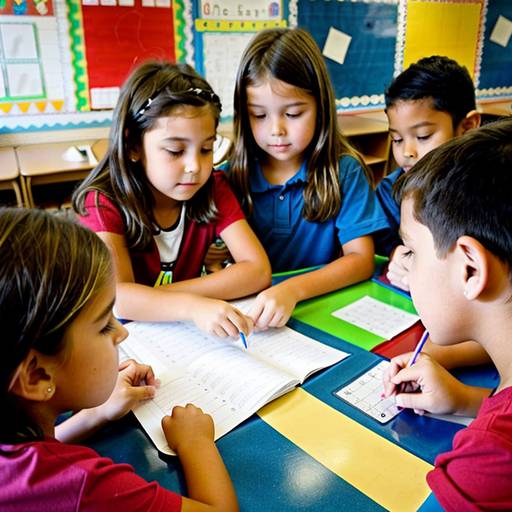
In this 2nd-grade math lesson, students will learn to tell time on both analog and digital clocks while also exploring the concept of elapsed time. The lesson begins with a discussion on the importance of time in daily life, followed by direct instruction that includes reading times aloud and calculating elapsed time through relatable real-life examples.
Students will engage in group activities where they solve elapsed time scenarios, promoting collaboration and communication of their thought processes. After guided practice, each student will complete a worksheet independently to reinforce their understanding.
The lesson concludes with a review of answers and a reflective discussion on the significance of time knowledge, along with an exit ticket for students to express their learning. Assessment will involve monitoring group interactions and reviewing independent work for comprehension. Extensions for early finishers will deepen their engagement with time-related concepts. Overall, the lesson aims to build students' confidence in reading time and calculating durations in everyday situations.