
Filters
Level
Grade
Subject
Subject Area
Subject Topic
Standard(s)
Audience
Keyword
DurationMinutes
2nd Grade Lesson Plans

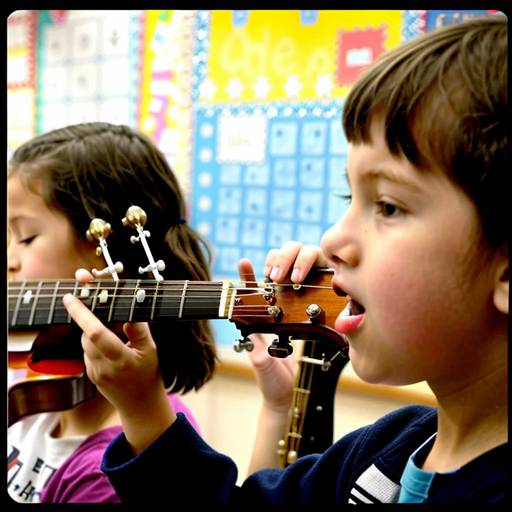
In this 2nd-grade music lesson, students will explore the concepts of high and low pitches through engaging activities and vocal exercises. The session begins with a greeting song to capture students' attention, followed by an introduction to high and low sounds using relatable examples and visual aids. A vocal warm-up will help students practice matching their voices to different pitches.
Next, the students will participate in a listening exercise where they respond to audio recordings of various instruments, and then they will engage in a movement activity that correlates to high and low pitches by mimicking animals. Following this, they will practice singing a simple song that incorporates both high and low tones.
The lesson concludes with a sharing session where students can discuss their favorite sounds, followed by a fun goodbye song that emphasizes pitch variation. Throughout the lesson, student participation and understanding will be assessed through observation and engagement in the activities. Adaptations will be available to support diverse learning needs, ensuring all students can participate and enjoy their musical experience.
This 2nd Grade music lesson focuses on exploring the concepts of high and low pitches through interactive singing and sound activities. Students will engage in vocal warm-ups and learn to identify different pitches by mimicking sounds associated with high and low notes. The lesson includes a fun game where students split into teams to create corresponding sounds, as well as an activity where they use instruments to represent pitch variations. Guided discussions will help reinforce understanding, and students will conclude with a collaborative song that incorporates both pitch types. Throughout the lesson, participation will be assessed to gauge understanding, and extensions will encourage practice at home. The lesson aims to make learning about pitch an enjoyable and memorable experience for students.

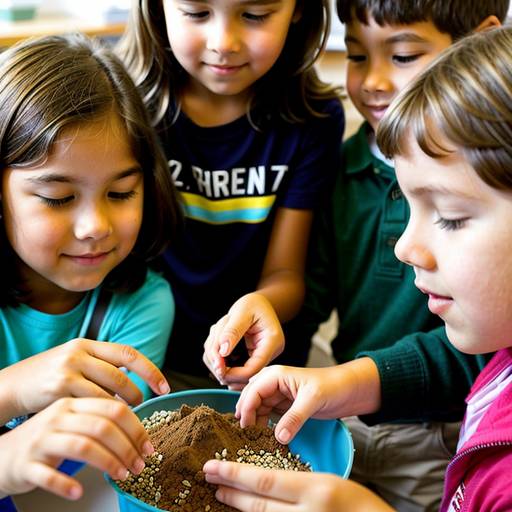
In this 2nd grade life science lesson, students will explore the fascinating world of plants, focusing on their parts and life cycle. The lesson begins with engaging discussions that prompt students to think about how a small seed can grow into a large plant. They will learn about the various parts of a plant—roots, stems, leaves, and flowers—using diagrams and hands-on activities.
Students will closely examine different seeds using magnifying glasses and draw their observations. They will then participate in a hands-on planting activity, where they will plant seeds in pots, learn about the necessary growing conditions, and understand the importance of water, soil, and sunlight.
The class will conclude with a group discussion, reinforcing the knowledge gained about the plant life cycle. Students will be encouraged to observe their own plants at home and document their growth. Assessment will be based on participation, drawings, and understanding of key concepts discussed during the lesson. Optional extensions include maintaining a growth journal and sharing their plants with the class.
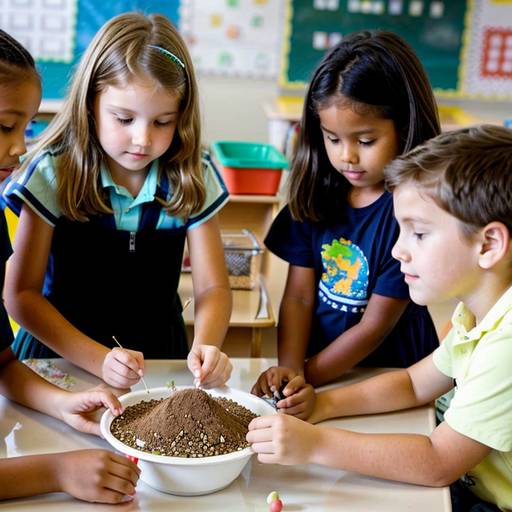
In this 2nd Grade Life Science lesson, students will explore the life cycle of plants by engaging in hands-on activities and discussions. The lesson begins with an introduction to the basic needs of plants—sunlight, water, and soil—coupled with an overview of the plant life cycle stages: seed, germination, seedling, mature plant, and flowering/fruiting.
Students will participate in a seed planting activity, where each will plant a seed in a plastic cup filled with potting soil and learn how to care for it. This practical experience will be complemented by observation and drawing activities, where pairs will create a visual representation of the plant life cycle.
Throughout the lesson, students will engage in collaborative discussions, share their observations, and record their findings. The teacher will assess understanding through participation, drawings, and informal questioning. The lesson also includes opportunities for further exploration of the role of plants in the environment and collaborative gardening efforts. Safety measures will be emphasized, ensuring a clean and safe learning environment. The session will conclude with a fun plant-related song or story to reinforce the concepts covered.
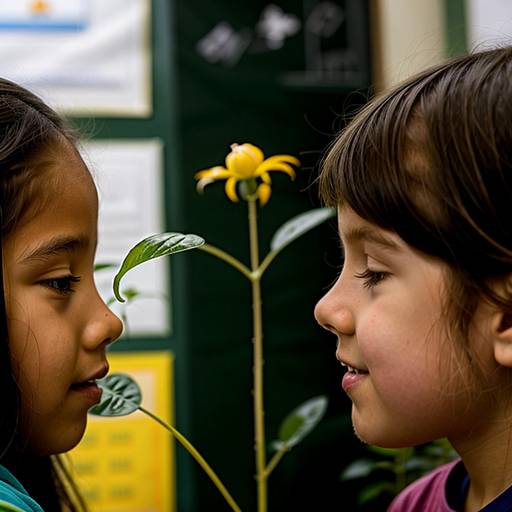
In this engaging 2nd-grade Life Science lesson, students will explore the fascinating world of plants, focusing on their basic parts and functions. The lesson begins with a discussion about the role of plants in the environment, where students will contribute to a KWL chart, sharing what they know and what they want to learn. Direct instruction will introduce the parts of a plant—roots, stems, leaves, flowers, and seeds—along with their functions, highlighting the importance of plants in providing oxygen, food, and habitat.
Following this, students will participate in a hands-on activity where they will work in small groups to examine a live plant or its image, using magnifying glasses to identify and label its parts on a worksheet. Each group will then share their findings with the class, fostering collaboration and communication among peers. The lesson will conclude with a reflection on the "superhero" qualities of plants, emphasizing their vital role in our ecosystem. Assessment will include participation and the completion of the worksheet, while extensions may encourage ongoing exploration through plant-growing projects or related reading activities.

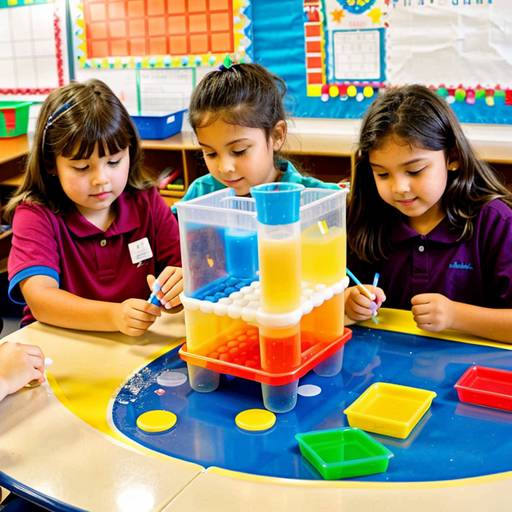
In this engaging 2nd-grade math lesson focused on measurement and volume, students will explore the concept of volume through hands-on activities and discussions. The lesson begins with an introduction to key vocabulary, such as volume and capacity, prompting students to share their understanding and examples.
Students will work in small groups, using a variety of containers to measure their capacity with standard units like measuring cups, estimating first before measuring the actual volume of each container. They will record their findings on worksheets to compare their estimates with their measurements.
Following the measurement activity, the class will regroup to share their results, facilitating a discussion about their discoveries. A fun "Pouring Race" activity will challenge students to transfer liquid between containers to see if one fits within another, reinforcing their understanding of volume through practical application and teamwork.
The lesson concludes with a reflection on what they learned, encouraging students to think about real-life applications of volume. Assessment will be based on observation, group participation, and the worksheets completed during the activities. Opportunities for extension and adaptations will be provided to accommodate different learning needs, ensuring an inclusive and comprehensive exploration of measurement and volume concepts.

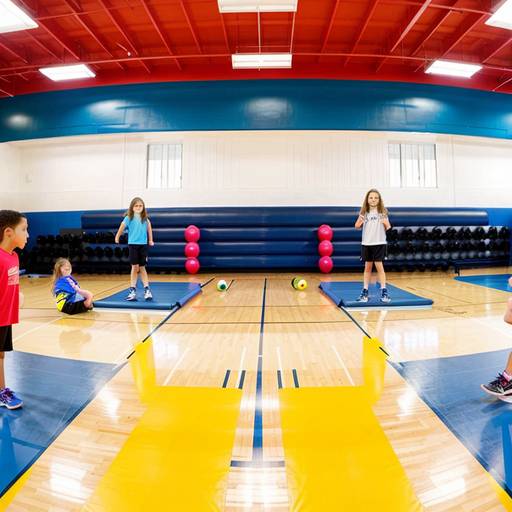
This 2nd grade physical education lesson plan focuses on teaching students the importance of fitness and strength through engaging activities. The lesson begins with a dynamic warm-up that includes various stretches and movements to prepare the students for physical activity.
Students will then rotate through four different activity stations that promote fitness and strength: Hula Hoop Hop, Resistance Band Row, Ball Toss Balance, and Jump Rope Challenge. Each station allows students to develop agility, upper body strength, balance, and endurance, while also fostering cooperation with peers as they work in pairs or small groups.
The lesson concludes with a group discussion, encouraging students to reflect on their experiences, share their favorite activities, and express how they plan to stay active outside of school. Throughout the session, emphasis is placed on participation, teamwork, and hydration, ensuring a safe and enjoyable learning environment.


This lesson plan aims to teach 2nd-grade students the fundamental rules of punctuation, specifically focusing on periods, question marks, and exclamation marks. The lesson begins with an introduction to the importance of punctuation in writing, followed by direct instruction that provides examples of each punctuation mark and demonstrates how they affect the meaning of sentences. Students will engage in guided practice by working in pairs to identify and correct punctuation in provided sentences. They will then proceed to independent practice, where they will create their own sentences using the three punctuation marks, accompanied by illustrations. The lesson concludes with students sharing their work and discussing the choices they made regarding punctuation. Assessment will include monitoring student participation, evaluating worksheets, and reviewing the students' sentences for correct punctuation usage. Extensions for creativity and modifications for varying skill levels are included to enhance the learning experience. This lesson encourages an interactive approach to mastering essential grammar skills.
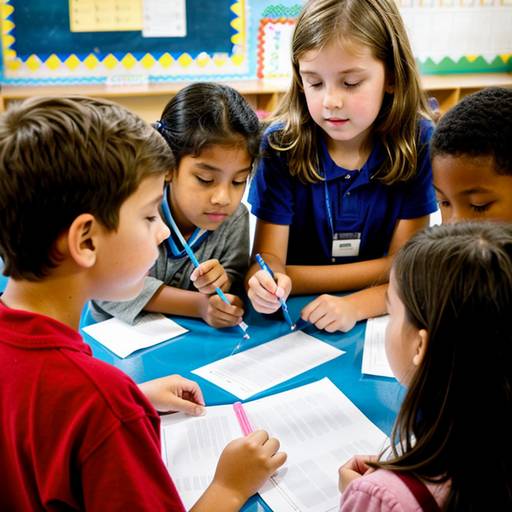
In this second-grade language arts lesson, students will explore basic punctuation marks—periods, question marks, and exclamation points—and their functions within sentences. The lesson begins with a read-aloud story that highlights these punctuation marks, prompting students to recognize their importance in communication. Following a mini-lesson, students will participate in small group activities where they create original sentences using the different punctuation marks and share them with the class.
For independent practice, students will complete a worksheet focused on identifying and correcting punctuation in sentences. The lesson concludes with a sharing session, reinforcing the role of punctuation in making writing clear and understandable. Assessment will involve observing group interactions and collecting worksheets to evaluate individual understanding. Accommodations and extensions are provided to support diverse learning needs and deepen engagement with the topic.
This lesson plan focuses on teaching second-grade students the fundamental concepts of grammar and capitalization. The objectives include helping students identify proper nouns and correctly capitalize them, as well as understanding that sentences begin with a capital letter.
The lesson begins with an introduction that encourages students to share their knowledge about capital letters, followed by a mini-lesson that explains proper nouns and the importance of capitalization. Guided practice involves students working in pairs to fill in missing capital letters on sentence strips, which they then share with the class.
For independent practice, students receive a worksheet to correct sentences with capitalization errors. The lesson concludes with a fun interactive activity, allowing students to present sentences they fixed, reinforcing their understanding through peer engagement. Assessment includes monitoring participation during the activity and reviewing the completed worksheets. Differentiation strategies are provided to support various learning needs. Overall, the lesson aims to make learning about grammar and capitalization engaging and enjoyable for young learners.