
Filters
Level
Grade
Subject
Subject Area
Subject Topic
Standard(s)
Audience
Keyword
DurationMinutes
1st Grade Lesson Plans

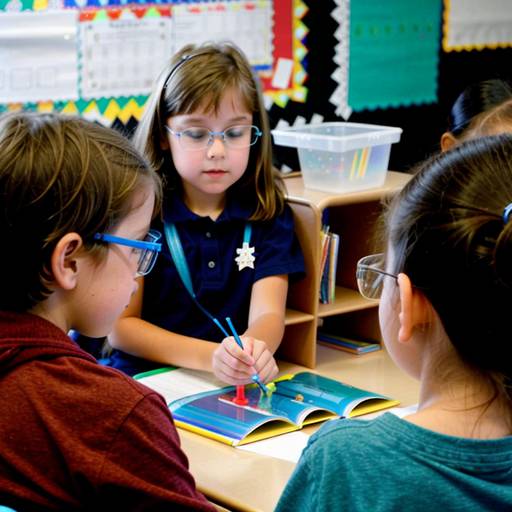
In this 1st-grade science lesson, students will explore the concept of matter, focusing on its three states: solids, liquids, and gases. The lesson begins with an engaging discussion about what matter is, followed by a direct instruction segment where students will learn the characteristics of each state through hands-on interactions with ice cubes (solid), water (liquid), and balloons filled with air (gas).
To reinforce their understanding, students will participate in a sorting activity, where they categorize various objects based on their state of matter, and will visually display these examples on a chart. The lesson concludes with a creative drawing activity, allowing students to illustrate one example of each state. Throughout the session, the teacher will assess student participation and comprehension, ensuring an interactive and engaging learning experience. Reflective practices will help identify areas for future improvement or further exploration of related concepts.
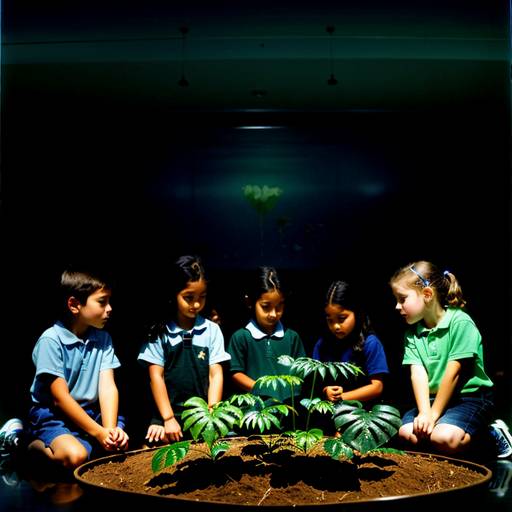
In this first-grade science lesson, students will explore the essential needs of plants, including sunlight, water, soil, and air, while learning to identify the different parts of a plant. The lesson begins with an engaging discussion on what plants require to survive, followed by hands-on activities.
Students will receive potted plants, where they will label the parts—roots, stem, leaves, and flower—while closely observing them with magnifying glasses. Next, they will plant seeds in clear plastic cups filled with soil, watering them and discussing optimal sunlight placement.
The lesson concludes with a group discussion to review key concepts and encourage students to share their excitement about nurturing their plants at home. Assessment will focus on students' participation in activities and their ability to illustrate and label their plants. Extensions, such as creating a classroom garden or reading related stories, can further enhance the learning experience. Safety precautions will be emphasized to ensure a safe, engaging environment for all students.

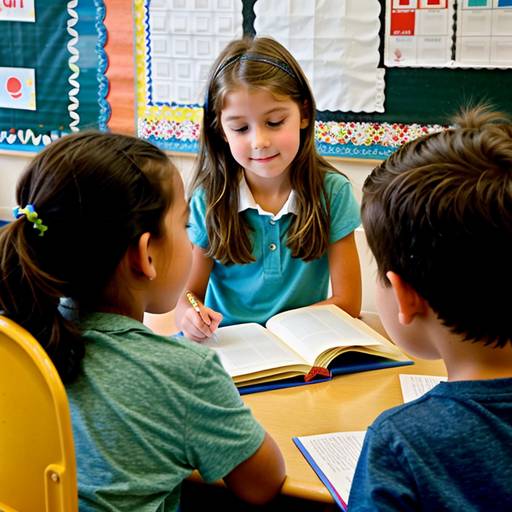
This first-grade language arts lesson plan focuses on introducing students to two primary reading genres: fiction and non-fiction. The lesson begins with a class discussion about what students enjoy about reading, followed by a read-aloud session featuring both a fiction story and a non-fiction book. Through guided questions, students explore the characteristics that differentiate the two genres. A genre sorting activity allows students to work in pairs to categorize flashcards into fiction and non-fiction, reinforcing their understanding of the concepts.
Students then reflect on their learning by creating a graphic organizer where they draw and describe their favorite book from each genre. The lesson concludes with a sharing session that highlights students' preferences, reinforcing the idea that both genres offer unique reading experiences. Assessment is based on student participation and the completion of their graphic organizers. Extensions include a genre-themed reading corner and monthly genre explorations, encouraging ongoing engagement with diverse reading materials.

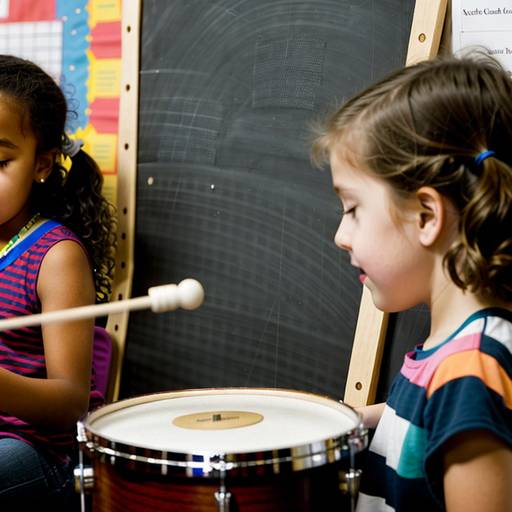
In this 1st-grade music lesson, students will explore the world of percussion instruments and understand the concept of rhythm. The session begins with a discussion about music and introduces various percussion instruments, allowing students to engage in hands-on exploration in small groups. Students will practice clapping and playing simple rhythm patterns while participating in a group performance where they showcase their assigned instrument. The lesson emphasizes listening, collaboration, and creativity in music-making. To conclude, students will share their experiences and reinforce the interactive nature of rhythm through a fun clapping game. The overall objective is to cultivate an appreciation for music and rhythm while encouraging active participation and enjoyment.
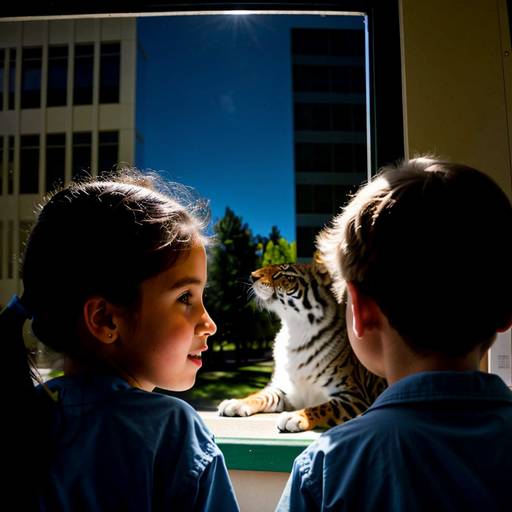
In this 1st-grade science lesson, students will explore the fascinating world of animals through engaging activities and discussions. The lesson begins with a short video showcasing various animals in their natural habitats, followed by an introduction to five main animal groups: mammals, birds, reptiles, amphibians, and fish. Students will learn about key characteristics and basic needs of these animals through picture cards and a storybook reading.
During guided practice, students will work in pairs to classify animals using provided worksheets, fostering collaboration and discussion. They will then engage in independent practice by drawing their favorite animal and writing a fact about it, allowing for creativity and personal expression.
The lesson concludes with a class discussion to reinforce the concepts learned, encouraging students to share their favorite animals and their classifications. Assessment will be through observation, worksheet completion, and the quality of the drawings and facts presented. Extensions may include a field trip to a zoo or the creation of an animal journal, while modifications are provided for students needing additional support or challenges. Overall, this lesson aims to deepen students' understanding of animal diversity and their roles in the ecosystem.
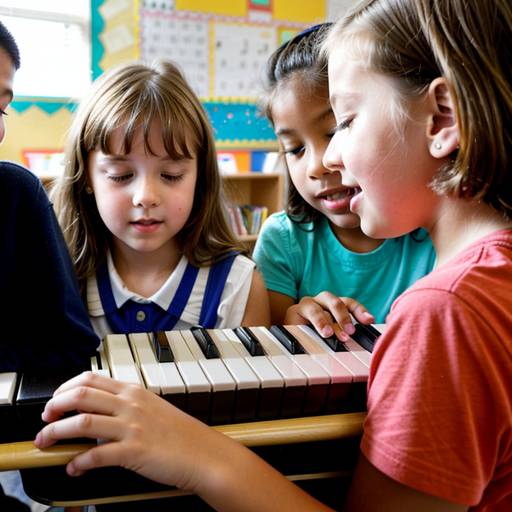
In this 1st-grade music lesson, students will explore the basics of music theory by learning to identify and name different music notes, specifically whole notes, half notes, and quarter notes, as well as their corresponding values. The lesson begins with an introduction to music notes through engaging flashcards, accompanied by rhythmic clapping to reinforce the differences between the notes.
Students will then be introduced to the treble clef and the layout of the musical staff, where they will collaboratively place the notes in the correct order. This visual representation will help them understand the relationship between the notes and their names.
Next, students will participate in an interactive group activity where they are divided into small teams to create rhythmic patterns using the notes they learned. They will practice these rhythms with simple instruments and perform for the class, encouraging peer recognition of the note names as they perform.
The lesson concludes with a review of key concepts and a discussion about their favorite parts, allowing for reflection on the material. Engagement and participation will serve as indicators of their understanding, with opportunities for extension activities to further reinforce the concepts at home or in future classes.
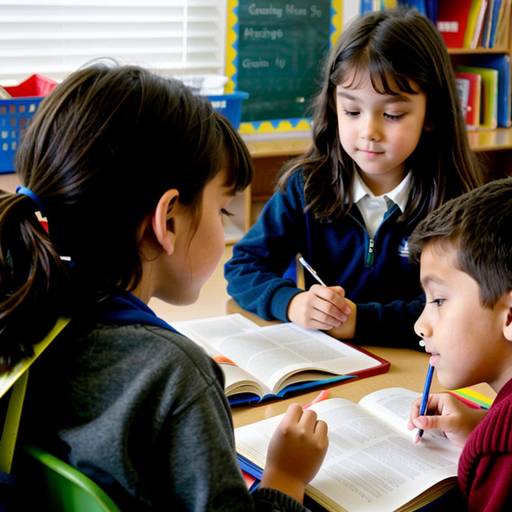
This 1st-grade Language Arts lesson focuses on introducing students to different reading genres, including fiction, nonfiction, poetry, and folk tales. The lesson begins with an engaging discussion to activate prior knowledge about stories and encourages students to share their reading preferences. Through read-aloud sessions featuring one book from each genre, students learn the defining characteristics of each type of literature.
Following the read-alouds, students participate in a genre sorting activity where they work in small groups to match genre descriptions with corresponding book covers. This hands-on activity reinforces their understanding of genre traits. To culminate the lesson, students choose their favorite genre and create illustrations that showcase what they enjoy about it, allowing for creative expression.
The lesson emphasizes active participation and discussion, aiming to deepen students' appreciation of literature by exposing them to various genres. Assessment is conducted through observation, accuracy in the sorting activity, and reviewing the illustrations created by students. Extension activities include the creation of a classroom "genre wall" and sharing favorite books, further promoting a love for reading.

The lesson plan focuses on introducing 1st-grade students to the concepts of money, specifically coins and their values. It aims to help students identify different types of coins—pennies, nickels, dimes, and quarters—and understand how to count them. The lesson begins with an engaging discussion on money and its purpose, followed by direct instruction where students learn the names, images, and values of each coin.
In the guided practice segment, students group and count their coins collectively, promoting collaboration and reinforcing their counting skills. The highlight of the lesson is an interactive "store" activity, where students can buy items priced at 1-10 cents using play money. This hands-on experience allows them to apply their counting knowledge in a real-world context.
The lesson concludes with a group discussion where students share their experiences and what they learned. Assessment includes observing students during the activity and collecting worksheets to evaluate their understanding of coin identification and counting. Additionally, differentiation strategies are included to support a range of learning needs. Overall, the lesson combines direct instruction, practice, and interactive engagement to create a comprehensive learning experience centered around money.
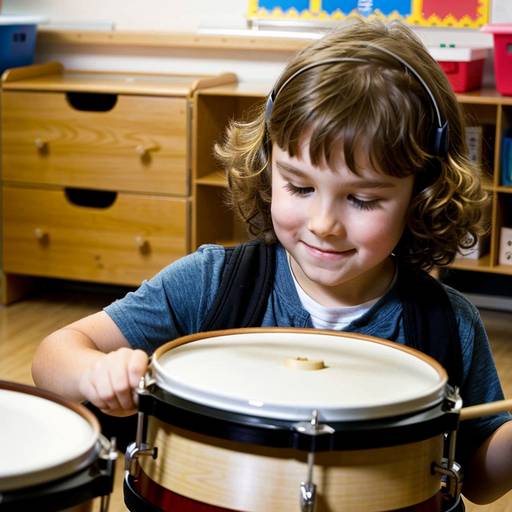
In this engaging music lesson for 1st-grade students, students will explore various percussion instruments and learn about rhythm. The lesson begins with an introduction to different percussion instruments, allowing students to experiment with their sounds. Following this exploration, students will learn the concept of rhythm through clapping and body percussion exercises.
They will then divide into small groups to create their own simple rhythms using the instruments provided. After group practice, each group will perform their rhythm for the class, fostering collaboration and creativity. The lesson concludes with a reflection session where students share their thoughts and experiences about the instruments and the process of creating rhythms.
Assessment will include observing student participation and their ability to comprehend rhythm concepts, with modifications available for those who need additional support. As an extension, students will be encouraged to listen for percussion in their favorite songs at home, further reinforcing their learning.
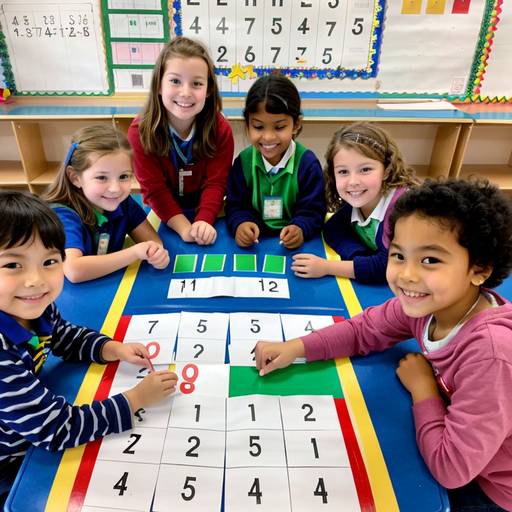
This 1st Grade math lesson focuses on teaching students the concept of addition using a number line. The lesson begins with a discussion about the importance of addition in everyday life, followed by an introduction to the number line as a useful tool for visualizing addition.
Through modeling and guided practice, students learn to perform simple addition problems while moving along the number line. They receive handouts of small number lines to help them practice independently. The lesson includes a hands-on activity where students use counters to create and solve their own addition problems, reinforcing their understanding of combining numbers.
The lesson concludes with students sharing their work and reflecting on their learning. A worksheet is provided for assessment, and extensions are suggested for students progressing at different rates. Differentiation strategies ensure all students receive appropriate support, while the teacher reflects on lesson effectiveness for future improvements.