
Filters
Level
Grade
Subject
Subject Area
Subject Topic
Standard(s)
Audience
Keyword
DurationMinutes
1st Grade Lesson Plans

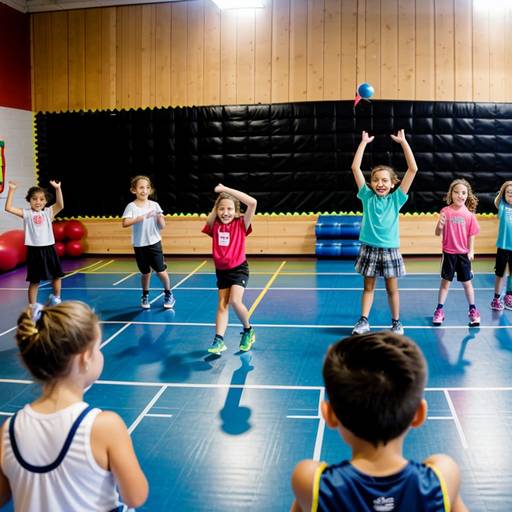
This 1st Grade Physical Education lesson plan focuses on introducing students to cardiovascular fitness through engaging and interactive activities. In a 30-40 minute session with a class size of 20-25 students, the lesson begins with a warm-up that encourages discussion about fitness and includes dynamic stretching to prepare the body for movement.
The main part of the lesson consists of a circuit with four fun stations: Hula Hoop Hop, Jump Rope Relay, Balloon Toss, and Freeze Dance, each promoting cardiovascular activity while developing coordination and teamwork. Students work in small groups and rotate through the stations, ensuring a variety of movements and interactions.
After the main activities, a cool-down period with gentle stretching and a reflection circle allows students to share their experiences and thoughts on fitness. The lesson emphasizes active participation and enjoyment while teaching important concepts related to health and exercise. Assessment is based on observation and student engagement, with extensions offered to encourage fitness habits beyond the classroom. Safety considerations are also outlined to ensure a secure and supportive learning environment.

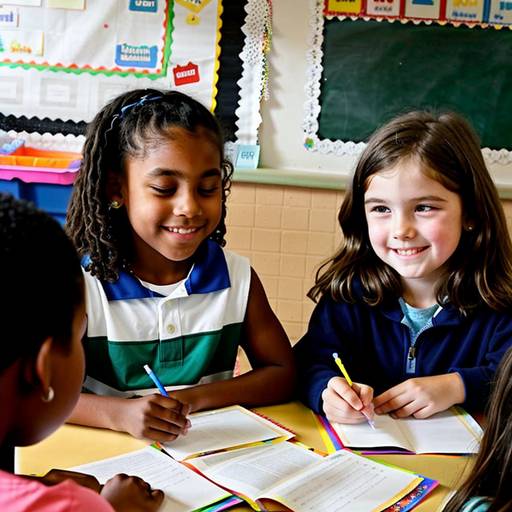
In this 1st-grade social studies lesson, students will explore the concepts of community and diversity. The class will begin with a discussion to define what a community is and identify its members and different cultures represented. Following this discussion, students will listen to a read-aloud of a children's book that emphasizes inclusion and the value of diverse backgrounds.
After the reading, students will engage in a conversation about the richness that diversity brings to their community and the roles of various community helpers. In groups, they will participate in an interactive activity by creating a collage that represents their community, incorporating images of diverse families, community helpers, and cultural traditions.
Each group will share their collage with the class, describing the significance of their chosen elements. The lesson will conclude with a summarization of key points about the importance of kindness and inclusion. Assessment will be based on student participation, engagement during discussions, and creativity in their collages, fostering understanding and appreciation of community and diversity among the students. Additionally, extensions such as inviting guest speakers or planning a cultural day are suggested for further learning experiences.

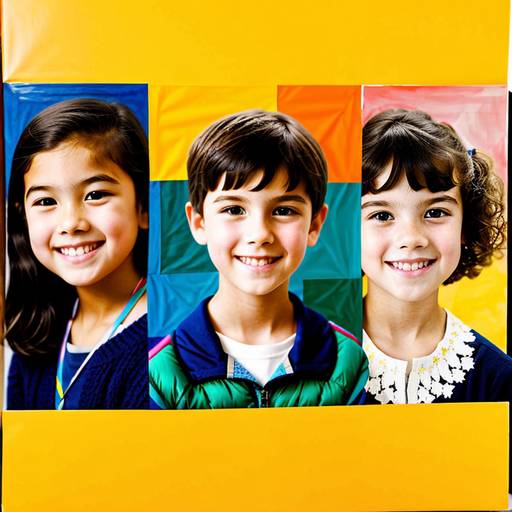
In this 1st-grade art lesson, students will explore basic art techniques through the creation of a collage using various materials such as colored construction paper, magazines, scissors, glue, crayons, and optional natural elements. The lesson begins with an introduction to collages, showcasing different styles and discussing composition, color, and texture. A demonstration follows, where students learn to safely cut and arrange their materials before gluing them onto a background. Guided and independent practice will allow students to create their own collages based on a theme or story of their choice, fostering creativity and personal expression. The lesson culminates with students sharing their artwork in pairs or small groups, reflecting on their creative choices. Assessment will focus on students' understanding of collage techniques and their engagement in the process. An extension activity encourages students to continue exploring collage themes over time. Finally, the lesson emphasizes the joy of creating art and the value of sharing creative experiences.
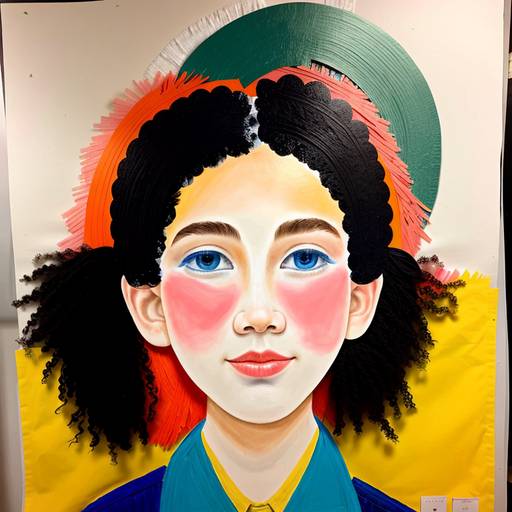
In this first-grade art lesson, students will engage in a mixed media project that allows them to explore various art forms, including drawing, painting, and collage. The session begins with a discussion about different artistic techniques and an overview of mixed media art, showcasing examples that illustrate how diverse materials can be combined.
A demonstration follows, where students learn how to create a simple artwork by layering drawings with watercolor painting and collage elements. After the demonstration, students will have 30 minutes to create their own mixed media pieces, encouraging them to incorporate elements from each category while using innovative materials and textures.
The lesson concludes with a sharing circle, where students present their artworks and reflect on their creative process. The instructor will assess engagement, creativity, and the effective use of mixed media throughout the activity. Extension opportunities include a take-home assignment for further artistic exploration and a potential classroom exhibition to display student work.
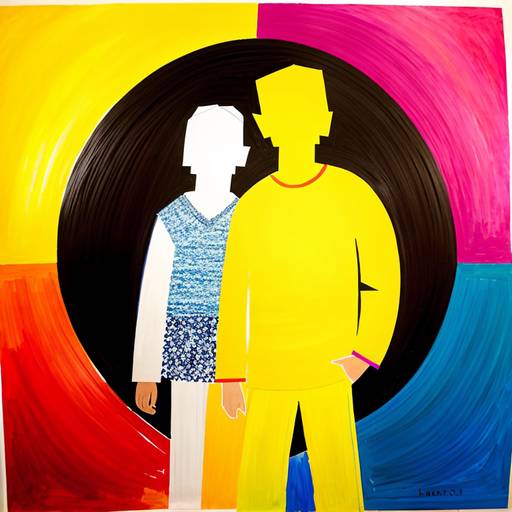
This lesson plan is designed for 1st-grade students to explore the basic elements of art, with a focus on color theory. Students will learn about primary colors (red, blue, yellow) and how to mix them to create secondary colors (green, orange, purple). The lesson begins with a discussion about colors and a visual demonstration using a color wheel.
Following this introduction, students will engage in a hands-on art activity where they create a landscape or abstract painting using watercolor paints. They will be encouraged to experiment with mixing colors and incorporating at least one primary and one secondary color into their artwork. Once their paintings are complete, students will have the opportunity to enhance their creations with crayons or colored pencils.
To conclude the lesson, students will participate in a gallery walk, showcasing their artwork and reflecting on their experiences. They will share their favorite colors and discuss any new colors they discovered through mixing. The lesson emphasizes creativity, engagement, and a foundational understanding of color theory and the elements of art, ensuring an enjoyable and educational experience. Additional activities can extend the learning by incorporating collage work or exploring warm and cool colors in future lessons.
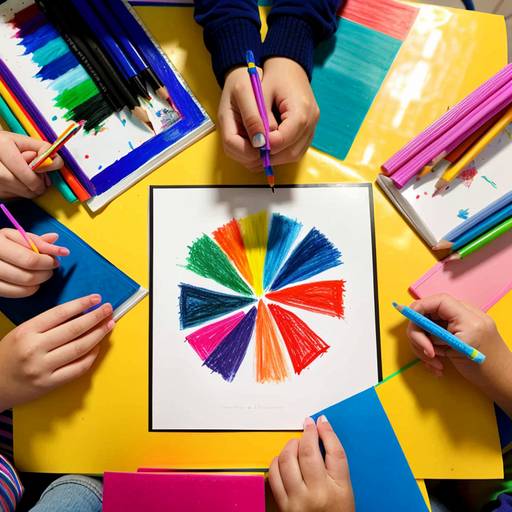
In this 1st Grade art lesson, students will explore basic drawing techniques by creating their own imaginative creatures using lines and shapes. The session begins with a discussion about real and imaginary animals to inspire creativity. The teacher will demonstrate how to break down a creature into basic shapes while adding details with lines. Students will then practice sketching their creatures using pencils before adding color with crayons or colored pencils, allowing for individual expression. As the lesson concludes, students will share their creations with the class, fostering a sense of pride in their unique artistic expressions. The lesson emphasizes creativity, the use of color, and the importance of imaginative thinking in art. Extensions may include creating a habitat for the creatures in future lessons, further expanding on their artistic skills.
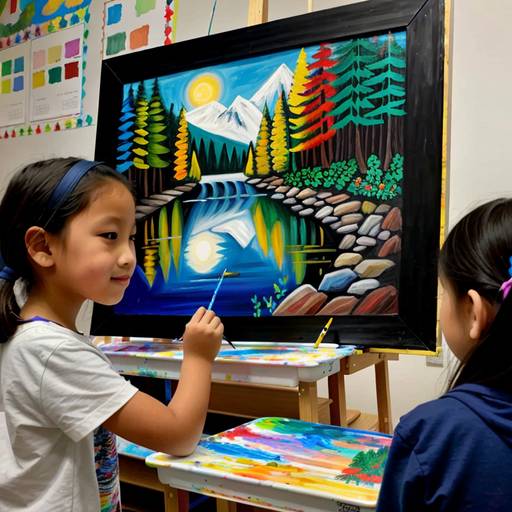
In this 1st-grade art lesson, students will explore basic painting techniques and color theory through the creation of nature-themed artwork. The lesson begins with a discussion about nature and the colors found within it, followed by a demonstration of various brush strokes and color blending, including the mixing of primary colors to create secondary colors. After sketching their nature scenes, students will use watercolor paints to apply the techniques they've learned while experimenting with different colors and brush strokes. The session concludes with a sharing time where students present their artwork and reflect on their learning experiences. Assessment will focus on students' engagement, creativity, and application of techniques throughout the project, with opportunities for extension activities in other mediums.

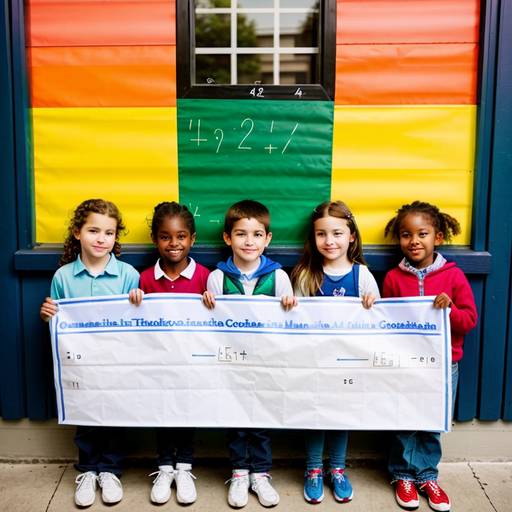
In this 1st grade math lesson, students explore the concepts of measurement and temperature through engaging, hands-on activities. The lesson begins with a discussion about measurement and its importance, introducing non-standard units like paper clips. Students work in small groups to measure classroom objects using these units and record their findings. Next, they learn about thermometers, discussing temperature concepts and measuring the temperature of different objects in the classroom. Students create their own thermometers, labeling temperature ranges, and contribute to a class temperature chart. The lesson concludes with a recap and sharing session, reinforcing the learning outcomes while allowing for individual expression through drawing. Assessment is based on participation and group presentations, and extensions encourage further exploration of measurements in everyday life.
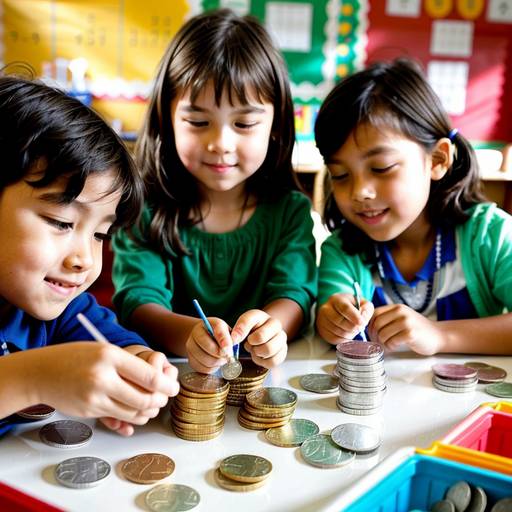
In this 1st-grade math lesson, students will learn about money by identifying various coins, including pennies, nickels, dimes, and quarters, and understanding their values. The lesson begins with a discussion on the concept of money, followed by direct instruction where the teacher models how to count coins using visual aids and involves students in hands-on participation. Following this, students will engage in guided practice in small groups, using real or play coins to create specific amounts. They will have an independent activity involving worksheets focused on counting coins. The lesson concludes with a fun mini store activity where students can use play money to "purchase" items, allowing them to apply what they’ve learned in a practical setting. Finally, the class will regroup to discuss their learning and reinforce key concepts. The assessment is based on observation during activities and the completion of the worksheets, ensuring that all students grasp the concepts related to counting and recognizing coins. Extensions for the lesson include creative writing and interactive online games for further practice.
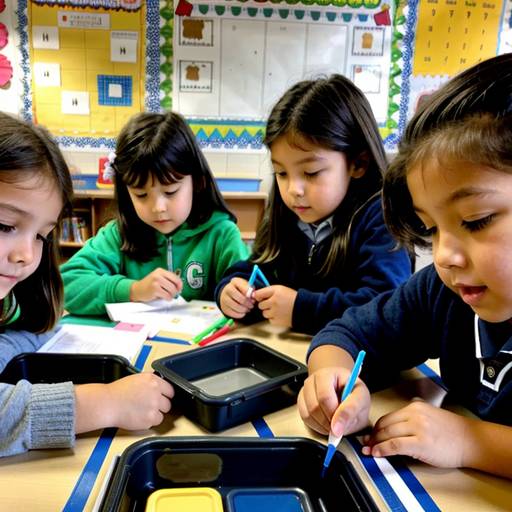
In this 1st grade math lesson plan, students learn about addition through engaging word problems related to animals. The lesson begins with a warm-up discussion about favorite animals, followed by an introduction to addition using visual aids. The teacher demonstrates how to solve a simple word problem on the board, emphasizing comprehension and problem-solving strategies.
Students then work collaboratively in small groups to solve a series of addition word problems using counters and their “Critter Count” posters. This guided practice is followed by independent work where each student completes a worksheet with various addition problems.
Throughout the lesson, students are encouraged to share their solutions and reasoning, reinforcing their understanding of addition in real-life scenarios. The teacher assesses student comprehension through observations and collected worksheets, while also providing differentiated support to meet individual learning needs. Overall, the lesson aims to build foundational addition skills in a fun and interactive way.