
Filters
Level
Grade
Subject
Subject Area
Subject Topic
Standard(s)
Audience
Keyword
DurationMinutes
Toddler Lesson Plans

The lesson plan focuses on fostering empathy and understanding in toddlers by helping them recognize and respond to the emotions of others. The activities include a circle time discussion about feelings, where children express their own emotions and mimic facial expressions. This is followed by a storytime session featuring a book that illustrates various characters' emotions, prompting children to discuss how characters might feel and how to help them.
Next, an interactive role-playing activity uses stuffed animals or puppets to enact scenarios that evoke different feelings, allowing children to practice comforting gestures. This is complemented by a creative expression segment where children draw their favorite emotions and share their artwork with peers, promoting verbal expression of feelings.
The conclusion includes a group reflection on the importance of kindness and understanding, with an emphasis on sharing personal experiences of helping others. The plan incorporates ongoing activities such as a "Feelings Wall" and regular storytelling to continue exploring empathy in future lessons. Overall, the aim is to equip toddlers with the language and tools necessary for recognizing and responding to others' emotions.
This lesson plan is designed for toddlers aged 2-4 years, focusing on the concept of empathy and helping young children recognize and understand emotions in themselves and others. The session begins with a group discussion where children share their feelings, followed by a storytelling segment that explores various emotions through picture books.
Next, students engage with emotion flashcards, mimicking expressions and discussing scenarios that evoke different feelings. To further enhance their understanding, children participate in puppet role-plays, acting out simple situations that involve emotional interactions.
The lesson also includes a creative art activity where children draw experiences related to empathy, allowing them to express their thoughts and feelings visually. The session concludes with a closing circle where children recap their learnings and pledge to be kind and understanding to their peers.
Throughout the lesson, emphasis is placed on fostering a supportive environment that encourages open discussions and connections among children, building the foundation for empathetic social interactions in the future.
This lesson plan focuses on cultivating toddlers' emotional awareness and self-regulation skills. The session begins with circle time, where children engage in conversation about their feelings using emotion flashcards, helping them identify and express different emotions. A story is read that highlights various feelings, fostering discussion and empathy.
Interactive activities follow, including exploring plush toys representing emotions, looking in mirrors to mimic feelings, and creating artwork that expresses how they feel. Simple calming techniques, like deep breathing exercises paired with soft music, help children learn self-soothing strategies.
The session concludes with a closing circle where children share their favorite parts of the lesson and contribute to a feelings jar, symbolizing their emotional states. This plan emphasizes recognizing emotions, discussing them, and practicing self-regulation, while promoting a supportive environment for open expression. Future sessions will include ongoing discussions about feelings and coping strategies.
This lesson plan focuses on fostering toddlers' emotional development by helping them recognize and express their feelings, as well as introducing basic coping strategies. The session begins with an engaging circle time where children explore various emotions through visual aids and interactive discussions. A story is then read aloud to illustrate different feelings, encouraging personal connections.
Following the story, simple coping strategies are introduced, such as deep breathing and hugging soft toys, allowing children to practice these techniques together. An art activity allows toddlers to express their emotions creatively by drawing, which they can later share with the group. The lesson concludes with a supportive closing circle, reinforcing the idea that it's okay to experience different feelings and that they have friends to lean on. Parents are encouraged to continue the conversation about emotions and coping strategies at home, ensuring a collaborative approach to emotional development.

This lesson plan focuses on helping toddlers recognize, express, and label their emotions using appropriate vocabulary. Designed for a duration of 30-45 minutes, it includes a range of engaging activities suitable for a small group of 5-10 students.
The session begins with a circle time where children are introduced to a feelings chart and emotion flashcards, encouraging them to repeat and practice emotional vocabulary. Following that, an interactive game allows them to match specific emotions to the corresponding flashcards, promoting recognition and expression.
A story-reading segment introduces various emotions through a book, prompting discussion about the characters’ feelings. This is followed by a movement activity where toddlers express emotions through dance, connecting music to feelings. In the art activity, children draw faces that represent their chosen emotions, facilitating creativity while reinforcing vocabulary.
The lesson concludes with a reflective circle where children share their feelings using the terms learned throughout the session, highlighting the importance of emotional expression and validation. Extensions include creating an emotion wall and encouraging parental involvement to reinforce emotional discussions at home. Overall, the plan aims to build emotional awareness and communication skills in a fun and interactive setting.
This lesson plan focuses on helping toddlers identify and express various emotions through engaging activities. The session begins with a circle time where children are introduced to different feelings using emotion flashcards and encouraged to mimic expressions. A lively feelings song follows, incorporating movements to reinforce the concepts.
Next, the children gather for storytime, where they explore emotions further through a book that prompts discussions about feelings. Plush toys are introduced as a fun way for kids to project emotions and share stories about their chosen items.
Children then participate in a drawing activity, creating representations of their favorite feelings, followed by sharing their creations with the group. The session concludes with a wrap-up discussion, reinforcing what the children have learned about emotions, and featuring a positive group activity to foster connection.
Throughout the lesson, there is an emphasis on participation and expression, allowing toddlers to develop their emotional vocabulary and understanding of feelings in themselves and others. For follow-up, a feelings chart can be created, and an "Emotion of the Week" can be introduced to deepen their exploration of emotions over time.
This lesson plan focuses on helping toddlers identify and understand their emotions, while also introducing simple coping strategies for managing those feelings. It begins with an interactive circle time where children explore various emotions using flashcards and share personal experiences. A story illustrating different emotions enhances their understanding, followed by a discussion on coping strategies tailored to specific feelings.
Through role-playing with plush toys, children practice expressing emotions and applying coping techniques. They engage in a creative activity by drawing personal experiences related to emotions, which fosters self-expression and sharing. The lesson concludes with a group reflection on what they’ve learned, reinforcing a supportive atmosphere. Throughout the session, the emphasis is on creating a safe space for emotional expression and building foundational skills for emotional regulation.
In this toddler social skills lesson plan focused on problem-solving, children will engage in various interactive activities designed to develop their ability to identify and address conflicts collaboratively. The session begins with circle time, where toddlers listen to a story that introduces a problem-solving theme and discuss potential solutions together.
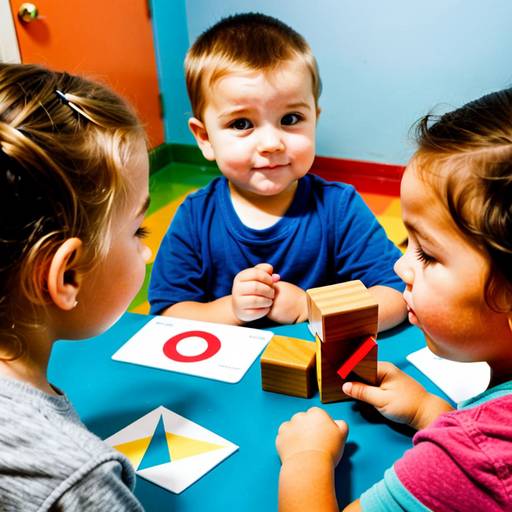
Next, children participate in a "problem box" activity, selecting scenarios that depict common issues they may encounter and sharing their thoughts on feelings and solutions. This is followed by a creative exploration segment, where small groups use building blocks or art supplies to depict their solutions to the problems discussed.
The lesson continues with a role-playing activity in pairs, allowing children to act out conflicts and practice resolution strategies in a supportive environment. The session concludes with a reflection circle where children share their insights about problem-solving and celebrate their teamwork with a song.
Throughout the lesson, educators will assess children's understanding of problem-solving skills and their ability to express emotions and collaborate with peers, fostering a supportive and community-oriented classroom environment.
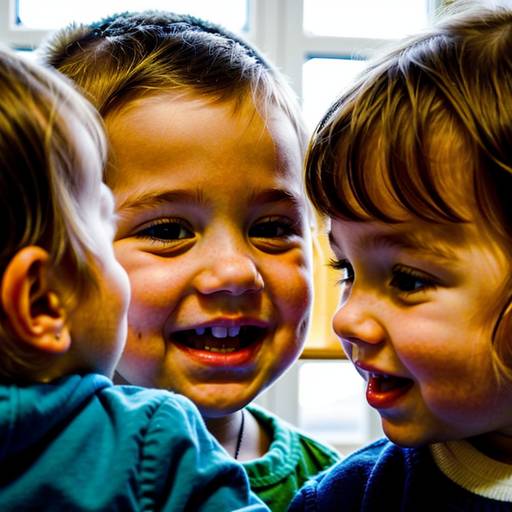
In this toddler social skills lesson, children will explore the concept of cooperation through a series of interactive activities designed to foster teamwork and collaboration. The session begins with a group gathering where students are introduced to the idea of working together, followed by a movement-based warm-up to engage their energy.
Participants will then work in teams using colorful blocks to construct collaborative structures, encouraging communication and idea sharing. A creative drawing project on large paper will allow each child to contribute, fostering an environment of sharing and cooperation as they take turns adding to the mural.
Further, the children will pair up to complete simple puzzles, promoting teamwork as they assist each other in finding and fitting pieces. If time permits, a parachute activity will introduce cooperative games where students must coordinate their movements collectively.
The lesson concludes with a group circle discussion, allowing children to reflect on their experiences and feelings about working together. Throughout the session, observations will be made regarding the children's ability to express themselves, share, and engage with peers, reinforcing the importance of cooperation in social interactions. All activities are designed to be engaging and fun, helping toddlers develop essential social skills in a playful setting.
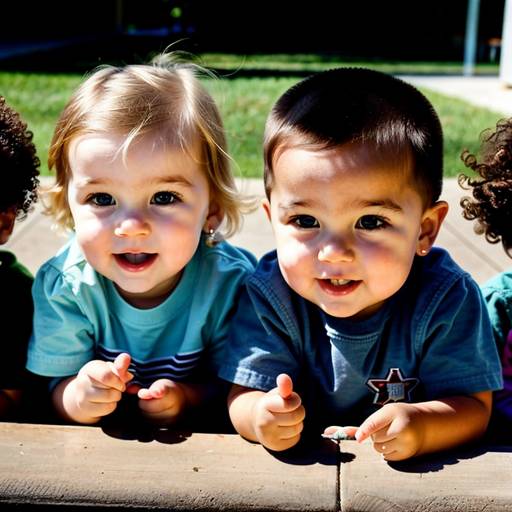
In this lesson focusing on friendship for toddlers aged 2-4 years, students will explore key social skills essential for forming and nurturing friendships. The session begins with an engaging circle time where children share their thoughts about friendship. Following this, a storytime segment introduces enriching picture books that highlight themes of caring, sharing, and helping each other, prompting discussions that reinforce these concepts.
To foster interaction, an activity called the Friendship Circle allows students to express positive feelings about their friends while practicing taking turns. The children then participate in a creative art project where they design their own flowers representing friendships, encouraging self-expression and reinforcement of names of friends they enjoy playing with.
The lesson concludes with a closing circle, where students reflect on what they learned about being good friends, receive stickers for participation, and are encouraged to discuss these ideas at home. Throughout the lesson, educators will assess students' interactions and understanding of sharing, turn-taking, and expressing kindness, while also adapting activities to meet individual needs.