
Filters
Level
Grade
Subject
Subject Area
Subject Topic
Standard(s)
Audience
Keyword
DurationMinutes
Toddler Lesson Plans

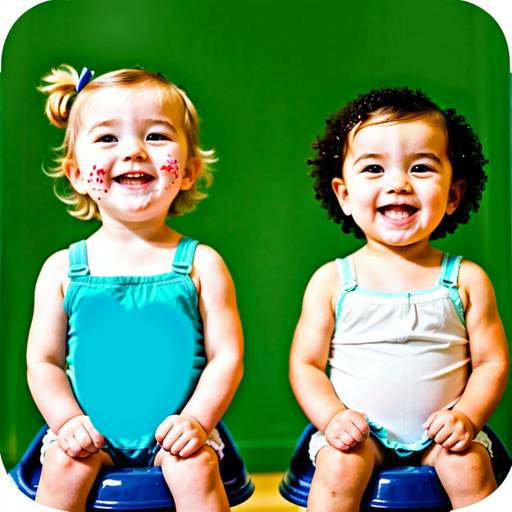
This lesson plan is designed for toddlers aged 2-4 years, focusing on teaching the essential steps of using the toilet independently. The session begins with an engaging discussion about the importance of using the toilet, followed by an interactive story that encourages participation.
Children are introduced to the steps involved in toileting through demonstration using picture cards. They then have the opportunity to create a personalized toilet routine chart, reinforcing the learning process. Role-playing with puppets allows for practical application of the steps in a fun and supportive environment.
The lesson concludes with a collective handwashing activity to emphasize hygiene, and each child receives a sticker for their participation, boosting their confidence and encouraging further practice at home. Caregivers are provided with a guide to continue supporting their child's growth in toilet independence. Overall, the plan fosters self-care skills, hygiene awareness, and a sense of achievement among the children.
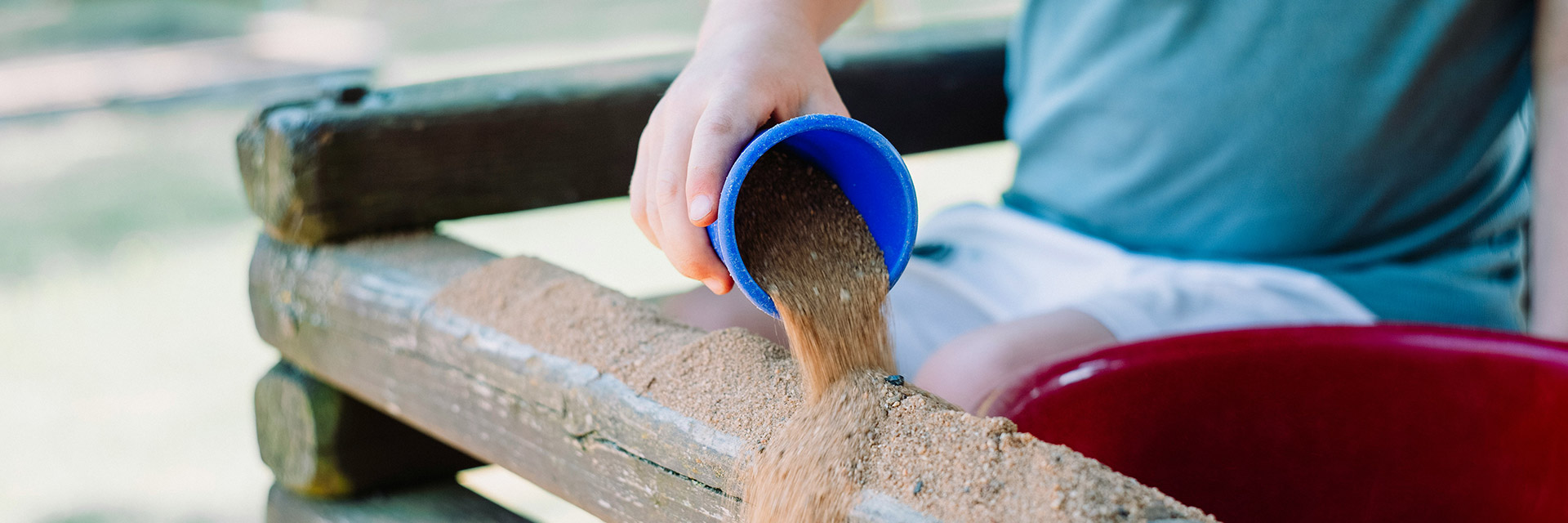
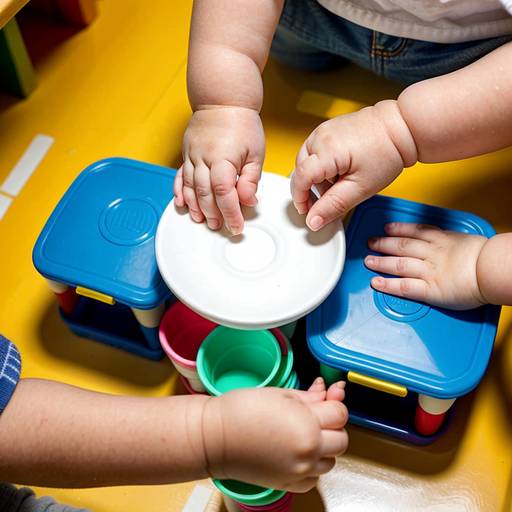
This lesson plan focuses on developing fine motor skills and hand-eye coordination in toddlers aged 2-4 through a series of engaging activities. The session begins with an introduction to hand-eye coordination, followed by a group activity where children stack colorful blocks to create towers, fostering both balance and strength in their hands.
Next, children participate in a sorting activity that involves picking up small objects with tongs and transferring them into designated bins based on color or shape, enhancing their dexterity and sorting skills. The lesson continues with an interactive bouncing ball activity, promoting tracking skills and teamwork as they roll or bounce balls to one another.
To conclude the lesson, children enjoy a fun bubble freeze dance, encouraging them to move, chase, and freeze while incorporating imaginative poses. The session wraps up with a discussion about their experiences and learning outcomes. Throughout, the emphasis is on skill development, engagement, and positive reinforcement, with suggestions for extending practice at home.
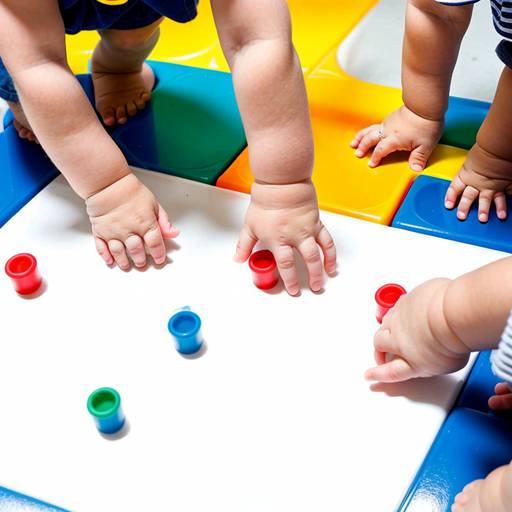
This lesson plan aims to enhance toddlers' fine motor skills, specifically focusing on hand strength and grip through a variety of engaging activities. The session includes five key activities designed to promote muscle development in the hands and fingers.
The first activity features playdough, where children roll, squeeze, and mold the material, encouraging hand strength. Next, they use plastic tweezers to transfer pom-poms between cups, practicing grip and fine motor control. In the third activity, small balls are utilized for tossing and catching to improve hand-eye coordination. The fourth activity involves using clothespins to strengthen finger muscles as children pinch and attach them to various surfaces. Optionally, a water play station with sponges allows children to practice squeezing while exploring sensory experiences.
The session concludes with a group discussion, where children share their favorite activities and reflect on what they learned. Overall, the plan fosters an enjoyable learning environment while supporting the development of crucial fine motor skills.

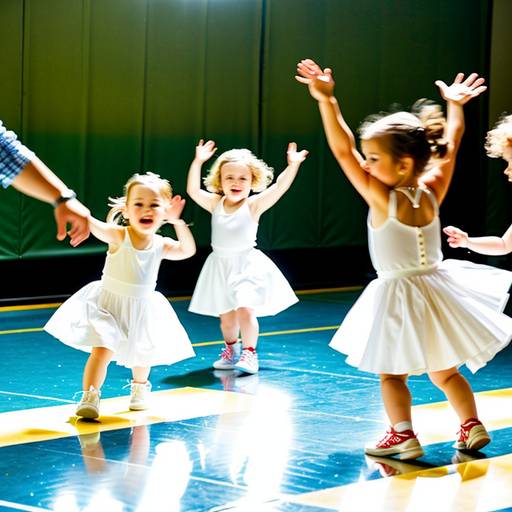
The lesson plan focuses on enhancing toddlers' coordination and gross motor skills through engaging music and movement activities. It begins with a brief introduction, followed by a warm-up that incorporates stretching and animal movements. Children will explore dancing with scarves or ribbons, mimicking each other's actions, and expressing their creativity to upbeat music. Coordination games, such as balancing a beanbag while walking and hopping in and out of hula hoops, further reinforce their skills in a playful manner. A group dance circle encourages teamwork as each child has the opportunity to lead a movement, promoting social interaction. The session concludes with a calming cool-down involving slow stretches and reflection on their favorite activities. Throughout the lesson, children are monitored for participation and skill development, with suggestions for continuing the fun at home. Ultimately, this plan aims to create a joyful and dynamic environment that fosters physical growth and self-expression in young learners.
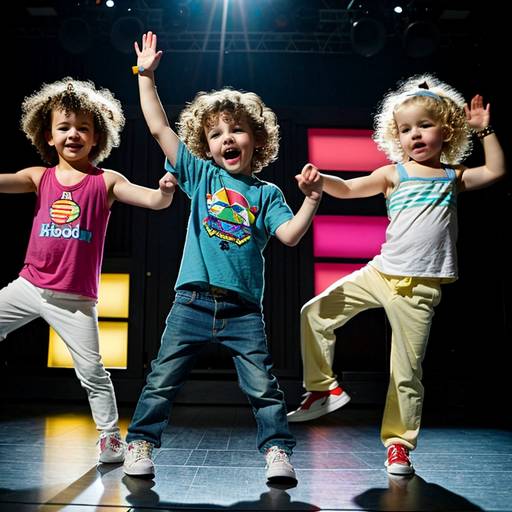
This toddler music and movement lesson plan focuses on developing rhythm and coordination through engaging activities. Over the course of 30-45 minutes, children will participate in various exercises designed to enhance their auditory skills and gross motor development. The session begins with a welcoming song and warm-up activities that encourage clapping and foot stomping to establish a sense of beat.
Participants rotate through three interactive stations: playing percussion instruments, moving with scarves to different tempos, and echoing visual rhythm cards. Following the station activities, a lively freeze dance encourages creative expression and responsiveness to music. The lesson concludes with a calm music segment for relaxation and a group discussion that invites children to share their experiences.
Throughout the lesson, the focus is on encouraging participation and fostering a love for rhythm, with opportunities for parents to incorporate these skills at home.
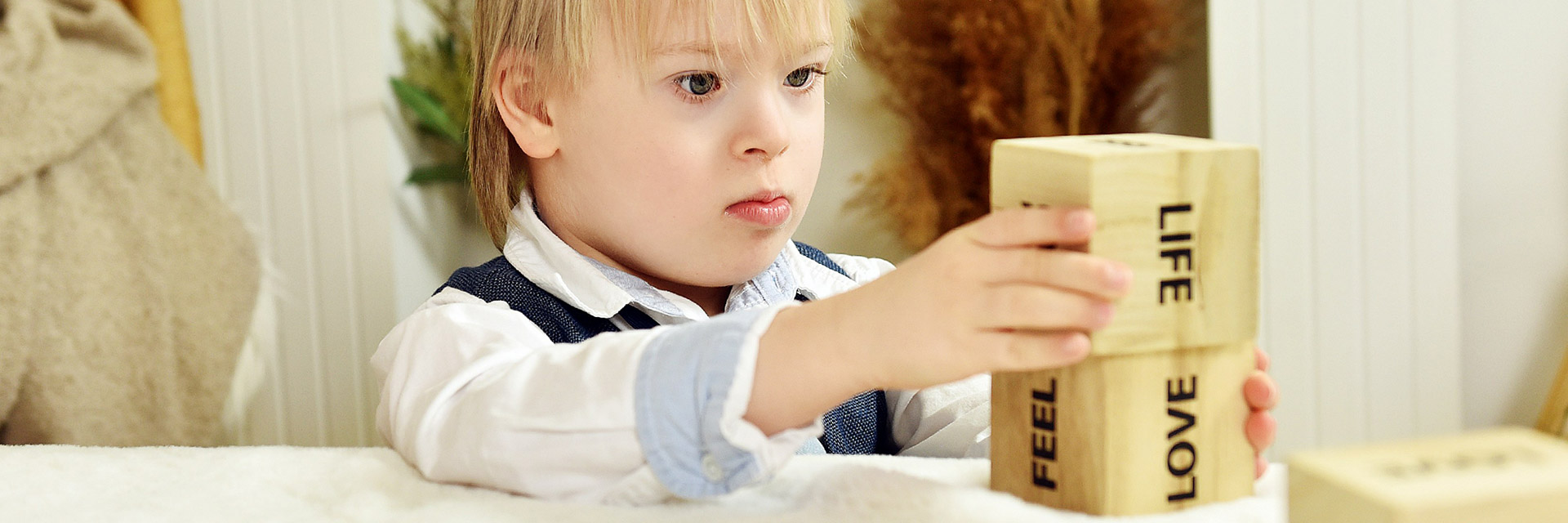
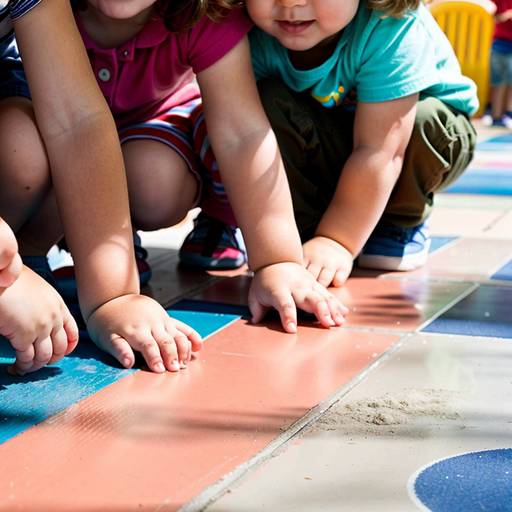
This lesson plan is designed for toddlers, focusing on cultivating social skills related to teamwork through engaging and interactive activities. The session begins with a welcoming circle, where children are introduced to the concept of teamwork and encouraged to share their personal experiences.
Activities include collaborative tasks such as building structures with colorful blocks, assembling a large floor puzzle, and engaging in a ball-toss relay, all of which promote communication, sharing, and problem-solving. Additionally, a creative art project allows children to work together to create a group drawing, reinforcing their ability to cooperate and share materials.
The lesson concludes with a group discussion to reflect on their experiences, celebrating their teamwork through positive reinforcement. Educators are encouraged to observe interactions, provide feedback, and incorporate teamwork activities regularly to enhance social skills in their daily routines.
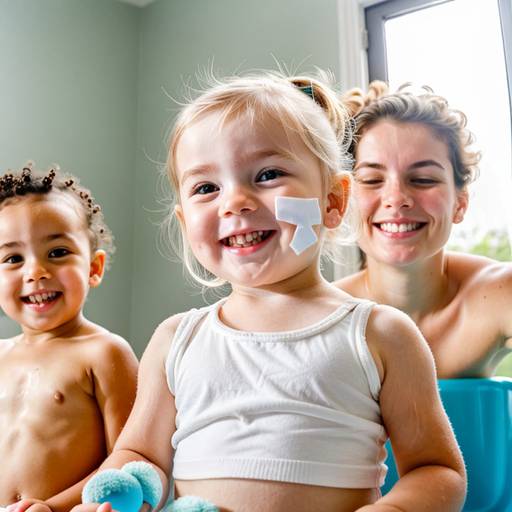
In this engaging lesson plan designed for toddlers, the focus is on teaching the importance of handwashing as a key aspect of self-care and hygiene. The session begins with a circle discussion to spark interest and curiosity about germs and the benefits of clean hands. Through a fun demonstration, children learn the step-by-step process of proper handwashing, including how to wet their hands, apply soap, scrub for at least 20 seconds, rinse, and dry.
As they practice in small groups, adults provide guidance and encouragement, ensuring each child can follow the procedure independently. The lesson is punctuated with songs to make the experience enjoyable and memorable. Towards the end, children reflect on their learning, discussing when and why they should wash their hands, solidifying their understanding of hygiene. An optional follow-up activity encourages continued practice at home, helping to instill healthy habits into their daily routines. Overall, the lesson aims to promote awareness and enthusiasm around hand hygiene in a playful and supportive environment.

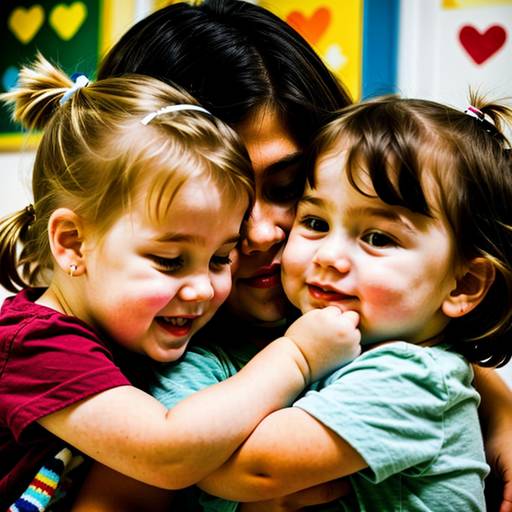
This lesson plan focuses on fostering empathy and understanding in toddlers aged 2-4 through engaging activities that promote emotional awareness. The session begins with a welcome circle, where children are introduced to the concept of empathy and encouraged to express their feelings through song. Using emotion flashcards, children imitate facial expressions and share personal experiences related to each emotion.
A storytime segment allows for exploration of emotions via a large book that includes diverse characters and relatable situations, prompting discussion about feelings and help. The lesson continues with puppet play, where children act out scenarios involving emotions and comforting friends.
In the craft activity, each child creates their own "Emotion Heart," illustrating a time they supported a friend or received help. The lesson wraps up with a reflection session where children share their insights about feelings and the importance of caring for one another. This interactive approach promotes emotional development, empathy, and social skills in a nurturing environment.
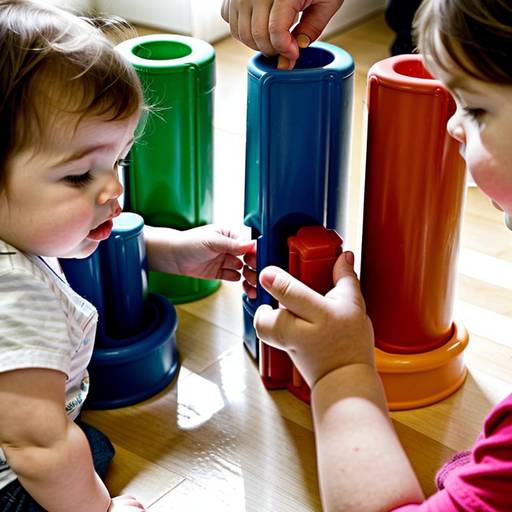
In this engaging lesson plan for toddlers, students will explore the concept of cooperation through interactive activities designed to foster teamwork and sharing. The lesson begins with a circle time discussion where children are introduced to the idea of helping each other. They will then participate in a collaborative building activity using large soft blocks, where they learn to ask for assistance and communicate effectively with their peers.
Following the building exercise, children will engage in parachute play, where they must work together to execute various games, enhancing their sense of collaboration and enjoyment. A storybook about cooperation will be read to the group, prompting discussions about how the characters interact and support one another, further solidifying their understanding of the theme.
The session concludes with a reflection circle where children share their experiences of helping friends during the activities, reinforcing the concept of cooperation. The educator will assess the children's interactions during the activities and reflections to gauge their understanding of cooperation. Additionally, strategies for encouraging cooperative behavior at home can be suggested for parental involvement. The overall aim is to instill the importance of working together in a fun and supportive environment.

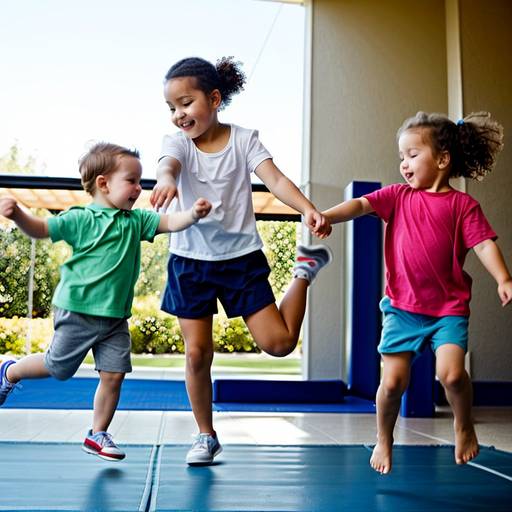
This lesson plan focuses on developing toddlers' gross motor skills through the joyful movement of skipping. Aimed at children ages 2-4, the session begins with an introduction to skipping, including a demonstration to engage the little ones at their level. A lively warm-up involving playful movements prepares them for physical activity.
The guided skipping activity helps children practice the mechanics of skipping in a structured environment, with opportunities to explore different speeds and patterns. A creative movement game, "Animal Skip," fosters imagination as children incorporate animal movements into their skipping.
An obstacle course reinforces the skipping technique while incorporating additional physical challenges, allowing children to navigate through a fun and engaging setup. The lesson concludes with a cool-down period where children can stretch and reflect on their experiences. Throughout the session, observation and encouragement are emphasized to support each child's development and boost their confidence in movement. Safety considerations ensure a secure environment for exploration and play.