
Filters
Level
Grade
Subject
Subject Area
Subject Topic
Standard(s)
Audience
Keyword
DurationMinutes
Toddler Lesson Plans

This lesson plan aims to introduce toddlers to the four seasons through engaging and sensory-rich activities. It begins with a circle time discussion using seasonal photo cards to describe the characteristics and activities associated with each season. The children then participate in hands-on sensory stations, exploring textures like cotton balls for winter, artificial flowers for spring, sand for summer, and dried leaves for autumn. Following the sensory exploration, a short nature walk allows children to observe seasonal changes and find items related to each season using a simple checklist.
Back in the classroom, children engage in a creative art project where they create seasonal collages using various craft supplies, encouraging self-expression and artistic creativity. The session concludes with a closing circle, where children share their artwork and reflect on their favorite seasons. Throughout the lesson, the focus is on fostering observation skills, encouraging creativity, and enhancing children's appreciation for nature's cycles in an interactive and playful environment.

This lesson plan is designed for toddlers aged 2-4 to help them recognize and understand numbers through engaging activities. The session begins with a warm welcome and an introduction to numbers using flashcards, followed by a catchy counting song to capture the children's interest. The first activity involves an interactive matching game where children pair number cards with corresponding counting manipulatives, promoting hands-on learning. Next, kids engage in a creative art project, where they select a number and illustrate it on chart paper using drawings and stickers, fostering their artistic expression alongside numerical skills.
A storytelling segment introduces a counting book, reinforcing the concepts learned while encouraging participation through counting objects in the illustrations. To conclude, a fun movement activity allows children to dance and freeze on specific numbers, integrating physical activity with learning. The session wraps up with a review of the numbers and a farewell song, emphasizing positive reinforcement and engagement throughout the lesson. Educators are encouraged to adapt activities as necessary to fit the children's developmental levels and interests, ensuring a joyful and effective learning experience.
This lesson plan is designed for toddlers aged 2-4 years, focusing on the introduction of basic number operations—addition and subtraction—through playful and engaging activities. The session begins with a fun counting song to capture the children's attention, followed by a warm-up activity involving a large die, where they will roll it and recognize the number of spots.
During the hands-on exploration segment, children work in small groups with colorful manipulatives to practice addition by combining groups of items and counting the total. They then transition to subtraction by removing items from a larger set and counting how many are left, using number cards to visually represent the equations.
An interactive game called "Number Hunt" encourages children to find hidden number cards while reinforcing their recognition skills and matching them with manipulatives. The lesson concludes with a reflection circle, allowing children to share their learning experiences, followed by a sing-along to celebrate their achievements.
Overall, the plan aims to develop counting skills, enhance fine motor abilities, and promote social interaction among peers while introducing foundational concepts of number operations. It includes opportunities for assessment through observation and offers extension activities for further learning at home.
This toddler lesson plan focuses on developing early counting skills through interactive and engaging activities. The session begins with a welcoming circle time where children are introduced to the concept of counting. They engage in hands-on activities using manipulatives like blocks or counting bears, allowing them to practice one-to-one correspondence as they count their items.
Following this, children participate in a number matching activity with number cards, reinforcing their understanding of quantities. The lesson incorporates movement and rhythm through a counting song that encourages participation and action, further solidifying their counting skills in a fun way.
To conclude, children express their creativity by drawing their favorite number and decorating it with items they can count. Throughout the lesson, the focus is on encouraging participation, verbal counting, and fostering a positive attitude toward numbers. The session emphasizes cooperation and language development, laying a solid foundation for future mathematical concepts.

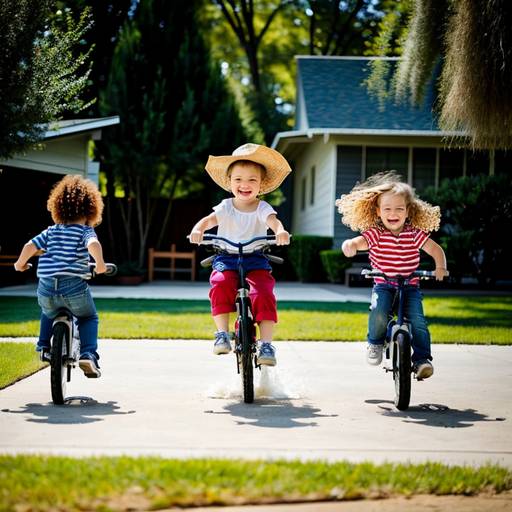
This lesson plan focuses on developing gross motor skills in toddlers through the engaging activity of galloping. It begins with an introduction that captures children's interest by discussing animals that gallop, using visual aids for stimulation. A warm-up session includes fun songs and animal imitations to get them moving and excited.
Children are then guided through basic galloping techniques before participating in structured activities such as a relay race and a musical game, which emphasize balance, coordination, and teamwork. The lesson culminates with a cool-down segment featuring gentle stretches and a reflective discussion that encourages children to share their thoughts on the activity. Overall, this interactive approach fosters movement, creativity, and social interaction while enhancing physical skills.
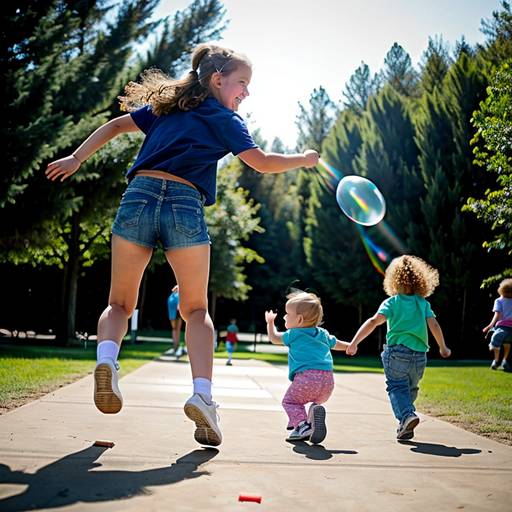
This lesson plan focuses on developing toddlers' gross motor skills through the engaging activity of galloping. Designed for children aged 2-4, the session begins with an introduction to the galloping motion, encouraging children to mimic the movement in place. After a warm-up that combines marching and galloping, students navigate an obstacle course featuring cones, hula hoops, and soft mats to reinforce their galloping technique in a playful environment.
A lively freeze dance game keeps the energy high, where the children gallop around and freeze in motion when the music stops. In a creative play segment, they pretend to be different animals while galloping, further enhancing their imaginative skills. The lesson concludes with gentle cool-down stretches, allowing children to reflect on their experience and express what they enjoyed most. Observations of their movements throughout the class help assess their progress in gross motor skills, while verbal encouragement supports their development. The activities promote not only coordination and balance but also creativity and social interaction.
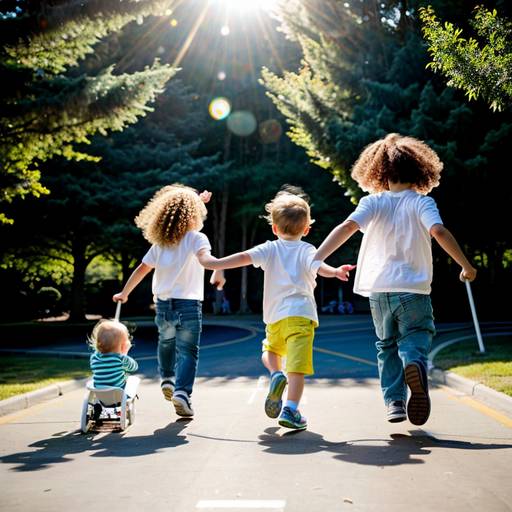
This lesson plan is designed for toddlers aged 2-4 years and focuses on developing gross motor skills through galloping activities. The session lasts for 30 minutes and aims to enhance coordination and balance while engaging children's imagination and creativity.
The lesson begins with an introduction where children discuss galloping and mimic animals that showcase this movement. A warm-up activity invites them to imitate various animals to prepare their bodies for movement. Next, the instructor demonstrates proper galloping technique and facilitates practice sessions around a designated course marked by cones.
To make the activity dynamic, a creative movement game called "gallop and freeze" is introduced, where children gallop to music and freeze when it stops, fostering listening skills and control. The session concludes with a cool-down period that includes gentle stretching and a reflection where children share their experiences.
Optional extensions include providing colorful scarves as reminders of the activity and encouraging children to practice galloping at home. Throughout the lesson, the instructor assesses children's balance and coordination, offering positive reinforcement to create an engaging and supportive environment. Safety is prioritized by ensuring the area is clear of obstacles and adapting activities to meet individual needs.
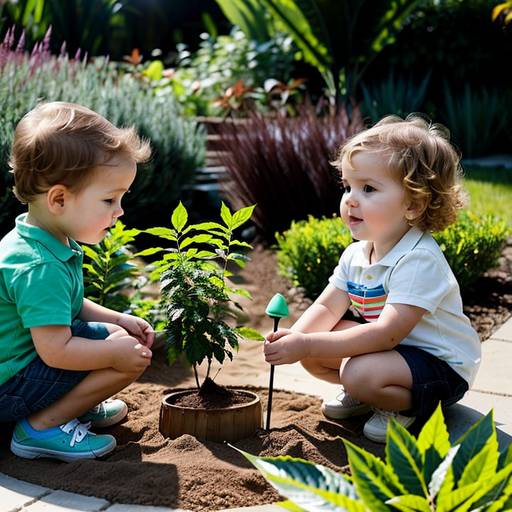
This toddler lesson plan focuses on introducing young learners to the world of gardening through interactive and exploratory activities. Over the course of one hour, children will engage in discussions about how plants grow, enhanced by visual aids featuring various plants and insects. The lesson includes a storytime segment featuring a nature-themed book to spark interest and imagination.
A hands-on gardening activity allows students to plant seeds in small pots filled with soil, reinforcing their understanding of the growth process while they practice caring for their plants by watering them. Following this, an engaging sensory exploration activity provides a hands-on experience where children can touch and examine different natural elements such as pebbles, leaves, and pine cones, using magnifying glasses to investigate textures and details.
To wrap up the lesson, students will express their creativity by drawing their favorite plant or bug, followed by a group discussion to recap what they learned. This comprehensive approach fosters curiosity and a foundational understanding of nature while promoting sensory awareness and hands-on learning through gardening activities.
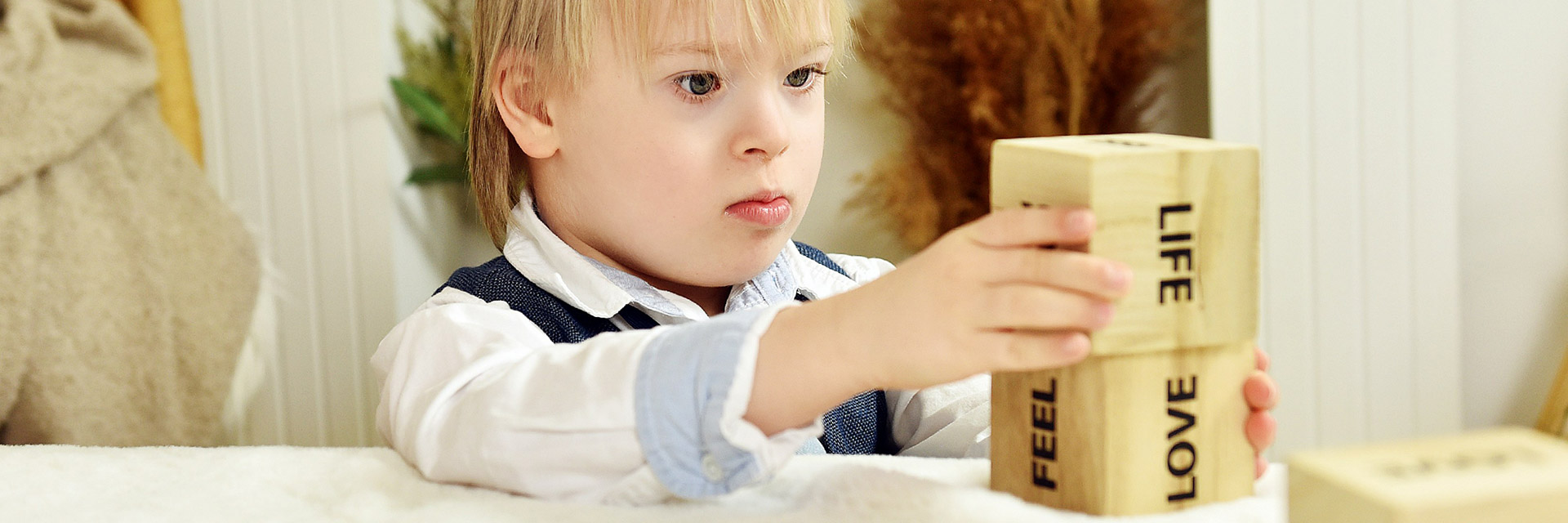
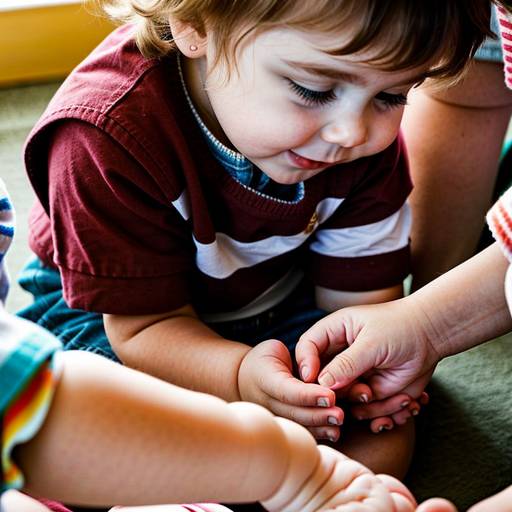
This lesson plan focuses on teaching toddlers the concept of respect through engaging activities that encourage kindness and positive interactions. The session begins with a circle time discussion and a story that illustrates respectful behaviors, followed by a visual chart that depicts actions such as listening and sharing. Children participate in small group activities where they practice taking turns and sharing toys, fostering collaborative play while enhancing their understanding of gentle interactions. A movement game reinforces the importance of patience and courteous communication. An art activity allows children to express their understanding of respect creatively. The lesson concludes with a group discussion where children share their insights and reflect on their learning. Throughout the lesson, the emphasis is placed on creating a compassionate classroom environment, with opportunities for ongoing discussions about respect in their daily lives.
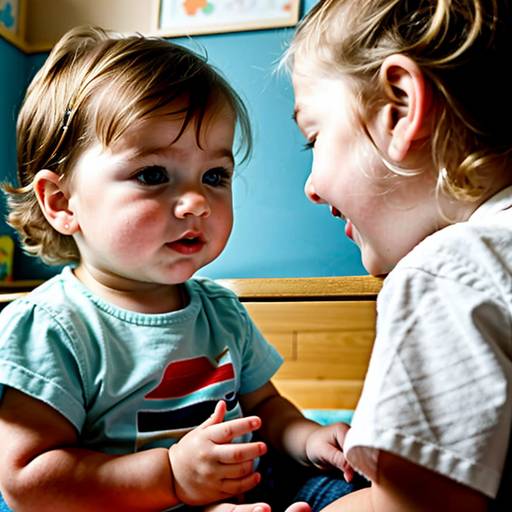
This lesson plan aims to teach toddlers about personal boundaries and the importance of respecting each other's space through engaging activities. The session begins with an introduction to the concept of gentle touch using a soft toy, followed by a story that highlights personal space.
Children participate in a circle activity where they learn to identify and occupy their own space using hula hoops or drawn circles, allowing them to express themselves without intruding on others. A gentle touch game follows, where they practice safe and respectful interactions with peers through designated actions.
The lesson concludes with a group discussion, where children share their thoughts on respecting personal space and how to be good friends. Through observation and participation, educators assess the toddlers' understanding of these key social skills, which can be reinforced in future lessons and at home.