
Filters
Level
Grade
Subject
Subject Area
Subject Topic
Standard(s)
Audience
Keyword
DurationMinutes
Toddler Lesson Plans

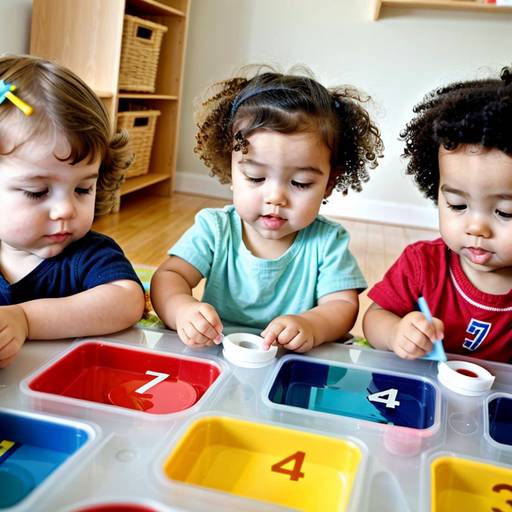
This lesson plan focuses on introducing toddlers to basic number operations—addition and subtraction—through engaging and interactive activities. It begins with a welcome circle where children learn and repeat numbers, followed by a hands-on counting activity using manipulatives. Small groups of children create combinations of blocks, practicing addition. The session includes a story about a monster and cookies to illustrate concepts visually. Children then express their creativity by drawing their favorite numbers and representing them with objects. The lesson concludes with a review discussion and a festive counting song. Throughout the activities, children's engagement and understanding are assessed, and opportunities for further exploration in a designated math corner are provided. The overall aim is to make learning math fun and relatable for young children.


This lesson plan aims to enhance toddlers' understanding and expression of emotions through engaging activities. It begins with an introduction where children are shown colorful emotion cards to help them identify their feelings. A read-aloud session follows, utilizing a storybook that highlights different emotions, encouraging discussion and expression.
Participants then engage in a creative activity where they draw faces depicting their current emotions, fostering emotional vocabulary. The lesson also includes a charades game, where children act out emotions using soft toys, and peers guess the feelings being expressed.
Lastly, a musical segment allows children to dance to various songs that evoke different emotions, with discussions about how the music makes them feel. The session concludes with a group reflection on their drawings and experiences, reinforcing the emotional vocabulary learned. Overall, the plan aims to create a supportive environment where toddlers can comfortably explore and articulate their emotions.


In this engaging lesson plan for toddlers, students are introduced to colors and shapes while exploring the concepts of patterns and sequences. The session begins with a circle time discussion and a story that highlights colors and shapes.
Children engage in hands-on activities, starting with sorting colored paper shapes by their attributes, followed by creating their own patterns on a large poster board using various shapes. Afterward, they string colorful beads to form their unique patterns, encouraging creativity and fine motor skills.
The lesson includes a fun movement activity where children dance and freeze in shapes when the music stops, reinforcing their understanding of shapes and colors in a lively way. The session concludes with a review to revisit what was learned, encouraging verbal expression about their favorite patterns.
Overall, the plan emphasizes cognitive development through interactive participation, creativity, and movement, making learning both enjoyable and effective.

This toddler lesson plan focuses on recognizing and identifying basic shapes, including circles, squares, triangles, and rectangles. The session begins with an interactive introduction using shape flashcards, where children are encouraged to repeat and identify shapes in their surroundings. This is followed by a storytime featuring a shape-themed book, where children participate by identifying shapes in the illustrations.
After the story, hands-on activities include shape sorting toys that allow toddlers to practice grouping shapes, as well as creating collages with various colored construction paper shapes, fostering creativity and discussion about shapes used. A movement game called “Shape Freeze Dance” adds an energetic element, allowing children to express shapes with their bodies.
The lesson concludes with a group review of the shapes learned during the activities, reinforcing comprehension and encouraging children to observe shapes in their environments. As a follow-up, children will receive a simple worksheet to color and label shapes at home with their caregivers, promoting continued learning and engagement. Throughout the activities, educators will assess the children's understanding and language development related to shapes, adapting the lesson as needed to cater to the children's interests and developmental levels.
This lesson focuses on helping toddlers learn to identify and describe basic shapes and their attributes, such as color, size, and number of sides. It begins with an introduction to shapes through flashcards, followed by a storytime featuring a shape-themed book to reinforce recognition skills. Students then engage in interactive stations including shape sorting, creating shapes with playdough, and using a felt board to arrange shapes creatively. The lesson concludes with a craft activity where children draw pictures using various shapes and colors, followed by a group discussion to share their creations. Throughout the lesson, students are assessed on their ability to identify shapes and articulate their attributes. Extension activities include a “Shape Hunt” to find real-world objects and incorporating songs about shapes. Overall, the plan emphasizes hands-on learning and engagement to make the exploration of shapes enjoyable and effective for toddlers.

This lesson plan focuses on introducing toddlers to various types of weather through hands-on activities and creative exploration. The session begins with a circle time discussion, where children engage with picture cards representing sunny, rainy, windy, and snowy weather.
Next, students participate in sensory exploration at different hands-on stations, where they experience the feel of sunshine with scarves, simulate rain with spray bottles, feel wind from a fan, and play with snow-like materials. Following this, they create art by drawing their favorite weather scenes and crafting cotton ball clouds on blue paper.
The lesson also includes a storytime segment featuring a weather-related book, promoting language development and understanding of how weather affects daily life. To conclude, children engage in a fun weather-themed dance, embodying different weather types. Throughout the lesson, the children’s participation and enjoyment are observed to gauge their understanding of the concepts introduced.
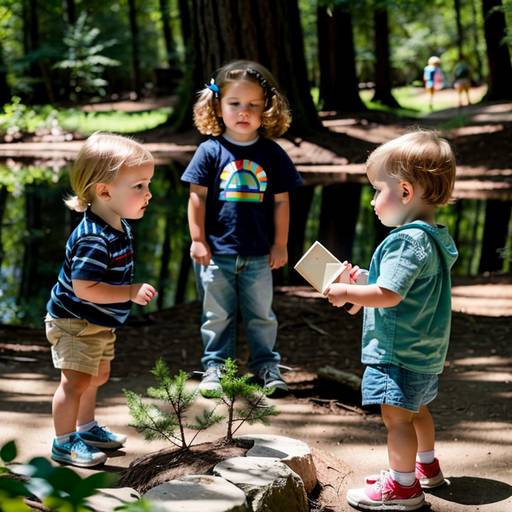
This lesson plan focuses on engaging toddlers in hands-on nature crafts that foster creativity and a love for the natural world. It begins with an interactive discussion about nature and its elements, followed by a nature walk where children collect various natural materials. Back in the classroom, they create unique collages using their findings and additional art supplies. Each child shares their creation with the group, helping to develop communication skills and foster a sense of community. The lesson includes opportunities for assessment based on participation and expression, and offers ideas for family engagement and extensions. Adaptations are suggested to accommodate different skill levels, ensuring an inclusive atmosphere for all learners.
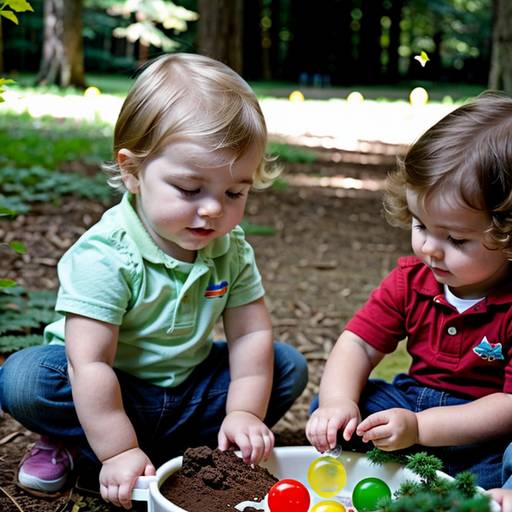
This lesson plan for toddlers focuses on sensory exploration of natural materials, providing a hands-on experience that enhances fine motor skills and vocabulary development. The session begins with an engaging introduction where children are introduced to various natural items, encouraging them to describe their textures, colors, and characteristics.
The main activities include rotating through several sensory play stations featuring a touch-and-feel bin with leaves, pine cones, and rocks; a water play area with safe items for pouring and scooping; a nature rubbing station using crayons and paper; and an observation area with magnifying glasses.
Following the exploration, children gather to share their findings, fostering communication skills. Cleanup involves counting items, making it a fun, integrated math moment. The lesson concludes with a recap of the day's activities and suggestions for further exploration of nature at home. Safety is emphasized throughout, ensuring all materials are non-toxic and monitoring during water play. Overall, this lesson aims to spark curiosity and joy in the natural world.
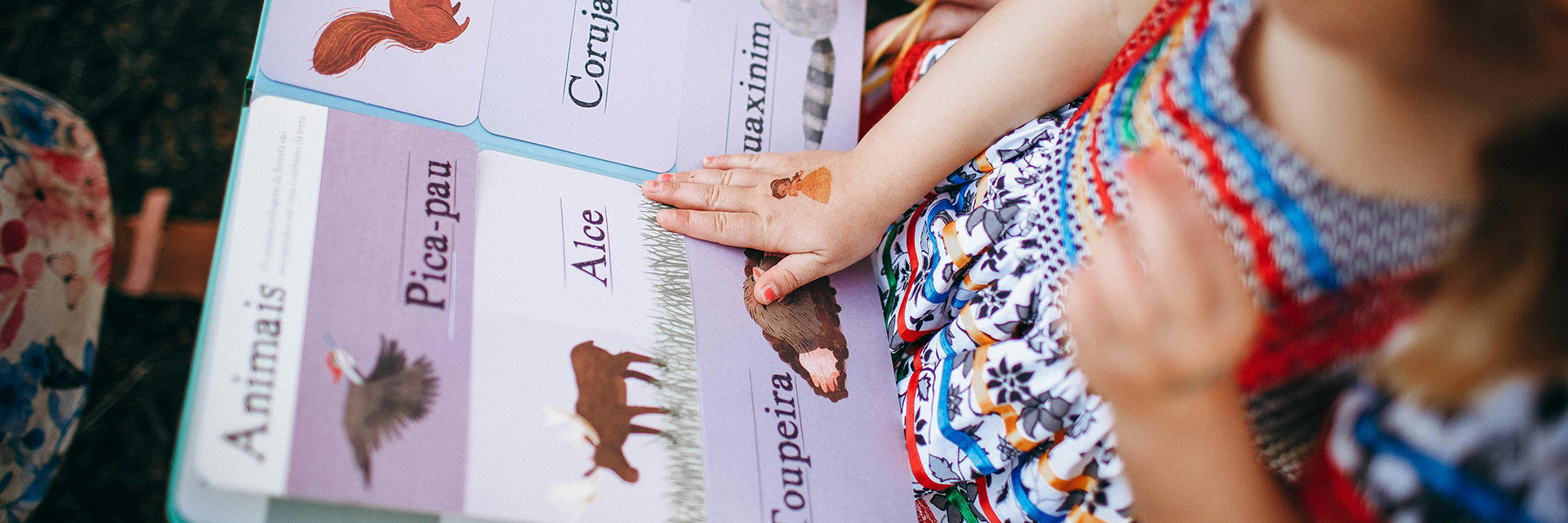
The lesson plan focuses on enhancing toddlers' communication skills through engaging, play-based activities. It begins with a welcoming circle time where children are greeted by a puppet and encouraged to participate. The session includes an interactive storytime featuring a picture book that highlights vocabulary and sound effects, prompting children to respond to questions about the story.
Next, toddlers engage with vocabulary flashcards to reinforce language by identifying and verbalizing familiar objects and actions. A movement and sound activity follows, where they use musical instruments to make sounds while singing and incorporating physical movements that connect verbal language to action.
The lesson continues with a creative expression segment, where children draw their favorite animal or character from the story and share their creations. The session concludes with a closing circle, inviting each child to share a new word they learned and sing a goodbye song.
Throughout the lesson, teachers observe participation and the children’s use of vocabulary, providing positive reinforcement to encourage language exploration. Extensions include creating a "word wall" in the classroom to promote continued language exposure and generating fun word games during snack time. Overall, the lesson aims to create a joyful, supportive environment for toddlers to develop their communication skills.

This lesson plan is designed for toddlers aged 2-4 years, focusing on introducing basic weather concepts through engaging sensory activities and crafts. The session begins with a circle time where children explore picture cards representing different types of weather, allowing them to articulate their observations.
Next, toddlers create DIY weather wheels, decorating them with crayons and stickers to visually represent various weather patterns. This is followed by interactive sensory exploration, where children participate in a rain demonstration using a clear container and a spray bottle, simulating raindrops. They also experience wind using small fans or cardboard pieces, encouraging them to feel the movement and discuss its effects.
A short story related to weather wraps up the interactive portion of the lesson, promoting engagement through sound effects and questions. The session concludes with a reflection circle, inviting children to share their favorite weather types and related activities.
Throughout the lesson, children enhance their understanding of weather through play, creativity, and collaborative discussion, while opportunities for extension involve parents continuing the weather exploration at home and maintaining a weather chart in the classroom for daily observations. Assessment focuses on participation and the ability to identify and express understanding of different weather types.