
Filters
Level
Grade
Subject
Subject Area
Subject Topic
Standard(s)
Audience
Keyword
DurationMinutes
Preschool Art Lesson Plans

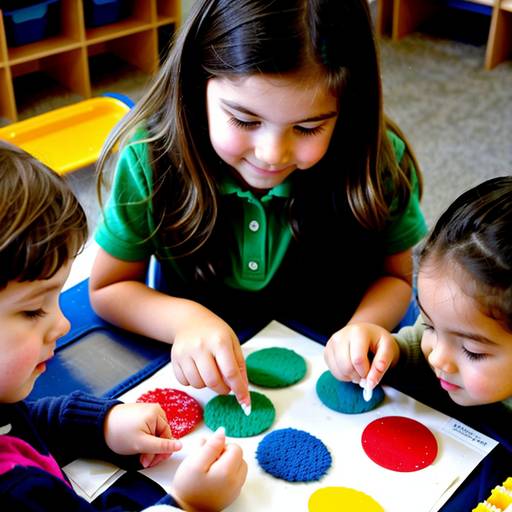
In this preschool art lesson, students will explore and create with various textured materials to enhance their understanding of texture and pattern. The session begins with an introduction to different textures, allowing children to touch and describe the materials provided. Following this exploration, the concept of patterns is discussed, highlighting how they can incorporate different textures.
Students will then engage in a hands-on art activity where they select their favorite materials to create a textured art piece, learning to layer and arrange the items thoughtfully. Once their artworks are complete, a show-and-tell session will allow each child to present their pieces, fostering communication and appreciation among peers. The lesson will conclude with a clean-up activity, encouraging responsibility and teamwork. Through observation and active participation, educators can assess students' grasp of texture and pattern concepts, promoting creativity and tactile engagement in a supportive environment. Extensions may include storytime focused on textures or collaborative group projects.
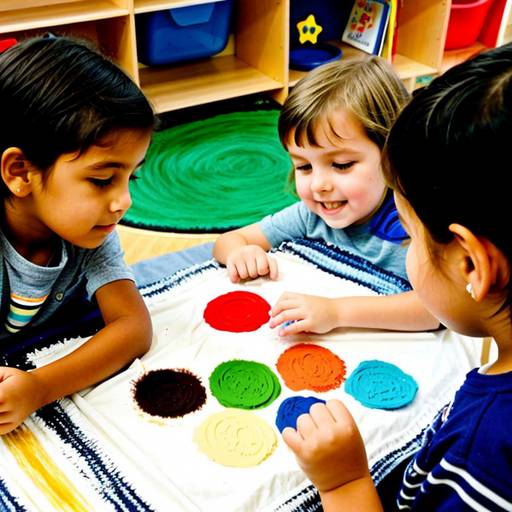
In this preschool art lesson, students will explore a variety of textured materials to develop their fine motor skills and creativity. The session begins with a group discussion about textures, encouraging students to describe and identify different sensations. Following this, they will engage in hands-on exploration of the materials, promoting sensory awareness and conversation.
Students will then create their own textured collages using cardstock and the various materials they have gathered. As they work on their collages, they will practice cutting and gluing while expressing their artistic ideas. Once the collages are completed, each child will share their artwork with the class, highlighting the textures used and the inspiration behind their creations. The lesson concludes with a clean-up activity, fostering teamwork, and responsible behavior. Extensions and assessments focus on further exploration of textures and observation of student engagement and expression throughout the lesson.
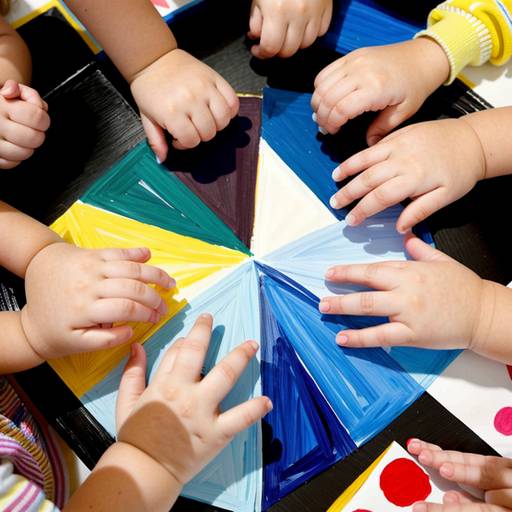
In this preschool art lesson, students will engage in a hands-on exploration of textures and patterns through interactive activities. The lesson begins with a sensory introduction where children will feel and describe various textured materials, enhancing their awareness of tactile experiences. Following this, students will participate in texture exploration stations, working in small groups to rotate through different materials, fostering collaboration and discussion.
In the next phase, children will create their own art pieces by gluing selected textured materials onto construction paper, allowing them to experiment with layering and design. As they work, they will have the opportunity to express their creativity and apply their observations from the texture exploration.
The lesson concludes with a sharing session where students present their artwork, fostering communication skills and reflections on their experiences with textures and patterns. Throughout the lesson, children will develop fine motor skills, enhance sensory awareness, and gain confidence in artistic expression.
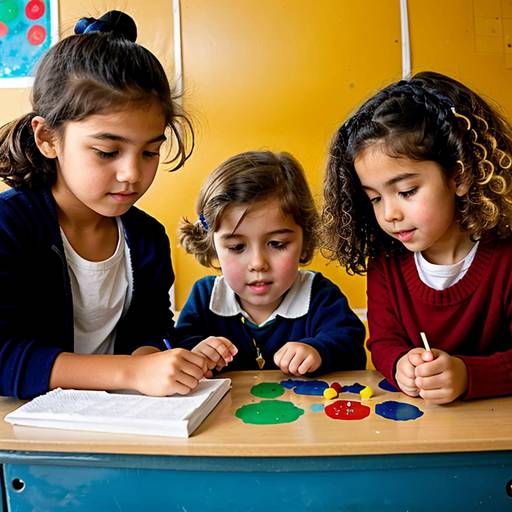
In this preschool art lesson, students will explore mixed media by creating unique collages using a variety of materials. The session begins with a brief introduction to textures and colors, followed by a demonstration on arranging materials and using glue. Children will then have the opportunity to express their creativity by selecting different types of paper, fabric, and natural materials to construct their collages. As they work, they will receive support and encouragement, fostering their fine motor skills and artistic expression. After completing their artwork, students will participate in a sharing session where they can showcase their creations and discuss their choices. The lesson emphasizes individual creativity and the joy of artistic expression while allowing for a hands-on exploration of diverse materials. Finally, children will assist in cleaning up, promoting responsibility for their workspace. The lesson can be extended by incorporating storytelling or seasonal themes in future art projects.
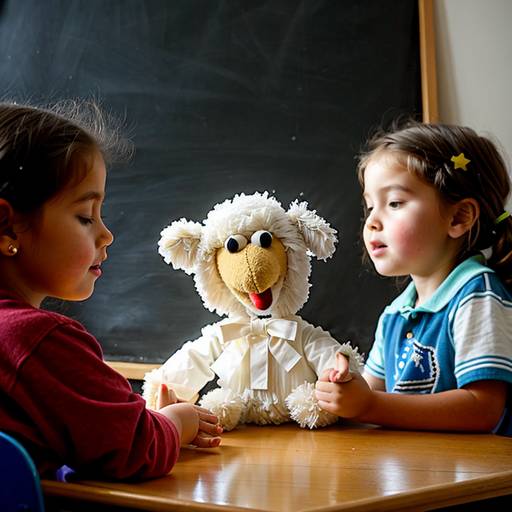
In this preschool art lesson, students will explore storytelling and drama concepts through the medium of puppetry. The session begins with a read-aloud of a children's book to inspire discussions about characters and emotions. Following this, students will create their own puppets using various art materials, allowing for creativity and self-expression. Working in small groups, they will craft simple stories featuring their puppets, focusing on interaction and emotional expression. Finally, each group will perform their puppet shows using a designated puppet stage, fostering collaboration and confidence. The lesson will conclude with a reflection on the activities, highlighting what the students enjoyed most and encouraging them to continue exploring puppetry at home. Throughout the lesson, the emphasis will be on creativity, teamwork, and the joy of storytelling.
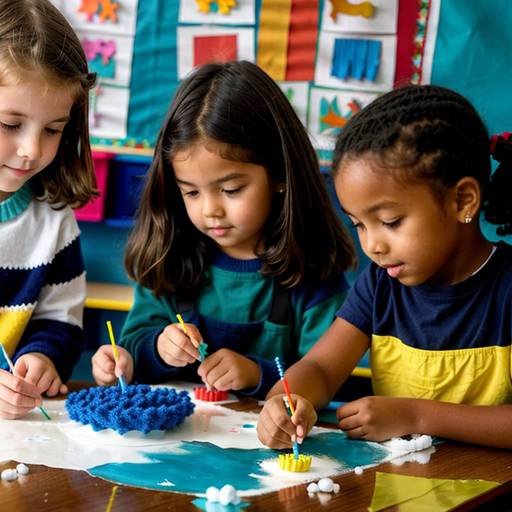
This preschool art lesson focuses on creating crafts inspired by ocean life, allowing children to explore their creativity while learning about sea creatures and the environment. The lesson begins with a circle discussion about the ocean and its inhabitants, followed by hands-on crafting where children make various sea-themed projects using construction paper, paper plates, and decorative materials. The activities emphasize fine motor skills through cutting, gluing, and decorating. After completing their crafts, children share their creations with the group, fostering communication and self-expression. The lesson concludes with a reflection on what they learned, reinforcing the importance of ocean environments. Adaptations and extensions are provided to support diverse learning needs and further exploration of the theme.
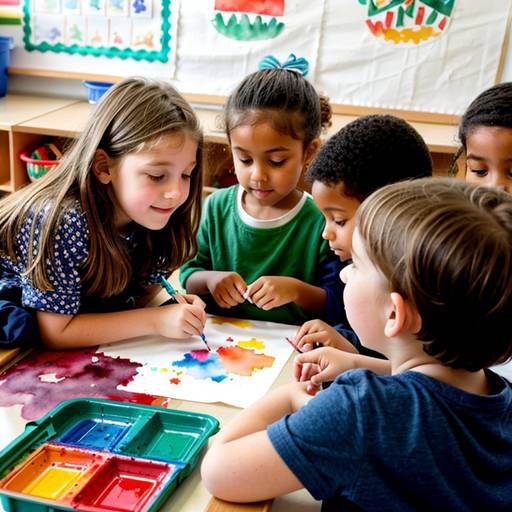
In this preschool art lesson, students will explore watercolor painting by learning about color mixing, brush techniques, and self-expression through creative art-making. The session begins with an introduction to watercolor materials, followed by a demonstration on how to properly use brushes and mix colors. After practicing on scrap paper, students will create their own watercolor masterpieces, using their imagination to express their unique ideas. The lesson concludes with a clean-up session and a reflection period, where students share their artwork with the group. The lesson emphasizes creativity, experimentation, and positive reinforcement, providing adaptations for varying skill levels and offering extension activities to showcase their work.
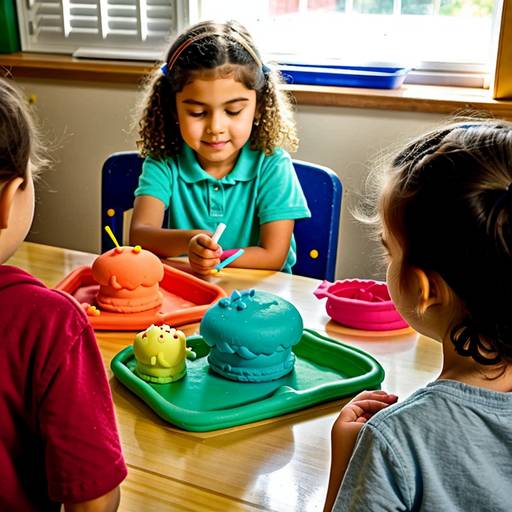
In this preschool art lesson plan, children aged 3 to 5 will engage in creating three-dimensional animal sculptures using playdough. The session begins with an interactive discussion about sculptures and their unique characteristics, followed by drawing their favorite animals to inspire their creations. A demonstration highlights fundamental techniques for manipulating playdough, such as rolling and molding.
During the main activity, children will use their imagination and fine motor skills to craft their own unique animal figures, with guidance and support provided as needed. Once their sculptures are complete, students will present their creations to the group, sharing inspiration and details about their designs. The lesson concludes with a group reflection and cleanup, promoting responsibility among the children. The plan also includes suggestions for extending the activity, such as creating a display gallery for parents and incorporating storytime to further enrich the learning experience. Throughout the lesson, emphasis is placed on creativity, engagement, and the development of artistic skills.
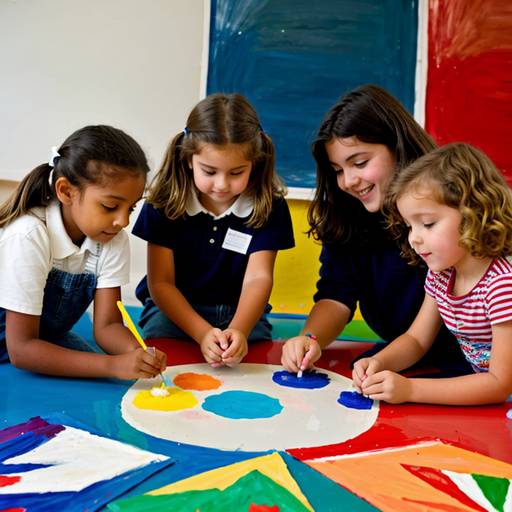
In this preschool art exploration lesson, students will engage in hands-on activities that promote creativity and understanding of colors and shapes. The lesson begins with an introduction to various colors and shapes, encouraging children to identify and discuss them. They will then participate in a color mixing activity using watercolor paints, where they will experiment with blending colors and creating new hues on paper. Following this, students will use crayons and colored construction paper to trace, cut out, and decorate geometric shapes, assembling these into a collaborative collage.
Throughout the activities, children will be encouraged to express themselves, share their creations, and reflect on their artistic choices, fostering both verbal communication and fine motor skills. The lesson concludes with a group discussion about their experiences, reinforcing their learning and appreciation for art. Cleanup procedures will also be included to instill responsibility and organization. Overall, this lesson aims to cultivate an environment of creativity and self-expression while providing practical experience with art techniques.