
Filters
Level
Grade
Subject
Subject Area
Subject Topic
Standard(s)
Audience
Keyword
DurationMinutes
Preschool Art Lesson Plans

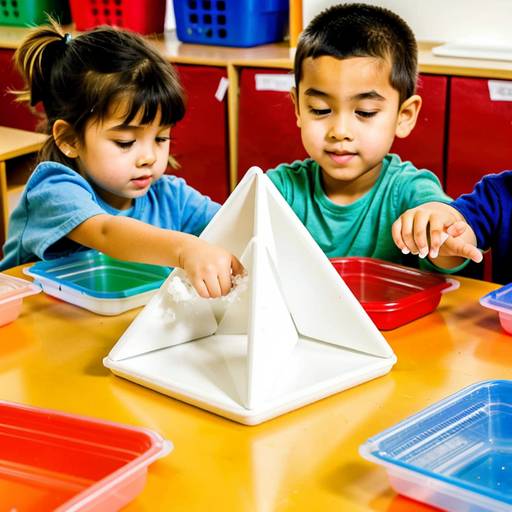
In this preschool art lesson, students are introduced to the concept of sculpture as a three-dimensional art form. The session begins with an engaging discussion about various sculptures, utilizing visual aids to spark interest. Children explore a variety of materials, including air-dry clay, recyclable items, and natural elements, encouraging tactile engagement and creativity. They then create their own sculptures, either individually or in pairs, allowing them to experiment with different shapes and textures. After completing their artworks, students share their sculptures with the class, discussing their materials and creative processes, fostering a supportive environment for feedback. If time permits, students may also decorate their sculptures with paints. The lesson concludes with a clean-up and optional extension activities, promoting teamwork and further artistic exploration. This hands-on experience enhances fine motor skills, creativity, and collaboration among young learners.
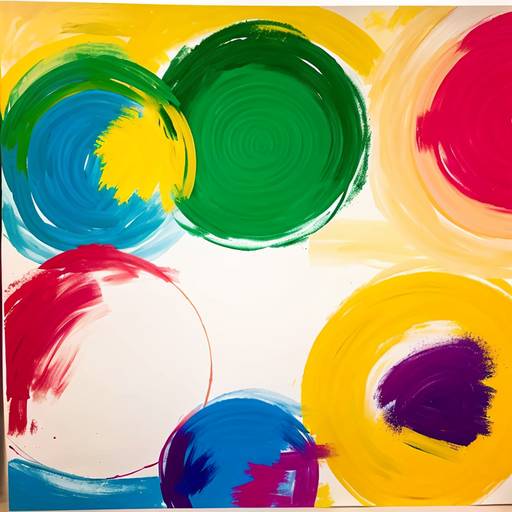
This preschool art lesson focuses on introducing young children to the concepts of color mixing and abstract painting. The session begins with a discussion about rainbows and their colors, demonstrating how primary colors can be mixed to create secondary colors. Children then engage in a hands-on exploration by mixing paints and creating their own abstract artwork on large sheets of paper or canvas. Throughout the activity, they are encouraged to express their feelings and imaginations without the pressure of specific guidelines. The lesson emphasizes creativity, self-expression, and the development of fine motor skills. Following the painting session, children participate in clean-up activities and share their artwork with peers, promoting a sense of community and validation of their individual expressions. The lesson can be extended with additional creative activities and a gallery display for parents, enhancing engagement and appreciation for their artistic creations.
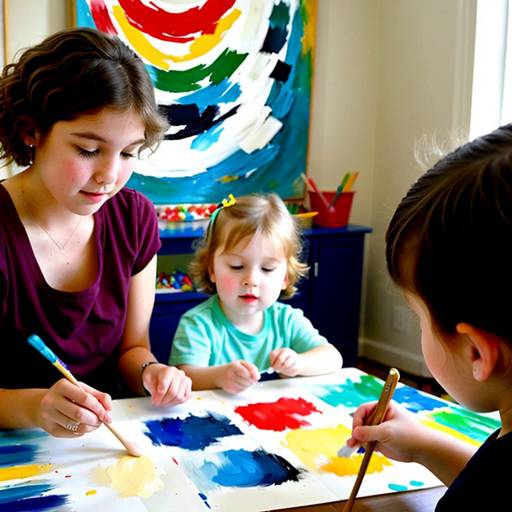
In this preschool art lesson, children engage in an interactive exploration of the relationship between dance and visual art. The session begins with a discussion about dance and a demonstration of simple movements, encouraging children to express themselves physically. After a dynamic warm-up set to lively music, they transition to a hands-on painting activity where they create artwork inspired by their movements. Using watercolor paints, they are guided to connect colors and strokes with the feelings and expressions associated with their dance. The lesson concludes with a gallery walk, allowing children to share their paintings and reflect on their experiences. This engaging activity promotes creativity, emotional expression, and an understanding of how movement can influence artistic creation. Furthermore, opportunities for extension activities encourage ongoing exploration of dance and art in the classroom environment.
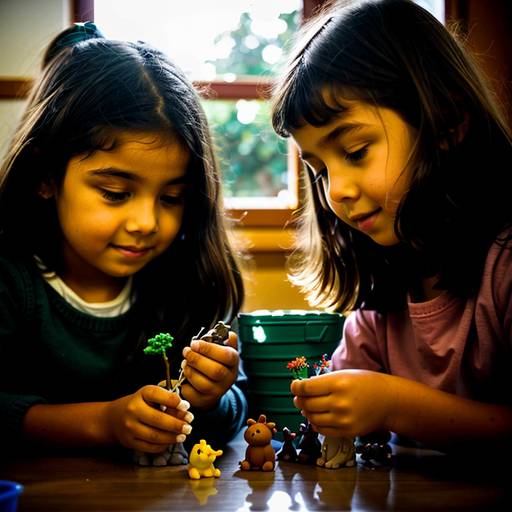
This preschool art lesson encourages young children to explore the concept of sculpture through hands-on clay modeling. The session begins with an introduction to what sculpture is, followed by a demonstration on how to create simple animal shapes using air-dry or self-hardening clay and various natural materials. Children are provided with clay and tools to mold their own animal sculptures, promoting creativity and fine motor skills. Throughout the activity, they are encouraged to incorporate natural items like leaves and twigs to enhance their creations. After sculpting, a cleanup period allows for discussion and sharing, where each child presents their animal and the materials used. The lesson can be extended with a follow-up session for painting the dried sculptures. Overall, this lesson fosters artistic expression, cooperation, and an appreciation for three-dimensional art.
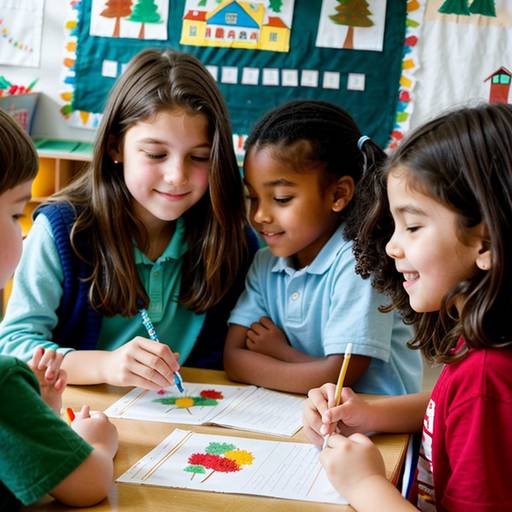
In this preschool art lesson, children will explore the concept of seasons and their changes in nature through a hands-on art project. The session begins with a discussion about the four seasons, focusing on the distinctive colors and textures associated with each. Following the introduction, students will engage in a nature walk to collect natural materials, such as leaves and twigs, which they will later incorporate into their artwork.
Back in the classroom, each child will create a collage representing their chosen season using the collected items and various art supplies. They will have the opportunity to paint and express their creativity while discussing the seasonal elements in their compositions.
As the session concludes, students will share their collages with the class, explaining their artistic choices and how these relate to the seasons. The lesson wraps up with a fun, interactive song that highlights the seasons, fostering participation and reinforcing what they learned. Throughout the activity, the children will develop their understanding of nature, colors, and textures while enhancing their creative skills.
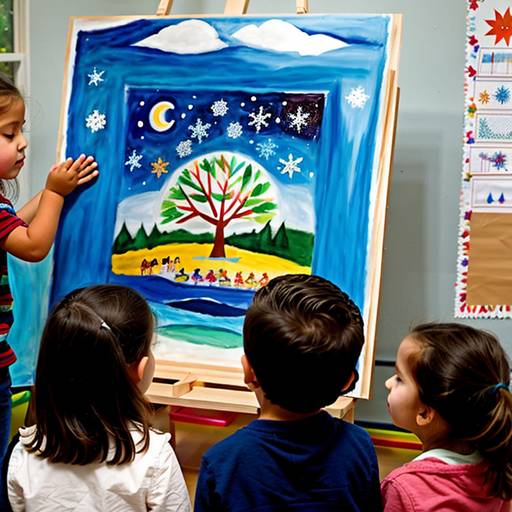
In this preschool art lesson, children will engage in a creative exploration of nature and the changing seasons. The lesson begins with an introduction to the four seasons, supported by visual aids and a seasonal storybook to pique their interest. After a brief discussion, students venture outside for a nature walk, where they collect safe and natural materials that represent their experiences of the current season.
Back in the classroom, each child creates a seasonal collage using the items they've gathered, enhancing their artwork with crayons and watercolor paints. The activity fosters fine motor skills and encourages imaginative expression. Once the artwork is complete, students share their creations with the group, discussing the materials used and the season they represent. The lesson concludes with a clean-up activity, promoting teamwork and responsibility. Overall, this lesson helps children connect with nature, express their creativity, and develop social skills through sharing and reflecting on their work. Extension activities, such as creating an art display, reinforce the themes introduced during the lesson.
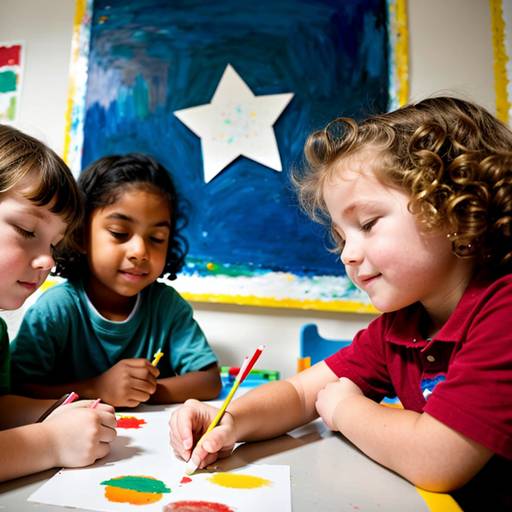
In this preschool art lesson, children will explore the concepts of texture and patterns through hands-on activities. The session begins with a brief introduction to texture, prompting students to describe various materials by touch. Following this, they engage in a texture scavenger hunt around the classroom, where they collect and identify different textured items. After regrouping to discuss their findings, the children create individual art pieces by gluing selected textured materials onto construction paper, incorporating patterns as they work. They will then decorate their artworks with stamps and drawings. The lesson concludes with a sharing session, where each child presents their creation and reflects on the textures and patterns they used. This interactive experience not only fosters creativity but also develops sensory awareness and appreciation for visual arts.
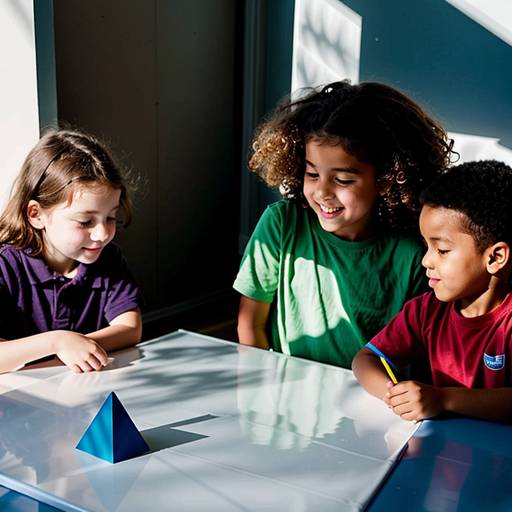
In this preschool art lesson, students will explore the concepts of shapes and shadows through hands-on activities that encourage creativity and critical thinking. The session begins with a discussion on shapes and shadows, allowing children to share their observations and experiences. They will then engage in an activity where they create unique shape cutouts using colored materials, promoting fine motor skills and artistic expression.
Following the creation of their shapes, students will experiment with light sources to observe how their shapes cast different shadows, fostering an understanding of light, dark contrasts, and spatial relationships. The group will reconvene to share their creations and reflections, discussing the changes they observed in their shadow art. An optional storytelling activity using shadow puppets will further enhance their imaginative skills and encourage collaboration.
Throughout the session, teachers will assess student engagement and understanding through observations and discussions. Extensions and adaptations are provided to cater to different learning needs and to further enhance the students’ exploration of shadows in future activities.
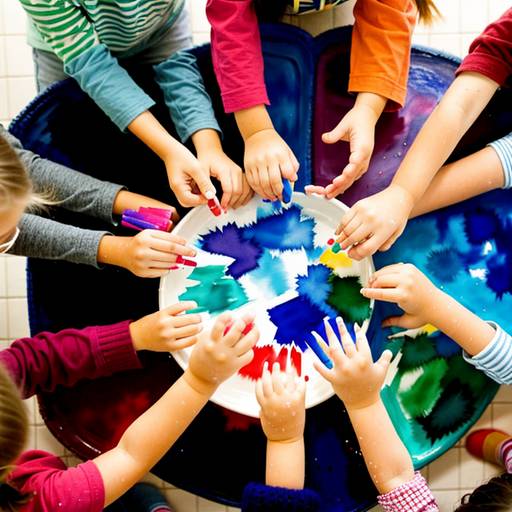
In this preschool art lesson, students will engage in an exploration of watercolors to create their own abstract paintings. The lesson aims to encourage creativity and self-expression through painting techniques such as wet-on-wet and wet-on-dry application, as well as using the salt technique for added texture. The session begins with a demonstration to familiarize students with the materials and methods, followed by a hands-on painting experience where they can experiment with color blending and layering. Afterward, students will have the opportunity to share their artwork with peers, discussing their color choices and experiences. The lesson concludes with a group cleanup and the possibility of displaying their creations. This activity not only fosters artistic skills but also promotes fine motor development and collaborative sharing among young learners.
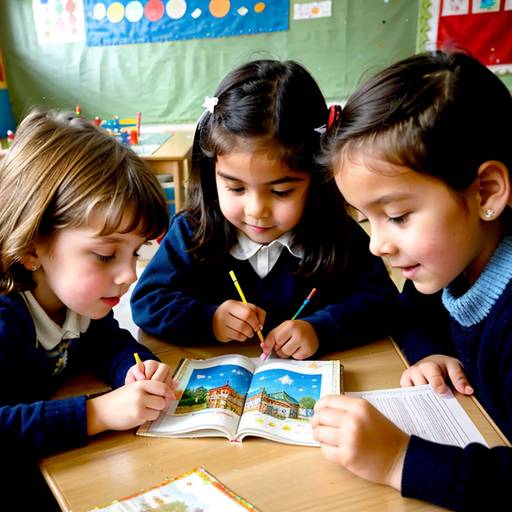
This lesson plan is designed for preschoolers, aiming to integrate art and literacy by exploring storytelling through engaging activities. It begins with a group reading of a selected storybook, stimulating imagination and encouraging discussion about characters and events. Following the reading, children are introduced to an art project where they illustrate their favorite scenes or create their own story continuations using various materials, such as crayons, watercolors, and fabric scraps.
Throughout the art creation process, the teacher circulates to provide guidance and foster conversation about the children’s choices and artistic expressions. After completing their illustrations, students gather in a circle to share their artwork and thoughts, promoting social interaction and communication skills. The lesson wraps up with a group song or a brief discussion about the importance of storytelling and art.
Assessment focuses on participation, creativity, and the ability to express ideas, while extensions encourage ongoing literacy and artistic exploration. This approach effectively integrates multiple curriculum areas—literacy, art, and social skills—while allowing children to develop fine motor abilities and boost their imagination.