
Filters
Level
Grade
Subject
Subject Area
Subject Topic
Standard(s)
Audience
Keyword
DurationMinutes
Preschool Art Lesson Plans


In this preschool lesson plan, students will engage in a creative exploration of global cultures through literature and visual arts. The session begins with a circle time discussion about the meaning of culture, followed by the reading of picture books from various cultural backgrounds, such as African folktales and Japanese stories. After the readings, students participate in a discussion about the artistic elements associated with these cultures.
Next, children are encouraged to choose a culture that resonates with them and create a small piece of art reflecting that culture's symbols, colors, or patterns using crayons, colored paper, and magazines. Once their individual artworks are complete, the students collaborate to assemble these pieces into a larger mural, highlighting their understanding of cultural expression through art.
The lesson concludes with a reflection on their artistic journey and an emphasis on the significance of storytelling through visual arts. The plan also includes ideas for extending the lesson, such as a family "Art Day" and the integration of cultural music, fostering a deeper appreciation for the diversity of artistic expression. Assessment will be based on student engagement, creativity, and personal reflections.

In this preschool art lesson, students will explore the connection between colors and emotions through painting. The session begins with a discussion about various emotions and the colors that represent them, using visual aids to facilitate understanding. After this introduction, children will engage in a painting activity where they select an emotion and corresponding colors to express their feelings creatively on paper. Throughout the process, they will be encouraged to experiment with colors and possibly add shapes or patterns that relate to their chosen emotion.
As the art activity concludes, students will participate in a gallery walk to display their work, allowing them to appreciate each other's creations. The session wraps up with a group sharing where each child can explain their artwork and the emotion it represents. This lesson aims to foster creativity, emotional expression, and confidence in sharing artistic work, while also encouraging positive feedback among peers. Extensions of the lesson may include compiling a class book of the artworks and explanations or creating an emotion wall for ongoing artistic expression. Evaluation will focus on student engagement during the activity and their ability to articulate their artistic choices during the reflective sharing.

In this preschool lesson plan, children engage in a collaborative dramatic play activity centered around a magical adventure in a forest. The session begins with an introduction to the theme, where children brainstorm various characters and creatures they can portray, enhancing their creativity and communication skills.
Participants rotate through different play stations, including a costume corner, adventure station with props, treasure hideout, and animal play area, allowing for imaginative role-playing and interactions. After the playtime, children reconvene to share their experiences and story elements, fostering language development and social interaction. The lesson concludes with a reflection on their favorite moments from the adventure, and an optional art extension invites them to draw their interpretations of the experience. The overall objective is to promote creative expression, teamwork, and confidence in storytelling through dramatic play.
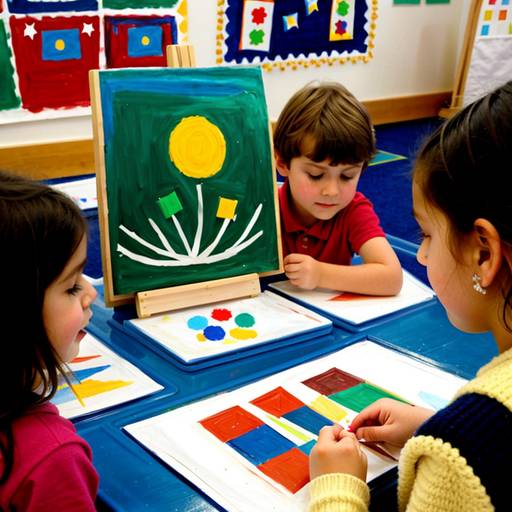
This preschool art lesson focuses on introducing young learners to global cultures through creative expression. The session begins with an engaging discussion about different countries, using a globe or map as a reference. A picture book featuring traditional art from a specific culture is read aloud, sparking curiosity and encouraging children to observe and think critically about the artwork.
The lesson features three interactive art stations, each highlighting a culture: one for creating African masks using paper plates and fabric scraps, another for folding simple origami shapes inspired by Asian art, and a third for designing patterns with stamps and crayons inspired by Indigenous art. After completing individual projects, children contribute to a collaborative "World Art Quilt," bringing together their creations to reflect a patchwork of global artistic expression.
At the end of the session, children gather in a circle to share their artworks, discussing the cultural inspirations behind their pieces. This activity fosters communication skills and a sense of community while celebrating diversity in art. Throughout the lesson, educators assess children's engagement and understanding, providing support and adaptations as needed to ensure an inclusive learning environment.
In this preschool visual arts lesson, children will engage in creative expression by designing their own colorful paper mosaics. The session begins with a group discussion about colors and patterns, followed by a demonstration on how to cut construction paper into shapes and glue them onto a poster board to form their unique artworks. Children will have 15 minutes to explore their creativity, focusing on individual choices of colors and arrangements.
Afterward, participants will reconvene to share their creations, fostering communication and reflection on their artistic process. The lesson concludes with a clean-up activity, reinforcing responsibility and teamwork. To further extend the learning experience, children may create a mosaic project at home representing their families and share their stories in future sessions. Throughout the lesson, emphasis is placed on developing fine motor skills, imaginative thinking, and appreciation for individual creativity.
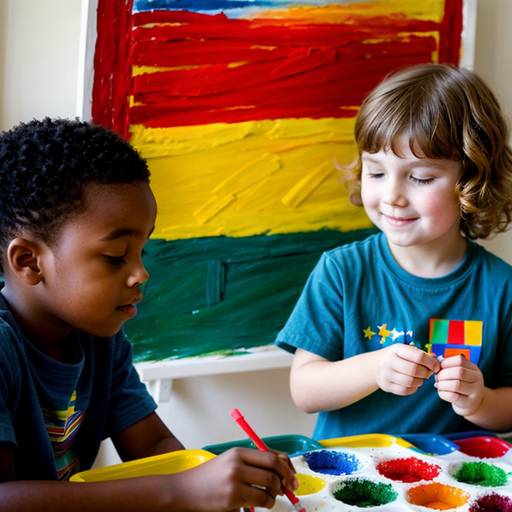
The lesson focuses on teaching preschoolers the concepts of drama and self-expression through the creation of colorful characters. It begins with a group discussion about character traits and appearances to spark imagination. Students then draw their unique characters using various art supplies, reflecting different personalities through color. Next, they transform their drawings into puppets using craft materials, enhancing their creations with decorative elements. Each child is encouraged to perform a short scene or story with their puppet, fostering collaboration and communication skills. The lesson concludes with a sharing circle, where students describe their characters and reflect on their experiences. This creative activity not only nurtures artistic abilities but also promotes teamwork and builds confidence in public speaking.
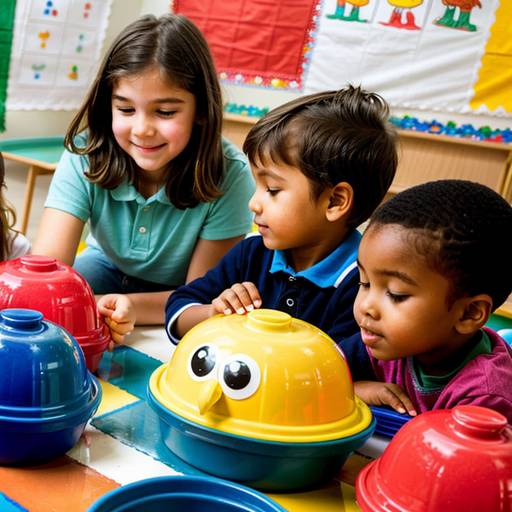
In this preschool art lesson, students will engage in a creative exploration of colors and shapes through a series of interactive activities designed to enhance their understanding and expression. The session begins with a group circle where children will identify various colors and shapes using visual aids. Following this, they will embark on a brief exploratory walk around the classroom or outdoor setting to notice real-world examples of shapes and colors, stimulating their observational skills.
Upon returning, students will participate in an art activity where they will create their own representations of animals or objects using construction paper, stencils, scissors, and drawing materials. The focus will be on using at least two different shapes and three colors, allowing them to express their creativity and understanding of the concepts.
The lesson culminates in a collaborative mural where each child will contribute their artwork, promoting teamwork and communication by explaining their creations to their peers. To conclude, the group will reflect on their learning experience and engage in a fun song about colors and shapes, reinforcing their knowledge through music and movement. Throughout the lesson, assessment will focus on engagement, creativity, and verbal reflection, with opportunities for future extensions such as story time or display of their collaborative work.
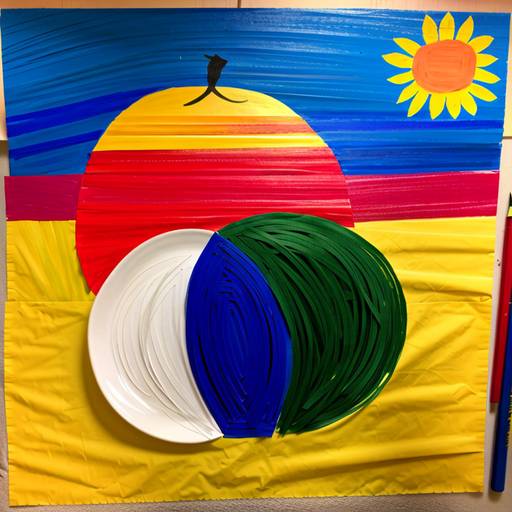
In this 60-minute preschool art lesson, students will engage in drawing activities focused on exploring elements from nature. They will begin by discussing colors and shapes found in natural items through picture books and guided observations. After a group nature walk to collect inspiration, children will learn to draw simple representations of what they observed, such as trees or flowers, using crayons and colored pencils. During the creative drawing time, students will have the opportunity to express their interpretations while receiving encouragement and support from the teacher. They will then share their artwork with peers, promoting confidence and a sense of community. The lesson concludes with a clean-up activity and a brief reflection on their experiences. Assessments will focus on engagement, creativity, and ability to communicate their ideas. The plan includes options for extending the lesson through art displays or follow-up activities that deepen their connection with art and nature.
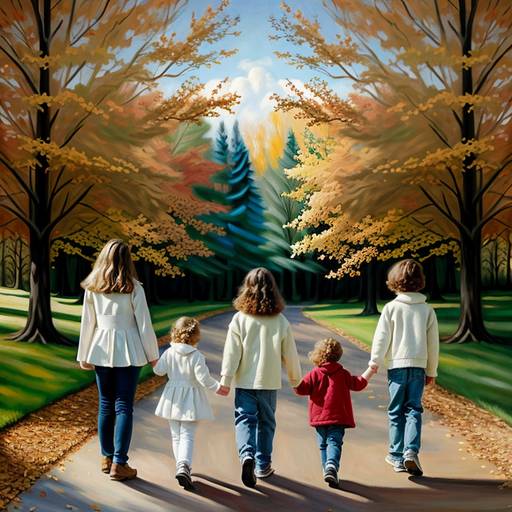
In this preschool art lesson, children will explore the colors and textures of nature related to the four seasons. The session begins with a group discussion about seasonal attributes, utilizing visual aids and real examples to stimulate engagement. Students will then embark on an outdoor or window-side exploration, gathering natural materials that represent the seasons. Using magnifying glasses, they will observe and discuss these items' colors and textures.
Back in the classroom, each child will select a construction paper color reflecting their favorite season and create artwork by painting the natural materials or crafting collages. Following the art creation, a 'show and tell' session will allow students to present their pieces, describe their seasonal choices, and the materials used. The lesson concludes with reflecting on the role of nature and seasonal changes in art. The artworks will be displayed around the classroom, celebrating the children's creativity and their connections to the natural world. Extensions include a storybook reading about seasons and the introduction of a sensory bin for further exploration. The lesson focuses on fostering artistic expression, engagement with nature, and the development of observational skills.
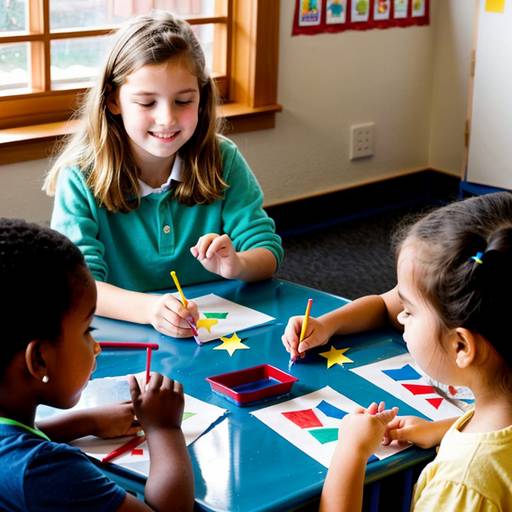
In this engaging preschool art lesson, students will explore basic geometric shapes and their creative applications through a collaborative mural project. The session begins with an introduction to various shapes, using visuals like flashcards to prompt discussion about shapes found in their surroundings. A demonstration follows, where children learn how to safely cut and glue shapes made from colorful construction paper.
During the main activity, students will create their own shapes and collaboratively arrange and decorate them on a large butcher paper mural. This process encourages teamwork, creativity, and fine motor skills as they work together to design the mural.
The lesson concludes with a group discussion about their creations, allowing students to reflect on their artistic choices and the importance of shapes in both art and everyday life. The activity will also include a cleanup phase, fostering responsibility in maintaining a tidy workspace. Potential extensions include a storytime session about shapes to reinforce the concepts learned during the lesson. Overall, this plan promotes hands-on learning in a fun, interactive setting.