
Filters
Level
Grade
Subject
Subject Area
Subject Topic
Standard(s)
Audience
Keyword
DurationMinutes
Preschool Art Lesson Plans

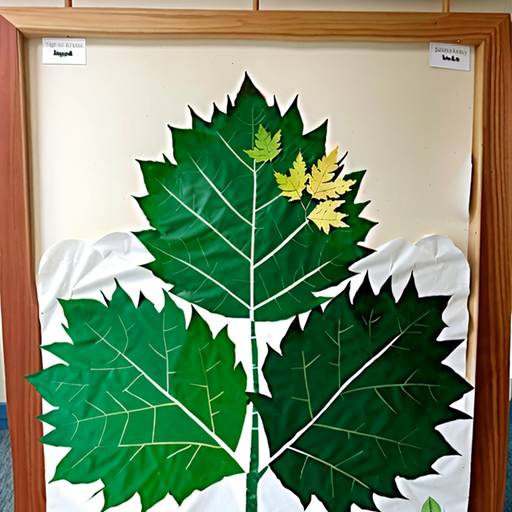
In this preschool art lesson, children will explore the textures and colors of nature by creating leaf prints using paint and paper. The activity begins with a discussion about different types of leaves, during which students will learn about their shapes, sizes, and colors. After a demonstration of the printing process, each child will select leaves, paint them, and press them onto paper to make unique prints. The lesson emphasizes creativity and self-expression, allowing children to experiment with colors and different leaf patterns.
As they work, students will engage in conversations about their creations, enhancing their communication skills. Following the hands-on activity, children will clean up their workspaces and share their thoughts on the experience, reinforcing reflection and social interaction. The lesson concludes with a display of the artworks, promoting a sense of pride and accomplishment. Extensions to the lesson can include discussions about types of trees and plants, reading related literature, and incorporating movement activities related to leaves. Overall, this lesson fosters a connection to nature while encouraging artistic expression and fine motor development.
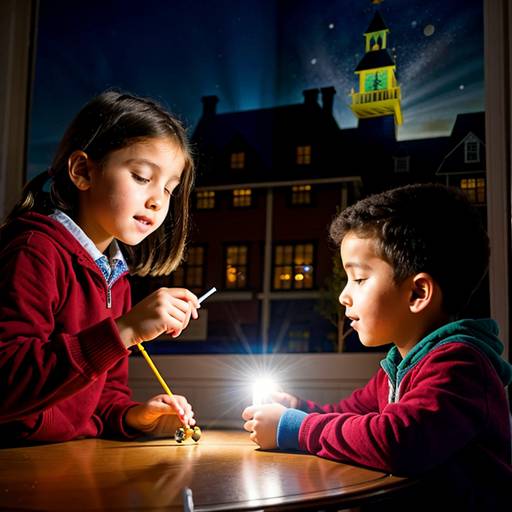
In this preschool lesson, children will engage in dramatic play centered around a marketplace theme, encouraging creativity and social interaction. The activity begins with a discussion about marketplaces, allowing children to share their experiences and ideas. They will then help set up various stations for different products, such as groceries, clothing, and toys, while exploring the roles of shopkeepers and customers.
During the main role-playing activity, children will don costumes and use play money to simulate buying and selling items, promoting communication and polite interactions. Following the role play, the group will reflect on their experiences, sharing their favorite aspects and what they learned about commerce.
To further enhance their creative expression, children will create their own store signs or shopping lists, reinforcing their understanding of the activity. Overall, the lesson emphasizes imaginative play, social skills, and the basics of buying and selling goods in a fun, engaging environment.
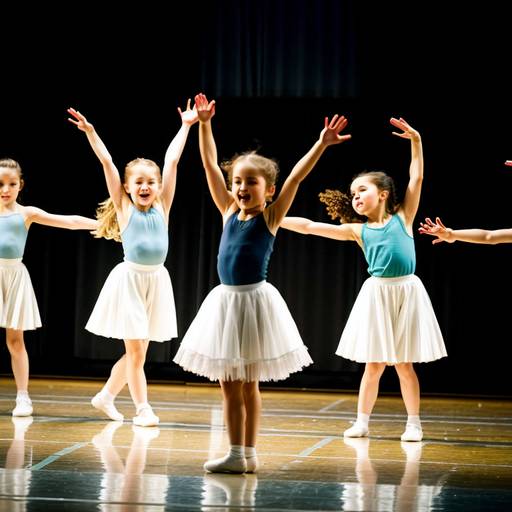
In this engaging preschool lesson, students will explore the connection between dance and emotional expression through movement and collaborative art creation. The session begins with a discussion on emotions, followed by a warm-up dance where children use scarves or ribbons to freely express themselves. As they transition to a slower, emotive piece of music, students will improvise their movements, reflecting on how different feelings manifest in their bodies. After experiencing their dance, the children will create a large collective artwork inspired by their movements, using paints and various tools to express their emotions visually. The lesson concludes with a sharing session where each child discusses their artwork and its connection to their dance experience, fostering a sense of teamwork and self-expression. Cleanup involves washing hands and tidying the painting area, and the collaborative piece will be displayed in the classroom. Extension activities can include themed dance sessions and a showcase for parents, combining creativity, physical activity, and emotional awareness in a comprehensive learning experience.
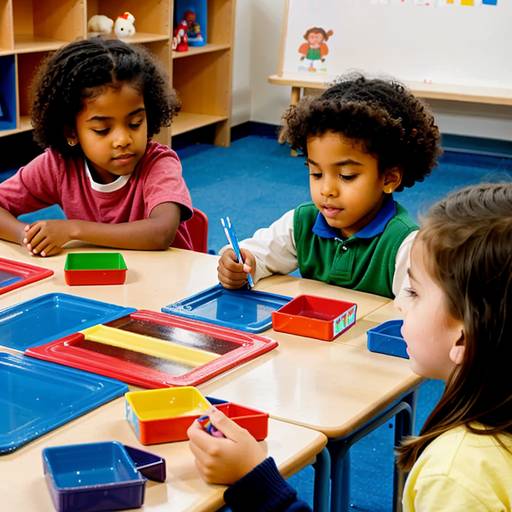
In this Preschool Art lesson, children will engage in a creative crafting activity focused on exploring various textures and shapes. Starting with a circle time discussion, students will learn about textures, such as soft and rough, and the different shapes they can use in their artwork. Following a demonstration on cutting and gluing techniques, children will have the opportunity to create their own collages using colorful construction paper and an assortment of textured materials, such as fabric scraps and magazine cutouts.
As they work on their collages, they will develop fine motor skills and learn to layer materials for visual and tactile contrast. The lesson will conclude with a sharing session where each child presents their artwork, encouraging self-expression and teamwork. Cleanup will be a collaborative effort, reinforcing responsibility and respect for shared spaces. Overall, this activity will promote creativity, dexterity, and an appreciation for diversity through artistic exploration.
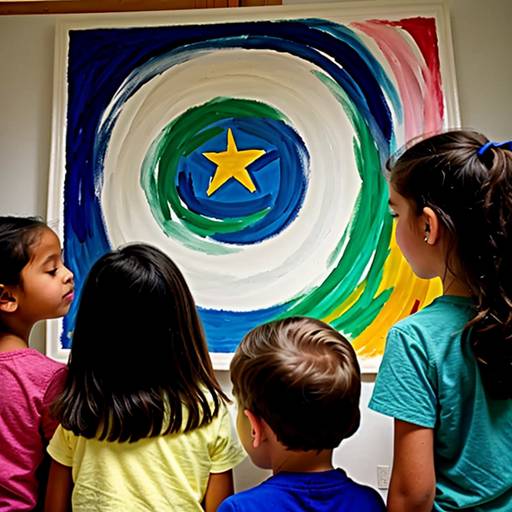
In this preschool art lesson, children will explore the exciting world of colors and color blending. The session begins with an engaging discussion about primary colors—red, blue, and yellow—and how they combine to create secondary colors. After a demonstration on mixing colors, students will participate in a guided painting activity, where they will use paintbrushes to create their own artwork on watercolor paper. They will be encouraged to experiment with mixing colors to discover new shades and express their creativity.
Following individual exploration time, the class will regroup for a reflection session, allowing each child to share their artwork and the colors they used. This will foster discussion about their creative processes and feelings related to their art. The lesson will conclude with a clean-up session and a closing circle where children are thanked for their participation and encouraged to observe colors in their everyday surroundings. Overall, the lesson promotes creativity, fine motor skills, and an appreciation for color in a fun, collaborative environment.
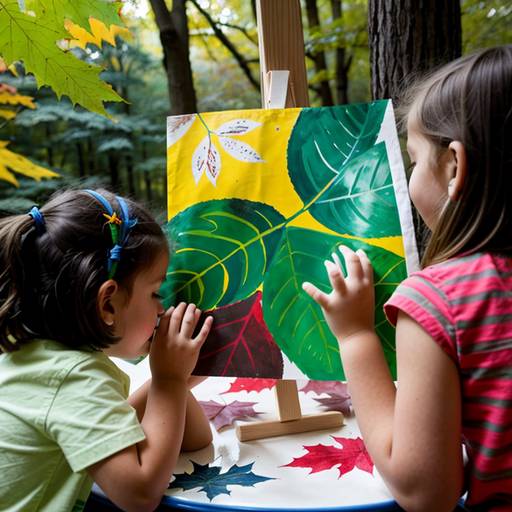
This 45-minute art lesson for preschoolers focuses on exploring the beauty of nature through leaf printing. Children will engage in a discussion about leaves, their colors, and where they can be found, using visual aids like nature books to enhance understanding. After a demonstration on how to paint leaves and create prints, students will participate in a hands-on activity where they will paint and print various leaves on large sheets of construction paper. The lesson encourages creativity and experimentation with colors and shapes while developing fine motor skills. Following the art activity, students will assist in clean-up and have the opportunity to share their creations with peers, fostering communication and a sense of community. The lesson may also include an extension activity involving a nature walk to collect leaves for future projects, further connecting the art experience to the outdoors.
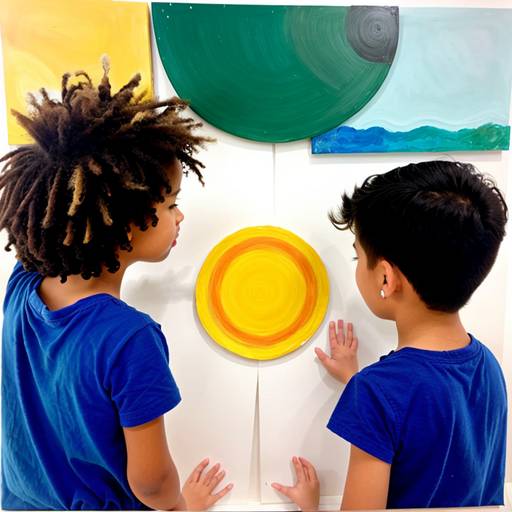
In this preschool art lesson plan, students will dive into the world of mixed media by creating nature-inspired artworks. The activity begins with a discussion about mixed media and an optional nature walk to collect natural materials. Each child will paint a colorful background on canvas or cardstock, and once dry, they will explore their creativity by gluing the gathered natural items onto their artwork. Additionally, they will use markers or crayons to add personal touches. The lesson emphasizes sensory exploration, fine motor skills, and self-expression, culminating in a gallery walk where children can share their creations with peers. Cleanup and reflection are integrated into the session, reinforcing a collaborative and interactive learning environment. Assessments will focus on engagement and creativity, allowing educators to observe children’s development through artistic expression.
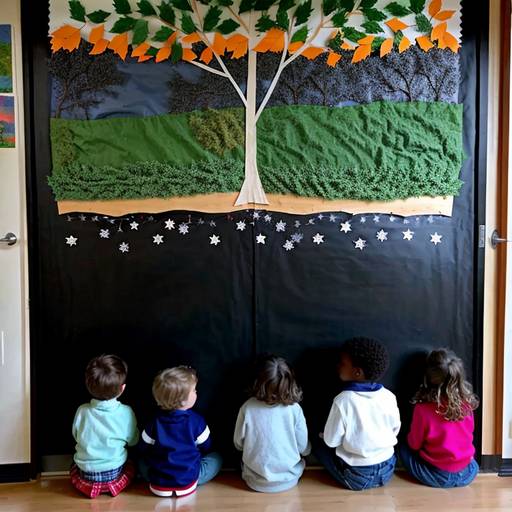
In this preschool art lesson, children will explore the themes of nature and the seasons through visual arts. The session begins with a brief discussion about the four seasons, encouraging students to share their observations and feelings related to each season. After an engaging story or poem highlighting seasonal elements, students will be divided into groups, each focusing on a specific season. Using construction paper and natural materials relevant to their assigned season, they will collaboratively create seasonal representations. Following this group activity, each child will have the chance to create their individual artwork inspired by their favorite season, utilizing various art supplies such as watercolors, crayons, and markers. At the end of the session, students will share their creations with the group, reflecting on their inspirations and experiences throughout the lesson. The session concludes with a clean-up, fostering a sense of responsibility for their learning environment. Assessment will focus on collaboration, creativity, and engagement during discussions and activities, rather than artistic skill. Possible extensions include nature walks for collecting materials and integrating scientific discussions about seasonal changes in the environment.
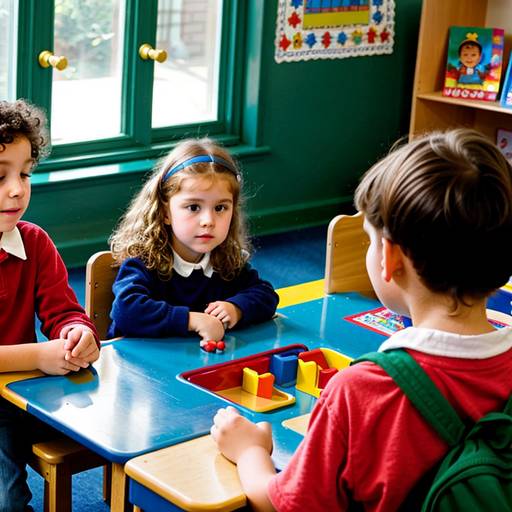
In this preschool lesson, children will engage in a creative and interactive experience focused on dramatic play and storytelling. The session begins with the group coming together to share their favorite stories, leading to a collective decision on which story to act out. Students will then select costumes and props related to the chosen narrative, assigning roles to each participant, such as beloved characters.
The heart of the lesson involves the children acting out the story in a dedicated play area, where they can immerse themselves in their characters and explore imaginative scenarios. Throughout the activity, the teacher will provide support and encouragement, prompting further creativity and interaction among the students. Afterward, the children will regroup for a discussion to reflect on their experiences, discussing challenges and highlights from their play.
To extend the activity, students will create storyboards by drawing their favorite scenes or inventing new stories inspired by their dramatic play experience. The lesson concludes with a wrap-up session, highlighting the importance of storytelling and creativity in their play. Throughout the lesson, the focus is on enhancing communication, cooperation, and imaginative skills within a fun and engaging environment.
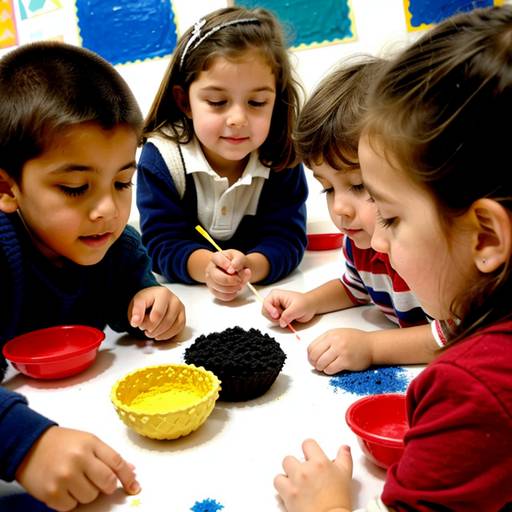
In this preschool art lesson, students will explore the concepts of texture and patterns through hands-on activities that enhance their sensory awareness and fine motor skills. The lesson begins with an interactive introduction where children examine various texture boards and discuss their findings. They will then engage in a creative activity, using art supplies such as paints, sponges, and textured objects to make their own unique artworks that incorporate different textures and patterns.
After the creative phase, students will participate in a clean-up session while reflecting on their experiences and sharing their artwork with peers. Throughout the lesson, educators will encourage descriptive language and inspire exploration, helping children develop an understanding of how texture and patterns are present in the world around them and in artistic expression. Additionally, there are opportunities for extensions, such as sensory play and movement games, to deepen the learning experience.