
Filters
Level
Grade
Subject
Subject Area
Subject Topic
Standard(s)
Audience
Keyword
DurationMinutes
Elementary School Lesson Plans

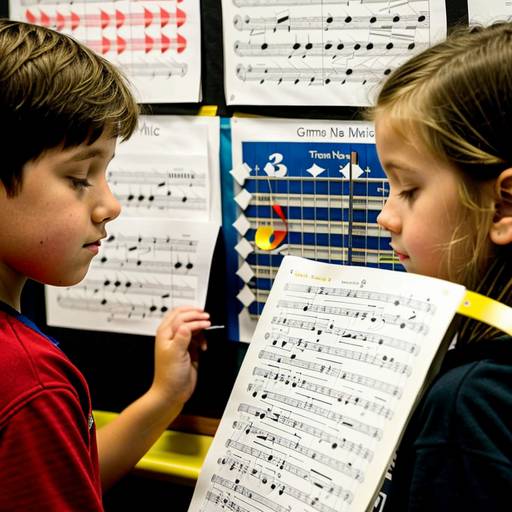
This music lesson for 4th-grade students focuses on introducing and reinforcing the identification of notes on the treble clef staff through engaging activities. The lesson begins with a warm-up game where students connect familiar songs to musical notes, prompting a discussion on the importance of notes in music.
Students are then introduced to the names of the notes in the treble clef and helpful mnemonics to memorize them. Visual aids, including a drawn treble clef on the whiteboard and possibly educational videos, further support this instruction.
The class engages in a guided practice where students complete worksheets identifying notes, followed by an interactive group game that encourages teamwork and quick thinking as they identify notes using flashcards. The lesson concludes with a review and an exit ticket activity to assess understanding. Optional extension activities are provided for students seeking additional practice, ensuring a comprehensive learning experience that fosters both individual and collaborative mastery of music theory concepts.

In this 1st grade social studies lesson, students will engage with the concepts of geography and maps by exploring basic map elements and creating their own treasure maps. The lesson begins with an interactive discussion about maps, where students share their knowledge and experiences. Using a large wall map, the teacher highlights fundamental features such as titles, compass roses, and symbols, while students participate in identifying key geographical elements.
Following this introduction, students work in small groups to collaboratively create and present a simple map of their classroom, reinforcing their understanding of symbols and spatial relationships. In the independent practice segment, each student creates their own treasure map, incorporating various landmarks and symbols to represent their imagined locations.
The lesson concludes with a sharing session where students present their maps, allowing for creative expression and reflection on how maps aid navigation and exploration. Assessment is conducted through observation and evaluation of the treasure maps, ensuring students grasp the lesson's objectives. Extensions and adaptations are included to accommodate different learning needs, enhancing the overall learning experience.

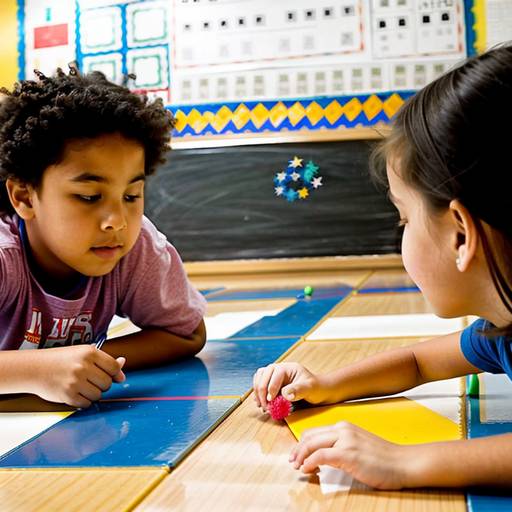
In this 2nd-grade science lesson, students explore the concepts of motion and force through engaging discussions, demonstrations, and hands-on activities. The lesson begins with students sharing their observations of how objects move, which leads to an introduction of the terms "motion" and "force." Teachers demonstrate how different surfaces affect the movement of objects and explain the mechanics of pushing and pulling.
After the introductory discussion, students participate in a group experiment using toy cars and ramps. They set up ramps at various angles to test how far their cars travel when released, measuring the distance and recording their results. Through this activity, students discover the relationship between the angle of the ramp, the force applied, and the resulting motion.
The lesson concludes with each group presenting their findings and sharing their favorite moving objects from home, further reinforcing their understanding of pushes and pulls. Students also create drawings to illustrate their favorite moving objects, labeling them according to the forces involved. Throughout the lesson, students engage collaboratively, fostering a deeper understanding of physical science concepts related to motion.

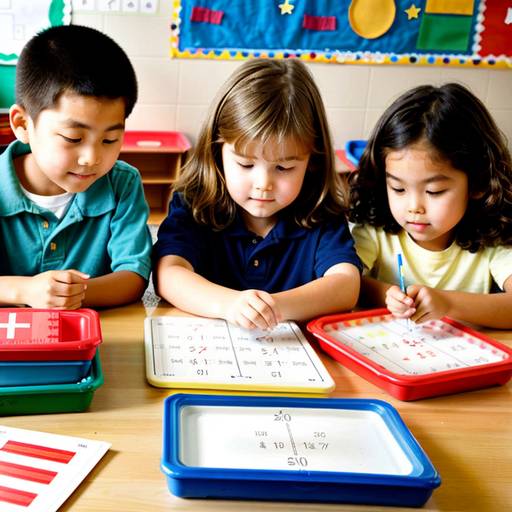
In this kindergarten math lesson, students will explore the concepts of measurement and weight through engaging hands-on activities. The lesson begins with an introduction to the vocabulary terms "light," "heavy," and "balance," accompanied by a demonstration using a balance scale. Students will then work in small groups to weigh various objects, discussing their findings and identifying which items are light or heavy. A class comparison chart will be created to visualize their observations, fostering collaboration and discussion. Following this, students will complete a worksheet where they draw and label one light and one heavy object they explored during the activity. The lesson concludes with a wrap-up discussion to reinforce concepts and vocabulary, providing a comprehensive and interactive learning experience that encourages observation and critical thinking.
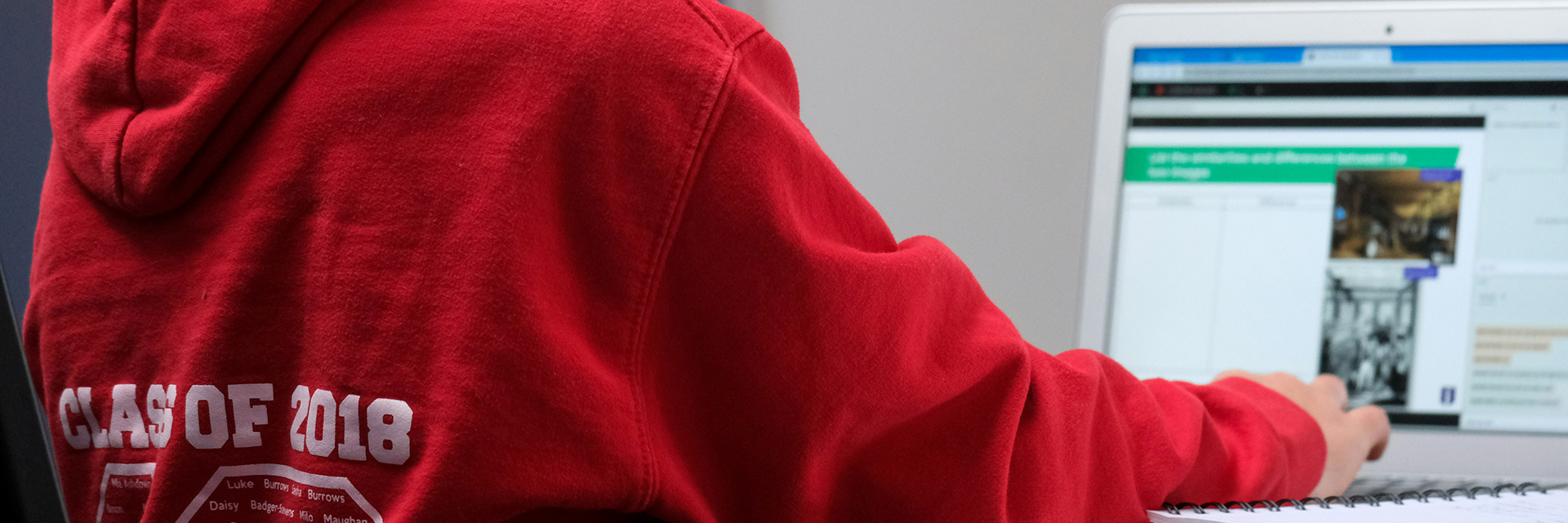
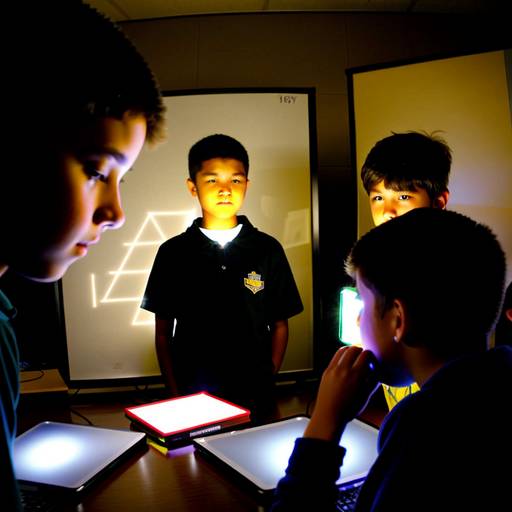
In this lesson plan designed for 5th-grade students, the focus is on introducing the fundamentals of multimedia creation and video editing. Over two class periods, students will work in small groups to plan, create, and edit a short educational video on a topic of their choice. The lesson begins with a discussion about multimedia and video editing, followed by group brainstorming sessions to select topics. Students will engage in storyboarding and scripting, which will guide their recording process. The second class period will be dedicated to capturing video footage and learning to use video editing software to compile and enhance their projects. Each group will present their final video to the class, allowing for peer feedback and questions. Assessment will be based on collaboration, creativity, and presentation skills, and the lesson aims to foster teamwork and communication while enhancing technical skills in multimedia production. Extensions for the lesson may include publishing the videos online or exploring more advanced editing techniques in subsequent lessons.
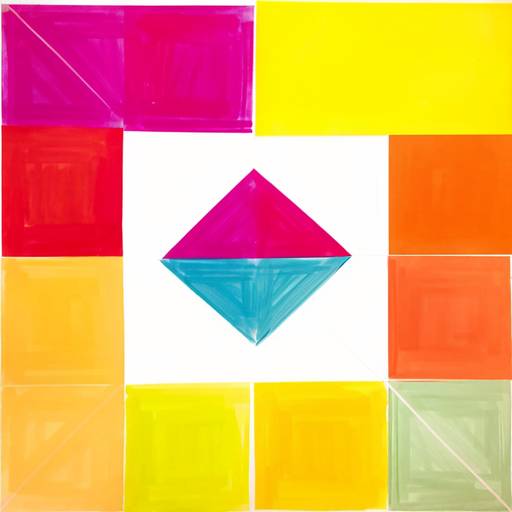
In this 2nd-grade math lesson, students will explore the concepts of geometry, specifically focusing on different types of lines and shapes. The lesson begins with a discussion about geometry and its presence in everyday life, followed by a review of straight, curved, and zigzag lines alongside basic shapes such as triangles, squares, rectangles, and circles.
Students will engage in guided practice by creating their own lines and transforming them into shapes, allowing for peer interaction and discussion. In an independent practice activity, they will cut out various shapes from colored paper and arrange them into a collage, reinforcing their understanding of the topic.
The lesson culminates in a fun game of Shape Bingo, promoting engagement and reinforcing knowledge through a playful format. Throughout the lesson, students’ understanding will be assessed through observation and evaluation of their collages and participation in the bingo game. Optional extension activities include a nature walk to identify real-world examples of lines and shapes and an introduction to symmetry, further enhancing their geometry skills.
In this first-grade math lesson, students will explore the concepts of geometry by learning about different types of lines and angles. The session begins with an interactive discussion that prompts students to identify lines found in their environment. They will learn to differentiate between straight, zigzag, and curved lines, as well as understand the concept of right angles.
During guided practice, students will work in small groups to create and label their own lines using rulers and yarn, and they will search for objects in the classroom that display right angles. Following this, they will independently complete worksheets that reinforce their understanding of line types and angles through coloring and identification exercises.
The lesson concludes with a review that encourages students to share their findings, reinforcing the idea that lines and angles exist all around them. Assessment will be conducted through observation and worksheet review, ensuring that all students have engaged with the material effectively. Differentiation strategies will be in place to support varying learning needs, fostering an inclusive learning environment.

In this 3rd-grade math lesson, students will explore the concepts of lines and angles within the context of geometry. The lesson begins with an interactive introduction where students name various shapes and learn about different types of lines, including straight, curved, horizontal, vertical, and diagonal. The teacher will provide direct instruction on these line types and introduce the concept of angles, focusing specifically on identifying right angles.
Following the instructional segment, students will engage in guided practice by working in pairs to complete a worksheet that requires them to identify and label lines. Afterward, they will participate in a hands-on activity, collaborating in small groups to create a large geometric shape using various line types and angles. They will draw and cut out shapes, ensuring to label each line and angle accordingly.
To conclude the lesson, groups will present their geometric designs, sharing insights about the lines and angles used in their creations. Assessment will be based on worksheet correctness and group presentations, ensuring all students understand the different types of lines and their relevance in everyday life. Extensions will be available for advanced learners to further challenge their understanding. Overall, the lesson promotes collaborative learning and creativity while reinforcing foundational geometric concepts.
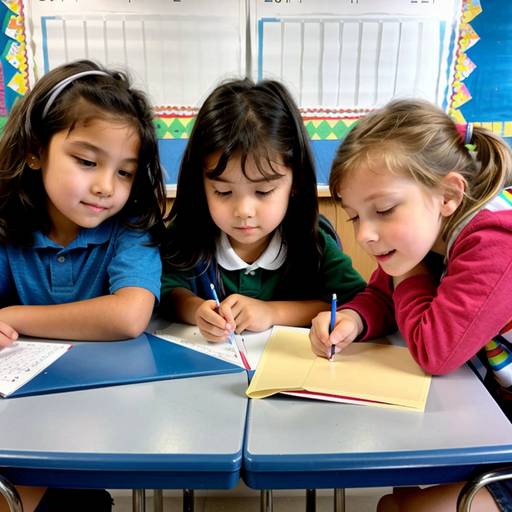
This 1st-grade math lesson focuses on geometry, specifically the identification and understanding of different types of lines and angles. The lesson begins with a read-aloud of a picture book that introduces lines and shapes, followed by a discussion on straight and curved lines, complete with visual demonstrations. Students then learn about three types of angles—right, acute, and obtuse—using flashcards and real-world examples.
In a guided practice activity, students work in small groups to create straight and curved lines using string or yarn, promoting teamwork and hands-on learning. They also embark on an "Angle Hunt" around the classroom to find and identify examples of the angles discussed. For independent practice, students engage in a craft activity where they create artwork featuring the lines and angles they learned about, encouraged to label their work.
The lesson concludes with a sharing session where students present their artwork and describe the lines and angles included. Assessment is conducted through observation during activities and by reviewing the finished art pieces. The lesson emphasizes interactive learning and aims to cultivate students' understanding of basic geometric concepts while also allowing for creativity and expression.

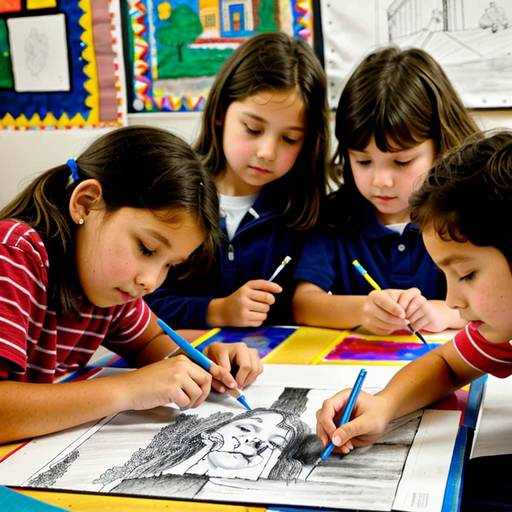
In this 4th-grade art lesson, students will explore the concepts of line types and layering techniques to create depth in their drawings. The lesson begins with a discussion on depth and how various lines can convey texture, followed by a demonstration showcasing different line types and layering in a drawing. Students then engage in guided practice by collaboratively drawing a layered landscape, applying the techniques discussed. Afterward, they will independently create their own artwork using their understanding of lines and layering to depict a chosen theme. The lesson concludes with a gallery walk, allowing students to share their work and reflect on the techniques used. Assessment will focus on students’ application of line and layering techniques in their artwork, and extensions may include artist statements and further exploration of color blending.