
Filters
Level
Grade
Subject
Subject Area
Subject Topic
Standard(s)
Audience
Keyword
DurationMinutes
Elementary School Lesson Plans

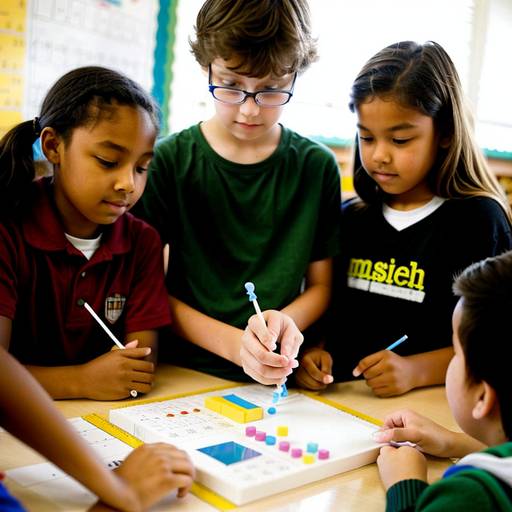
In this 5th-grade math lesson focused on measurement and length, students will learn to measure various objects using standard units like inches, feet, centimeters, and meters. The session begins with a discussion on the importance of measurement in everyday life and a demonstration of measurement tools. Students will engage in an estimation activity, predicting the lengths of classroom objects, followed by a hands-on measurement activity in small groups where they will measure the actual lengths and compare them to their estimates. A class discussion will allow students to reflect on their findings and understand the discrepancies between estimation and actual measurements. The lesson concludes with a summary of key concepts and an assignment for students to measure objects at home, further reinforcing their learning. Through observation and worksheet review, teachers will assess student understanding, while differentiation strategies will support varied learners and extend challenges for advanced students.
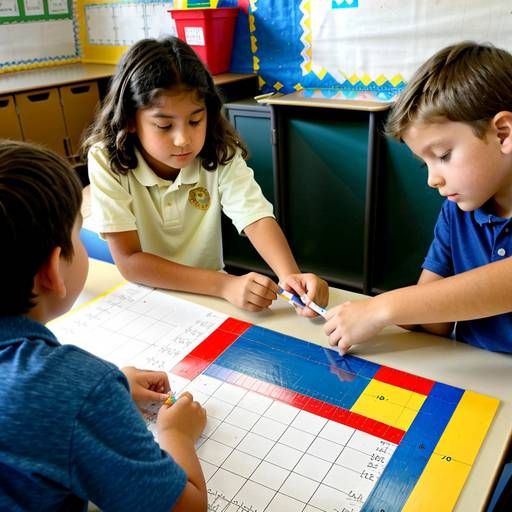
In this 3rd-grade math lesson, students will explore the concepts of measurement and length using both standard and non-standard units. The lesson begins with a discussion about the importance of measurement in everyday life, followed by a demonstration on how to use a ruler to measure objects in inches and centimeters. Students will then engage in guided practice, measuring various classroom items in small groups and recording their findings on a worksheet. Afterward, they will conduct independent measurements of an item of their choice, drawing it and labeling its length using both measurement systems.
The lesson wraps up with a class discussion, where students can share their measured items and reflect on their learning. Assessment will focus on participation, accuracy in measurements, and worksheet completion, with opportunities for extensions for those who finish early. This interactive approach encourages students to develop practical measurement skills and apply them in real-world contexts.
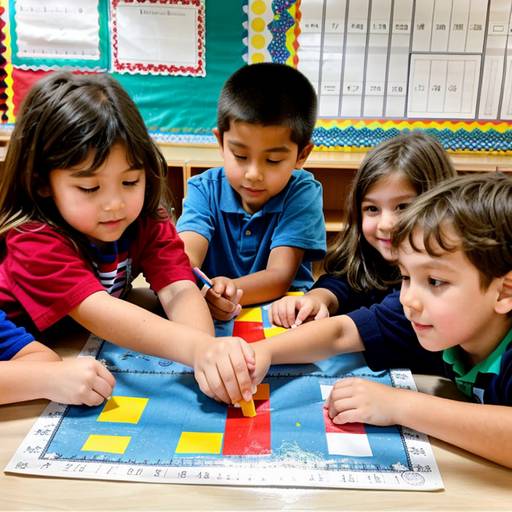
In this Kindergarten math lesson, students will explore the concept of length through hands-on activities involving measurement. The lesson begins with a discussion of measurement tools and relevant vocabulary, such as longer, shorter, and same length. After a demonstration comparing two classroom objects, students will work in small groups to measure various items using unifix cubes or blocks, counting the number of blocks used for each object. Following this guided practice, students will select an additional object to measure individually and document their findings on a provided recording sheet. The lesson concludes with a group discussion where students share their measurements and reflect on their learning. Throughout the lesson, students will develop their understanding of length, practice measurement skills, and strengthen their vocabulary related to measurement concepts. Assessment will be conducted through observation during activities and the review of students' measurement recordings. Extensions for advanced learners will provide additional challenges to further enhance their understanding.
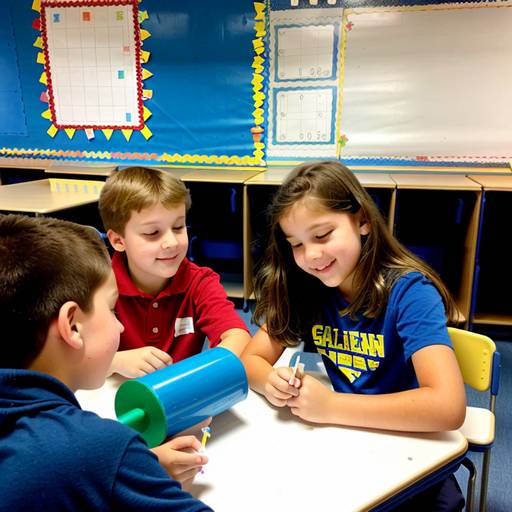
This 4th-grade math lesson focuses on measurement and length, enabling students to grasp the concepts of measuring using standard units such as inches, feet, centimeters, and meters. The lesson begins with a discussion about the importance of measurement in everyday life and introduces key vocabulary. Following direct instruction on using rulers and meter sticks, students engage in guided practice by measuring various classroom objects in pairs and recording their measurements.
In independent practice, students create a Length Comparison Chart to display their findings and write short comparisons about the lengths of the measured objects. The lesson concludes with a group discussion to reflect on their measurements and the significance of using different units. Assessment involves reviewing worksheets and participation, while differentiation strategies are provided to support all learners. Extensions include planning a measurement scavenger hunt and introducing unit conversions in future lessons. Overall, the lesson promotes hands-on engagement, collaboration, and practical application of measuring skills.
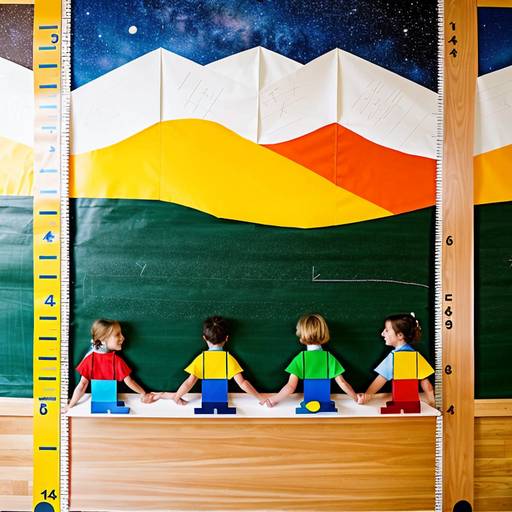
In this 2nd-grade math lesson, students will explore the concept of measurement and learn how to measure lengths using both standard and non-standard units, such as inches, centimeters, paper clips, and blocks. The lesson begins with a discussion to familiarize students with measurement vocabulary, followed by a demonstration of measuring classroom objects with a ruler. Students will then engage in guided practice in small groups, measuring different objects and recording their lengths. After presenting their findings to the class, students will complete a worksheet where they estimate and then measure various items. The lesson concludes with a review of key concepts and an assessment through collected worksheets and observation of group activities. Adaptations are provided to support different learner needs. This interactive approach encourages hands-on exploration and real-world connections to measurement.
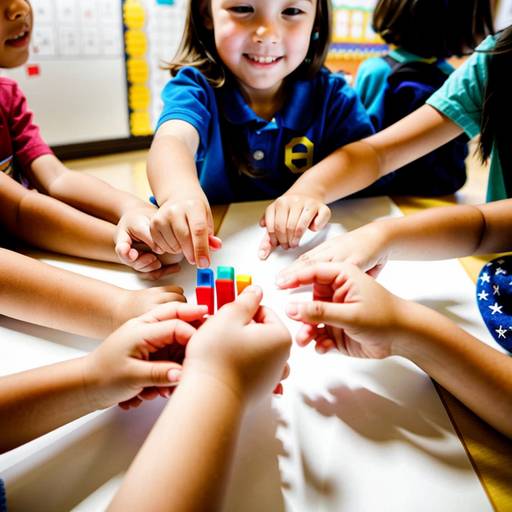
In this kindergarten math lesson, students will explore the concept of measurement and length through engaging and interactive activities. The lesson begins with a discussion on what measurement means, focusing on the comparison of lengths, using everyday classroom items as examples. The teacher will demonstrate how to measure objects using non-standard units, such as Unifix cubes or paper clips.
Students will then work in small groups to measure assigned items, record their findings, and determine which items are longest and shortest. Each group will share their measurements and observations with the class, fostering communication and presentation skills. The lesson concludes with a review of key vocabulary and a reflection on the practical applications of measurement in students' lives. Overall, the lesson emphasizes hands-on learning and encourages collaboration while laying the groundwork for future mathematical concepts.
In this 2nd grade math lesson focused on measurement and length, students will explore the concepts of measuring objects using both standard and non-standard units. The lesson begins with a discussion to engage students and elicit their previous experiences with measurement. Key terms such as length, measure, and units will be introduced.
Through direct instruction, students will learn how to use rulers and measuring tapes correctly, and will understand the significance of measuring accurately. They will observe demonstrations of measuring various classroom objects and see visual examples of both standard and non-standard measurements.
Students will then engage in partner work to measure designated objects in the classroom, recording their results on worksheets and comparing the two types of measurement. Following this, they will participate in a scavenger hunt where they will measure specific items around the classroom or school, documenting their measurements and presenting their findings on a chart.
The lesson concludes with students sharing their discoveries and reflecting on the importance of accurate measurement in real-life situations. Assessment will be based on observation during activities and evaluation of their measurement worksheets, with opportunities for extension and modifications tailored to individual learning needs.

In this 4th-grade Language Arts lesson, students will embark on a journey to create their own imaginative stories, focusing on elements such as setting, characters, problems, and solutions. The session begins with a discussion of what makes stories engaging, followed by a read-aloud of a children’s book excerpt to illustrate the use of descriptive language. Students will then complete graphic organizers to brainstorm their story ideas, which will guide them in writing a short narrative. Throughout the writing process, they will focus on using sensory details to enhance their descriptions. At the end of the lesson, students will have the opportunity to share their stories with classmates, fostering a sense of community and encouraging feedback. The lesson will be assessed through the graphic organizers and the final stories, promoting creativity and clarity in writing. Extensions for this lesson may include developing sequels or comic strips to further explore their narratives.
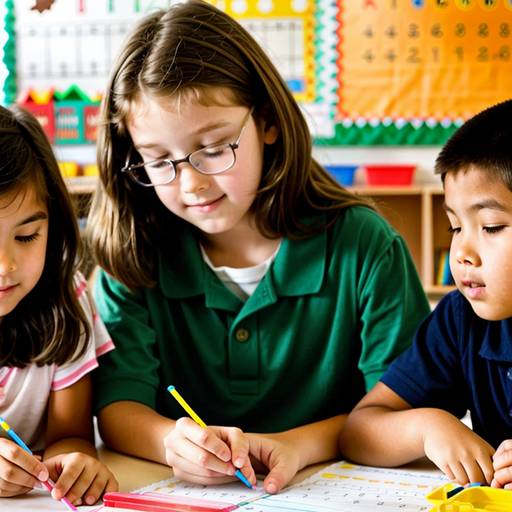
This 1st-grade math lesson focuses on helping students understand the concepts of measurement and time through interactive and hands-on activities. The lesson begins with a discussion about measurement and time, prompting students to share their prior knowledge.
Next, students work in small groups to measure various classroom objects using rulers or string, encouraging estimation and discussion of their findings. Following the measurement activity, the class moves on to learning about telling time using a large classroom clock. Students practice setting the hands of smaller analog clocks to specific times based on teacher prompts.
To reinforce the concepts, students complete worksheets that involve measuring items at home and drawing clock hands to show different times. The lesson concludes with a reflection on what students have learned and a review of measurement and time concepts. Throughout the lesson, students are assessed based on participation, group collaboration, and accuracy on their worksheets, with the opportunity for extensions that encourage continued exploration at home.

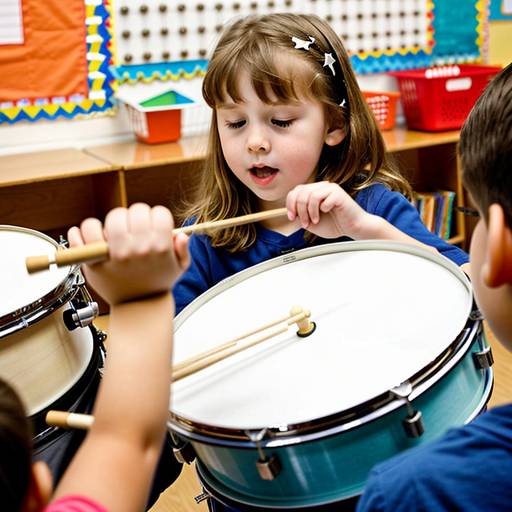
In this 1st Grade music lesson, students will explore and learn about percussion instruments through various engaging activities. The lesson begins with an introduction to what percussion instruments are, accompanied by sound clips and examples for recognition. Students will then form small groups to experiment with different instruments, allowing them to create and share their own sounds. Following this, the class will participate in a body rhythm exercise where they will learn a simple rhythm using claps, stomps, and snaps, and even create their own rhythms to share. A call-and-response rhythm game will conclude the lesson, reinforcing their understanding of rhythm and sound. Throughout the lesson, students will be assessed on their participation and ability to identify percussion instruments. To extend their learning, they will be encouraged to create a homemade percussion instrument to bring for the next class, fostering creativity and continued exploration of music. Adaptations will be made to accommodate diverse learning needs, ensuring inclusivity for all students.