
Filters
Level
Grade
Subject
Subject Area
Subject Topic
Standard(s)
Audience
Keyword
DurationMinutes
Elementary School Lesson Plans

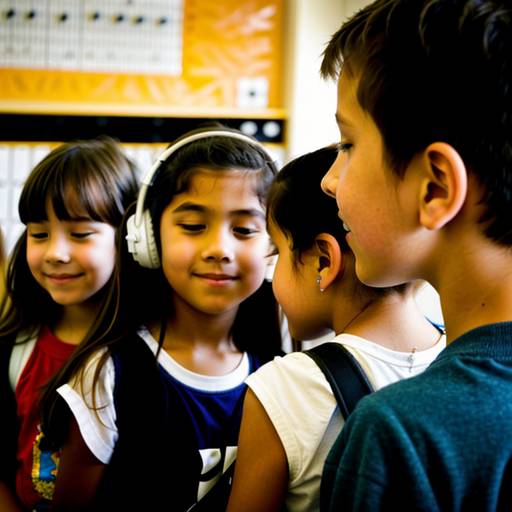
In this 2nd-grade music appreciation lesson, students will embark on a listening adventure to explore various music genres. The session begins with an engaging warm-up activity where students move to a familiar song, fostering an initial connection to music.
Following this, students will participate in a guided listening exercise featuring short clips from different genres such as classical, jazz, rock, and folk. As they listen, students will fill out a listening chart with their observations about the instruments they hear and the emotions the music evokes. This encourages active listening and critical thinking.
In small groups, students will discuss their favorite aspects of the music they heard, promoting collaboration and communication. To conclude the lesson, students will engage in a creative activity where they create a collage that reflects the mood of their preferred genre, integrating art into music appreciation.
Finally, the class will reflect on their experiences and share their collages, reinforcing the importance of diverse musical exploration. Throughout the lesson, students are encouraged to connect what they learn to their lives outside the classroom, fostering a lifelong appreciation for music. Assessment will include observation of participation, the completion of listening charts, and evaluation of the collages. Extension ideas may include creating a bulletin board to showcase students' artwork and inviting local musicians for an interactive demonstration.
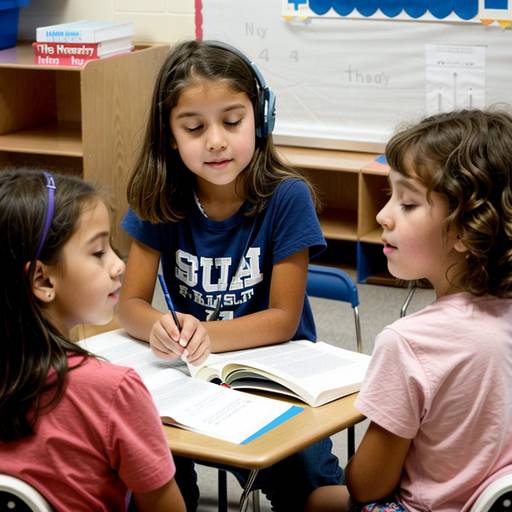
In this 1st Grade music appreciation lesson, students will explore the world of sound through listening activities and creative expression. The lesson begins with a discussion about music and the different instruments, using pictures to engage students and stimulate their interest. Students will listen to short clips from various musical genres and identify instruments they hear, discussing their feelings about the music afterwards. A group discussion will follow, allowing students to articulate their reactions and describe the emotions evoked by the pieces. They will then create artwork that visually represents their musical experience. To conclude, students will share their drawings and insights with the class, reinforcing their understanding of music’s emotional impact. This lesson aims to develop active listening skills and encourage personal expression through music.

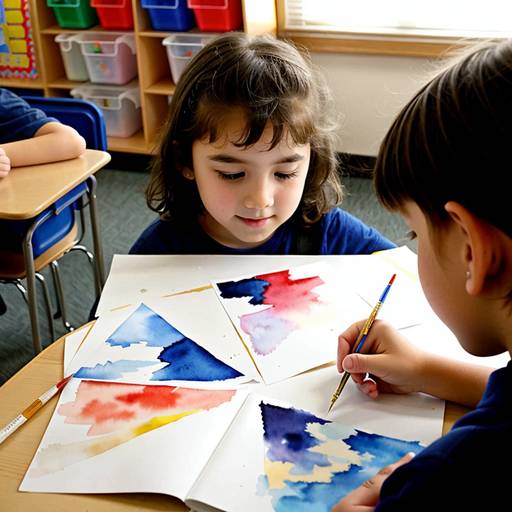
In this 1st Grade art lesson, students will learn basic techniques of watercolor painting, focusing on wet-on-wet and wet-on-dry methods. The lesson begins with a discussion and demonstration of these techniques, showcasing how colors blend and create textures. Students will then practice each technique before using them to create their own landscape paintings, incorporating primary colors and mixing them to form secondary colors. As they work, they will be encouraged to share their thoughts and artistic choices with the class. The lesson concludes with a reflection on their experiences and what they learned about watercolor techniques, along with a focus on cleaning up their work areas. Assessment will be based on observation during the activities and the final paintings, emphasizing creativity and the application of techniques. Extensions for future lessons will also be suggested to further explore watercolor art.

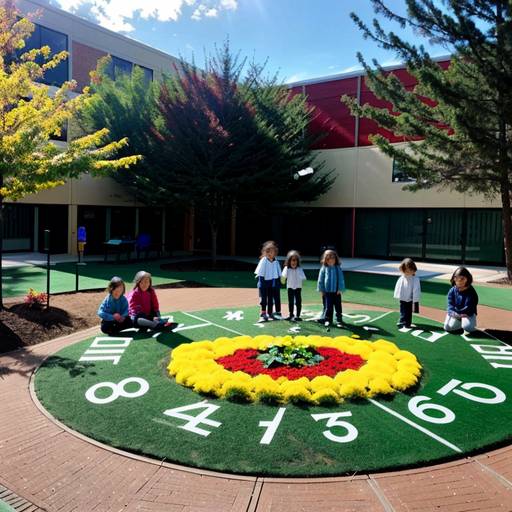
In this Kindergarten math lesson, students will explore the concept of subtraction through a hands-on activity involving garden-themed cut-outs and colorful pom-pom "seeds." The lesson begins with reading a subtraction-themed story to introduce the idea of "taking away." Students will then engage in direct instruction where visual aids help illustrate subtraction as they remove seeds from flowers on the whiteboard.
During guided practice, each child will have cut-out flowers and seeds, allowing them to physically manipulate the objects as they solve simple subtraction problems called out by the teacher. Students will then complete worksheets that feature visual subtraction problems involving the flowers and seeds, reinforcing their understanding through coloring and recording their answers.
The lesson concludes with a class discussion where students share their experiences, emphasizing key subtraction concepts. Assessment will occur through observation and worksheet review, with differentiated support available for varying student needs. Overall, this interactive lesson aims to foster a solid foundation in subtraction while keeping students engaged and enthusiastic about math.
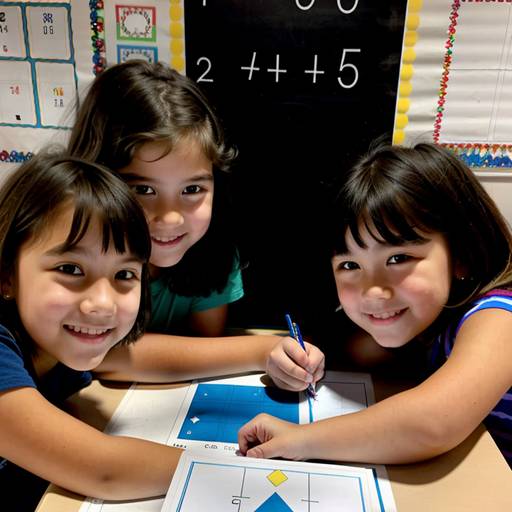
This 2nd-grade math lesson focuses on teaching students addition and regrouping using engaging, hands-on activities. Students will learn to add two-digit numbers both with and without regrouping, enhancing their understanding of place value. The lesson begins by capturing students' interest through a treasure hunt theme, followed by an introduction to regrouping with a visual example.
In direct instruction, students work with base ten blocks to concretely represent numbers and solve addition problems. Guided practice involves collaborative problem-solving as pairs tackle a new addition problem together, promoting communication and critical thinking. Following this, students complete a worksheet featuring a variety of addition problems to demonstrate their understanding independently.
The lesson concludes with a review of answers, encouraging students to share their methods, followed by a fun math game that reinforces their skills in a collaborative setting. Throughout the lesson, assessment is conducted through observation and worksheet evaluation, with differentiation strategies provided to support diverse learners. Extensions incorporate creative writing, allowing students to design their own addition story problems. Overall, the lesson aims to improve addition skills while maintaining an exciting and interactive learning environment.

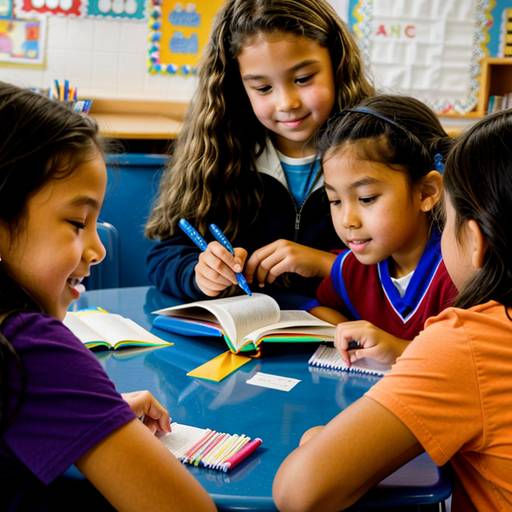
In this 3rd-grade language arts lesson, students will explore the fundamentals of narrative writing by learning about the five essential elements: characters, setting, plot, conflict, and resolution. The lesson begins with a class discussion on storytelling, where students share their favorite stories and what makes them engaging. Next, the teacher provides direct instruction on each narrative element, supported by examples and visual aids.
Afterward, the class collaboratively selects a character, setting, and plot to create a shared story outline. Students then engage in independent writing, using the outline to craft their own imaginative narratives, incorporating descriptive details and the narrative elements they’ve learned.
The lesson concludes with students sharing their stories with the class, followed by a discussion highlighting the unique aspects of each narrative. Assessment includes monitoring participation and reviewing written work for the presence of narrative elements. Extension activities invite students to illustrate their stories or engage in peer feedback, fostering further development of their storytelling skills. The lesson aims to ignite creativity, enhance writing ability, and promote collaboration among students.
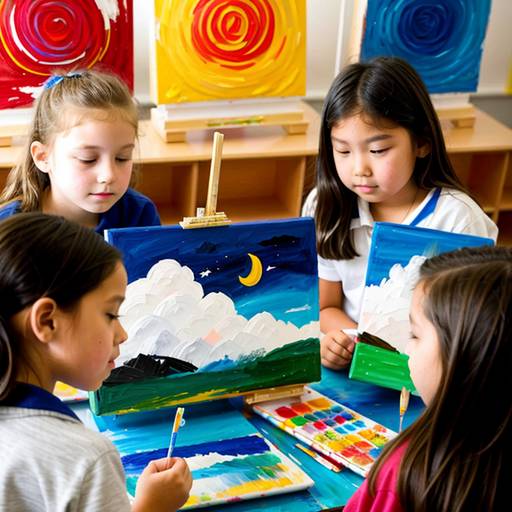
In this third-grade art lesson, students will explore various painting techniques, including wet-on-wet, dry brush, and layering, to create their own imaginative artwork. The lesson will begin with a discussion of different painting styles, showcasing examples that illustrate the use of these techniques. Following a demonstration, students will practice each technique on watercolor paper to gain hands-on experience.
Once they feel comfortable, they will independently create a final piece incorporating at least two of the techniques they have learned, allowing for creativity in their subject matter. The lesson will conclude with a sharing session where students can display their work and discuss their creative process. Assessment will focus on students' understanding and application of the techniques as well as their overall effort and creativity. Extensions to the lesson may include themed series projects and mixed media integration. The session encourages experimentation and a positive exploration of painting.
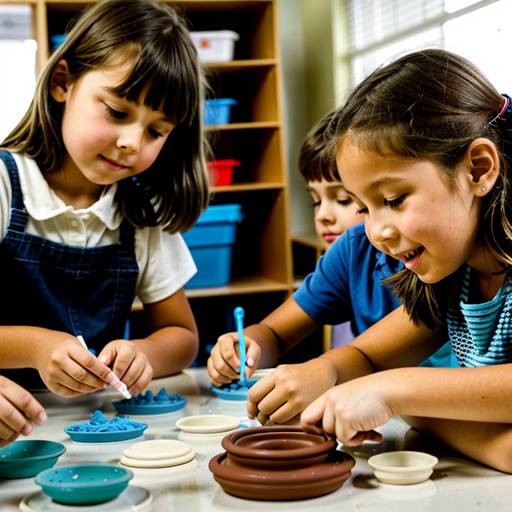
In this 2nd Grade art lesson, students will explore the world of clay as they create their own unique ceramic pieces. The lesson begins with an engaging discussion about ceramics and various clay art forms, complemented by visual examples to inspire the students. Following a demonstration of basic clay techniques, such as rolling, shaping, and texturing, each student will have the opportunity to work independently with air-dry clay to design and mold their creations, expressing their creativity and imagination.
During the creative process, students will receive guidance and support, allowing them to develop their skills while immersing themselves in artistic expression. Once the creations are complete, students will share their work with the class, discussing their inspirations and the techniques they used.
The lesson emphasizes engagement, participation, and the importance of sharing artistic ideas. Students will also learn how to care for their creations and contemplate further artistic possibilities, such as decoration in future sessions. Overall, this lesson invites students to explore their creativity through hands-on experience with ceramics, fostering an appreciation for art and self-expression.
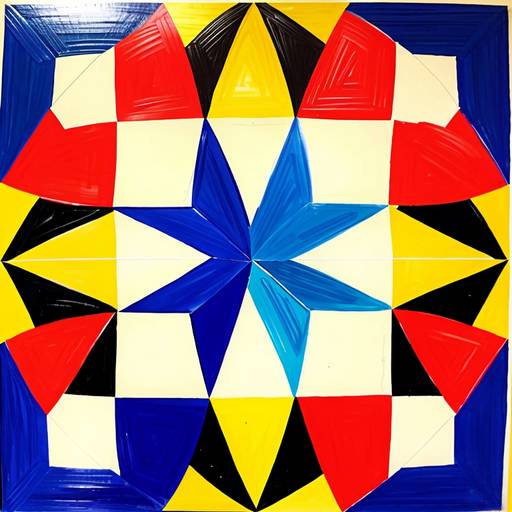
This 2nd-grade math lesson focuses on introducing students to basic geometric shapes and the concept of symmetry. The lesson begins with an engaging discussion about shapes and symmetry in the classroom, followed by a review of common geometric shapes and their attributes. Students will learn about lines of symmetry through direct instruction and visual examples.
During guided practice, they will create their own symmetrical shapes using colored paper and scissors, and explore their creations using mirrors to understand reflection. The lesson also includes an independent art project where students design symmetrical patterns, which they will display in class.
Throughout the lesson, students will be assessed through observation and an exit ticket, where they will draw both symmetrical and asymmetrical shapes to demonstrate their understanding. The lesson incorporates various activities to ensure engagement, differentiation for diverse learners, and extensions to connect geometry with other subjects. Overall, this lesson aims to make learning about geometry and symmetry interactive and enjoyable for the students.
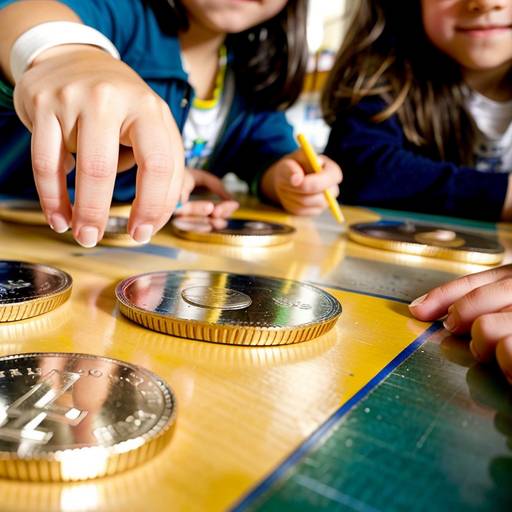
In this 1st-grade math lesson plan, students will explore the concept of money by identifying and differentiating between various coins: pennies, nickels, dimes, and quarters. The lesson begins with an engaging discussion on the use of money in everyday life, followed by hands-on activities that involve examining real or play coins to understand their values.
During direct instruction, students will participate in coin identification exercises and practice counting coins in groups. The highlight of the lesson is the setup of a classroom "store," where students can role-play as shoppers and cashiers, allowing them to apply their knowledge in a simulated buying experience. This interactive activity fosters understanding of how to use coins in transactions.
To conclude, students will reflect on what they have learned, and their understanding will be assessed through observational evaluation during the store activity and a simple worksheet that reinforces coin recognition and values. Differentiation strategies ensure that all learners can participate and benefit from the lesson.