
Filters
Level
Grade
Subject
Subject Area
Subject Topic
Standard(s)
Audience
Keyword
DurationMinutes
Elementary School Lesson Plans

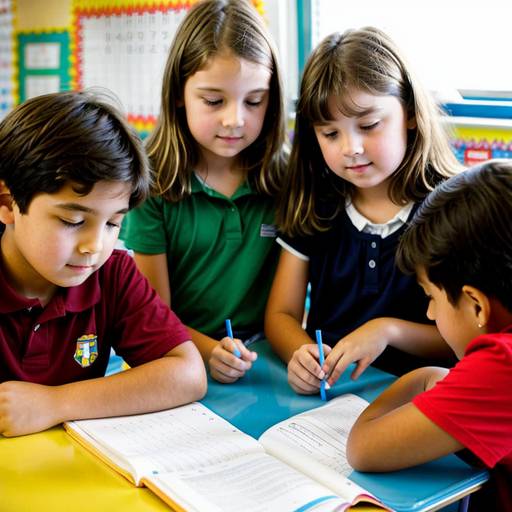
In this 3rd-grade math lesson, students will explore the concepts of measurement and volume through engaging hands-on activities. The lesson begins with an introduction to measurement and its importance in everyday life. Students will learn the difference between length and volume and become familiar with using measuring cups and standard measuring tools like rulers and meter sticks.
During guided practice, students will work in pairs to predict and then measure the volume of different containers using water, recording their findings on worksheets. They will also engage in independent practice by estimating and measuring the volume of household objects in the classroom. A class discussion will follow, allowing students to share their results and reflect on their learning.
Assessment will involve evaluating students' worksheets for accuracy and understanding, alongside monitoring participation during activities. Extensions provide opportunities for further exploration, such as a home project or a measurement scavenger hunt. The lesson aims to solidify students' understanding of measurement and volume while fostering collaborative learning and critical thinking skills.

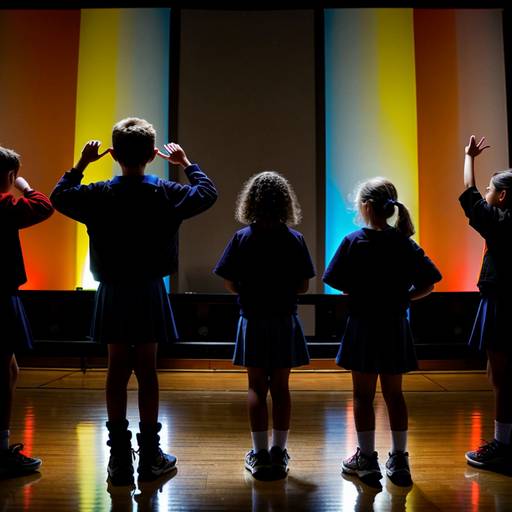
In this 4th-grade music appreciation lesson, students embark on a journey to explore various music genres, including classical, jazz, rock, pop, and folk. The lesson begins with a discussion about the importance of music and students' favorite types. Through a structured listening activity, students analyze audio samples from each genre, identifying instruments and discussing the feelings evoked by each piece.
Following this, they engage in a genre matching activity to reinforce their understanding and correct any misconceptions. In a hands-on segment, students work in small groups to create brief medleys inspired by their assigned genres using simple percussion instruments, which they later present to the class.
The lesson concludes with a reflective discussion about what they learned, encouraging students to continue exploring different music styles at home. Assessment includes participation, completion of worksheets, and creativity in group presentations. Extensions of the lesson encourage further engagement with local musicians and ongoing exploration of music at home.
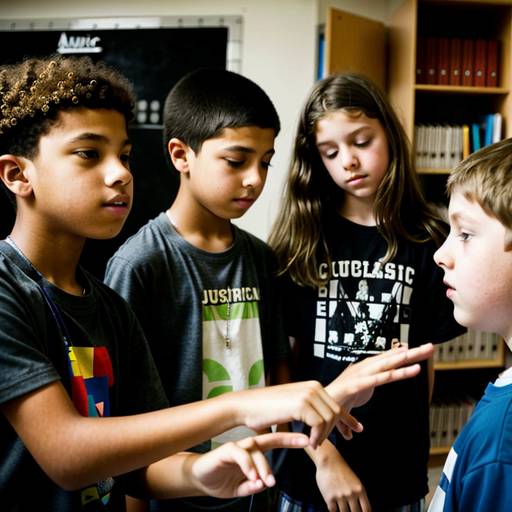
In this 5th-grade music appreciation lesson, students explore a variety of music genres, enhancing their understanding and appreciation of different musical styles and cultural diversity. The lesson begins with a warm-up discussion about personal music preferences, followed by listening stations where students rotate through different genres, taking notes on their characteristics and what they enjoy about each. After the listening activity, students engage in a group discussion to share their findings and insights.
Next, they work in small groups to create presentations about a chosen music genre, focusing on its description, notable artists, characteristics, cultural significance, and history. The lesson concludes with group presentations, fostering collaboration and creativity. Throughout the activities, students participate in discussions, reinforcing their learning and encouraging an appreciation for the diverse world of music. Assessment involves evaluating participation and the quality of group presentations. Extensions encourage further exploration of music through playlists and themed days, promoting ongoing engagement with music appreciation.
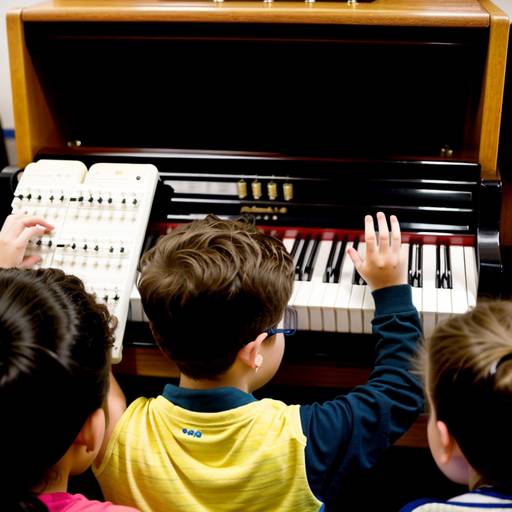
In this engaging music lesson for 3rd-grade students, the focus is on understanding and applying the concept of dynamics in music. The lesson begins with an introduction to various dynamic terms, such as piano, forte, mezzo-piano, and mezzo-forte, allowing students to grasp how these terms indicate the loudness or softness of music.
Following the introduction, students participate in a listening activity where they identify dynamics in different musical pieces, fostering their listening skills and awareness of emotional impacts in music. They then engage in a hands-on activity using percussion instruments to create their own rhythm compositions, intentionally incorporating varied dynamics.
To further reinforce their understanding, students participate in a movement exercise where they act out different dynamic levels through dance, connecting physical expression with musical concepts. Finally, groups perform their compositions for their peers, allowing for discussion and reflection on the dynamics they employed and how these influenced their musical expression.
Throughout the lesson, students are assessed on their participation and understanding of dynamics, setting a foundation for future exploration of how dynamics relate to tempo and articulation in music.

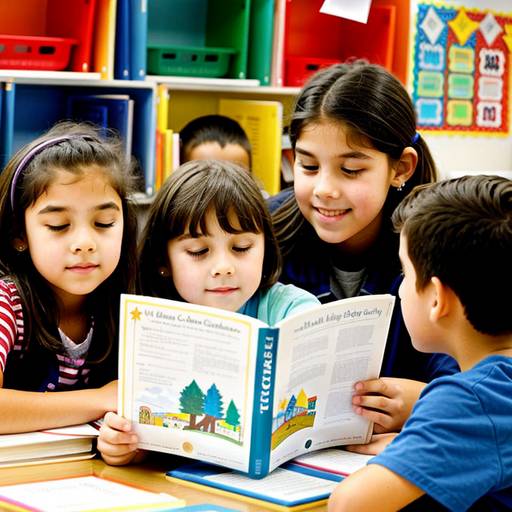
This 1st Grade Language Arts lesson focuses on introducing students to various reading genres, including fiction, non-fiction, poetry, and folk tales. The lesson begins with an engaging discussion where students share their favorite types of stories and learn the term "genre." Through read-alouds of selected picture books, students are exposed to the unique characteristics of each genre.
In guided practice, students work in small groups to categorize a selection of books according to their genres, and they present their findings to the class. For the independent activity, each student selects a favorite book and identifies its genre using sticky notes to contribute to a classroom genre chart. The lesson wraps up with a review of what students learned and encourages them to explore different genres in their reading.
Assessment includes observing participation, reviewing group classifications, and ensuring students successfully categorized their chosen books. Extensions and differentiation strategies are provided to cater to varying student needs and abilities, fostering a rich understanding and appreciation for the diverse world of reading.
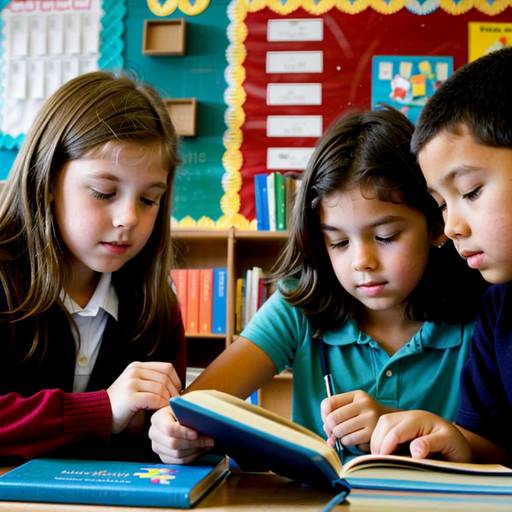
This 4th-grade language arts lesson focuses on helping students understand various reading genres and their characteristics. The lesson begins with a discussion to activate prior knowledge about genres, followed by direct instruction where key genres, such as Fiction, Non-Fiction, Mystery, Fantasy, Historical Fiction, and Poetry, are defined and examples are provided.
Students work in small groups to classify a selection of books into the appropriate genres based on their unique features. For independent practice, each student chooses a book, reads a short excerpt, and completes a graphic organizer noting the title, author, genre, and key characteristics.
The lesson concludes with students sharing their findings with the class, reinforcing the importance of understanding genres in enhancing the reading experience. Assessment includes observations of group participation, review of graphic organizers, and an exit ticket where students reflect on a new genre they learned about. Adaptations are provided for different learning needs, ensuring all students can engage meaningfully with the material.
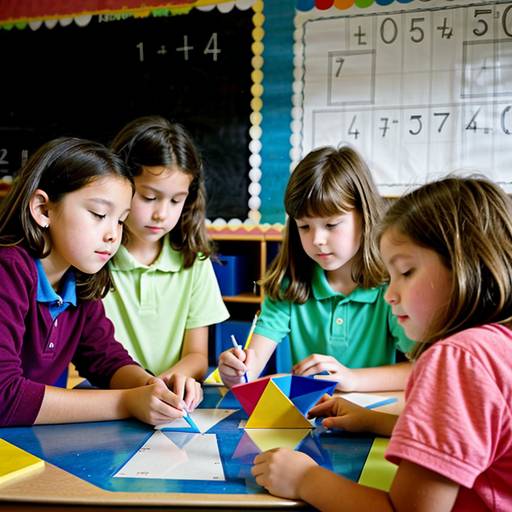
In this 3rd-grade math lesson, students will explore the concepts of geometry and angles by identifying and classifying acute, right, and obtuse angles. The session begins with a review of basic geometric shapes, transitioning into a focused discussion on angles—covering their definitions and characteristics.
Students will learn to measure angles using a protractor through direct instruction, followed by guided practice in small groups where they measure and classify a series of angle cards. After practicing collaboratively, students will complete a worksheet independently that involves drawing angles, classifying given angles, and measuring angles with a protractor.
The class concludes with a brief review to reinforce key concepts and an interactive game where students differentiate between angle types. Assessment will focus on participation, measurement accuracy, and angle classification. Extensions for advanced learners may include complementary and supplementary angles, alongside a scavenger hunt for real-world angle identification. Overall, the lesson aims to engage students with hands-on activities while developing their geometry skills.
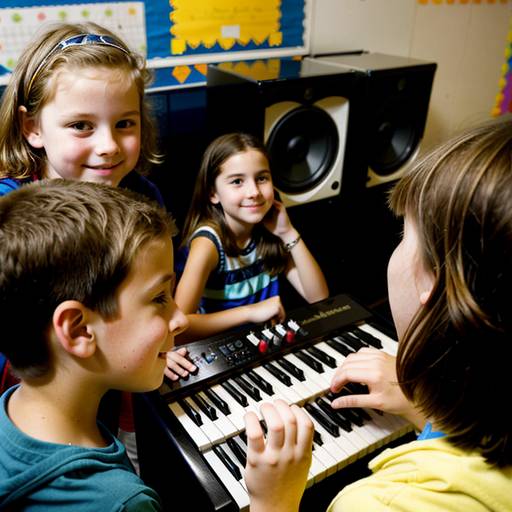
This lesson plan for 3rd-grade students focuses on music appreciation by introducing various music genres. Over the course of 60 minutes, students will identify and describe genres such as classical, jazz, rock, hip-hop, and country through listening activities and discussions.
The lesson begins with a brief conversation about students’ music preferences, followed by listening to audio clips of different genres. After each clip, students engage in discussions about their feelings, instrument identification, and imagery inspired by the music.
Students then participate in hands-on activities where they work in small groups to explore instruments and create their own short musical pieces based on a chosen genre. They also create visual representations to accompany their performances.
The lesson wraps up with a group reflection on the music explored and students sharing their favorite genres. Assessment is based on participation, creativity, and expression during group activities. The plan allows for extensions, such as deeper exploration of specific genres or inviting a local musician for an interactive experience. Overall, the lesson is designed to foster curiosity and appreciation for music while encouraging creative collaboration.
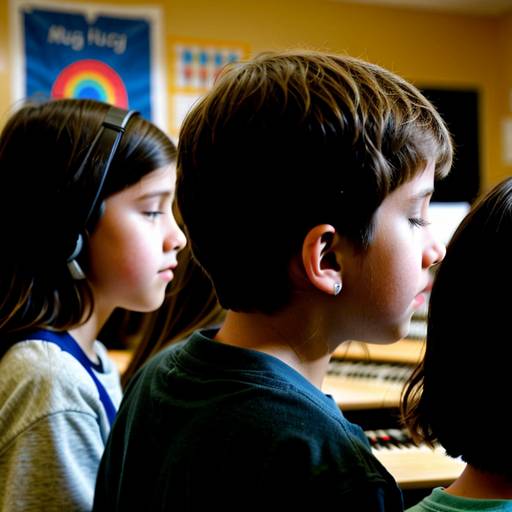
In this 5th-grade music appreciation lesson, students will explore various genres of music from around the world, enhancing their active listening skills and understanding of musical elements. The class will begin with a warm-up discussion about favorite music styles, leading into a listening activity where students hear short clips spanning classical, jazz, rock, folk, and world music. After each clip, students will engage in discussions to identify instruments, emotions, and imagery elicited by the music.
Next, students will work in small groups to focus on one specific genre, creating a brief presentation to share insights with the class. This collaborative effort will foster teamwork and deeper analysis of musical characteristics. Following the group activity, students will complete a guided reflection worksheet with prompts that encourage personal connections to the music they listened to, along with the option to express their thoughts artistically through drawing or collaging.
The lesson will conclude with a class share-out, where students can discuss their reflections and artistic work. Overall, the goal is to nurture an appreciation for music, develop listening skills, and encourage creative expression while connecting with different cultural backgrounds through sound. Assessment will involve observation of participation, review of worksheets, and evaluation of artistic expressions. Follow-up activities will further allow students to engage with music on a personal level, including creating playlists and sharing music from diverse cultures.
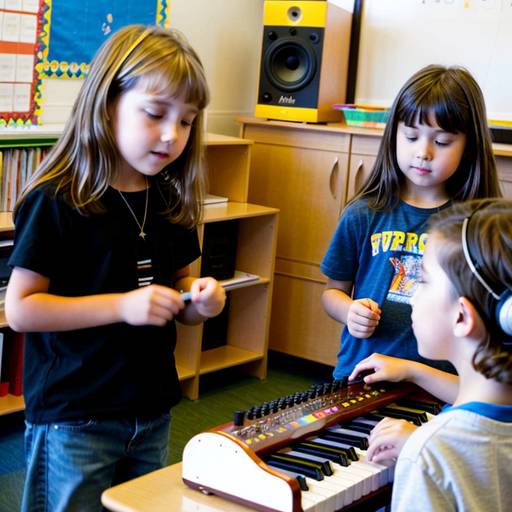
In this 1st-grade music lesson, students will gain an appreciation for music through various listening activities and discussions. The lesson begins with an engaging introduction to different musical instruments, followed by a listening session comprising short audio clips from diverse musical genres. Students will identify instruments and express their feelings about the music using Emotion Cards. A group discussion will allow students to share their thoughts on their favorite pieces and the instruments that stood out to them. To reinforce their learning, students will engage in a creative activity where they draw pictures inspired by the music they listened to. The lesson concludes with students sharing their artwork with the class and reflecting on their experiences. Overall, this lesson fosters listening skills, emotional expression, and a love for music through interactive and creative engagement.