
Filters
Level
Grade
Subject
Subject Area
Subject Topic
Standard(s)
Audience
Keyword
DurationMinutes
Elementary School Lesson Plans

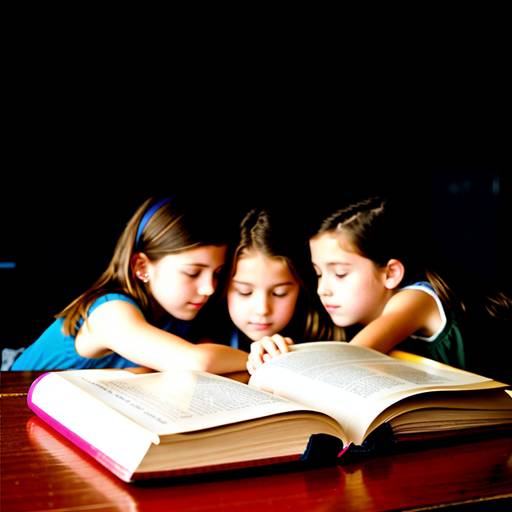
In this 5th-grade Language Arts lesson, students will explore different reading genres to enhance their understanding and appreciation of literature. The lesson begins with a discussion about favorite books, followed by an introduction to various genres such as fiction, non-fiction, poetry, fantasy, mystery, and biography. In small groups, students will examine books from a specific genre, discussing their unique characteristics.
Next, they will engage in a genre sorting activity where they categorize book titles into the correct genres based on provided definitions. To reinforce their learning, students will create Book Recommendation Cards for a book they enjoyed, summarizing its genre and plot, and sharing their recommendations with peers. Assessment will focus on participation, completion of the sorting activity, and understanding demonstrated in the recommendation cards.
Extensions may include a visit to the school library for further exploration of genres and opportunities for advanced students to delve into sub-genres or create their own stories. Support will be provided for students needing extra assistance, ensuring an inclusive learning environment. This lesson aims to foster a love for reading and enhance genre recognition among students.
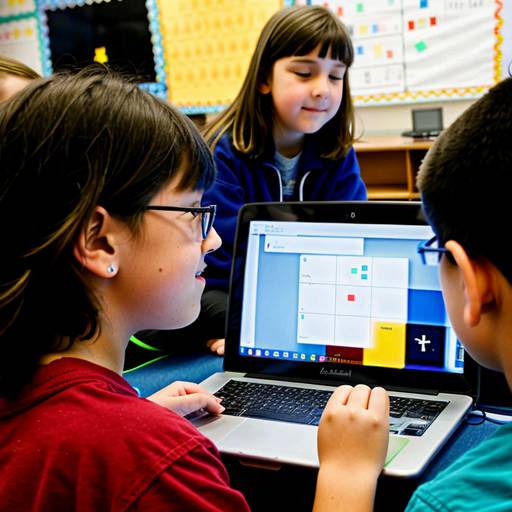
In this 4th-grade technology lesson, students will explore the basics of coding through the understanding of algorithms, which serve as step-by-step instructions for problem-solving. The lesson begins with a warm-up discussion on coding, followed by an introduction to a coding platform where students will learn about essential concepts like sequences, loops, and conditions. They will engage in an interactive activity where they create their own algorithm based on a common task.
Guided practice allows students to develop a simple coding project, such as an animation or interactive scene, based on a theme of their choice. As they work on their projects, students will reflect on their learning and share their creations with the class. The lesson concludes with a recap of key concepts, emphasizing the importance of algorithms in programming and the troubleshooting process of debugging. Assessment will focus on collaboration, creativity, and understanding of coding concepts, with opportunities for further exploration in follow-up lessons. Adaptations will be made to support diverse learners and challenge advanced students.
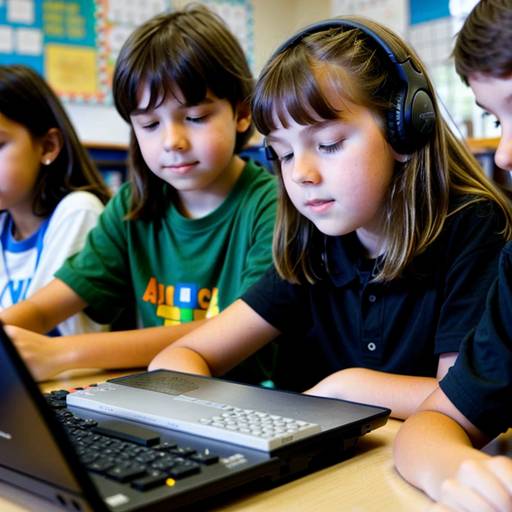
In this 4th Grade Technology lesson, students will be introduced to the fundamentals of coding and programming languages through engaging activities. They will learn what coding is, its importance, and basic terminology such as algorithm, loop, and debugging. The lesson begins with a video showcasing coding applications, followed by a discussion to gather students' ideas about coding. A demonstration of a block-based coding platform, like Scratch or Code.org, guides students through creating their own simple program, allowing for creativity and hands-on experience. They will also learn how to identify and fix mistakes in their code. At the end, students will present their projects to the class, reflecting on their experiences and challenges. Assessment will be based on participation and the final projects, with optional extensions for advanced learning and adjustments for diverse learners. This interactive lesson aims to make coding accessible and fun, fostering critical thinking and collaboration among students.

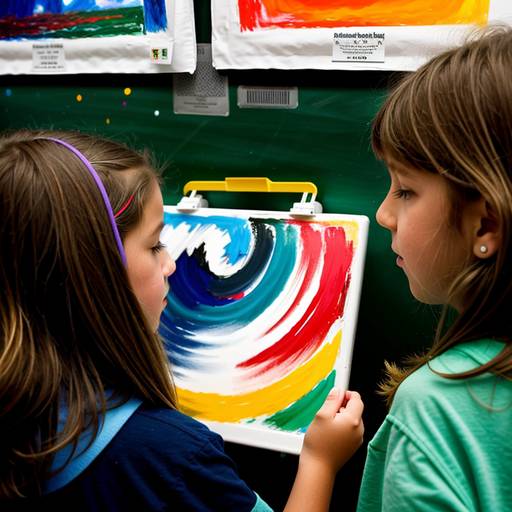
In this 3rd-grade art lesson, students explore the basic elements of art with a focus on color theory. The lesson begins with an interactive discussion about colors, introducing primary and secondary colors and their relationships using a color wheel. Students work in small groups to mix primary paints, creating secondary colors and documenting their observations.
Following the color mixing activity, students collaborate on a large mural, applying their knowledge of color while expressing their creativity through different patterns and textures. The lesson concludes with a group reflection on the experience, encouraging students to share their thoughts on the colors used and the importance of teamwork in artistic projects. Assessment includes participation in activities and the completion of a worksheet. Extensions to the lesson may involve exploring additional color concepts or famous artists known for their color use. All materials used should be appropriate and non-toxic, considering student safety.
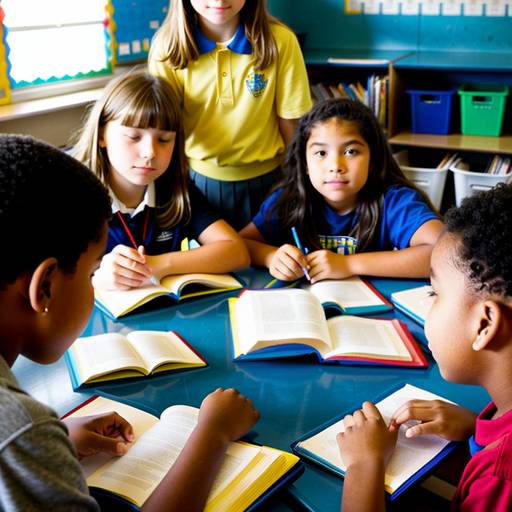
This lesson plan focuses on introducing 4th-grade students to expository writing, highlighting its purpose and structure. The session begins with a discussion about the significance of expository texts, followed by direct instruction on the key components of an effective expository paragraph, including the topic sentence, supporting details, and concluding statement. Students engage in guided practice by analyzing sample texts in small groups and identifying the various structural elements.
For independent practice, students select a topic of interest to create a graphic organizer that outlines their expository paragraph, incorporating a topic sentence, supporting details, and a conclusion. The lesson concludes with students sharing their topic sentences and details, reinforcing their understanding of the writing format. Assessment is informal through observation and evaluation of graphic organizers, with extensions available for students who wish to expand their work into full essays or articles. This comprehensive approach aims to develop students' skills in informative writing while encouraging creativity and personal expression.

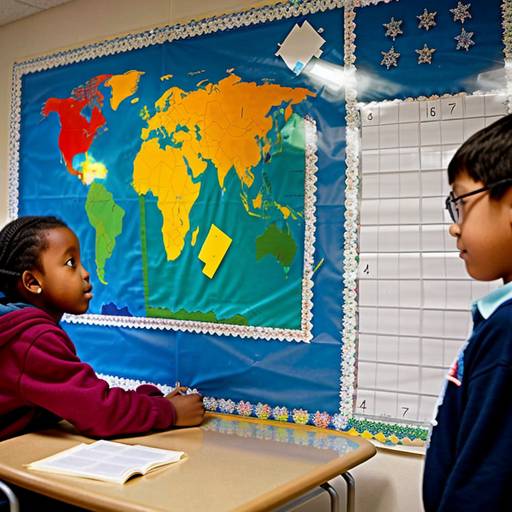
This lesson plan focuses on introducing third-grade students to the concept of fractions and teaching them how to compare different fractions. Beginning with a discussion about real-life situations involving sharing pizza or cake, students learn about numerators and denominators using hands-on examples such as fraction circles and paper plates.
In small groups, students create and compare various fractions, discussing which ones are larger or smaller. This collaborative activity fosters understanding through peer interaction. After guided practice, students work independently on worksheets that require them to choose larger or smaller fractions, as well as draw number lines to visualize fraction placement.
The lesson concludes with a review of the concepts learned, allowing students to share their findings and reflections. To assess understanding, the teacher observes group discussions and evaluates completed worksheets. The plan also includes extensions for advanced students and modifications for those needing additional support. Overall, the lesson aims to make fractions relatable and comprehensible while building foundational skills in comparing fractions.

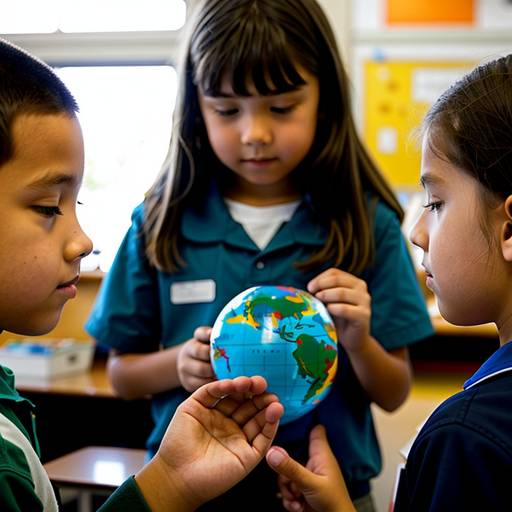
This lesson plan focuses on introducing 3rd-grade students to the concept of matter in physical science, emphasizing the three states: solids, liquids, and gases. The lesson begins with an engaging video or demonstration to capture students' interest, followed by a discussion that prompts them to identify everyday examples of each state of matter.
The instruction includes clear definitions and properties of matter, explaining how it can change states. Students then participate in a hands-on, interactive activity at three different stations, where they observe and describe the characteristics of solids, liquids, and gases using various materials. Each station is complemented by a worksheet for students to record their observations.
The lesson concludes with a group discussion and a drawing activity that allows students to express their understanding of matter creatively. Assessment is based on their participation, completed worksheets, and drawings. Differentiation strategies are included to support varying learning needs, as well as extension activities for further exploration. The overall goal is to provide students with a foundational understanding of matter and its properties through engaging and interactive experiences.
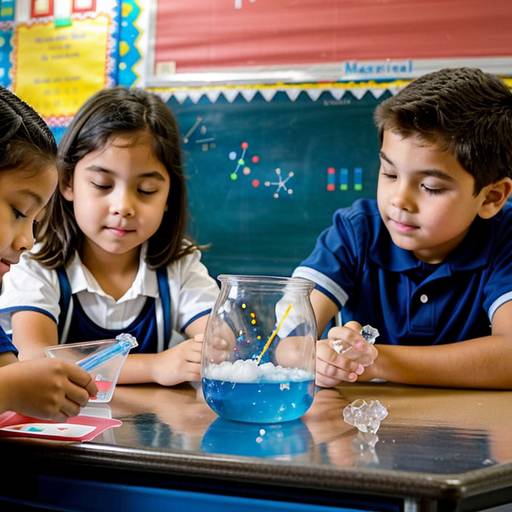
In this 1st-grade science lesson, students will explore the concept of matter and its three states: solids, liquids, and gases. The lesson begins with an introduction to matter, highlighting its definition and properties through visual aids and real-life examples. Students will engage in a discussion to classify various items as solid, liquid, or gas, sharing personal observations. They will then complete an interactive worksheet that reinforces their understanding of each state of matter.
For a hands-on experience, students will participate in a simple experiment, observing a clear cup of water and a balloon filled with air to see the characteristics of liquids and gases. The lesson will conclude with a recap and a sharing session, allowing students to express what they learned. The overall goal is to cultivate curiosity and foundational knowledge of matter through engaging discussions, activities, and personal exploration. An extension activity will encourage students to bring items from home to create a "Matter Museum" for further exploration and discussion in future classes.
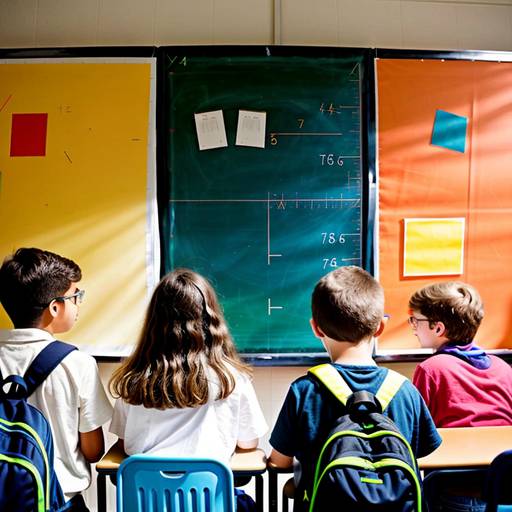
This lesson plan focuses on teaching 5th-grade students the fundamentals of measurement, specifically length and time. It begins with a warm-up discussion that highlights the importance of measurement in everyday life. Students learn about different units of length (inches, feet, meters) and how to read both analog and digital clocks. They engage in a hands-on measurement station activity, where they work in small groups to measure various classroom objects and use stopwatches to time simple tasks. Independent practice involves completing a worksheet that requires them to measure items and record the time taken for activities. The lesson concludes with a class review where students share their observations and reflect on the relevance of measurement in real-life situations. Assessment is conducted through observation during group work and by checking worksheet responses. The plan also offers extensions for further exploration and differentiation strategies to support diverse learners. Finally, it suggests a follow-up lesson to introduce area and volume, allowing students to build on their understanding of measurement.
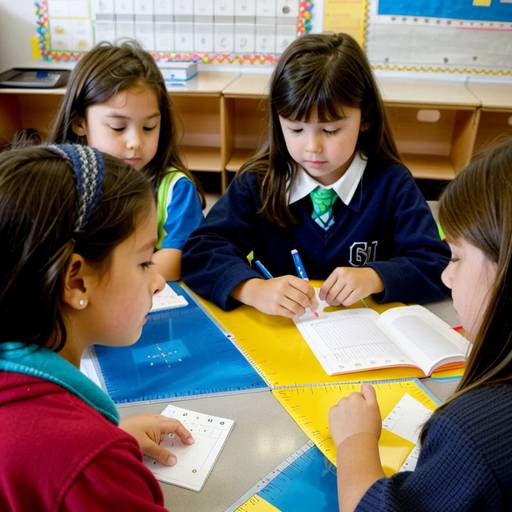
In this 60-minute math lesson for 3rd graders, students will explore measurement and area through interactive activities and hands-on practice. The lesson begins with discussions about the importance of measurement in everyday life, followed by demonstrations on measuring length using rulers in both inches and centimeters.
Students will learn the formula for calculating the area of rectangles (Area = Length x Width) with guided examples. They will then work in pairs to measure various objects, record the dimensions, and calculate the area together.
During independent practice, students will complete a worksheet with different rectangles drawn on graph paper, using their skills to measure and calculate the area of each shape. The teacher will conclude the lesson by reviewing key concepts and allowing students to share their findings. Assessment will be based on observations during group activities and the completion of worksheets. To extend learning, students will measure a room at home for homework and report back to the class. This engaging lesson reinforces essential math skills through collaboration and individual exploration.