
Filters
Level
Grade
Subject
Subject Area
Subject Topic
Standard(s)
Audience
Keyword
DurationMinutes
Elementary School Lesson Plans

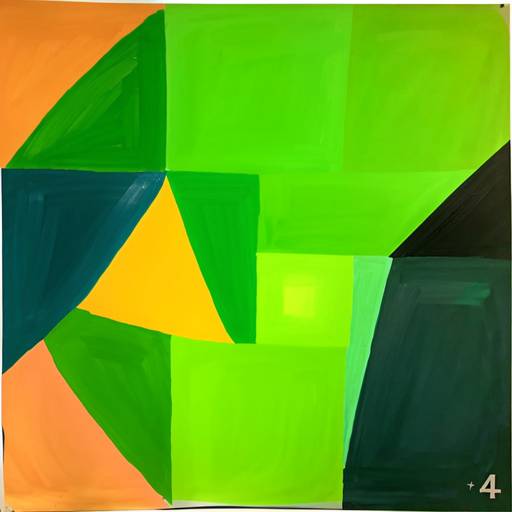
This lesson plan focuses on introducing 3rd-grade students to basic geometric shapes and the concept of area. The lesson begins with an engaging discussion about shapes found in the classroom and environment, followed by direct instruction on how to calculate the area of squares and rectangles using the formula: Area = Length × Width. Students participate in guided practice by drawing shapes on graph paper and calculating their areas.
The lesson includes a hands-on activity where students go outdoors for a shape scavenger hunt, measuring real-world examples of geometric shapes they find. They apply their understanding of area by calculating the dimensions of these shapes. To wrap up, the class reconvenes to share findings and review the concepts taught. Assessment opportunities may include a worksheet that reinforces the learning objectives.
Differentiation strategies are incorporated to support varying learning needs, ensuring that all students engage effectively with the material. The overall goal is to foster a deeper understanding of geometric shapes and area through practical application and collaboration.

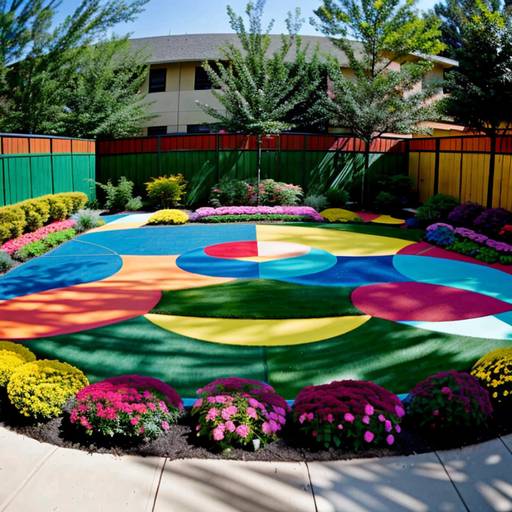
This 2nd-grade art lesson focuses on teaching students the fundamentals of shape and color in drawing. During the class, students will learn to recognize and combine basic shapes to create flower and plant drawings, using colorful materials such as markers, crayons, and paints. The lesson begins with a discussion about gardens and visual references, followed by a demonstration on how to draw simple flowers using basic shapes and incorporate various coloring techniques. Students will then engage in an individual drawing activity, where they will create their own unique flowers, share their work with classmates, and explore their creativity. Finally, the class will collaborate to assemble a vibrant garden mural, combining their individual artworks into a cohesive display. The lesson emphasizes active participation and encourages students to reflect on their artistic process, promoting both individual expression and teamwork. Cleanup will also be incorporated to foster responsibility for shared materials.
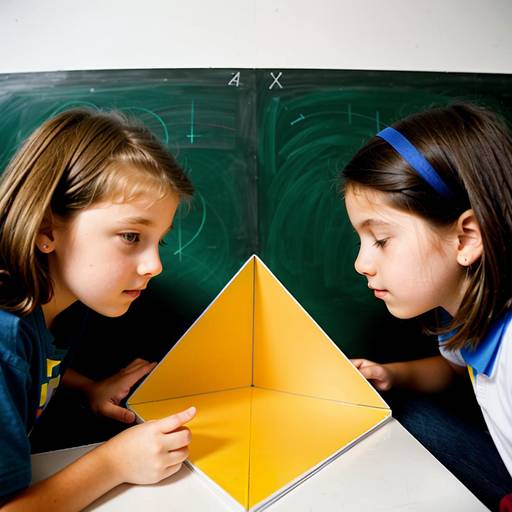
In this 4th-grade math lesson, students will explore geometric shapes and learn about perimeter. They will begin with an introduction to common shapes such as squares, rectangles, triangles, and circles, discussing their properties and real-life applications. Following this, students will learn how to calculate the perimeter for each shape using specific formulas.
During guided practice, they will work on a worksheet where they will calculate the perimeter of various shapes. This will be followed by a hands-on activity where students, in pairs, will create their own shapes using graph paper and scissors, measure the sides, and calculate the perimeter of their creations.
At the end of the lesson, students will have the opportunity to share their work, reflecting on their learning experiences. The lesson will be concluded with a quick quiz or review game to reinforce the concepts covered. Assessment will focus on students' worksheet completion, participation in the activity, and a short exit ticket to capture their learning. Differentiation strategies will be employed to support varying levels of understanding among students.
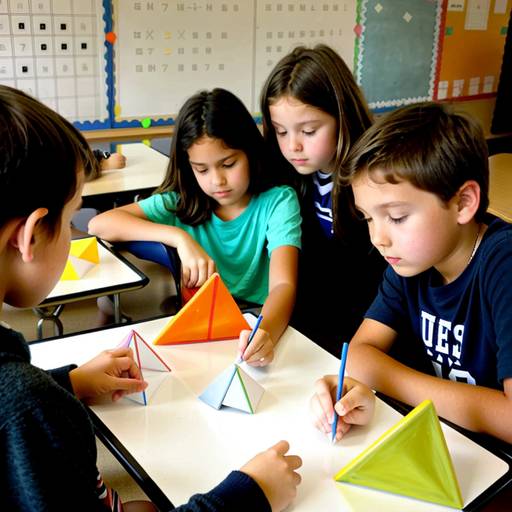
In this 5th-grade math lesson focused on geometry and angles, students will learn to identify and measure different types of angles, including acute, right, and obtuse angles. The lesson begins with a review of geometrical concepts and visual examples, followed by direct instruction on how to use protractors for measuring angles in various shapes. Students will participate in guided practice by measuring angles on worksheets and will engage in a hands-on activity where they create their own geometric shapes, labeling the angles and calculating their measurements. The session concludes with a group discussion to reinforce concepts and an exit ticket for self-reflection on their learning experience. Throughout the lesson, opportunities for differentiation will ensure all students can grasp the material effectively while challenging advanced learners to explore more complex geometric concepts.
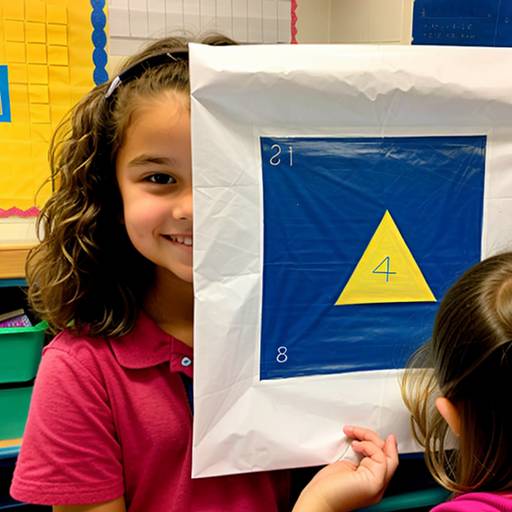
In this 3rd-grade math lesson plan, students will explore the concepts of measurement and perimeter through hands-on activities and guided instruction. They will learn about perimeter as the distance around shapes and practice measuring using rulers and tape measures. The lesson begins with an introduction to perimeter, followed by direct instruction on how to measure different shapes and calculate their perimeter using appropriate formulas.
Students will then work in small groups to measure shapes with provided templates, calculating and recording their findings. An engaging hands-on activity will allow them to create their own shapes using string or yarn, measure their sides, and determine the perimeter.
The lesson concludes with student presentations of their shapes and calculations, reinforcing their understanding of the concepts. Assessment will be conducted through observation during group activities and review of completed worksheets. Extensions and modifications are included to cater to diverse learning needs. This approach promotes collaboration and practical application of measuring skills.
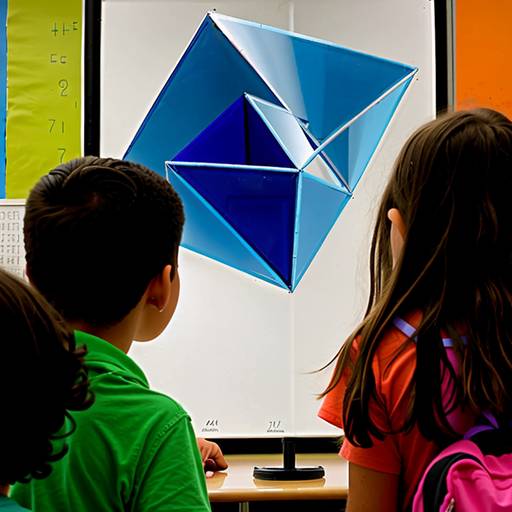
In this engaging 4th-grade math lesson, students will explore the concepts of geometry and symmetry. The lesson begins with an introduction to symmetry through visual examples and a discussion about its significance in everyday life. Students will participate in guided practice using mirrors to identify symmetrical and asymmetrical shapes. They will then move into an independent activity, where they create their own symmetrical designs on white paper, utilizing markers and rulers to enhance their artwork. Following the creation process, students will display their designs in a “Symmetry Gallery Walk” to share their work and understanding with classmates. The lesson concludes with a reflection on what they learned and the distribution of a “Symmetry Scavenger Hunt” worksheet for homework, encouraging students to find and recognize symmetry in their environment. Assessment will focus on student participation, their finished designs, and the completed scavenger hunt. Extensions for advanced students and modifications for those needing additional support are also included to cater to diverse learning needs.
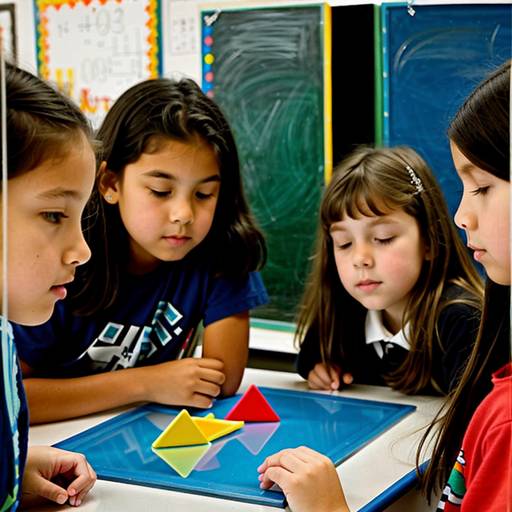
In this engaging 3rd-grade math lesson focused on geometry and symmetry, students will explore the concepts of symmetrical and asymmetrical shapes. The lesson begins with a discussion about symmetry using real-life examples displayed on a poster, followed by defining key vocabulary related to symmetry.
Through a demonstration on the whiteboard, students will learn how to identify lines of symmetry in various geometric shapes while participating in a sorting activity. Guided practice includes using mirrors to draw symmetrical designs, where students will see firsthand how one side of their artwork mirrors the other.
Independent practice features a worksheet where students will identify symmetrical shapes, draw their own, and create colorful designs using shape cut-outs. To conclude, the lesson recaps symmetry’s importance, and students will complete an exit ticket reflecting on examples of symmetry they observe in their environment.
Assessment includes monitoring student participation and reviewing their worksheets and designs. The lesson also offers extensions for advanced learners, reinforcing and deepening their understanding of symmetry concepts through interactive activities.
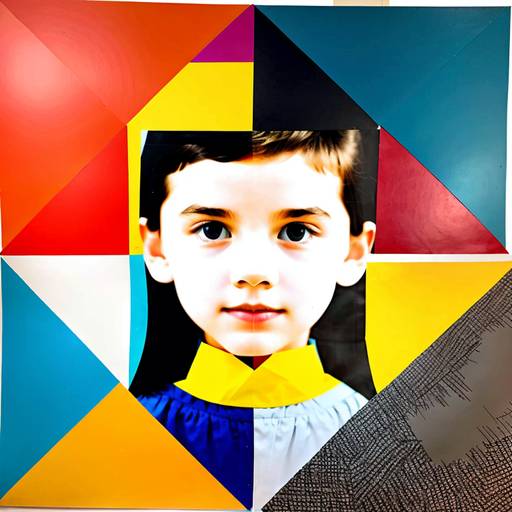
In this art lesson for 1st graders, students will explore the concept of collage by focusing on shapes and textures. The session begins with an introduction to collage and a discussion about the various shapes found in their environment. A demonstration follows, teaching students how to cut shapes from construction paper and magazines, as well as how to layer and glue these pieces together. After practicing cutting shapes, students will create their own unique collages, encouraging creativity and individual expression. Once completed, they will share their artwork with classmates, explaining the shapes and ideas behind their creations. The lesson emphasizes the understanding of basic art techniques and promotes artistic growth through hands-on experience. Cleanup time is designated to ensure a tidy workspace. Extensions are available for students who finish early, allowing for additional creative exploration.

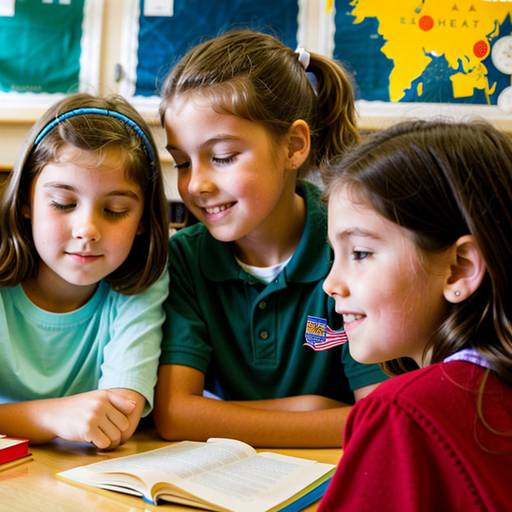
In this 3rd-grade language arts lesson, students will explore reading comprehension through the use of various reading strategies. The class begins with a discussion about the importance of reading and student predictions based on the cover of a selected story. Students will learn and practice strategies such as predicting, summarizing, questioning, visualizing, and making connections as they read the story aloud.
After the reading, students will engage in small group discussions to share insights and reflections on the text, focusing on the main idea and their predictions. Finally, they will create graphic organizers to illustrate the main idea and key details from the story, allowing for creative expression. The lesson concludes with a review of how these strategies enhance reading comprehension, encouraging students to apply them in their future reading experiences. Assessment will include observations during discussions and the evaluation of graphic organizers. Differentiation will be provided to support various learning needs.
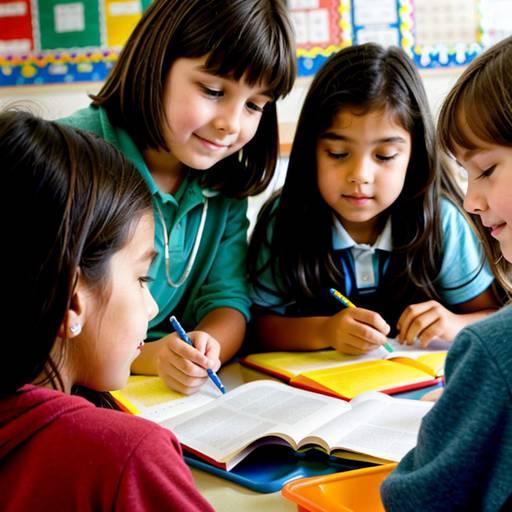
This 2nd-grade Language Arts lesson plan focuses on enhancing reading comprehension through an engaging storybook reading experience. Students will begin by discussing their favorite stories and their adventures before a guided reading session of a selected book, where they will learn to identify key story elements such as characters, setting, and plot. Throughout the reading, students will be encouraged to ask questions and share their thoughts using sticky notes. After the reading, the class will engage in a discussion to reflect on the story and its messages.
Students will then create a story map graphic organizer that includes drawings and written summaries of the key story elements they identified. Finally, students will share their story maps with the class, promoting peer feedback and reinforcing their understanding. The lesson will be assessed through observation and review of students' completed story maps, allowing differentiation for varying reading levels. Overall, the lesson aims to foster a love for reading while developing comprehension skills.