
Filters
Level
Grade
Subject
Subject Area
Subject Topic
Standard(s)
Audience
Keyword
DurationMinutes
Elementary School Lesson Plans

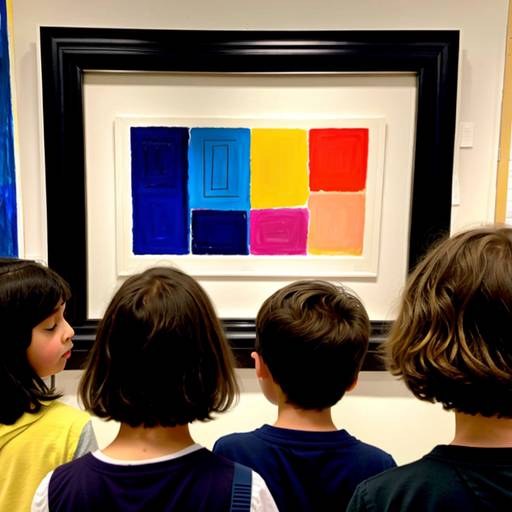
This lesson plan is designed for 4th grade students to explore significant art movements, specifically Impressionism, Cubism, and Surrealism. The class begins with an engaging introduction to art history, where students discuss their favorite artworks and learn about the context and characteristics of each art movement. Through visual presentations, students examine iconic works by artists such as Monet, Picasso, and Dalí, gaining insights into the distinctive features and historical influences that shaped these movements.
Following the presentations, students participate in group discussions to delve deeper into their assigned movements, sharing interesting facts with their peers. The lesson culminates in a creative activity where each student creates their own artwork inspired by one of the movements, allowing them to apply what they’ve learned through hands-on practice. Finally, students present their artworks to the class, fostering a sense of confidence and community. The lesson concludes with reflections on their experiences, with opportunities for assessment based on participation and creativity. Extensions include creating a bulletin board to showcase student work and organizing a mini-exhibition for families. Overall, the lesson combines art history with creative expression, encouraging students to engage with and understand the evolution of art.

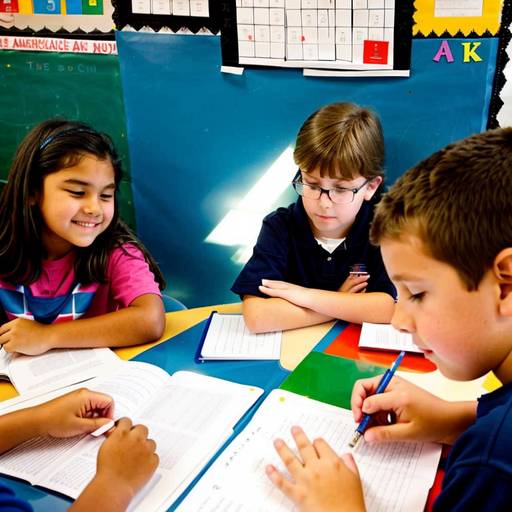
This fourth-grade social studies lesson focuses on exploring the various roles within a community and understanding their significance. Students will engage in a class discussion to identify different community occupations and their responsibilities. They will work in small groups to create a visual representation of their community, incorporating specific roles and illustrating how each contributes to the overall functioning of the community. Each group will present their project to the class, fostering collaboration, critical thinking, and public speaking skills. The lesson culminates with a reflection activity where students write about a community role they find intriguing. Assessment will be based on participation during discussions and the quality of group presentations. Extensions may include field trips or guest speakers to enhance learning further, while accommodations will be provided to support diverse learners.
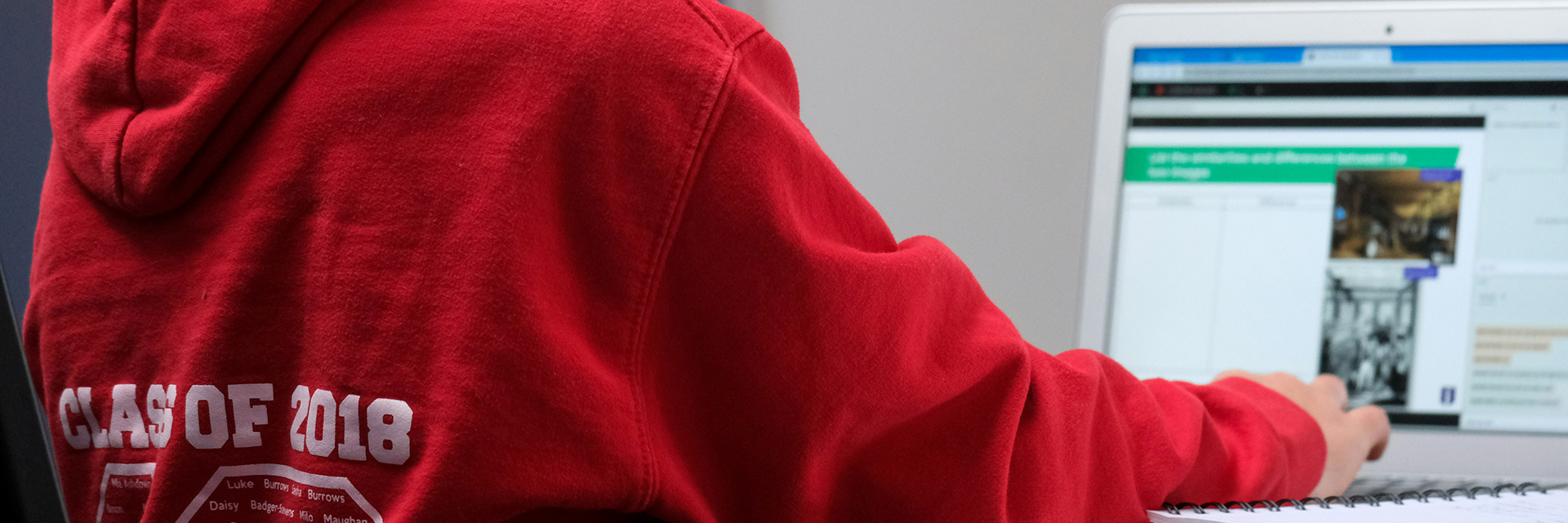
In this 5th-grade technology lesson, students will develop essential internet skills focused on online research and effective information gathering. The lesson begins with discussions on internet safety and the importance of evaluating the credibility of sources. Students will learn how to identify reputable websites and practice using advanced search techniques to enhance their research capabilities.
Throughout the class, students will gather information, assess the reliability of different online sources, and organize their findings using a structured checklist. They will then have the opportunity to create presentations using their research and share their findings with peers. The lesson emphasizes active participation, critical thinking, and effective communication, preparing students for future research projects in a digital age. Assessment will involve student presentations, worksheets, and group activities that gauge their understanding and application of online research skills.
Extensions of the lesson may include creating detailed reports or infographics based on their research, as well as exploring digital citizenship concepts related to copyright and source attribution. Overall, the lesson aims to equip students with practical skills for navigating the internet responsibly and effectively in their academic endeavors.
In this 4th-grade technology lesson, students will learn the fundamentals of using the internet effectively, focusing on search engine basics. The class will begin with a discussion about students' experiences using the internet to gather information. The teacher will demonstrate how to search using various keywords in a search engine, illustrating how to refine searches for better results.
Following the demonstration, students will engage in an activity where they will conduct searches related to specific questions, documenting their findings and evaluating the websites for credibility. In pairs, they will explore their chosen topics more deeply, utilizing a checklist to assess the trustworthiness and relevance of the information they find. The lesson will conclude with students sharing interesting facts with the class, emphasizing the importance of reliable sources in their research.
Through this lesson, students will gain essential skills in online searching, enabling them to navigate the digital world confidently and responsibly.

In this 4th-grade physical science lesson, students will explore the concepts of motion and the forces affecting it, such as push, pull, friction, and gravity. The lesson begins with a discussion to define motion and identify examples students encounter in their daily lives. Following an engaging demonstration using a toy car, students will be divided into small groups to conduct hands-on experiments using ramps of varying inclines and different surface textures. Each group will time their car's travel distance and record their observations, encouraging them to analyze how the angle and surface impact motion. The lesson concludes with a sharing session where students discuss their findings and reflect on the relevance of these concepts in everyday life. Assessment will involve reviewing the recorded data and observing group participation, with extensions available for those seeking additional challenges. Safety precautions will be emphasized throughout the activities to ensure a safe and productive learning environment.
This lesson plan for 3rd-grade students focuses on developing essential internet skills and promoting online safety awareness. Over the course of one hour, students will engage in discussions about the internet, learn key terminology, and participate in hands-on activities to navigate web browsers effectively and conduct safe online research. They will work in pairs to find information using child-friendly search engines while practicing important safety rules, such as never sharing personal information and consulting an adult when unsure.
Students will then collaborate to create posters that illustrate one of the internet safety rules and present their work to the class. The lesson concludes with a review of the key concepts and an interactive quiz to assess understanding. Through this engaging and interactive approach, students will gain valuable skills for navigating the internet safely and responsibly, preparing them for future online experiences.
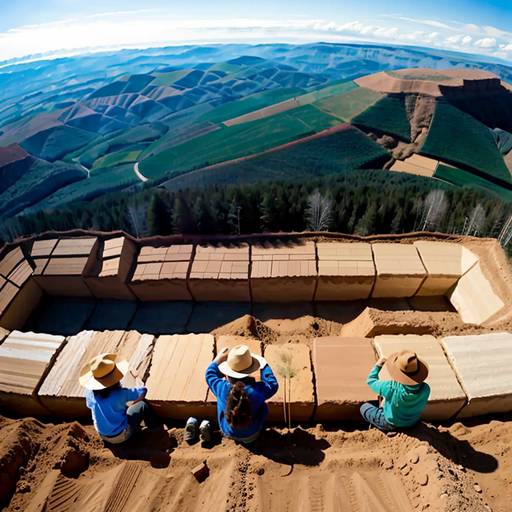
In this Earth Science lesson for 4th graders, students will explore the different layers of soil and their characteristics. The lesson begins with a discussion to activate prior knowledge, followed by a multimedia presentation that illustrates soil types and layers, including topsoil, subsoil, clay, and bedrock.
Students will engage in a hands-on activity where they will collect and layer various soil types in clear plastic cups, adding water to observe changes in texture and drainage. This experiential learning opportunity is complemented by an observation segment where students use magnifying glasses to examine the soil up close, drawing and labeling their findings in their notebooks.
The lesson emphasizes the importance of soil in supporting plant life and ecosystems through guided discussions and reflections. Students will share their observations and insights, reinforcing their understanding of the role soil plays in the environment. Assessment will include participation during discussions, review of drawings, and a brief quiz covering key concepts. To extend their learning, a follow-up field trip or home gardening project can be introduced, promoting real-world application of their knowledge.
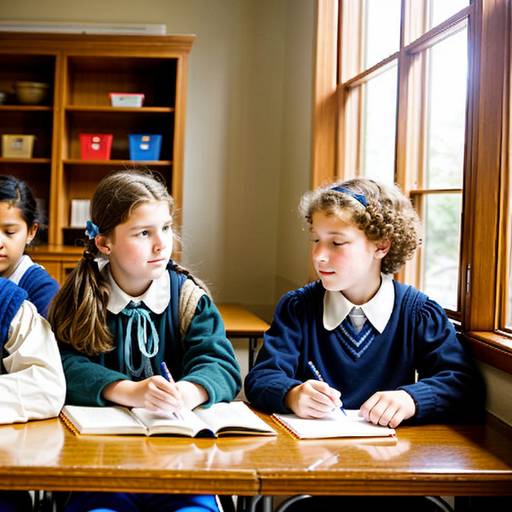
In this 5th-grade social studies lesson, students will explore the lives and contributions of significant American pioneers. The lesson begins with an introduction to the concept of pioneers, followed by group research on specific historical figures such as Davy Crockett, Sacagawea, Harriet Tubman, and Lewis and Clark. Working in small groups, students will gather information from provided biographies and online resources to understand their assigned figure’s major accomplishments, challenges, and impact on the United States.
After researching, each group will create a presentation or poster to summarize their findings, incorporating visual elements to enhance their sharing. Students will then present their work to the class, fostering engagement through questions and discussions. The lesson will conclude with a reflection on the ongoing influence of these pioneers in today’s society. Assessment will focus on group participation and the quality of presentations, while extensions include creative writing activities and a themed day to further immerse students in pioneer history. Differentiation strategies are in place to support diverse learning needs, ensuring an inclusive and enriching experience for all students.

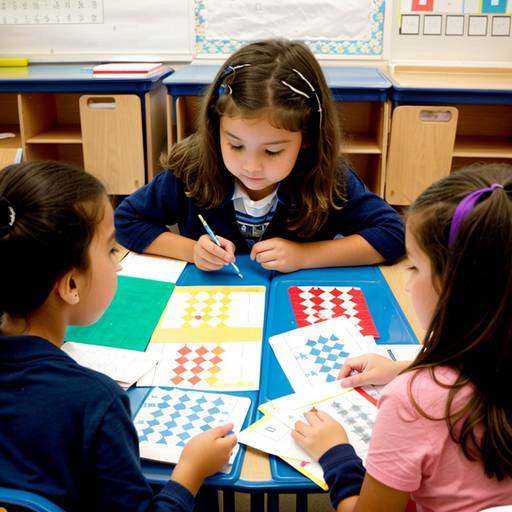
In this engaging 3rd-grade math lesson, students will explore the concept of multiplication as a form of repeated addition. The lesson begins with a discussion to recall prior knowledge, followed by a demonstration using visual aids such as counters to illustrate how multiplication works. Students will then create a multiplication chart on the whiteboard, identifying patterns within the multiplication facts.
During a group activity, students will use pattern blocks or colored paper shapes to create visual representations of multiplication patterns. Each group will present their work, explaining the multiplication reasoning behind their patterns. Independent practice will involve a worksheet featuring multiplication problems and exercises focused on recognizing numerical patterns.
The lesson closes with a class discussion about the real-world applications of patterns in everyday life. Throughout the session, the teacher will monitor understanding and provide feedback, ensuring that all students grasp the concepts of multiplication and pattern recognition effectively. Extensions are included for advanced learners and additional support for those needing more guidance.
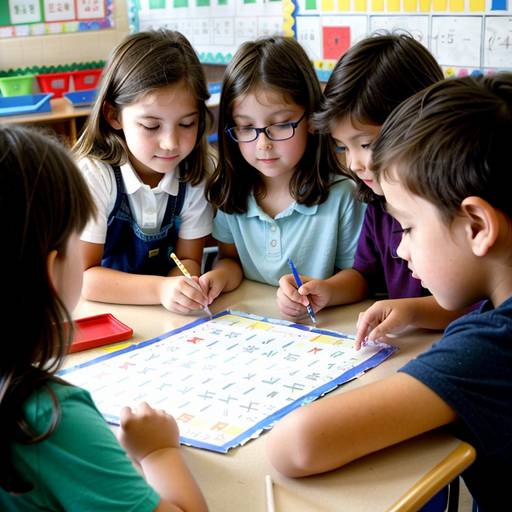
In this 1st-grade math lesson, students will explore the concept of addition with single-digit numbers through engaging activities and hands-on learning. The objective is to help students understand how to combine numbers and solve addition problems with sums up to 10.
The lesson begins with a group discussion, allowing students to share their prior knowledge of addition. The teacher will use a whiteboard to demonstrate addition problems, utilizing a number line and counters to visualize the process. After this direct instruction, students will engage in guided practice in small groups, using counters to solve a set of addition problems collaboratively.
Following guided practice, students will independently complete worksheets with single-digit addition problems, with access to manipulatives as needed. To reinforce learning, the class will participate in an interactive story time, where simple word problems are presented, and students will act out the solutions with their counters.
The lesson concludes with a review of key concepts and allows students to share their experiences, reinforcing their understanding. Assessment will be conducted through observation and worksheet review, with differentiation strategies in place to support diverse learning needs. Extensions, such as creating their own addition problems, will encourage further engagement and application of skills beyond the classroom setting.