
Filters
Level
Grade
Subject
Subject Area
Subject Topic
Standard(s)
Audience
Keyword
DurationMinutes
Elementary School Lesson Plans

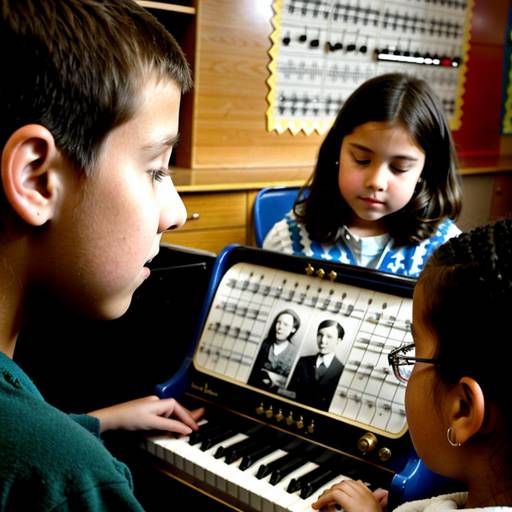
In this engaging 3rd-grade music lesson, students will explore various musical styles throughout history and their cultural significance. The class starts with an interactive discussion where students share familiar musical styles and their feelings about music. This is followed by listening to short audio clips from different genres, including classical, jazz, rock, folk, and blues, prompting students to reflect on what they hear and the emotions it evokes.
Students will then break into small groups, each assigned a specific musical style to research using provided worksheets. They will create informative posters that highlight key characteristics, instruments, and historical contexts related to their genre. Additionally, the groups will experiment with available instruments to compose a simple rhythm or melody inspired by their assigned style.
The lesson concludes with each group presenting their poster and performance to the class, allowing them to share their findings and creative interpretations. The unit aims to underline the connection between music and history, enhancing students’ appreciation for diverse musical expressions. Opportunities for further research and classroom activities will encourage students to delve deeper into the world of music.

This fifth-grade science lesson focuses on exploring astronomy and the characteristics of stars. Throughout the 60-minute session, students will engage in a variety of activities designed to deepen their understanding of the types of stars, their life cycles, and the classification of constellations. The lesson begins with an engaging video to capture students' interest, followed by a PowerPoint presentation that covers the key concepts related to stars, including their various forms and developmental stages.
Students will then work in small groups to create their own star charts using black construction paper and chalk or stickers, facilitating hands-on learning and creativity. Each student will choose a star or constellation to research and complete a write-up that includes important details and interesting facts. The class will conclude with a sharing session where students present what they learned. Assessment will be based on participation, the completed star chart, and the quality of the write-up. Extension activities, like organizing a star-viewing event, will encourage further exploration of the topic and engagement with the community.
This 4th-grade science lesson focuses on astronomy, specifically stars and constellations. Students will begin by observing the night sky through a short video and discussing their experiences with stargazing. The lesson then provides an overview of the characteristics of stars and the concept of constellations, highlighting a few well-known examples and their cultural significance.
Through guided practice, students will explore star maps to identify a constellation of their choice, using accompanying books or resources to gather interesting facts. The main hands-on activity involves students creating their own constellation on dark construction paper, drawing stars and connecting them, while inventing a name and story for their creation.
Finally, students will share their constellations and stories with the class, reinforcing their understanding of the material. Assessment will be conducted informally through observation and a brief exit ticket to capture what they learned. The lesson also includes ideas for extensions and reflections for future improvement.
In this 4th-grade science lesson, students will explore the solar system and space exploration. The lesson begins with a discussion about space and an engaging presentation that highlights key components of the solar system, including planets, the sun, and the role of astronauts. After introducing essential vocabulary, students will work in small groups to create models of assigned planets using Styrofoam balls and other materials, encouraging teamwork and creativity.
Each group will present their model to the class, sharing interesting facts about their assigned planet. Following the group activity, students will complete a worksheet that requires them to summarize what they learned and draw a picture of their favorite planet or spacecraft. The lesson concludes with a class discussion where students can share their favorite facts or experiences. The assessment will involve evaluating participation in discussions, presentations, and completeness of the worksheets. Opportunities for extension include creating a classroom display of the solar system and exploring further documentaries or virtual field trips related to space exploration. Reflection activities will help the teacher assess student engagement and areas for improvement in future lessons.
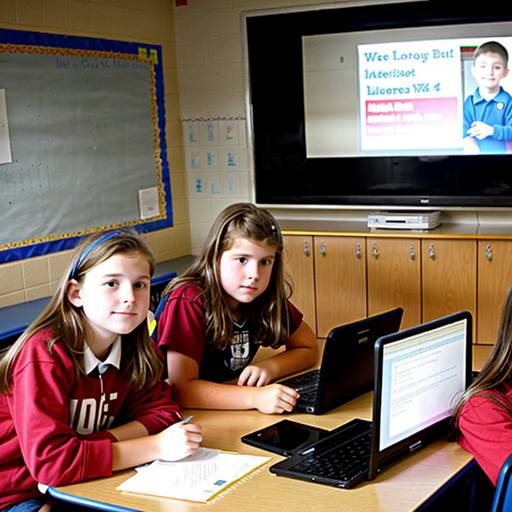
In this 4th-grade technology lesson, students will develop essential internet skills for effective and responsible online research. The lesson begins with a discussion about the importance of the internet as a research tool, highlighting how to identify reliable sources. Using a projector, the teacher will demonstrate effective search techniques and review tips for internet safety. Students will then work in small groups, assigned different research topics, to gather information using curated reliable websites. Each student will take notes and later write a summary paragraph about their topic, focusing on paraphrasing rather than copying. The lesson concludes with group presentations and a recap emphasizing the importance of source evaluation and online safety. Assessment will involve observing group participation, and reviewing summary paragraphs for understanding. Extensions will encourage students to further explore related topics for future presentations. Adaptations will be made for students needing additional support, ensuring a comprehensive and engaging learning experience for all.
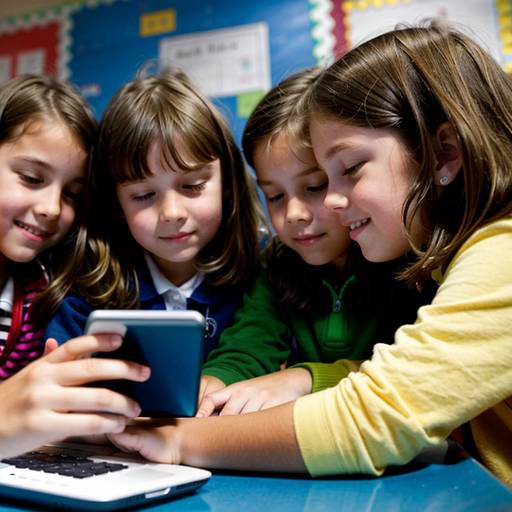
In this 60-minute technology lesson for 2nd graders, students will learn essential internet skills and the importance of safety while browsing online. The lesson begins with a discussion about students' interests in using the internet, followed by a guided practice where they identify safe and unsafe websites based on specific features. Key internet safety tips are introduced and reinforced with printed handouts, encouraging student engagement through questions and sharing personal insights.
During the independent activity, students will explore teacher-selected, safe websites using laptops or tablets and note one interesting observation from each site. The lesson concludes with a fun "Internet Safety Bingo" game, where students match scenarios related to internet use against their Bingo cards while discussing each scenario to reinforce their understanding of safe practices.
Assessment will be conducted through observations of student participation and understanding during the activities. The lesson incorporates differentiation strategies to support diverse learning needs and wraps up with a reflection where students can share new insights gained about internet safety or their favorite discovered website, fostering a sense of community and shared learning.

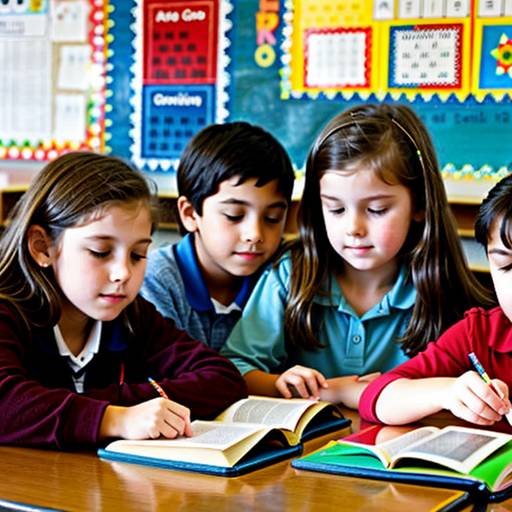
In this 2nd-grade Language Arts lesson, students will explore different reading genres, including fiction, non-fiction, poetry, and informational texts. The lesson begins with a discussion to introduce the concept of genres and an interactive classification activity where students work in pairs to sort book titles and pictures into the appropriate categories. After learning about the characteristics of each genre, students will choose a book to read independently. They will then create a drawing related to their chosen book and write a sentence describing the genre and their reaction to the story. The lesson concludes with student sharing and a recap of the four genres, fostering a deeper understanding and appreciation of diverse reading materials. Assessment includes observation during activities and evaluation of students' drawings and sentences. An extension activity encourages ongoing exploration of genres through a classroom display and a weekly genre-focused project.
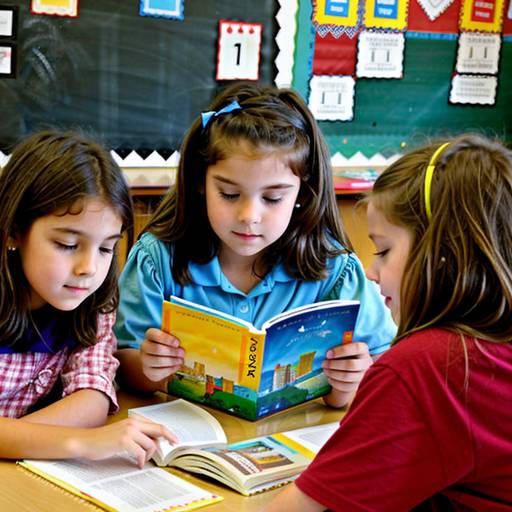
In this 3rd-grade language arts lesson, students will explore various genres of literature, including fiction, nonfiction, poetry, and fantasy. The lesson begins with a discussion to help students identify different types of books they may already know. Key characteristics of each genre are introduced through direct instruction, utilizing posters and engaging questioning to enhance understanding.
Next, students participate in a “Genre Scavenger Hunt,” working in small groups to find examples of books that fit into the discussed genres within the classroom or library. They record their findings and later share them with the class, fostering collaboration and discussion.
To conclude, students receive bookmarks with genre definitions and recap what they learned about the four genres. Assessment is conducted through observation during group activities and by reviewing collected worksheets. Differentiation strategies are included to support varied learning needs, and extension activities encourage further exploration of genres. Overall, the lesson aims to cultivate a passion for reading by emphasizing the diversity of literature available to students.
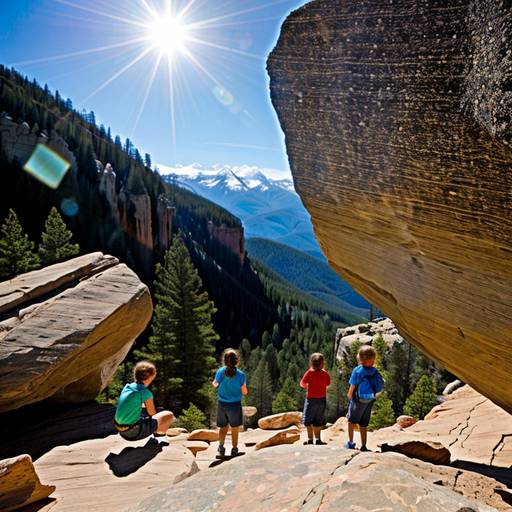
This lesson plan is designed for third-grade students to explore Earth Science with a focus on rocks. It begins with an engaging introduction featuring videos or images of unique rock formations to spark student interest. The lesson introduces the three main types of rocks—igneous, sedimentary, and metamorphic—along with their characteristics and formation processes, and includes a discussion on the rock cycle.
Students engage in hands-on activities where they work in small groups to observe and classify rock samples using hand lenses and classification charts, completing a worksheet to document their findings. Following this guided exploration, students create posters centered on their favorite rock type, which they will present to the class. The lesson concludes with a review of key concepts and an exit ticket activity to assess student understanding and address any lingering questions. Through collaborative discussions, artistic expression, and observational skills, students gain a foundational understanding of rocks and their significance in the Earth's systems.
This 2nd grade science lesson focuses on the fundamental concept of matter, exploring its three states: solid, liquid, and gas. Students will engage in discussions to define and identify these states using everyday examples. Through a hands-on experiment, they will observe the melting of ice to understand state changes and the properties of each state. In small groups, students will document their findings through drawings and shared observations. The lesson concludes with a review of concepts and an exit ticket activity to assess understanding. This interactive approach fosters inquiry and collaboration while engaging students in the fascinating world of physical science.