
Filters
Level
Grade
Subject
Subject Area
Subject Topic
Standard(s)
Audience
Keyword
DurationMinutes
Elementary School Lesson Plans

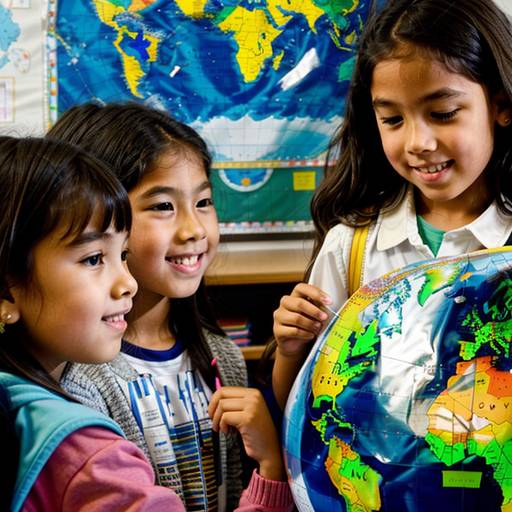
In this 1st grade social studies lesson, students will explore basic geographical concepts and the use of maps. The lesson begins with a discussion about maps and globes, allowing students to share their prior knowledge. Through direct instruction, they will learn about land, water, symbols, and the compass rose using a large world map.
During guided practice, students will work in pairs to identify and discuss symbols on printed maps. Following this, they will engage in a creative activity where they design their own simple maps of a room, incorporating recognizable symbols. The lesson concludes with students sharing their maps with the class, reflecting on what they learned by writing notes for a classroom display.
Assessment will be conducted through observation during activities and map collection for feedback. Additional extensions will be offered for students who quickly grasp the concepts, including creating treasure maps. The lesson aims to foster curiosity about geography and the importance of maps in understanding the world.
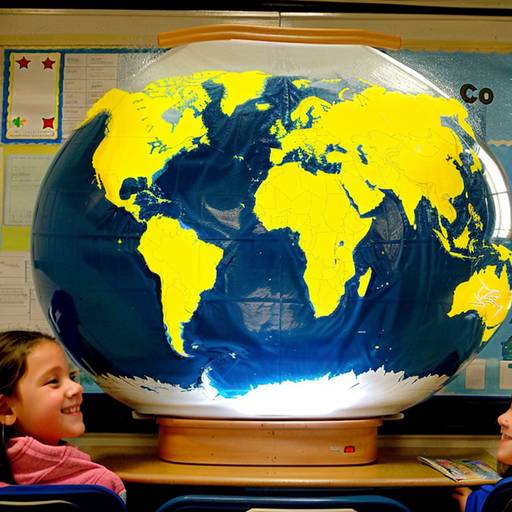
This lesson plan for 3rd-grade students focuses on introducing basic geography concepts and cultural awareness through the exploration of various countries. Over the course of an hour, students will learn to identify and locate different countries on a world map and discover key cultural aspects such as language, food, and traditions associated with selected countries. The lesson begins with a discussion about geography, followed by direct instruction featuring 3-5 specific countries. Students will then engage in guided and independent practice by coloring country outlines and creating cultural fact cards that include essential information about their chosen country. The lesson concludes with opportunities for students to share their work with peers, promoting collaboration and communication. Assessment is based on participation and the completion of the fact cards. Extensions for the lesson encourage further exploration of cultures, such as pen pal exchanges and a cultural day event. Overall, the lesson aims to foster curiosity and respect for diversity while developing foundational geography skills.

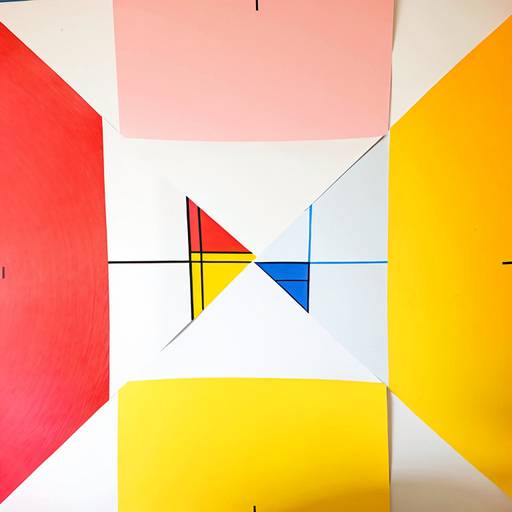
This first-grade lesson plan focuses on introducing students to the basic concepts of geometry, specifically related to lines and shapes. The lesson begins with a discussion to gauge students' prior knowledge about lines, followed by a demonstration of three types of lines: straight, curved, and zigzag. Students engage in identifying these lines through guided practice, including a "line hunt" around the classroom to find real-world examples.
As part of their independent practice, students create their own shapes using different types of lines, allowing for creativity and personal expression. They then share their shapes with partners to reinforce their understanding. The lesson concludes with a recap of the key concepts and an exit ticket activity, where students identify one line type and one shape they've created. Assessment is based on student participation, the shapes they create, and their exit ticket responses. Differentiation strategies are included to support various learners, and potential extensions encourage further exploration of geometry through technology and outdoor activities.
This lesson introduces 2nd-grade students to the concept of timelines in history. It begins with a story about a famous historical figure to spark interest, followed by a discussion about key events in both history and personal lives. Students learn how to create a timeline by examining a pre-made poster of significant historical events and collaboratively building a large classroom timeline using sticky notes to represent their suggestions. For independent practice, students draw and write about three important events in their lives on blank paper, ensuring they are arranged chronologically. The lesson concludes with student presentations of their personal timelines, reinforcing the connection between individual experiences and broader historical narratives. The lesson is designed to engage students through interactive activities, assessment through observation, and opportunities for differentiation based on individual learning needs.
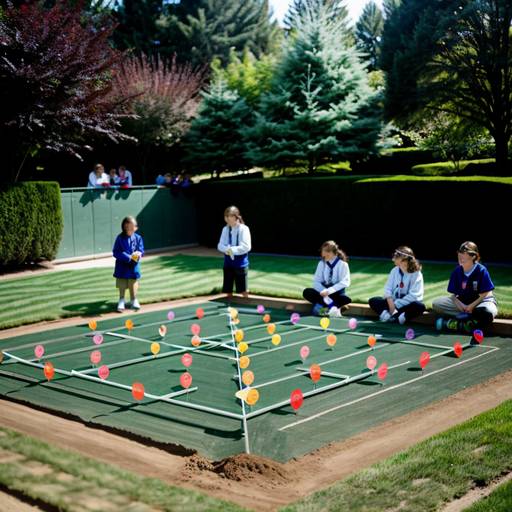
In this 5th-grade math lesson, students will explore the concept of perimeter and its practical applications through engaging activities. The lesson begins with a discussion about gardens, prompting students to consider how perimeter is essential for planning these spaces. Through direct instruction, students will learn how to calculate the perimeter of common shapes such as rectangles, squares, and triangles.
Working in small groups, students will draw their own shapes on graph paper, measure their sides, and calculate their perimeters using the appropriate formulas. Following this, the class will participate in a hands-on challenge where they measure perimeter in a physically constructed course of various shapes using markers. Each group will record their findings, fostering teamwork and collaboration.
At the conclusion of the lesson, students will share their results and reflect on what they’ve learned about perimeter. The assessment will include observation of participation, review of calculated perimeter worksheets, and an exit ticket prompting each student to identify a new insight gained from the lesson. Extensions are available for those who wish to delve deeper, and key vocabulary terms will be introduced throughout the session to enhance understanding of perimeter and measurement.

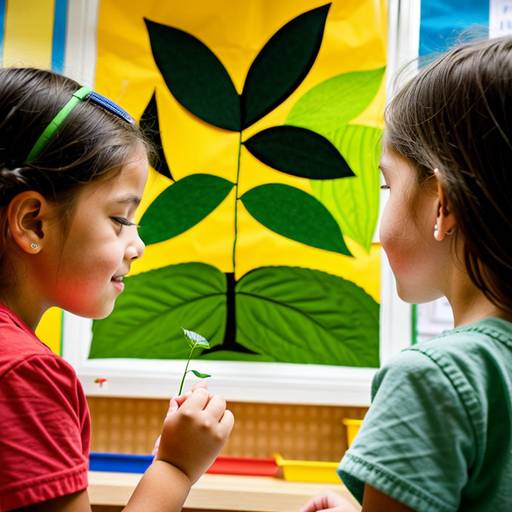
In this Kindergarten science lesson, students will explore the various parts of a plant, including roots, stems, leaves, and flowers, and learn about their functions. The lesson begins with an interactive discussion about the importance of plants in our environment, followed by direct instruction using diagrams to explain each plant part's role. Students will then engage in hands-on exploration with live plants, observing and identifying the different parts in small groups. To reinforce their learning, they will create drawings of a plant, labeling its components. Finally, students will share their observations and insights, enhancing their understanding of life science and the significance of plants in our ecosystem. Assessments will include observations during group activities and reviewing their drawings. Extensions may involve nature walks or starting a class garden to observe plant growth over time, while adaptations will cater to different learning styles to ensure all students are supported.

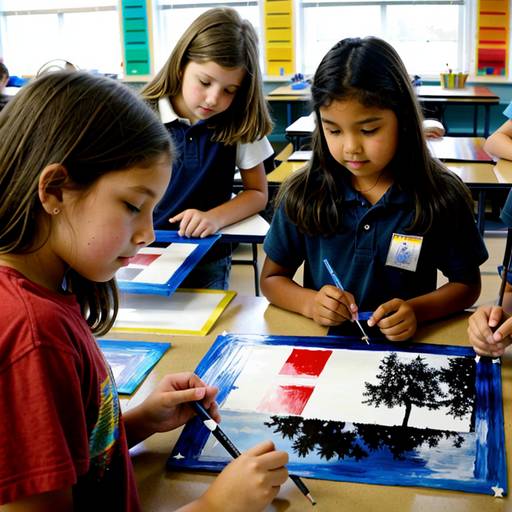
This lesson plan for 4th-grade students introduces printmaking techniques through a hands-on exploration of natural materials. Over two class periods, students engage in creating original prints inspired by nature. They learn how to design and carve printing plates using foam or cardboard, which they use to make relief prints. In the second class, students experiment with natural items like leaves and flowers to create unique prints, applying paint to these textures and pressing them onto paper. The lesson emphasizes creativity and expression as students arrange their prints into a collage. Throughout the process, students reflect on their experiences, discuss their techniques and designs, and showcase their artwork in a collaborative environment. Assessment focuses on creativity, technique application, and student engagement during both sessions.
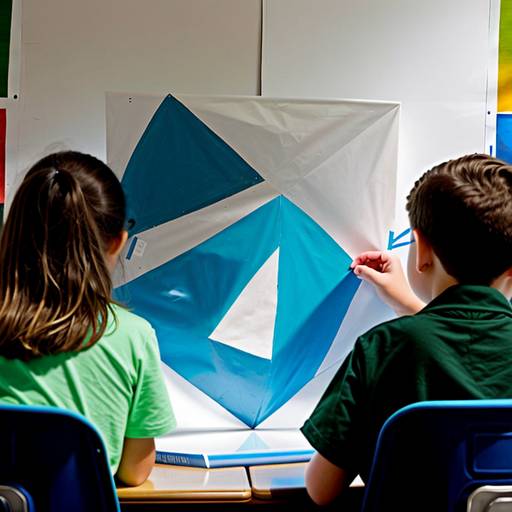
In this lesson, 5th-grade students will explore the concept of area in various geometric shapes, including rectangles, triangles, and parallelograms. The class begins with a review of geometric shapes and an introduction to the definition and significance of area. Students will learn the specific area formulas for different shapes, followed by a hands-on activity where they measure dimensions on provided cutouts and calculate the area using the appropriate formulas. After guided practice, students will complete a worksheet independently, which will assess their understanding of the topic. The lesson concludes with a review and discussion of the answers, reinforcing the importance of measurement and calculation methods. Extension activities for advanced learners and accommodations for those needing additional support will ensure that all students can engage with the material effectively. The lesson will culminate in a reflection to evaluate student understanding and strategies for improvement in future lessons.
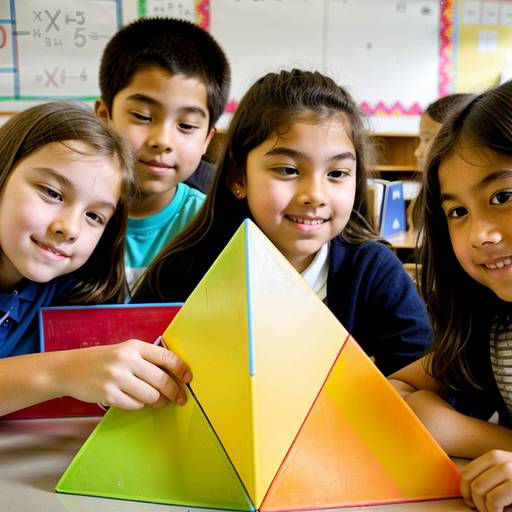
In this 5th-grade mathematics lesson, students will explore geometry and the concept of perimeter through a combination of direct instruction, guided practice, and hands-on activities. The lesson begins with a discussion about different geometric shapes and an introduction to perimeter as the distance around a shape. Students will learn how to calculate the perimeter of various polygons, including squares, rectangles, and triangles.
During guided practice, students will work in groups to complete worksheets featuring multiple shapes, applying their understanding of perimeter calculations. They will then engage in a creative hands-on activity where they create their own geometric shapes using string or yarn on graph paper, measure the sides, and calculate the perimeter.
The lesson will culminate in a sharing session, where students present their creations and explain their calculations, reinforcing their understanding. Assessment will be based on completed worksheets, participation during group activities, and the accuracy of perimeter calculations. Extensions and differentiation strategies are provided to accommodate diverse learners, including opportunities to explore area in a subsequent lesson and challenges for advanced students. Overall, the lesson emphasizes engagement and practical application of geometry concepts.
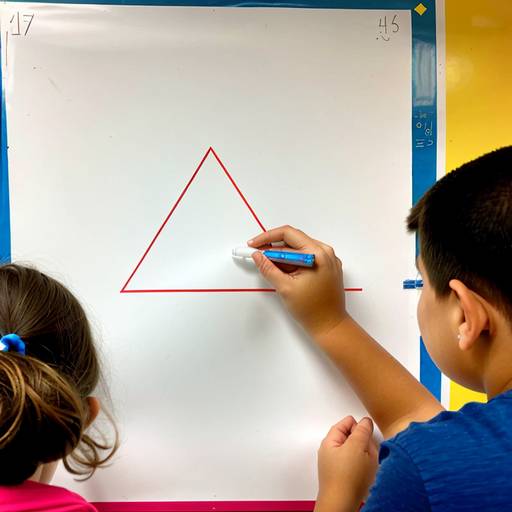
This lesson plan focuses on introducing fourth-grade students to key concepts in geometry and area measurement. The students will learn to identify and classify various geometric shapes, such as triangles, rectangles, squares, and circles. They will be guided through the process of calculating the area of rectangles and squares using the formula Area = Length x Width, and will explore real-world applications of these concepts through practical examples.
The lesson begins with a discussion about shapes found in the classroom, followed by direct instruction where the area formula is demonstrated through examples. Guided practice allows students to create and calculate the area of their drawings, fostering collaboration with peers. Independent practice includes worksheets with a variety of area calculation problems, including real-life scenarios.
The lesson concludes with a review of the material covered and a discussion on the relevance of area calculations in everyday life. Assessment through observation during practice activities and worksheet evaluations ensures understanding. Extensions for advanced learners and adaptations for students needing additional support are also included, promoting comprehensive learning for all students.