
Filters
Level
Grade
Subject
Subject Area
Subject Topic
Standard(s)
Audience
Keyword
DurationMinutes
Elementary School Lesson Plans

In this fourth-grade social studies lesson plan, students will explore various landforms, including mountains, valleys, plains, plateaus, and hills, and their impact on human activities and the environment. The lesson begins with a discussion that prompts students to share their observations of landscapes, followed by an informative presentation on each type of landform. Students will work in small groups to create models of selected landforms using clay or playdough, encouraging creativity and teamwork. Each group will then present their models to the class, explaining the characteristics of their chosen landforms and discussing how these features influence human life. Assessment will focus on group participation, model creativity, and the quality of presentations. An optional extension activity involves researching a travel destination with significant landforms for further exploration. Overall, the lesson aims to engage students in understanding geography through hands-on activities and collaborative learning.

In this 2nd-grade Earth Science lesson, students will explore the concept of soil, its layers, and the various organisms that inhabit it. The lesson begins with a read-aloud from a soil-related storybook to engage students and introduce the importance of soil for plants and animals. Following the introduction, students will participate in a hands-on activity where they will examine different soil samples using plastic cups and magnifying glasses to observe textures and colors.
After the exploration, students will gather for a group discussion to share their observations, and a chart will be created to summarize their findings about soil characteristics. Additionally, students will learn about the layers of soil and the roles of various soil organisms, such as earthworms and decomposers, in maintaining a healthy ecosystem. The lesson concludes with a review of key concepts, allowing students to express one new thing they learned during the session. Assessment will include participation in discussions, completion of observation charts, and an exit ticket reflecting their newfound knowledge about soil.
In this 3rd-grade social studies lesson, students will explore various landforms, including mountains, valleys, hills, plains, rivers, and lakes, while developing their understanding of geography. The lesson begins with a visual introduction where students identify different landforms from pictures and share personal experiences related to them. Through direct instruction, students learn the characteristics of each landform and see real-world examples on a map or globe.
Following this, students engage in a group sorting activity, organizing landform cards to reinforce their understanding. For independent practice, they create a fictional landform map that includes at least three different types of landforms, labeling and coloring their creations. The lesson concludes with a gallery walk, allowing students to share their maps and favorite landforms with their peers. Assessment is based on participation in discussions, group activities, and the creativity displayed in their maps. Extensions are provided for early finishers to further explore geography and geology.
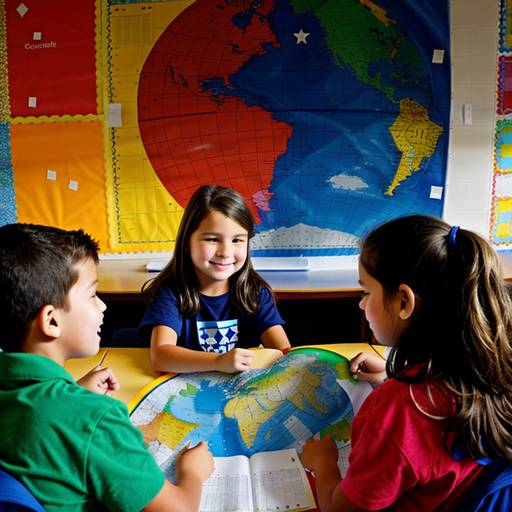
This 3rd-grade social studies lesson focuses on geography and maps, designed to help students understand basic map elements and key geographical features. The lesson begins with an engaging discussion about maps and their uses. Students learn about essential map components, including titles, legends, scales, and compass roses, using both printed and projected examples for clarity.
Through guided practice, students identify these elements on various maps and locate specific geographical features such as mountains, rivers, and cities. In an independent activity, students create their own simple maps of their classroom, incorporating at least three distinct areas and including essential map features.
The lesson concludes with students presenting their maps to the class, allowing them to share their understanding and creativity. Assessment involves observing participation during activities and reviewing the students' maps for comprehension. Differentiation strategies are included to support diverse learning needs, ensuring all students engage meaningfully with the content.

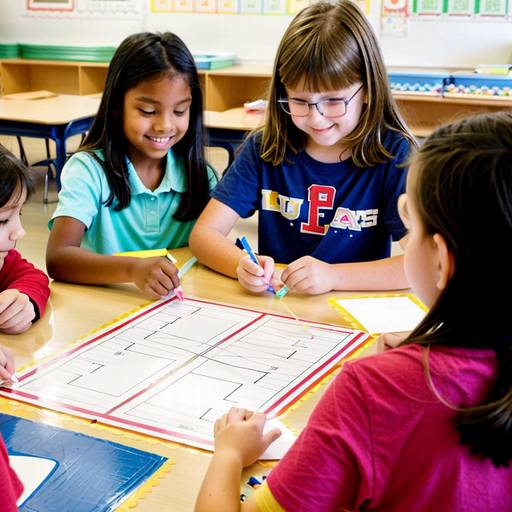
In this 2nd grade math lesson focused on geometry and lines, students will engage in interactive activities that help them identify and describe basic geometric shapes such as circles, squares, triangles, and rectangles, as well as types of lines, including straight and curved. The lesson begins with a group discussion where students share their observations of shapes in the classroom. They will then participate in a hands-on craft activity to create their own geometric shapes using construction paper. Following this, students will explore the concept of lines by making straight and curved lines with string and rulers.
To reinforce their understanding, they will embark on a geometry scavenger hunt in pairs, looking for objects that match a checklist of shapes and lines. The lesson concludes with a reflection session where students share their discoveries. Assessment will take place through observation during the activities and by reviewing the shapes and lines they created and identified. Optional extension activities include providing coloring sheets featuring shapes for additional practice. This comprehensive approach aims to foster a deeper understanding of geometry in an engaging and collaborative setting.
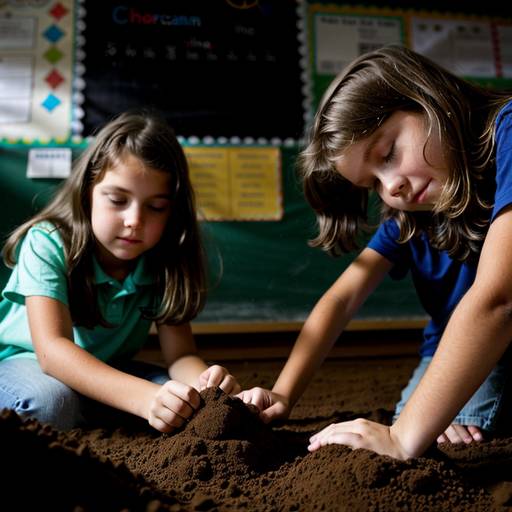
This lesson plan for 3rd-grade students focuses on exploring the concept of soil within the Earth Science curriculum. The objectives include helping students identify the components of soil, understand its importance for plant growth and the ecosystem, and conduct a simple soil test to observe different soil properties.
The lesson begins with an engaging discussion and a short video to introduce key vocabulary and concepts. Students then engage in hands-on activities where they examine various soil samples, observe their properties, and note differences in texture and behavior when water is added.
Following the group experiments, there is a class discussion where students present their findings and reflect on the role of soil in the environment. The lesson concludes with an assessment of student worksheets and opportunities for further exploration, such as collecting soil samples from their surroundings or creating informative posters about soil layers. The overall aim is to foster a deeper understanding of soil and its critical role in sustaining life on Earth.
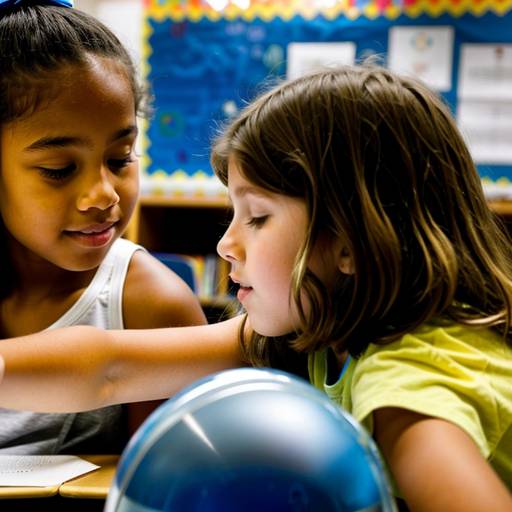
In this 3rd-grade life science lesson, students will explore the basic parts of the human body and their functions. The lesson begins with an engaging introduction using a video or interesting facts to spark curiosity. Students will learn about major organs, including the heart, brain, lungs, stomach, and muscles, alongside their roles in various systems.
After a direct instruction segment where they will see a visual representation of the body, students will participate in guided and group activities. They will label and color an outline of the human body, then work in small groups to match body parts with flashcard labels, showcasing their knowledge to the class.
The lesson wraps up with a review of the organs and a discussion about healthy habits to promote well-being. Assessment will take place through the collected outlines and group presentations, ensuring students understand organ functions. Optional extensions, such as inviting a health professional or creating a class book, can provide further learning opportunities. Differentiation strategies will be implemented to support diverse learners, ensuring all students engage meaningfully with the material.
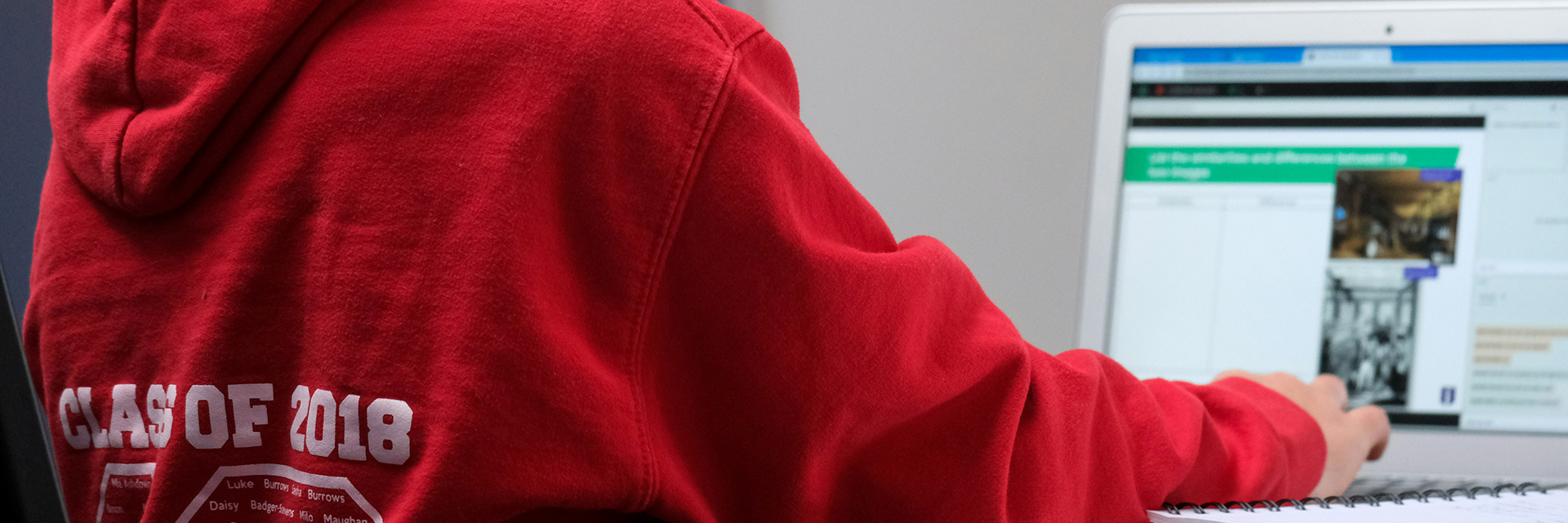
This lesson plan focuses on teaching 5th-grade students essential skills for effective online research and navigating search engines. The objectives include familiarizing students with key terminology, demonstrating impactful searching techniques, and evaluating the credibility of online sources.
The lesson begins with a discussion about the internet and its purpose, followed by a demonstration of how to use a popular search engine effectively. Students will engage in a group activity where they research assigned topics, emphasizing the importance of using credible sources. Each group will then present their findings to the class, promoting discussion about source reliability and digital citizenship.
To conclude, the lesson reinforces the skills learned and provides a handout with tips for safe and effective internet use. Assessment is based on student participation during the group activity and the quality of their presentations. The plan also includes follow-up activities to encourage further exploration of digital research tools. Modifications are provided to support diverse learners and challenge advanced students.
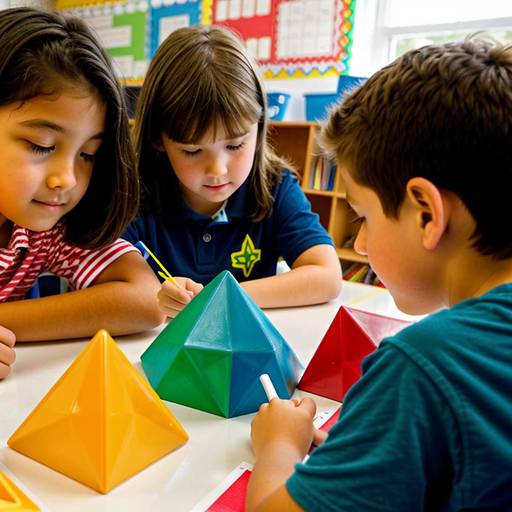
In this 4th-grade math lesson, students will explore the concept of three-dimensional shapes by identifying, analyzing, and creating various solids such as cubes, spheres, cylinders, cones, and pyramids. The lesson begins with a discussion about the shapes found in everyday life, followed by a mini-lecture that highlights the properties of each solid, including the number of faces, edges, and vertices.
Students engage in a scavenger hunt to find real-world examples of 3D shapes, promoting active learning and exploration. They then create their own models using construction paper, applying their understanding of shape properties. The lesson concludes with student presentations, where they share their models and reflect on the applications of these shapes in real life. Assessment will include observation during activities, the evaluation of models, and a quiz on identifying and describing 3D shapes. Differentiation strategies are included to support all learners, and extension activities provide opportunities for deeper exploration.

This lesson plan for 2nd grade Language Arts focuses on introducing students to various reading genres, including fiction, non-fiction, poetry, and fantasy. The objectives include helping students identify and describe these genres, differentiate between them, engage in a read-aloud activity to experience examples, and create a personal "Genre Passport" to document their favorite books.
The lesson begins with a discussion on the concept of genres, leading to a brief overview of each type with examples. Students participate in group activities where they explore selected books, discuss their characteristics, and summarize their findings. Afterward, students fill out their Genre Passports with titles of books they’ve read.
The lesson concludes with a review of key concepts, encouraging students to share their favorite genres or books with others. Assessment is based on participation and the accuracy of the Genre Passports. The plan includes extension activities, such as starting a Genre Book Club and creating a classroom display of genre-specific books for ongoing exploration. Overall, the lesson promotes an understanding of reading genres and fosters a love for reading.