
Filters
Level
Grade
Subject
Subject Area
Subject Topic
Standard(s)
Audience
Keyword
DurationMinutes
Elementary School Lesson Plans

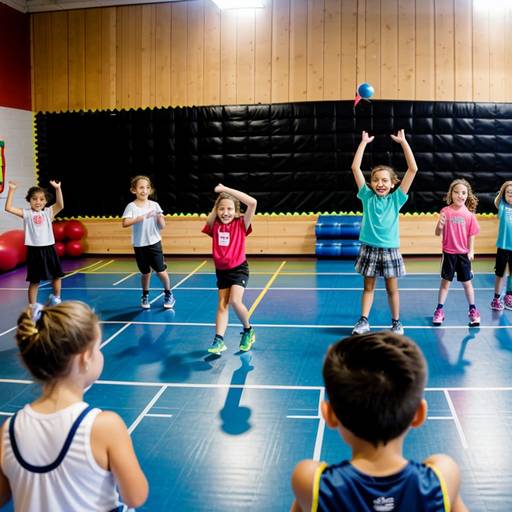
This 1st Grade Physical Education lesson plan focuses on introducing students to cardiovascular fitness through engaging and interactive activities. In a 30-40 minute session with a class size of 20-25 students, the lesson begins with a warm-up that encourages discussion about fitness and includes dynamic stretching to prepare the body for movement.
The main part of the lesson consists of a circuit with four fun stations: Hula Hoop Hop, Jump Rope Relay, Balloon Toss, and Freeze Dance, each promoting cardiovascular activity while developing coordination and teamwork. Students work in small groups and rotate through the stations, ensuring a variety of movements and interactions.
After the main activities, a cool-down period with gentle stretching and a reflection circle allows students to share their experiences and thoughts on fitness. The lesson emphasizes active participation and enjoyment while teaching important concepts related to health and exercise. Assessment is based on observation and student engagement, with extensions offered to encourage fitness habits beyond the classroom. Safety considerations are also outlined to ensure a secure and supportive learning environment.
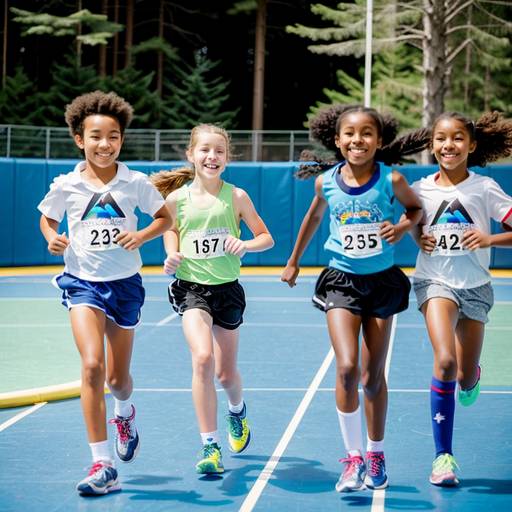
In this 45-minute physical education lesson for 3rd-grade students, the focus is on promoting cardiovascular fitness through engaging and interactive activities. The class begins with a warm-up that includes dynamic stretching and a cardio burst to prepare the students for physical activity.
Students are then divided into small groups and rotate through five activity stations, each designed to enhance their cardio skills while encouraging teamwork and fun. Activities include jumping rope, navigating a hurdle course, playing with a parachute, participating in a bean bag relay race, and a game of Fitness Simon Says that emphasizes quick movements.
To conclude the lesson, students take part in a cool-down session featuring static stretches, followed by a group discussion on the benefits of cardiovascular fitness and the importance of teamwork. Throughout the lesson, the instructor observes student engagement and provides positive feedback, ensuring that everyone has the opportunity to participate and enjoy the activities. Adaptations are available for students with physical limitations to ensure inclusivity, and safety precautions are emphasized to maintain a safe environment. Overall, the lesson aims to instill a love for fitness and encourage students to be active together.
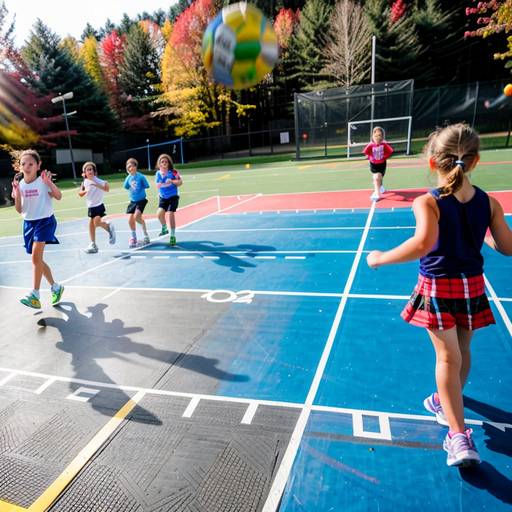
This lesson plan aims to introduce 2nd-grade students to the importance of cardiovascular fitness through engaging and fun activities. The session begins with a brief discussion on the significance of staying active for a healthy heart, followed by a dynamic warm-up to prepare the students for physical activity.
Students will participate in five different activity stations, each designed to promote cardiovascular exercise and encourage teamwork. Activities include hula hooping, jump roping, a ball passing game, sprinting between cones, and a freeze dance. After completing the circuit, students will cool down with gentle stretches and deep breathing exercises while reflecting on their experiences.
The lesson concludes with a recap of what they learned about staying active and providing a take-home sheet of fun activities to try with family and friends. Throughout the session, students' participation and engagement will be observed, fostering a positive attitude towards fitness. Adaptations will be made as necessary to accommodate varying fitness levels.
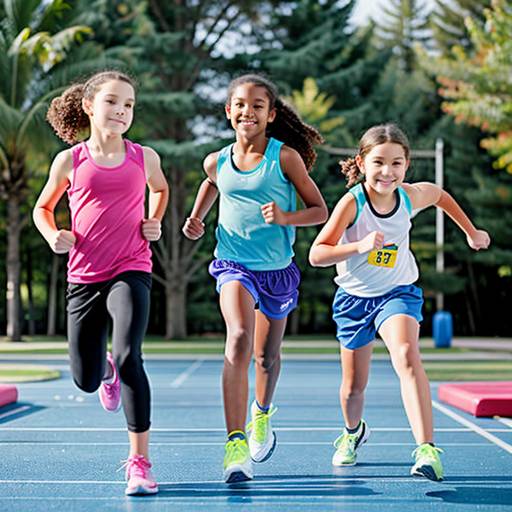
This lesson plan is designed for 3rd-grade students to engage in physical activities that enhance cardiovascular endurance while promoting teamwork and fun. The session begins with a 10-minute warm-up, incorporating dynamic stretching and a "Follow the Leader" game to prepare students for exercise.
The main component consists of four fitness stations that students rotate through every 8 minutes: a jump rope challenge to build coordination, a frisbee toss combined with running, a hula hoop activity paired with jumping jacks, and an obstacle course relay to encourage agility and team participation.
The lesson concludes with a cool-down segment that includes static stretching and a reflection discussion, allowing students to share what they enjoyed and learned about fitness. The plan assesses student engagement and understanding of the importance of cardiovascular health while providing adaptations for various skill levels. Overall, the objective is to instill a sense of enjoyment in physical activity and promote a healthy lifestyle.
In this 2nd-grade technology lesson, students will learn the essential practices for maintaining and handling devices properly. The lesson begins with an engaging discussion about students’ favorite devices, followed by a short video that highlights the significance of device care. Key concepts including cleaning methods, safe storage, and careful handling will be introduced through direct instruction and a flashcard matching activity.
Students will then participate in a group project where they create a poster outlining various ways to care for devices, fostering collaboration and creativity. Afterward, each student will reflect on what they’ve learned by filling out a checklist on sticky notes, which will serve as an exit ticket. The lesson concludes with a review and an opportunity for students to share their takeaways. Assessments will be based on the group posters and individual exit tickets, with extensions offered for further engagement at home. Overall, the lesson aims to equip students with important skills to ensure the longevity and proper use of their technology tools.
In this engaging 60-minute lesson designed for 3rd-grade students, learners explore the essential practices of maintaining and organizing their technological devices. The lesson begins with a discussion about the types of devices used in the classroom and the importance of caring for them. Students watch a brief instructional video on device cleaning techniques and learn proper handling practices to ensure their devices remain in good condition.
Following the instruction, students participate in a hands-on activity where they collaborate with a partner to clean their devices using appropriate supplies. They also engage in a digital organization challenge, creating folders on their devices and labeling them for easy access. To wrap up the lesson, students reflect on their learning experiences by sharing insights about maintenance and organization with the class.
Assessment is conducted through observation during activities and participation in discussions, while extensions encourage students to promote device care at home. Differentiation strategies are in place to support all learners, making this lesson effective in fostering responsibility and organizational skills within a digital context.
In this 45-minute technology lesson for 3rd graders, students will learn the importance of maintaining and cleaning their electronic devices. The lesson begins with a discussion about the various devices they use, followed by an explanation of proper cleaning techniques and hygiene practices. Utilizing a PowerPoint presentation, students will explore steps such as using microfiber cloths for screens, safely using disinfectant wipes, and understanding the importance of avoiding liquids around devices.
They will then participate in a guided activity, practicing these cleaning methods on old electronics or simulated cleaning. Afterward, a class discussion allows students to share their learnings and experiences. For homework, students will be tasked to clean one of their devices at home and reflect on the process in writing. The lesson emphasizes the health benefits of device maintenance and encourages responsible use while addressing environmental concerns related to e-waste. Assessments will focus on participation during activities and the quality of their reflections. The plan includes differentiation strategies to support various learning needs.
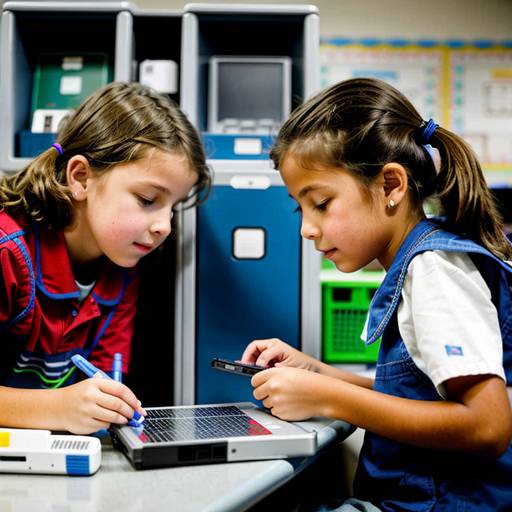
This lesson plan is designed for 3rd-grade students to teach them the importance of proper handling and maintenance of technology devices. The objectives include understanding essential practices for caring for devices, identifying key maintenance tips, and demonstrating correct handling techniques. The lesson begins with a discussion about the devices students use, followed by the introduction of five important care practices: cleaning devices appropriately, using protective cases, avoiding food and drink near devices, handling devices with clean hands, and properly managing charging cords.
Students will engage in role-playing activities to illustrate good and bad practices and participate in a class discussion to reinforce their understanding. They will receive a "Device Care Checklist" to assess their current habits and identify areas for improvement. The lesson concludes with a recap of the key practices and an exit ticket where students will commit to one improvement they can make at home regarding device care. Throughout the lesson, differentiation strategies will be employed to support diverse learners, and a potential extension activity is proposed to further instill responsibility for device maintenance.

This 2nd-grade social studies lesson focuses on exploring the concepts of community and diversity. Students will engage in a discussion about what constitutes a community and the importance of diversity within it. The lesson includes a read-aloud of a children's book that emphasizes various cultures and their contributions to the community.
Following the reading, students will create individual drawings that represent their own cultures and traditions, which will be compiled into a large mural to celebrate the diversity within the classroom. A reflection activity will allow students to express what they love about their community and the value of diversity.
Assessment will occur through observations of participation, the quality of the drawings and worksheets, and results from a reflection exercise. Extensions may include inviting family members to share cultural traditions and organizing a "Culture Day" for students to showcase their heritage. The lesson is designed to foster appreciation and respect for differences among peers, highlighting the rich tapestry that diverse backgrounds bring to the community.
In this 1st-grade social studies lesson, students will explore the concepts of community and diversity. The class will begin with a discussion to define what a community is and identify its members and different cultures represented. Following this discussion, students will listen to a read-aloud of a children's book that emphasizes inclusion and the value of diverse backgrounds.
After the reading, students will engage in a conversation about the richness that diversity brings to their community and the roles of various community helpers. In groups, they will participate in an interactive activity by creating a collage that represents their community, incorporating images of diverse families, community helpers, and cultural traditions.
Each group will share their collage with the class, describing the significance of their chosen elements. The lesson will conclude with a summarization of key points about the importance of kindness and inclusion. Assessment will be based on student participation, engagement during discussions, and creativity in their collages, fostering understanding and appreciation of community and diversity among the students. Additionally, extensions such as inviting guest speakers or planning a cultural day are suggested for further learning experiences.