
Filters
Level
Grade
Subject
Subject Area
Subject Topic
Standard(s)
Audience
Keyword
DurationMinutes
Elementary School Lesson Plans

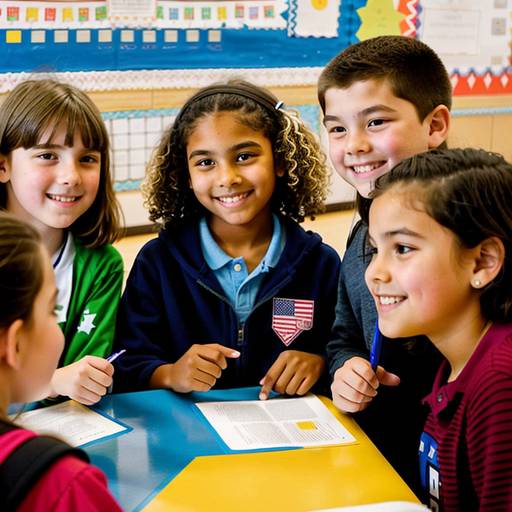
This lesson plan focuses on helping 4th-grade students understand the concept of community and the richness of diversity within it. It aims to foster appreciation for different cultural backgrounds through discussions, group activities, and collaborative projects.
The lesson begins with an interactive discussion where students share their ideas and experiences about their communities. Students are then organized into small groups to create a "Community Map," identifying various cultures, traditions, and practices present in their community. Following this, the class engages in an open discussion about the significance of these traditions and how they enrich their lives.
The students then participate in a creative activity where they each design a square representing their own cultural background or a culture they admire. These squares will be assembled into a "Diversity Quilt," symbolizing the collective identity of their classroom community.
The lesson concludes with reflections on what students learned about their classmates and the value of embracing diverse perspectives. Assessment is based on participation in discussions and activities, creativity in the quilt project, and the ability to communicate their understanding of community and diversity. Optional extensions include inviting guest speakers or organizing a culture day to further celebrate their learnings.
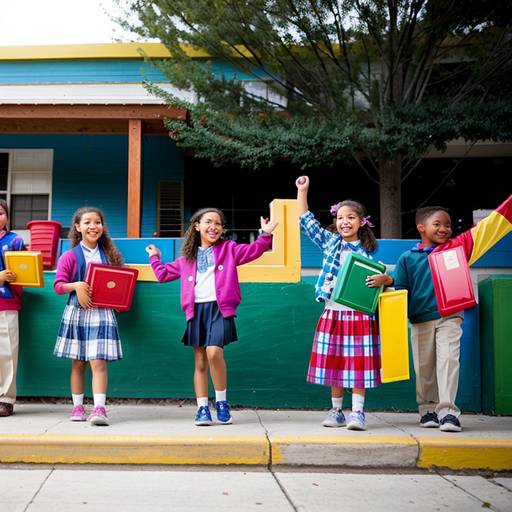
In this 3rd-grade Social Studies lesson, students will explore the concept of community and diversity by examining the unique neighborhoods within their town. The lesson begins with a group discussion to define the idea of community and identify different neighborhoods on a large map. Students will then work in small groups to research specific neighborhoods, focusing on their cultural, historical, and social aspects through guiding questions. Each group will create a visual representation of their neighborhood, highlighting its distinct features and contributions to the overall community. The class will participate in presentations to share their findings, followed by a reflective discussion about what they learned and appreciated about their community's diversity. The lesson emphasizes the importance of respecting and celebrating differences among community members, encouraging students to engage with and learn more about their neighbors. Assessment will be based on group presentations and participation in discussions, with extensions available through community interactions or field trips.
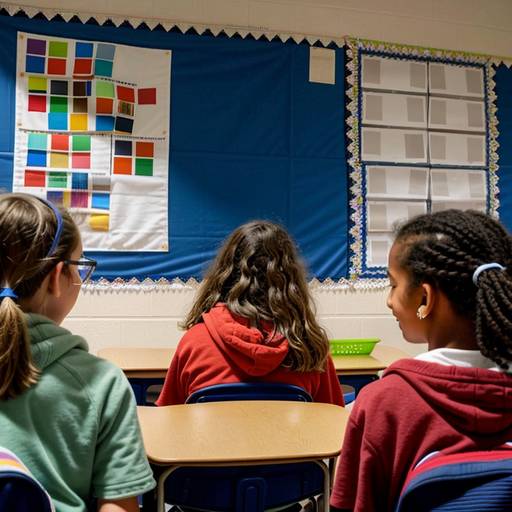
This lesson plan for 5th-grade social studies focuses on exploring the concepts of community and diversity. Students will start by discussing what constitutes a community and the unique characteristics that make theirs special. They will learn about diversity, encompassing various cultures, ethnicities, and traditions, through small group activities. Each group will research and create a mini-poster representing a specific aspect of diversity within their community, such as language, religion, or traditions. Following the creation of their posters, students will engage in a gallery walk to share their findings and learn from one another.
The lesson culminates in a class discussion, allowing students to reflect on the significance of diversity and how it enriches their community. Assessment will take place through participation, the content of their group work, and a written reflection on what they learned about diversity. Extensions of the lesson include planning a “Diversity Day” for students to share cultural artifacts and experiences, as well as creating a class mural to visually represent their collective cultural backgrounds. This approach aims to foster inclusivity and cultural awareness among students, highlighting the value of diversity in their lives.


In this 2nd-grade science lesson, students will explore the fascinating world of stars and constellations. They will begin by discussing what they know about stars, learning about their characteristics and colors. The lesson will then introduce common constellations and share stories associated with them, fostering a connection to mythology.
Next, students will create their own unique constellations using dark construction paper and white chalk or paint, allowing them to express their creativity. Each student will name their constellation and write a brief story about it. The lesson will conclude with a sharing session, where students present their creations to the class, promoting confidence in public speaking.
Assessment will be based on participation and the understanding demonstrated through their constellation designs and stories. Extensions may include a stargazing event for families or the use of technology to identify constellations in real-time, enhancing students' engagement with astronomy.

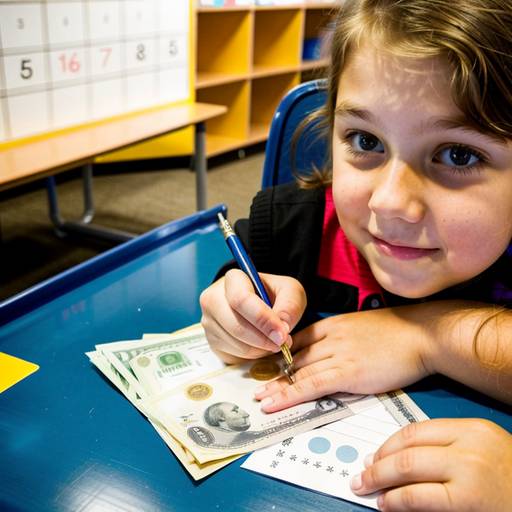
In this 2nd-grade math lesson, students will explore the concept of money by learning about the values of different coins, including pennies, nickels, dimes, and quarters. The lesson begins with an engaging discussion on students’ experiences with money, followed by direct instruction on identifying and valuing each type of coin using a visual chart. Guided practice involves hands-on coin counting activities in small groups, where students will work together to make specific amounts using play money.
Next, students will complete worksheets that focus on coin identification and values in pairs. During independent practice, they will simulate a shopping experience with small items priced in cents, allowing them to apply their counting skills in a real-world context. The lesson concludes with a group reflection on their learning experiences, where students will share insights they've gained about money. Assessment will be conducted through observation, worksheet review, and participation in the shopping simulation. Extensions are available for more advanced learners, including discussions about paper money and classroom economy concepts.
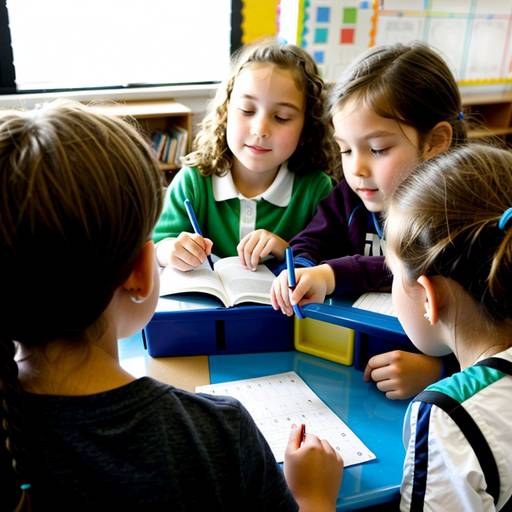
In this 2nd-grade math lesson, students will learn how to read both analog and digital clocks while also exploring the concept of elapsed time through engaging activities. The lesson begins with a discussion where students share their morning routines, helping to contextualize time in their daily lives.
Direct instruction follows, introducing clock reading and elapsed time with clear examples. Guided practice involves working through time-related scenarios on worksheets in pairs, fostering collaboration and reinforcing understanding.
Students will participate in a relay activity to practice telling time and will create drawings representing daily activities that demonstrate elapsed time. The lesson concludes with students sharing their work and reflecting on what they learned, along with a quick exit ticket to assess their understanding. Throughout the lesson, differentiation strategies ensure that all learners can engage with the material effectively.
In this 5th-grade social studies lesson, students will explore the concept of timelines and their importance in organizing historical events. Beginning with a discussion on the significance of understanding the chronological order of events, the teacher will present examples of historical timelines, highlighting key moments in history.
During guided practice, students will collaboratively create a timeline on the board that includes major events, fostering a better comprehension of historical context. For their independent activity, students will develop their own personal timelines by selecting three significant events from their lives, which they will place in chronological order. They will have the opportunity to share these timelines in small groups, discussing the importance of each event.
The lesson will conclude with some students presenting their timelines to the class, reinforcing the connections between personal experiences and historical narratives. Assessment will be through observation during group sharing and evaluation of personal timelines for creativity and organization. An extension activity invites students to research a historical figure or event to create a themed timeline for display. This engaging lesson allows students to appreciate the interconnectedness of history and their own lives.
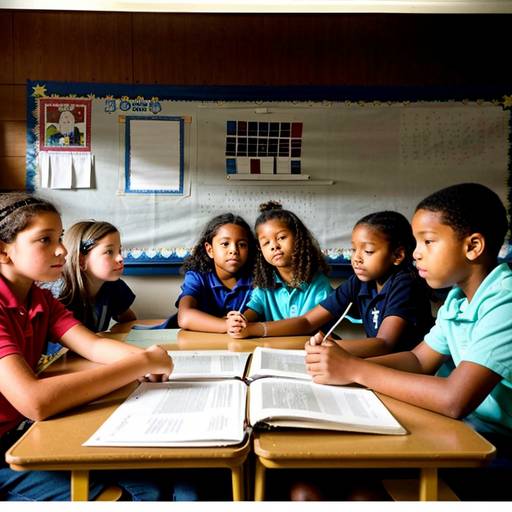
This 4th-grade social studies lesson plan focuses on teaching students about timelines and their significance in understanding historical events. Over two class periods, students will first explore the concept of timelines through the research and presentation of important historical events in small groups. They will create mini-timelines to visually represent these events and share their findings with the class, fostering collaboration and communication skills.
In the second part of the lesson, students will transition to creating their own personal timelines, identifying and organizing significant moments from their lives chronologically. This activity encourages self-reflection and helps students draw connections between their own experiences and broader historical narratives. The lesson promotes engagement through group activities and individual projects, allowing students to appreciate both collective and personal history. Assessment will be based on participation, creativity, and the ability to articulate the significance of events.

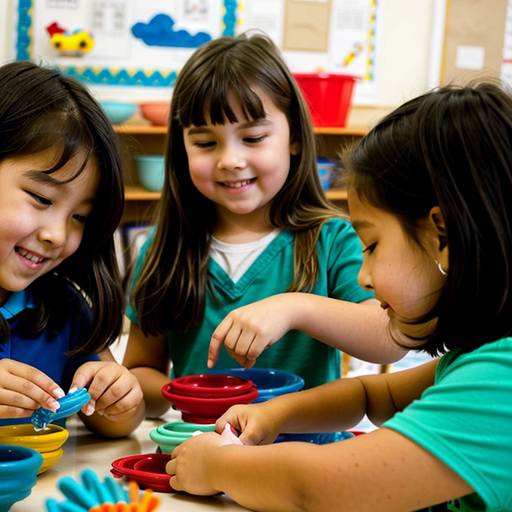
In this art lesson for 2nd grade students, learners will explore the fundamental concepts of ceramics by engaging in hands-on clay sculpting. The session begins with a brief introduction to the properties of clay and its uses, accompanied by visual examples of clay art. Students will then receive guidance on basic sculpting techniques, including rolling, pinching, and adding texture to their creations.
After the demonstration, students will independently work with air-dry or modeling clay to create their own sculptures, drawing inspiration from provided imagination cards or their own ideas. Instructors will circulate among the students to offer support and encouragement throughout the creation process.
The lesson will conclude with a sharing session where each student presents their finished pieces, discussing the inspiration behind their work and how they crafted their sculpture. Assessment will focus on engagement and creativity. Future sessions may allow students to decorate their finished pieces, further enhancing their artistic expression.
In this 4th-grade math lesson plan, students will explore the concepts of length measurement and temperature. They will learn to measure objects using both inches and centimeters, while also understanding how to read thermometers in Fahrenheit and Celsius scales. The lesson includes direct instruction on measurement techniques and temperature conversions, where students will practice converting between the two temperature scales.
Students will work in small groups, participating in hands-on activities where they measure various objects and conduct a temperature experiment using warm and cold water. They will predict, measure, and then convert the temperatures they record, enhancing their understanding through practical application.
The lesson concludes with group presentations of their findings and a reflection on the real-world applications of measurement and temperature in daily life. Optional homework will involve monitoring and recording daily temperatures, reinforcing the skills learned in class. Assessment will involve observing participation during activities, reviewing group posters for accuracy, and checking the submitted homework for understanding. Extensions of the lesson could explore weather reporting and the impact of environmental factors on temperature.