
Filters
Level
Grade
Subject
Subject Area
Subject Topic
Standard(s)
Audience
Keyword
DurationMinutes
Elementary School Lesson Plans

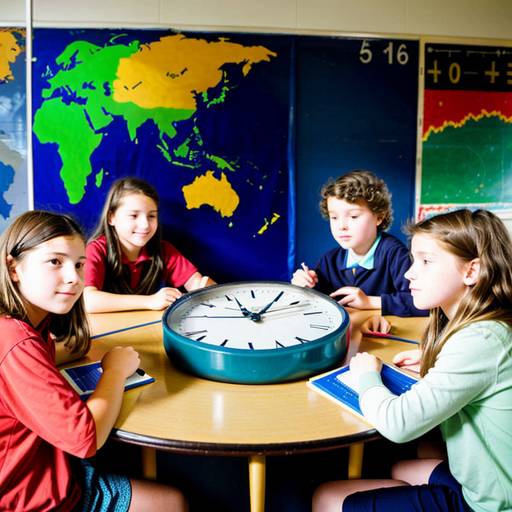
In this 5th-grade math lesson, students will explore the concept of time and time zones across the globe. They will begin by discussing the importance of time in their daily lives and learning how the Earth is divided into different time zones. Through a guided practice activity, students will work in small groups to research specific cities, discovering their time zones and current local times, and creating informative posters about their findings.
Following that, students will engage in independent practice by solving worksheets that involve calculating time differences between various locations. The lesson will culminate with group presentations, allowing students to share their research and deepen their understanding of how time varies around the world. Assessment will focus on group collaboration, the quality of posters, and the accuracy of worksheet responses. Extensions and accommodations will be provided to enrich the experience and support all learners, ultimately fostering an appreciation for global time differences and their cultural significance.
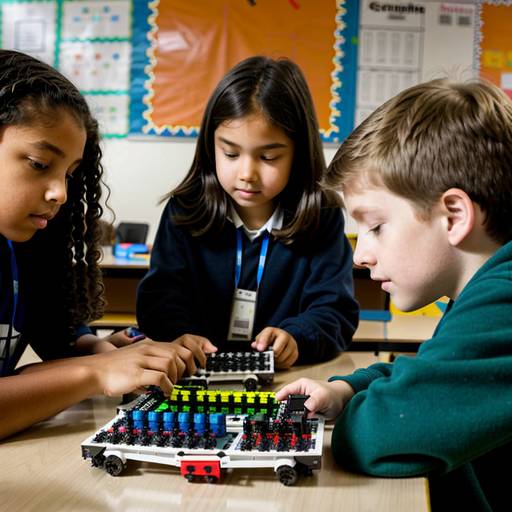
This lesson plan is designed for 5th-grade students to explore the fundamentals of robotics and programming through hands-on activities. Over two sessions, students will learn about the basic components of robotic systems and collaborate in small groups to design, build, and program a robot capable of completing a specific task.
The first session focuses on introducing the concept of robotics, discussing real-world applications, and encouraging students to brainstorm and sketch their robot designs. In the second session, students will construct their robots using LEGO kits and utilize block-based programming software to code their robots to perform designated functions.
Throughout the process, students will gain practical experience in teamwork, critical thinking, and problem-solving. The lesson concludes with opportunities for testing, reflection, and potentially a friendly competition, fostering an engaging and collaborative learning environment while developing essential skills in technology and engineering.
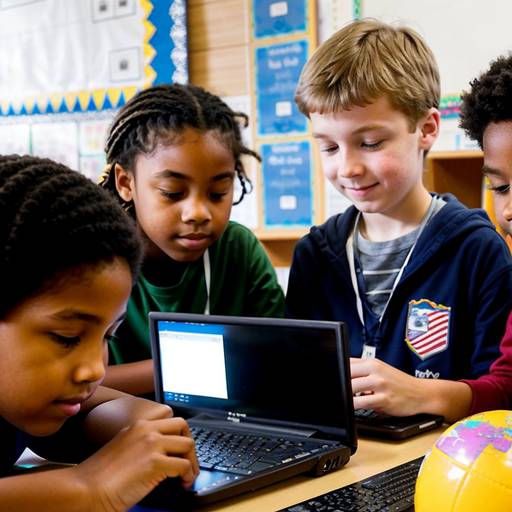
This lesson plan focuses on introducing 4th-grade students to the basic concepts of coding, including sequences, loops, and conditionals. It begins with an engaging discussion to assess students' prior knowledge followed by a direct instruction segment where the teacher demonstrates how to use a coding platform, such as Scratch, to create a simple project.
Students then work in pairs to complete a guided coding challenge, applying their understanding of the foundational concepts. After guided practice, they are encouraged to create their own projects, fostering creativity and independent application of skills. The lesson concludes with students sharing their projects and participating in a reflective discussion about their learning experiences.
Assessment includes observing student participation and collecting exit tickets to evaluate understanding. The plan also includes extensions for advanced learners and adaptations for those who may need additional support, promoting an inclusive learning environment focused on collaboration and problem-solving.
In this 4th-grade technology lesson, students will explore fundamental coding concepts such as algorithms, commands, and debugging through hands-on activities using a block-based coding platform like Scratch or Code.org. The lesson begins with an engaging discussion to activate prior knowledge about coding and its applications. Following a demonstration on how to navigate the coding platform, students will create a simple program while following specific steps that emphasize algorithm development and execution.
During guided practice, students will log into their accounts and work on a designated coding project, using a coding challenge worksheet to document their algorithms, commands, and any debugging efforts. After individual work, students will collaborate in pairs to share their projects and learn from each other’s experiences. The lesson concludes with a few students presenting their work to the class and reflecting on their learning.
Assessment will be based on observation during practice, the completion of worksheets, and peer presentations. Extensions encourage further exploration of coding at home, while accommodations support students who may need additional help. Overall, this lesson aims to foster a foundational understanding of coding in an engaging, collaborative environment.
This lesson plan for 4th-grade students focuses on introducing the fundamentals of coding through interactive activities. Students will learn key concepts such as algorithms, sequences, loops, and conditionals. The lesson begins with a discussion about the significance of coding in everyday life, followed by a demonstration using a block-based programming platform like Scratch or Code.org. Guided practice allows students to collaboratively create a basic coding project while incorporating the learned concepts.
During independent work, students will partner up to brainstorm and develop their own unique projects, such as simple animations or games, utilizing loops and conditionals. The lesson culminates in presentations where each pair shares their creations and discusses the challenges and solutions they encountered. Assessment will be based on participation and the application of coding concepts in their projects. The plan also includes extensions for further exploration and accommodations to support diverse learning needs, ensuring an engaging experience for all students.
This 5th-grade technology lesson plan introduces students to the basics of coding through engaging activities and hands-on projects. Over two class periods, students will learn key concepts such as sequences, loops, and algorithms using a block-based coding platform like Scratch or Code.org. The lesson begins with a discussion about the importance of coding and a tutorial to familiarize students with the coding interface.
During the second class, students will work in pairs or small groups to brainstorm and create their own coding projects, such as an animated story, game, or interactive art piece, utilizing the concepts they have learned. They will follow a structured project template and present their final creations to the class, allowing them to share their thought processes and coding choices.
Assessment will focus on participation, the completed projects, and the quality of student presentations. Extensions for advanced learners, as well as modifications for those needing additional support, ensure that all students can engage meaningfully with the material. By the end of the lesson, students will have developed foundational coding skills alongside creativity and problem-solving abilities.
This lesson plan for 5th graders focuses on introducing students to the basics of coding and programming languages. The objective is for students to grasp fundamental concepts, learn about various programming languages, and create simple programs using a block-based coding platform like Scratch or Code.org.
The lesson begins with an engaging video that highlights the significance of coding in everyday technology, followed by a discussion that encourages students to share their experiences with technology. Direct instruction covers essential coding vocabulary, the differences between block-based and text-based programming languages, and types of programming languages.
During guided practice, students participate in a hands-on activity where they create a simple program, allowing them to experiment with different coding blocks. Following this, they engage in a creative challenge, modifying their projects based on what they've learned. The lesson concludes with a wrap-up discussion, prompting students to reflect on their coding experience, the challenges they faced, and the potential applications of coding in their lives.
Assessment is based on observations during activities, participation in discussions, and the completion of their coding projects. Extension activities are suggested to further develop their skills, and opportunities for additional sessions or competitions are proposed to enhance their engagement with coding. Overall, this lesson is designed to spark interest in programming and foster problem-solving skills through interactive learning.
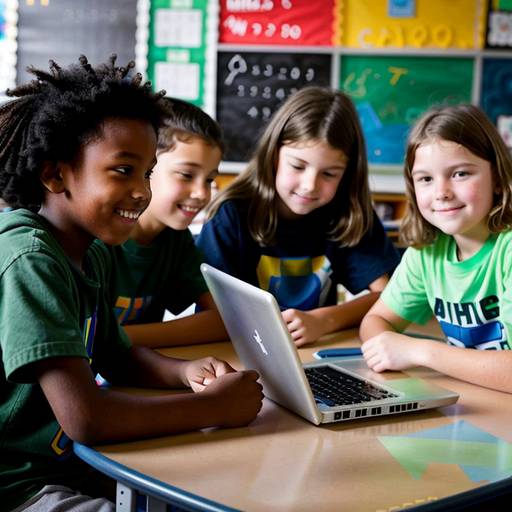
This lesson plan focuses on introducing 3rd-grade students to the basics of coding through an engaging and interactive experience. The lesson begins with a discussion about the nature and importance of coding, followed by the introduction of key vocabulary and coding concepts, including sequence, loops, and conditions. Students then participate in a guided practice session where they learn to use a block-based coding platform, such as Scratch or Code.org, to create simple animations or games that incorporate the concepts discussed.
During independent practice, students are encouraged to work on their projects, applying what they've learned and adding unique features using the coding principles. The lesson concludes with a sharing session where selected students present their projects to the class, explaining how they implemented the coding concepts in their work. Throughout the lesson, teachers assess student understanding through observation and project evaluation, providing a foundation for further exploration in coding. Extensions include additional coding challenges and hands-on activities with robotics kits to deepen students' understanding of coding in various contexts.
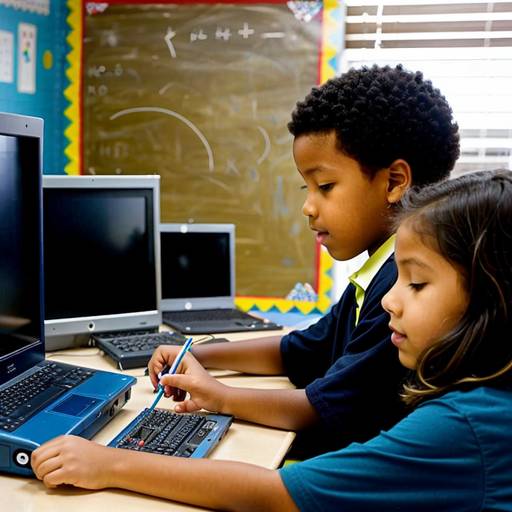
In this 3rd-grade technology lesson, students are introduced to the basics of coding and essential coding concepts through interactive activities. The lesson begins with a discussion that defines coding and explores its importance, focusing on key terms such as algorithms and sequences. A short video illustrates how coding is used in everyday life, and students collaborate to create a simple algorithm together on the whiteboard.
In the hands-on portion of the lesson, students work in small groups using platforms like Code.org or ScratchJr to develop a coding project, where they create sequences of instructions to animate a character. As they engage with the technology, the teacher circulates to provide guidance and support.
To conclude the lesson, students share their projects with the class, allowing for reflection on what they learned about coding. Optional homework encourages students to articulate their understanding of coding in writing and draw connections to its applications in their lives. Assessment focuses on participation, collaboration, and the quality of the coding projects developed. The lesson aims to foster a strong foundation in coding concepts while promoting creativity and teamwork.
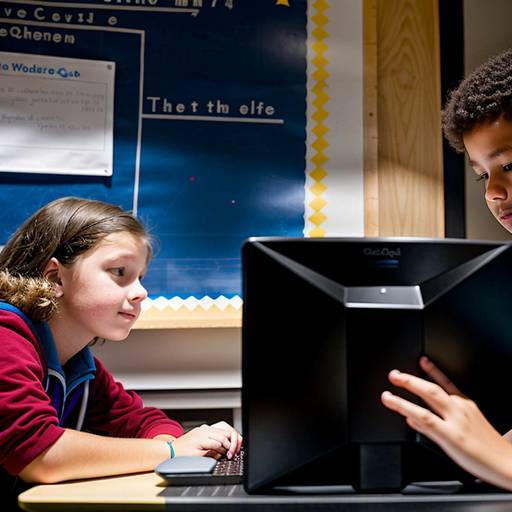
In this 4th-grade technology lesson, students will explore fundamental coding concepts such as algorithms, sequences, loops, and conditional statements. The lesson begins with an engaging introduction to coding and its real-world applications, accompanied by a brief video. Students will learn essential vocabulary related to coding through a handout and group discussions.
Following this, they will participate in a group activity where they create an algorithm for a simple task, highlighting the importance of clarity in instructions. The lesson progresses to hands-on coding using a child-friendly platform, where students will build their own simple projects, applying the concepts they have learned.
To conclude, students will reflect on their experiences by sharing their creations and discussing the coding techniques they used. Assessment will focus on participation, understanding of vocabulary, and the ability to explain their coding projects. The lesson not only teaches coding basics but also fosters collaboration, creativity, and problem-solving skills.