
Filters
Level
Grade
Subject
Subject Area
Subject Topic
Standard(s)
Audience
Keyword
DurationMinutes
Elementary School Lesson Plans

This lesson plan is designed for 1st-grade students to explore the basic elements of art, with a focus on color theory. Students will learn about primary colors (red, blue, yellow) and how to mix them to create secondary colors (green, orange, purple). The lesson begins with a discussion about colors and a visual demonstration using a color wheel.
Following this introduction, students will engage in a hands-on art activity where they create a landscape or abstract painting using watercolor paints. They will be encouraged to experiment with mixing colors and incorporating at least one primary and one secondary color into their artwork. Once their paintings are complete, students will have the opportunity to enhance their creations with crayons or colored pencils.
To conclude the lesson, students will participate in a gallery walk, showcasing their artwork and reflecting on their experiences. They will share their favorite colors and discuss any new colors they discovered through mixing. The lesson emphasizes creativity, engagement, and a foundational understanding of color theory and the elements of art, ensuring an enjoyable and educational experience. Additional activities can extend the learning by incorporating collage work or exploring warm and cool colors in future lessons.
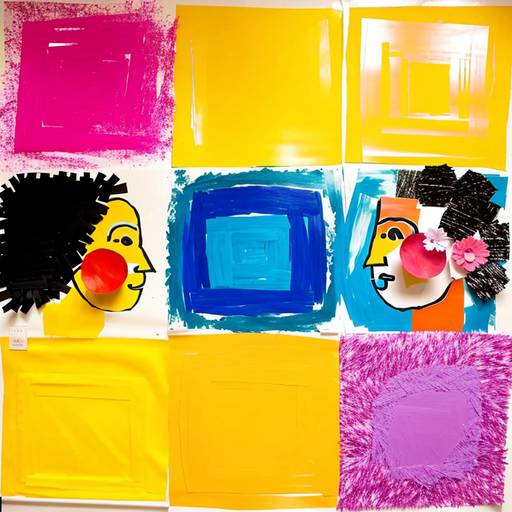
In this 3rd-grade art lesson, students will explore the concepts of texture and pattern through drawing techniques. The session begins with a discussion about textures and patterns, accompanied by a demonstration on creating texture rubbings using various textured items. Students will then practice drawing different patterns with pencils.
During the independent activity, students will create a mixed media drawing that incorporates both the texture rubbings and patterns they have developed, inspired by a chosen theme. They are encouraged to use colored pencils, crayons, or markers to enhance their artwork and emphasize the textures and patterns.
To conclude the lesson, students will share their creations with the class, reflecting on how they used textures and patterns in their work. The lesson will be assessed based on creativity and the effective use of textures and patterns in their compositions. Extensions may include creating a classroom display of artwork or introducing more advanced techniques in future lessons.
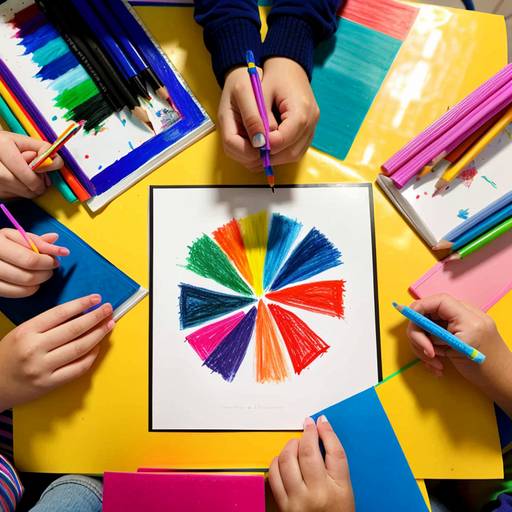
In this 1st Grade art lesson, students will explore basic drawing techniques by creating their own imaginative creatures using lines and shapes. The session begins with a discussion about real and imaginary animals to inspire creativity. The teacher will demonstrate how to break down a creature into basic shapes while adding details with lines. Students will then practice sketching their creatures using pencils before adding color with crayons or colored pencils, allowing for individual expression. As the lesson concludes, students will share their creations with the class, fostering a sense of pride in their unique artistic expressions. The lesson emphasizes creativity, the use of color, and the importance of imaginative thinking in art. Extensions may include creating a habitat for the creatures in future lessons, further expanding on their artistic skills.
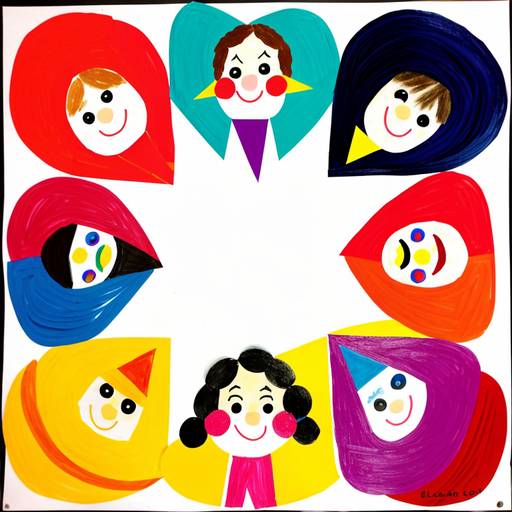
In this 2nd-grade art lesson, students will explore the basic elements of art with a focus on color theory. The lesson begins with a discussion about primary and secondary colors, including a demonstration of color mixing. Students will then engage in a creative activity where they design their own unique creatures using a variety of materials such as construction paper, magazines, and art supplies. They will cut out shapes and collage them together while incorporating different colors, encouraging them to think about their color choices and how they enhance their artwork.
The session includes a mini-gallery walk for students to share their creations with peers, fostering a sense of community and collaboration. Reflection prompts will encourage students to articulate their artistic decisions regarding color. Assessment will be based on creativity, color usage, and effort. Additionally, extensions are suggested for further exploration of color and storytelling related to their creatures. Overall, this lesson aims to deepen students' understanding of color while allowing for personal expression through art.
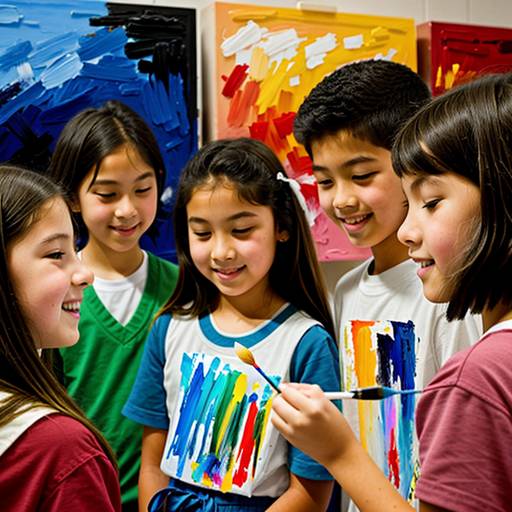
In this 5th-grade art lesson, students will explore various painting techniques using brushes to deepen their understanding of color mixing and application methods. The lesson begins with a discussion of the importance of different brush techniques in art, accompanied by visual examples. In a demonstration, the teacher will showcase techniques like using flat brushes for broad strokes, round brushes for detail, stippling for texture, and fan brushes for effects such as foliage or clouds.
Following the demonstration, students will practice these techniques on small pieces of paper, experimenting with color mixing and brush strokes while receiving guidance from the teacher. Once they’ve gained confidence, students will create their own paintings, incorporating at least three different brush techniques. They will choose a theme that inspires them, and the final artworks will encourage personal expression and creativity.
The lesson concludes with a sharing session where students present their paintings and discuss the techniques utilized and the emotions they aimed to convey. Students will be assessed on their participation, technique application, creativity, and effort. Extensions may include collaborative projects or writing reflections on their artwork, further enhancing their learning experience.
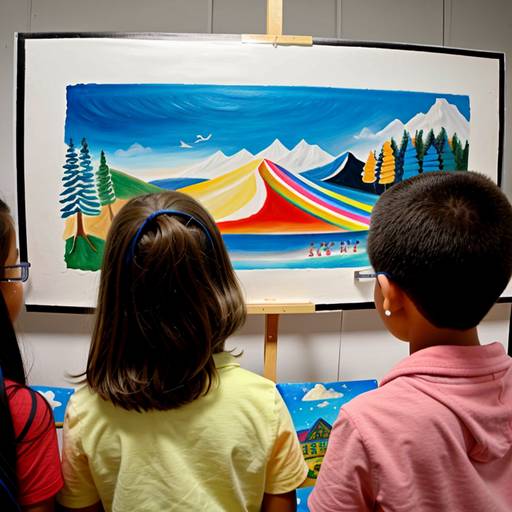
In this 4th-grade art lesson, students will explore basic painting techniques using both watercolor and acrylic paints. The lesson begins with a warm-up discussion about landscapes, allowing students to share personal experiences and view examples of various landscape artworks. Students will learn about color mixing, practicing with primary and secondary colors before sketching their own landscape scenes.
During the painting process, students will be divided into two groups based on their preferred medium, focusing on specific techniques such as blending, layering, and texturing. They will then create their colorful landscape paintings.
As the lesson concludes, students will present their artwork to the class, reflecting on their creative choices and the challenges they faced. Clean-up procedures will be discussed to ensure proper care for art materials. Assessment will be based on participation, effort, and creativity in their final pieces. Extension activities and adaptations are provided to accommodate diverse learners and encourage further artistic exploration.
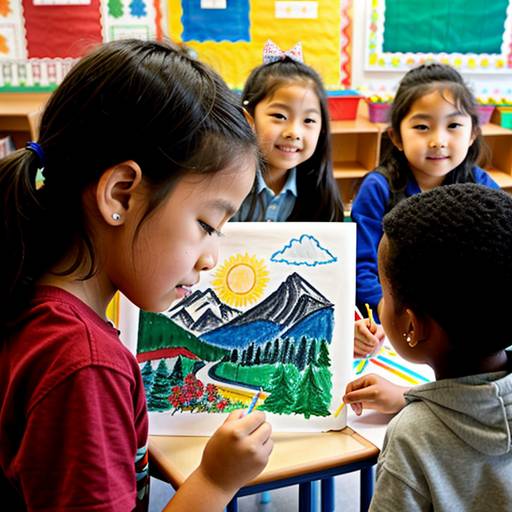
In this Kindergarten art lesson, students will explore various drawing techniques by creating their own colorful nature landscapes. The lesson begins with a discussion about nature and landscapes, allowing students to share their observations and feelings. Following this, the teacher demonstrates basic drawing techniques, such as different types of lines and shapes used to represent elements of nature, and discusses color application for depth and emotion.
Students then engage in a guided practice session, sketching their landscapes on drawing paper while incorporating the techniques learned. After sketching, they enhance their work with watercolor paints, experimenting with brushstrokes and blending colors. The lesson concludes with a mini-exhibition where students share their artwork with peers, fostering a sense of community and encouraging reflection on their creative process. Assessment will focus on student engagement and the application of learned techniques, rather than artistic perfection. Extensions and adaptations are included to support diverse learning needs and enhance creativity.
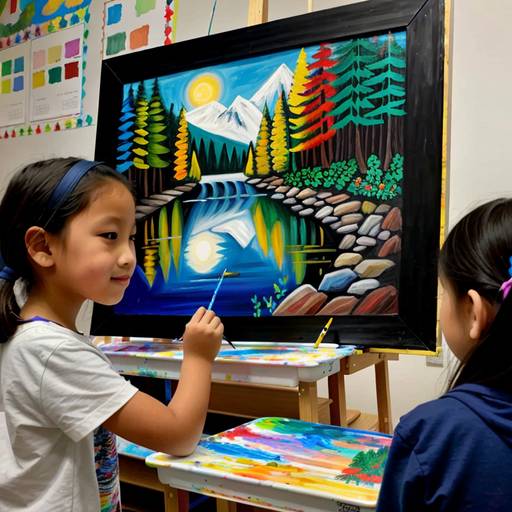
In this 1st-grade art lesson, students will explore basic painting techniques and color theory through the creation of nature-themed artwork. The lesson begins with a discussion about nature and the colors found within it, followed by a demonstration of various brush strokes and color blending, including the mixing of primary colors to create secondary colors. After sketching their nature scenes, students will use watercolor paints to apply the techniques they've learned while experimenting with different colors and brush strokes. The session concludes with a sharing time where students present their artwork and reflect on their learning experiences. Assessment will focus on students' engagement, creativity, and application of techniques throughout the project, with opportunities for extension activities in other mediums.
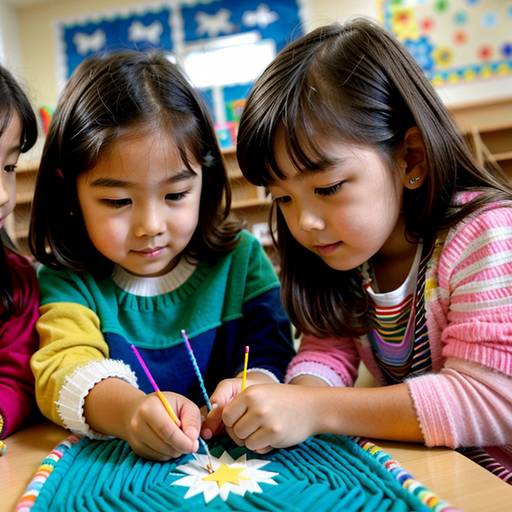
In this kindergarten lesson, students will explore the world of fiber arts through hands-on activities that introduce basic stitching techniques and the creative use of fabric. The session begins with a discussion about various forms of fiber art and an introduction to basic stitching methods using a sample board. Students will then select colorful fabric scraps and threads to create their own unique art pieces on a cardboard or paper plate base. As they engage in stitching, they will have the opportunity to express their creativity through design and color choices. The lesson concludes with a sharing session where students describe their artwork and reflect on their learning experience. The aim is to foster creativity, enhance fine motor skills, and encourage students to appreciate textile art as a means of self-expression. Assessment will focus on student engagement and the creative application of materials.
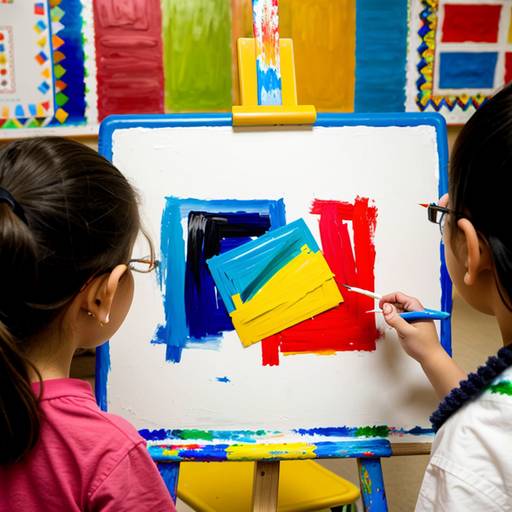
This kindergarten art lesson focuses on introducing students to various painting techniques while fostering creativity and self-expression. Over the course of one hour, students engage in a discussion about colors and painting, followed by a demonstration of different techniques such as sponging, splattering, and blending. Materials like water-based paints, brushes, and sponges are provided for hands-on exploration.
Students are divided into small groups to explore a specific technique before creating their own unique paintings, encouraged to use their favorite colors and combine techniques. Throughout the activity, the teacher circulates to provide guidance and positive feedback. The lesson concludes with a "gallery walk," allowing students to admire each other's work and share their artistic choices. Assessment is based on participation, creativity, and technique application, with opportunities for further exploration in future lessons. Overall, the lesson promotes collaboration and appreciation for individual artistic expression.