
Filters
Level
Grade
Subject
Subject Area
Subject Topic
Standard(s)
Audience
Keyword
DurationMinutes
Elementary School Lesson Plans
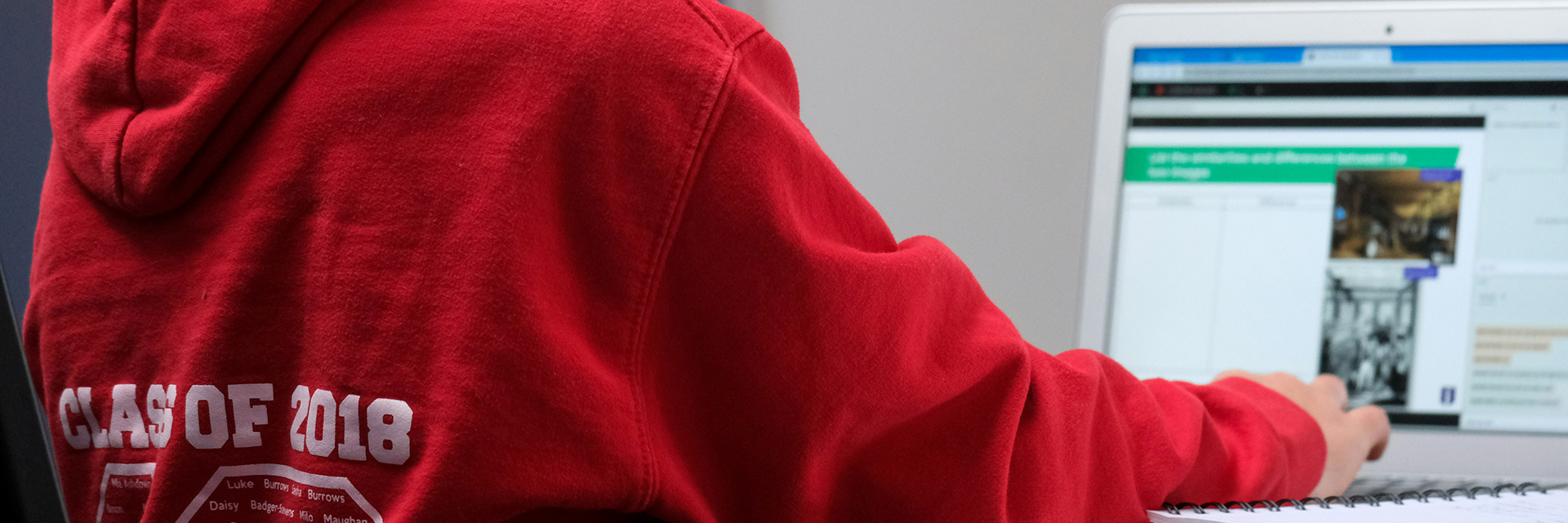

In this 4th-grade technology lesson plan, students will be introduced to the fundamentals of coding through the visual programming language Scratch. The lesson begins with a discussion about coding and its relevance in everyday technology, accompanied by an overview of the Scratch interface and its coding blocks. Students will engage in an exploration activity to familiarize themselves with Scratch, followed by a planning phase where they will design their own interactive games based on storyboards they create.
In the second part of the lesson, students will actively code their games, applying the concepts they learned about movement, objectives, and game mechanics. They will present their projects to the class, showcasing their creativity and the unique elements of their games. The lesson concludes with a reflection on their coding experience. Students will be assessed based on participation, planning documentation, and the complexity of their game creations, with opportunities for future extensions in coding concepts and collaboration.

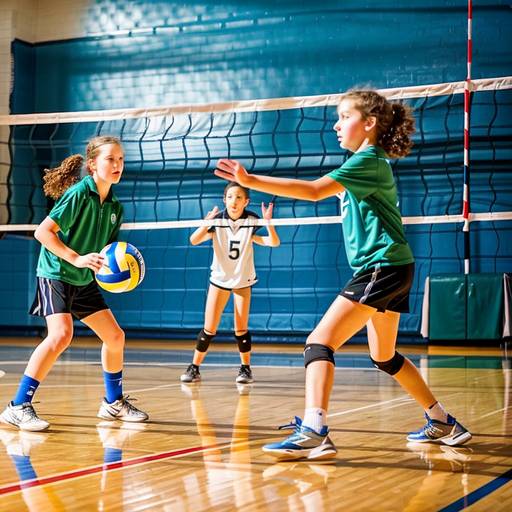
This 5th-grade physical education lesson focuses on teaching students the fundamental skills of volleyball, including bumping, setting, and spiking, while also introducing the basic rules of the game. The 60-minute session begins with a warm-up and an overview of volleyball concepts. Students rotate through skill stations where they practice bumping and setting with partners, followed by spiking techniques.
To apply their skills, students are divided into small teams for a mini-tournament, where they engage in friendly matches while learning about teamwork and communication. The lesson concludes with a cool-down and static stretching, allowing students to reflect on their learning experiences. Throughout the lesson, students receive feedback on their technique and sportsmanship, with adaptations made for varying skill levels. Teacher reflection is encouraged to enhance future lessons based on student feedback and performance.
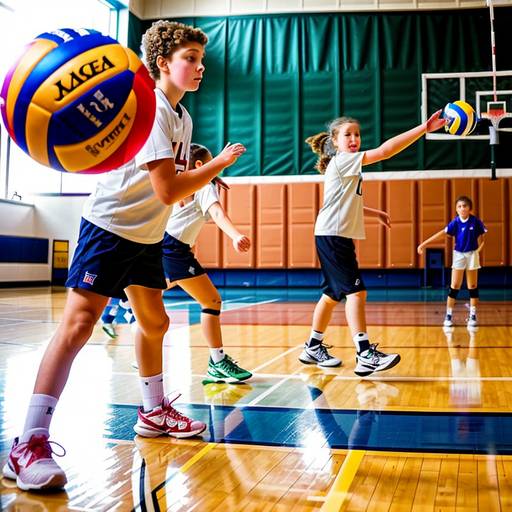
This 4th grade physical education lesson focuses on introducing students to the fundamentals of volleyball through engaging activities that emphasize skill development, teamwork, and communication. The lesson begins with a dynamic warm-up to prepare students physically and introduces them to interesting facts about volleyball.
Students will practice the essential skills of bumping and setting the ball in paired drills, receiving guidance and feedback from the instructor. Following skill development, the class will be divided into teams for mini volleyball matches, allowing students to apply what they’ve learned in a fun and cooperative environment while playing modified games that foster teamwork and sportsmanship.
The session concludes with a cool-down period featuring static stretching and a reflection on the day’s activities. Throughout the lesson, the instructor will assess students based on their technique, participation, and ability to work together effectively. Flexibility in timing and activity modifications will ensure an inclusive experience for all students.

This 3rd-grade language arts lesson plan focuses on teaching students the rules of capitalization and how to apply them in their writing. The lesson begins with an engaging discussion about capital cities, emphasizing the importance of proper nouns. Students are introduced to key capitalization rules through direct instruction, utilizing a poster as a visual aid.
During guided practice, students work on a worksheet with sentences missing capital letters, collaborating to identify which words need capitalization. They then independently write a short paragraph about their favorite city, applying the capitalization rules learned. The lesson concludes with students sharing their paragraphs and reinforcing the rules through a chant or song. Assessment is based on their worksheets and paragraphs, with differentiation strategies in place for varying skill levels. An extension activity involves creating a "Capital City" bulletin board for ongoing practice and engagement. Overall, the lesson aims to enhance students' understanding and application of capitalization in their writing.
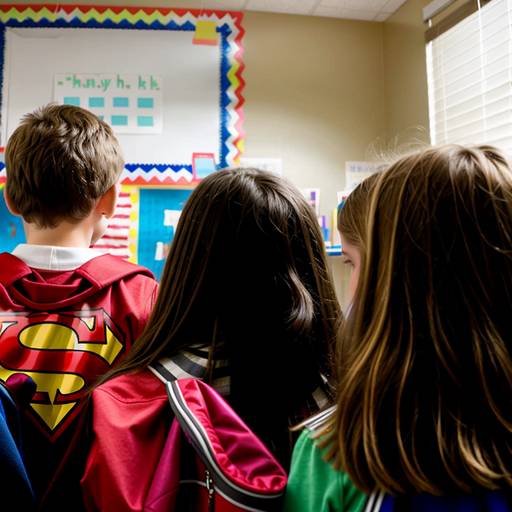
This 2nd-grade language arts lesson focuses on teaching students the rules of capitalization through engaging activities and relatable analogies. The lesson begins with an introduction to the importance of capital letters, framed as “superheroes” that make sentences clear and exciting. Students will learn key capitalization rules, including the use of capitals for the first word in sentences, proper nouns, and the names of days and months.
During guided practice, students will work collaboratively to identify and correct capitalization errors in sample sentences displayed on chart paper. They will then complete an independent worksheet featuring exercises that require them to circle incorrect lowercase letters and rewrite sentences with appropriate capitalization. Additionally, they will express their creativity by writing their own sentences about their favorite superheroes while applying the rules learned.
The lesson concludes with students sharing their sentences aloud, reinforcing their understanding of capitalization, and submitting exit tickets that demonstrate their grasp of the day's concepts. Assessment will be conducted through observation during activities and the review of completed worksheets and exit tickets, allowing for differentiated support based on individual skill levels.
This fourth-grade language arts lesson focuses on teaching students the rules of capitalization and how to apply them effectively in their writing. The lesson begins with an engaging introduction that includes a song or poem, followed by a discussion to gauge prior knowledge. The teacher reviews essential capitalization rules with examples and models correcting sentences with capitalization errors.
Students then engage in guided practice, correcting sentences in pairs, which culminates in sharing corrections with the class. For independent practice, they write a short paragraph about their favorite holiday, ensuring proper use of capitalization. After writing, students participate in peer review to check each other's work.
The lesson concludes with a reflection discussion on the importance of capitalization and a fun game of "Capitalization Bingo." Assessment includes observing participation, reviewing the corrections made by students, and evaluating their written paragraphs. Differentiation strategies are provided to support diverse learning needs, and resources are sent home for continued practice. Overall, the lesson integrates collaboration, creativity, and essential grammar skills to enhance students' writing proficiency.
In this 2nd grade language arts lesson, students will explore the rules of capitalization, focusing on proper nouns and their usage. The lesson begins with a discussion to help students understand the importance of capital letters in daily life. Students will then collaborate to identify and correct capitalization errors in sample sentences displayed on the whiteboard. Following guided practice, they will complete a worksheet that includes correcting sentences and creating their own, emphasizing correct capitalization. The lesson concludes with students sharing their sentences with the class, reinforcing their understanding and rewarding their efforts with stickers or stamps. The teacher will assess student comprehension through observation and collected worksheets, with differentiation provided to meet diverse learning needs.
This 3rd-grade language arts lesson focuses on teaching students the essential rules of capitalization in writing. The lesson begins with a brief discussion about the importance of capitalization, followed by direct instruction where students analyze sentences with capitalization errors. During guided practice, they work on correcting capitalization mistakes in provided worksheets. Students then engage in a creative activity where they write and illustrate their own sentences using proper capitalization. The lesson concludes with a class share, where students present their work, reinforce their understanding, and review the capitalization rules. Assessment is based on participation and completion of worksheets, with differentiation strategies in place to support various learning needs. Overall, the lesson aims to enhance students' grammar skills and confidence in writing through interactive and engaging activities.
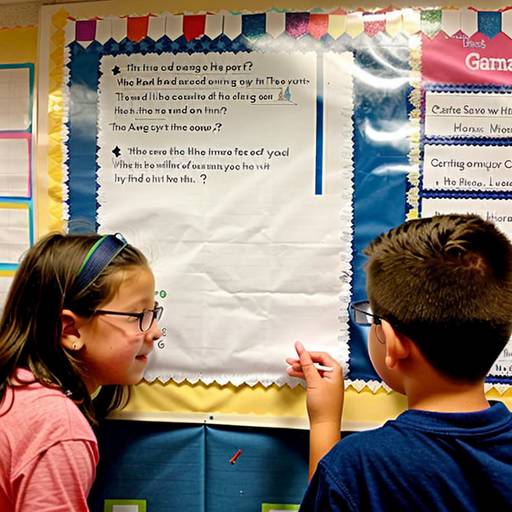
In this 3rd-grade Language Arts lesson, students will focus on the rules of capitalization, learning to identify and correctly capitalize proper nouns and the beginnings of sentences. The lesson begins with a discussion on the importance of capitalization, followed by hands-on practice where pairs of students work together to correct improperly capitalized sentences. To reinforce their skills, students participate in an engaging treasure hunt, where they find clues containing sentences that need capitalization corrections. After completing the treasure hunt, each student writes a creative story or paragraph incorporating proper capitalization. The lesson concludes with a sharing session, allowing students to showcase their work and reinforcing the significance of clear communication through correct capitalization. Assessment is based on participation and the accuracy of students’ written work, with opportunities for extensions for advanced learners. Overall, the lesson combines exploration and collaboration to enhance students' grammar skills in a fun and interactive manner.
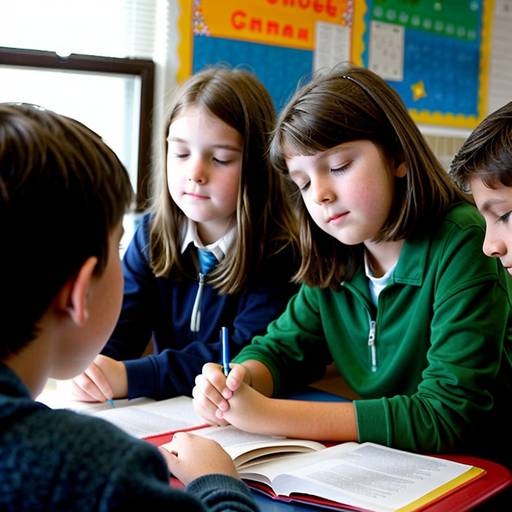
This 5th-grade language arts lesson focuses on teaching students the rules of capitalization in a fun and interactive manner. The lesson begins with a class discussion about the significance of capitalization in writing, followed by an introduction to essential capitalization rules, such as capitalizing the first word in a sentence, the pronoun "I," proper nouns, and specific time references.
During guided practice, students collaboratively identify and correct capitalization errors in sample sentences displayed on the whiteboard. They then engage in an independent activity where they work in pairs to capitalize a short story with missing capitals and create illustrations for it.
As the lesson closes, pairs present their revised stories to the class, emphasizing the corrections they made. The instructor assesses student understanding through observation and a quick activity where students write down a capitalization rule they learned. Extensions are provided for advanced students and those who need extra practice. Overall, the lesson aims to develop students' grammar skills while encouraging collaboration and creativity.