
Filters
Level
Grade
Subject
Subject Area
Subject Topic
Standard(s)
Audience
Keyword
DurationMinutes
Elementary School Lesson Plans
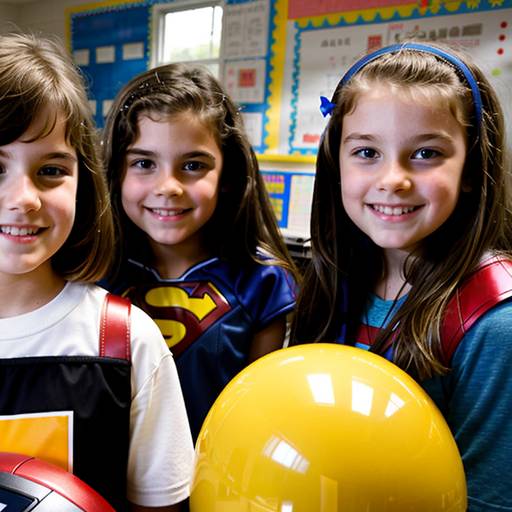
In this 4th-grade technology lesson, students will learn about essential internet skills and safety practices. The lesson begins with a discussion on how students currently use the internet and its various positive and negative aspects. Through an engaging presentation, students will explore topics such as the significance of protecting personal information, recognizing trusted versus unreliable sources, and unsafe online behaviors.
During guided practice, students will work in small groups to analyze scenario cards that depict various online situations, determining whether each one is safe or unsafe and discussing appropriate responses. Following this, students will participate in independent exploration of pre-approved kid-friendly websites while completing a worksheet that reinforces their understanding of safety measures and information verification.
The lesson concludes with a recap of key points, allowing students to share what they learned and how they plan to apply their newfound knowledge in their online activities. Assessment will be based on group discussions, participation, and the worksheets completed during independent practice. Extensions may include creating digital content related to internet safety, fostering engagement beyond the classroom. Overall, the lesson aims to empower students with the skills and awareness necessary to navigate the internet safely and responsibly.
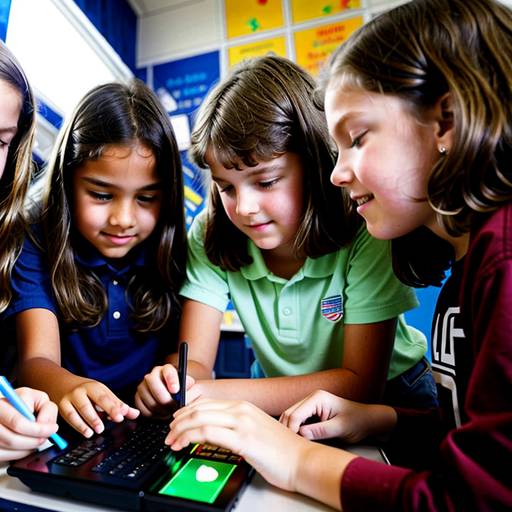
This lesson plan is designed for 5th-grade students to enhance their internet skills and understand the importance of online safety. The session begins with an engaging discussion where students share their favorite online activities, followed by a presentation that educates them on identifying credible sources, navigating privacy settings, recognizing phishing scams, and addressing cyberbullying.
Students then participate in a group activity where they analyze assigned websites using a checklist to assess their reliability and prepare a presentation on their findings. After sharing their insights with the class, students engage in a recapitulation of the key concepts learned throughout the lesson.
To conclude, they complete an exit ticket reflecting one new thing they learned about internet safety and one website they intend to explore responsibly. The lesson aims to empower students with essential skills for navigating the digital world safely and responsibly while encouraging communication about internet safety with their families.
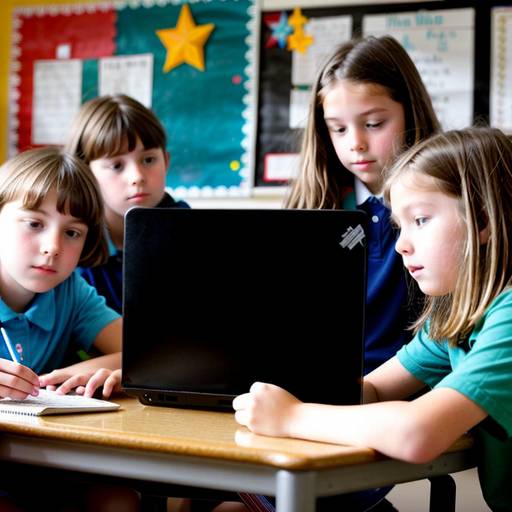
This 4th-grade technology lesson plan focuses on equipping students with essential internet skills and online research techniques. The session begins with a discussion about students' existing knowledge of the internet and an overview of key objectives, emphasizing online safety and the identification of reliable sources.
Through direct instruction, students learn about safe browsing practices and effective search strategies, including the use of specific keywords. In a guided group activity, students research assigned topics online, taking notes and recording URLs of credible sources. They then engage in independent practice by documenting their findings and learning how to create simple citations, emphasizing the importance of acknowledging original authors.
The lesson concludes with a class discussion where students share their discoveries and reflect on their learning. Assessment includes observation during group work and the collection of note-taking templates to evaluate understanding. Extensions are provided for students to further develop their skills by conducting individual research at home for presentation in the next class. Overall, the lesson fosters a strong foundation in digital literacy while promoting responsible internet use.
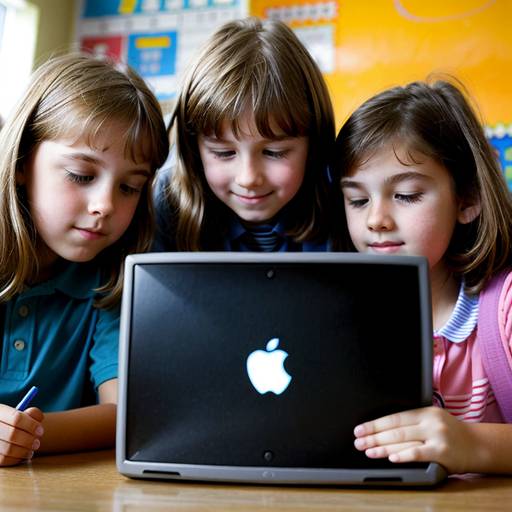
This lesson plan focuses on teaching 3rd-grade students essential internet skills and online research techniques. The objectives are to help students understand the internet, navigate it safely, identify reliable sources, and conduct basic online research. Throughout the lesson, students engage in a mix of discussion, demonstration, and hands-on group activities. They learn to use kid-friendly search engines, develop effective search strategies, and evaluate the credibility of online information.
During the group activity, students work collaboratively to research a specific topic, using a checklist to ensure they find accurate information and cite credible sources. After their research, each group presents their findings to the class, fostering communication skills and peer learning. The lesson concludes with a recap of internet safety and research skills, encouraging students to apply what they've learned in a responsible manner both in and out of the classroom. Extensions include a homework task where students further practice their research skills at home. The lesson emphasizes the importance of using technology responsibly and respectfully while enhancing students' confidence in navigating the digital world.

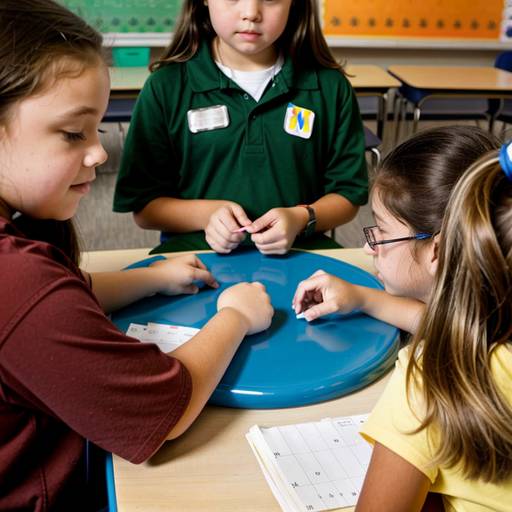
This lesson plan is designed for 5th-grade students to explore the concepts of measurement and weight. Students will learn to understand and use various units of measurement, including grams, kilograms, pounds, and ounces. The lesson begins with a discussion on the importance of weight and measurement, followed by direct instruction on reading scales and converting between different units.
Through guided practice, students will work in small groups to weigh various objects, record their measurements, and compare findings. Independent practices will reinforce their understanding through worksheets featuring conversion problems and practical measurement tasks. The lesson concludes with a recap of key concepts and an invitation for students to share their discoveries.
Assessment will be based on worksheets, group participation, and a quiz on measurement and weight concepts. The lesson also incorporates differentiation strategies to accommodate varying student needs. For homework, students will report on measurements of items found at home, emphasizing real-world applications of the skills learned.
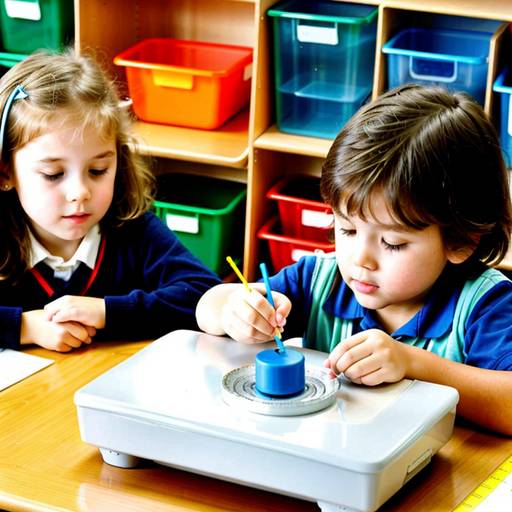
This Kindergarten math lesson focuses on introducing students to the concepts of measurement and weight through engaging, hands-on activities. The lesson begins with a discussion about measurement and weight, encouraging students to express their understanding and observations. In the instructional phase, the teacher demonstrates how to use a balance scale and non-standard units, such as blocks or cups, to measure the weight of various objects.
Students then participate in a guided practice where they work in pairs to weigh their chosen objects using the balance scale and measure them with blocks or cups. They record their findings on worksheets and share their results with the class, allowing for collaborative learning and discussion.
Following this, students complete an independent worksheet where they illustrate and categorize objects based on their weight (light, medium, or heavy). The lesson concludes with a recap of the key concepts learned, reinforcing the understanding of weight and measurement through class participation and rewards. The lesson also includes adaptations to support diverse learning needs and offers extensions to connect measurement to real-life contexts. Overall, the lesson promotes active engagement and critical thinking skills while fostering a foundational understanding of measurement and weight.
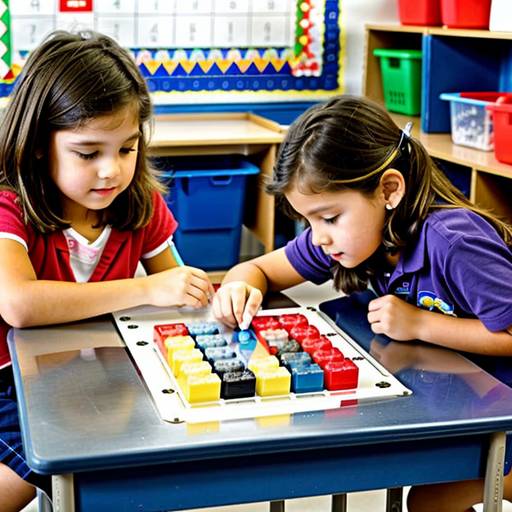
In this 1st-grade math lesson, students will explore the concepts of measurement and weight through hands-on activities using a balance scale and non-standard measurement units, such as counting cubes. The lesson begins with an engaging discussion about weight comparison, guiding students to introduce and understand key vocabulary like heavier, lighter, and balance. During guided practice, students will work in small groups to weigh various classroom objects and record their observations. In the independent practice segment, each student will choose an object to measure and document their findings on a worksheet, including comparisons to other items. The lesson concludes with a sharing session, allowing students to discuss their discoveries and reflections while emphasizing the relevance of measurement in everyday life. Assessment is integrated through observation and worksheet completion, with differentiation strategies in place to support diverse learners. Overall, this lesson promotes active learning and foundational skills in measurement.
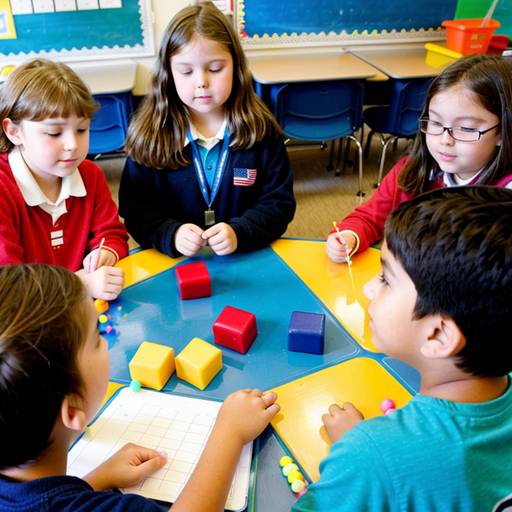
In this 4th-grade math lesson, students will explore the concepts of measurement and weight by engaging in hands-on activities. The lesson begins with a discussion on the importance of measuring weight and the introduction of standard units such as grams, kilograms, ounces, and pounds. Students will learn how to use a kitchen or digital scale, practice taking measurements of various classroom items, and record their findings in tables.
As they work in small groups, they will gain experience in converting between different units of weight using provided charts. The lesson includes independent practice, where students complete worksheets that involve measuring items and answering conversion questions. The session wraps up with a review of key concepts, allowing students to share their findings and reflect on the importance of weight measurement in everyday life. Assessment will be based on participation, accuracy of measurements, and completion of the worksheets. Accommodations will be provided for students who need additional support. Throughout the lesson, students will gain valuable skills in measurement that can be applied in real-world contexts.
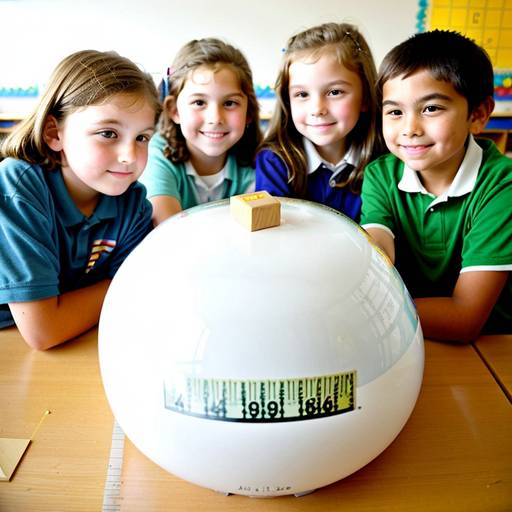
This lesson plan for a 3rd-grade math class focuses on measurement and weight, guiding students to explore these concepts through hands-on activities. The primary objectives include understanding weight, measuring with standard units (grams, kilograms, ounces, and pounds), and using balance scales for comparisons.
Students begin by discussing weight and then engage in an estimation activity, where they guess the weight of various classroom objects. Working in small groups, they measure the actual weights of these objects, record their findings, and compare them to their estimates. Each group then presents their results to the class, highlighting their heaviest and lightest objects.
The lesson concludes with a summary of learned concepts and a homework assignment that continues the exploration at home. Assessment is based on participation, accuracy of measurements, and completion of assigned tasks. The plan encourages hands-on learning and supports the development of practical measurement skills in a collaborative setting.
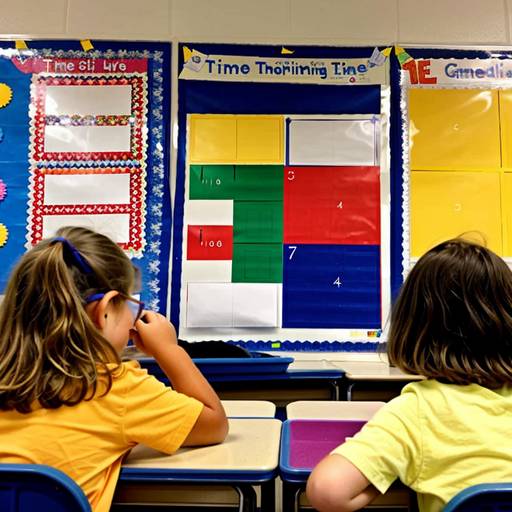
In this 2nd-grade math lesson, students will focus on understanding how to tell time and the concept of elapsed time. The lesson begins with a review of reading analog and digital clocks, followed by an engaging story that incorporates time references.
Students will learn about elapsed time through direct instruction and visual demonstrations, including practical examples of scenarios like reading time or engaging in play. They will then participate in a group activity where they solve elapsed time problems collaboratively, using timers to simulate real-life situations.
For independent practice, students will complete a worksheet that includes various elapsed time questions, reinforcing their understanding of the concept. The lesson concludes with a review of the answers, allowing for clarification of any confusions. Assessment will occur through observation during group activities and evaluation of the worksheets.
This interactive and comprehensive approach provides students with a solid foundation in telling time and understanding how time passes throughout the day, effectively preparing them for future mathematical concepts related to time.