
Filters
Level
Grade
Subject
Subject Area
Subject Topic
Standard(s)
Audience
Keyword
DurationMinutes
Elementary School Lesson Plans


In this 4th-grade art lesson, students will explore painting techniques through the creation of imaginative landscapes. The lesson begins with a discussion about various fantasy landscape images to spark creativity and inspiration. Students will learn and practice techniques such as blending, layering, and texturing as they develop their own unique compositions. After brainstorming and sketching their ideas, students will transfer their designs onto watercolor paper or canvas and begin painting, applying the techniques they've learned. As they work on their landscapes, the teacher will provide individual feedback and support. The lesson will conclude with a reflection, where students will share their experiences and insights about their artwork. Completed paintings will be showcased, allowing students to celebrate their creativity and artistic expression. Overall, the lesson emphasizes the importance of creativity while helping students build their technical skills in painting.

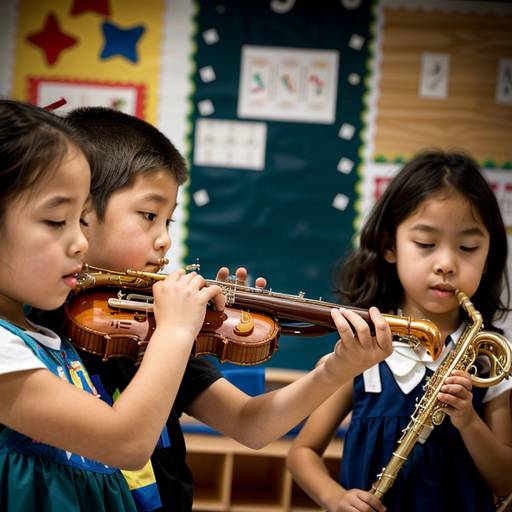
In this Kindergarten music lesson, students will explore the world of woodwind instruments through a variety of engaging activities. The lesson begins with an introduction to different woodwind instruments using pictures and sound clips, encouraging students to share their experiences and preferences. Next, students will participate in a listening activity where they identify sounds and movements inspired by each instrument, showcasing their creativity through movement exercises with colorful scarves.
The lesson includes a hands-on craft activity where students create their own simple woodwind instruments using paper straws, allowing them to experiment with producing sounds and different pitches. To wrap up, the class will engage in a discussion to reflect on their favorites and what they learned throughout the lesson. Overall, the plan aims to promote an understanding of music and rhythm while fostering creativity and collaborative learning among students.

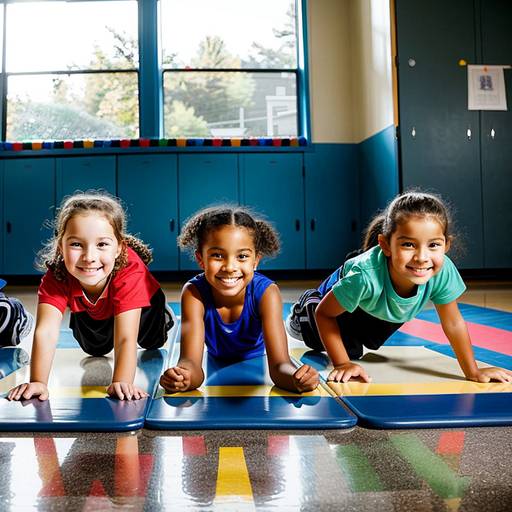
In this 2nd-grade physical education lesson plan, students will explore the concepts of fitness and flexibility through engaging activities designed to promote body awareness and overall health. The lesson begins with a brief introduction that explains the importance of fitness and flexibility, followed by a dynamic warm-up to get students moving. A variety of stretching exercises targeting major muscle groups will be introduced to help students understand proper techniques and the benefits of stretching.
The lesson includes four activity stations where students participate in fun, hands-on practices such as hula hooping, yoga poses, using stretch bands, and navigating an obstacle course with designated stretching points. Each station encourages movement and flexibility while fostering teamwork and enjoyment.
To conclude the lesson, students will engage in a cool-down session that incorporates deep breathing and gentle stretches. Reflective discussions will allow students to share their favorite parts of the lesson and enhance their understanding of fitness concepts. Finally, a take-home sheet with stretching illustrations and fitness tips will be provided to encourage continued practice at home, promoting an active and healthy lifestyle. Throughout the lesson, teachers will assess student participation and understanding, making adaptations as needed for varying abilities.
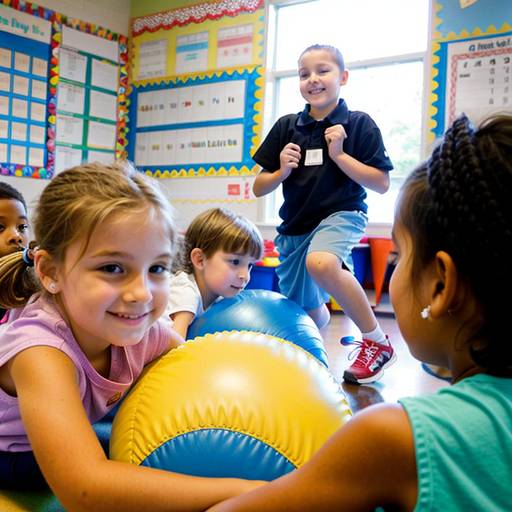
This first-grade physical education lesson focuses on introducing students to the concepts of fitness and flexibility through engaging activities and stretches. The session begins with a warm-up that includes a fun movement song followed by gentle dynamic stretches to prepare the body. Students then participate in stretching stations where they practice various exercises, such as the Cat-Cow Stretch, Butterfly Stretch, and Seated Toe Touches, while rotating through each station in small groups.
To enhance their learning experience, students engage in an interactive game that encourages them to move like different animals while incorporating designated stretches. The lesson concludes with a group discussion where students reflect on their favorite activities and stretches, followed by a calming cool-down session.
Throughout the lesson, students develop their understanding of the importance of fitness and flexibility, while also enjoying movement, teamwork, and healthy habits. An optional take-home activity encourages reinforcement of these concepts with family. Overall, the lesson aims to foster a positive attitude towards physical activity and encourage students to incorporate stretching into their daily routines.
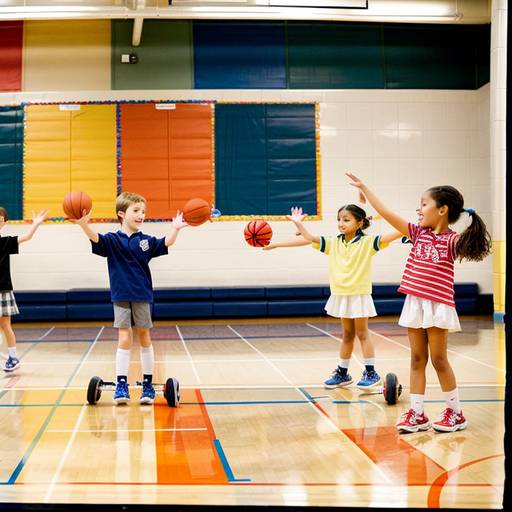
This 1st Grade Physical Education lesson focuses on enhancing students' coordination and balance through engaging activities. The lesson begins with a brief introduction to the concepts of coordination and balance, followed by a warm-up session that includes dynamic movements and stretching.
Students then participate in four activity stations designed to improve their skills: balancing in hula hoops, tossing beanbags to targets, walking on a balance beam, and practicing basic juggling techniques. After the stations, a group cool-down encourages relaxation and reflection on the activities.
To reinforce learning at home, students are given a simple task to practice balancing while engaged in their daily routines. The lesson emphasizes observation and positive feedback to assess students’ development and encourage collaboration among peers, ensuring that all learners, regardless of their abilities, can participate meaningfully. Future lessons will continue to challenge and refine these essential skills through fun and interactive games.

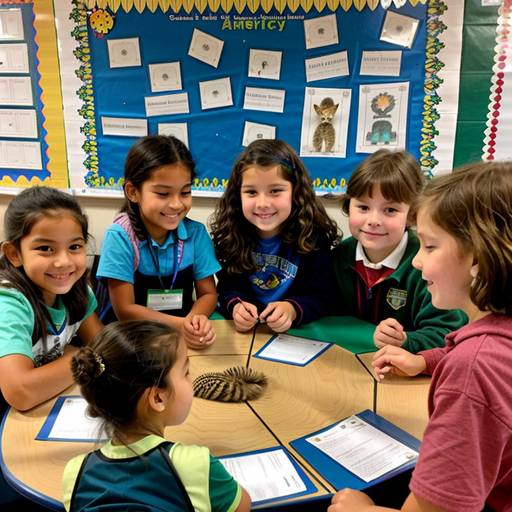
In this engaging 1st-grade science lesson, students will explore the fascinating world of animals, focusing on categorizing them into five main groups: mammals, birds, reptiles, amphibians, and fish. The lesson begins with a group discussion to elicit prior knowledge, followed by a read-aloud of a book that highlights different animals and their habitats. Students will work in small groups to sort animal picture cards into the appropriate categories, fostering teamwork and discussion. After sharing their findings with the class, they will engage in a creative art activity where they draw and label their favorite animal along with one of its basic needs. The lesson concludes with a reflection on what they have learned. Assessment will involve observing group work and reviewing students' drawings for comprehension. Extensions may include inviting a guest speaker or planning a field trip to deepen their understanding of animal care and habitats. Differentiation strategies will be included to support diverse learners. This lesson aims to spark curiosity and a sense of wonder about the animal kingdom while introducing essential life science concepts.
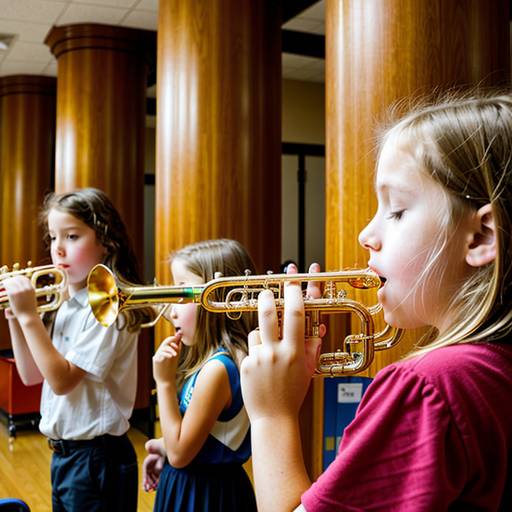
This lesson plan introduces fourth-grade students to the world of wind instruments, focusing on their identification, sound production, and musical significance. The session begins with an engaging discussion about students' experiences with wind instruments, accompanied by visual and audio resources to enhance their understanding. Students listen to pieces of music that feature various wind instruments, allowing them to identify sounds and discuss the characteristics of each instrument.
Following this, a demonstration of selected instruments provides a hands-on learning experience, where students have the opportunity to try out simple notes on accessible instruments. The class is then divided into small groups, each tasked with researching a particular wind instrument and preparing a brief presentation to share with their peers.
The lesson concludes with a whole-class reflection, encouraging students to express their thoughts on the instruments they found most interesting. A worksheet is provided for individual assessment, allowing students to consolidate their learning by answering questions and illustrating a wind instrument they favor. Opportunities for further exploration are suggested, such as bringing in instruments from home or planning a day for performances, to deepen students' engagement with the topic.
This lesson plan is designed for 3rd-grade students to explore the concepts of digital citizenship and privacy protection. The objective is to help students understand the importance of safeguarding their personal information online. The lesson begins with a class discussion to define digital citizenship, followed by a kid-friendly video that highlights essential online safety practices. Students engage in small group discussions where they analyze various scenarios related to online privacy and share their strategies for responding to those situations.
An interactive activity involves creating a personalized "Privacy Protection Checklist" that students can take home as a reminder of the safety practices they learned. The lesson concludes with a recap of key takeaways, encouraging students to share one action they will implement to protect their privacy online. Participation in discussions and the completion of the checklist serve as assessment tools to ensure understanding. Extensions of the lesson encourage family involvement and reinforce the importance of responsible online behavior within the broader school community. Overall, the lesson equips students with practical strategies to navigate the digital world safely and responsibly.
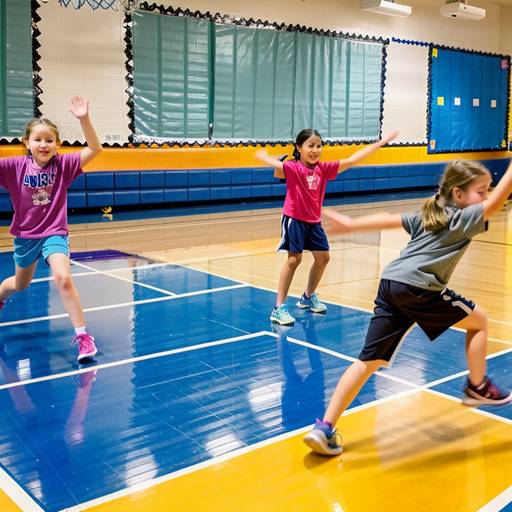
This second-grade physical education lesson focuses on improving coordination and balance through a series of engaging activities. The session begins with a warm-up that includes dynamic stretches and a movement game to prepare students for physical activity.
After a brief introduction explaining the importance of balance and coordination, students participate in four activity stations. Each station emphasizes different skills: walking inside hula hoops while balancing on one foot, weaving through cones, walking across a balance beam, and playing a musical balance game.
A group challenge encourages teamwork and creativity as students work together to transport a bean bag using unconventional methods. The lesson concludes with a cool-down featuring gentle stretches and a reflection session where students share their experiences, challenges, and favorite activities.
Assessment is based on students' participation and ability to perform balance and coordination tasks. Adaptations are provided to support students with varying abilities, ensuring that everyone can engage in the lesson. Overall, the lesson aims to enhance essential motor skills while keeping students active and entertained.
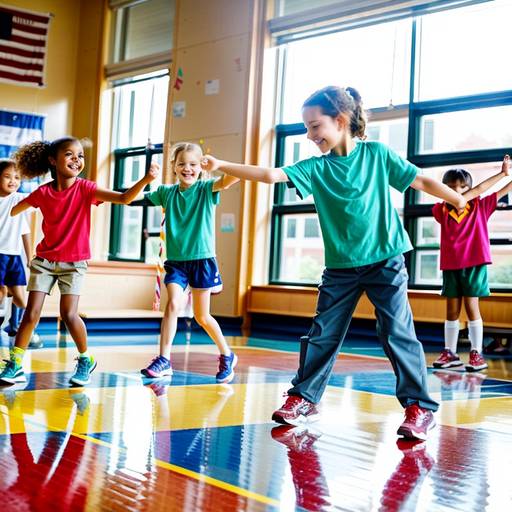
In this kindergarten physical education lesson, students will focus on developing coordination and balance through a series of engaging activities. The lesson begins with a brief discussion about the importance of these skills in daily life, followed by a warm-up that incorporates animal movements to activate their muscles.
Students will then participate in three activity stations: hula hoop balancing, a bean bag toss targeting cones, and walking across balance beams or marked lines to practice their balance. Next, they will engage in a group challenge called "Balance Parade," where they will perform various coordination tasks while walking in line. The lesson concludes with a cool-down session and an open reflection where students can share their experiences and insights about the activities.
Throughout the lesson, students will be encouraged to participate actively and communicate with their peers, fostering teamwork and confidence while enhancing their physical skills. Modifications will be provided for those needing extra support, and safety measures will be implemented to ensure a safe and enjoyable experience.