
Filters
Level
Grade
Subject
Subject Area
Subject Topic
Standard(s)
Audience
Keyword
DurationMinutes
Elementary School Lesson Plans

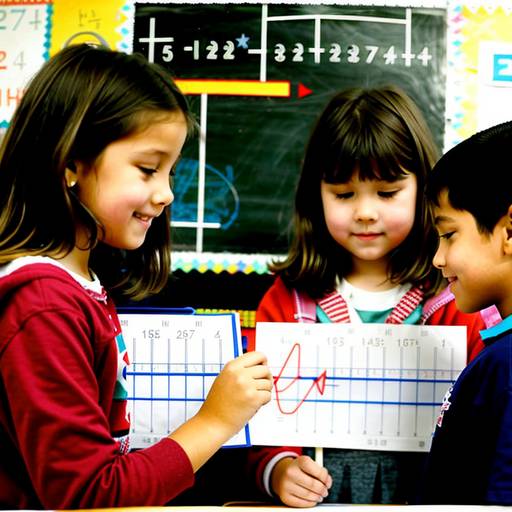
In this 2nd-grade math lesson, students will engage in hands-on activities to learn about measurement and temperature. The lesson begins with a discussion on the significance of weather and introduces the thermometer as a tool for measuring temperature. Students will work in small groups to measure the temperature of various water samples using thermometers and record their findings.
Next, they will explore length measurement using non-standard units such as paper clips or blocks to measure different classroom objects, fostering a practical understanding of size. The collected data will be compiled into a class chart, prompting discussion about the results and comparisons of temperatures and lengths.
To conclude, students will reflect on what they learned and complete a worksheet that reinforces the concepts of measuring temperature and length. Throughout the activities, differentiation strategies will be employed to support varying learning needs, and extensions will encourage students to monitor and report on temperature changes at home. Overall, this lesson aims to develop foundational skills in measurement and foster curiosity about the weather.

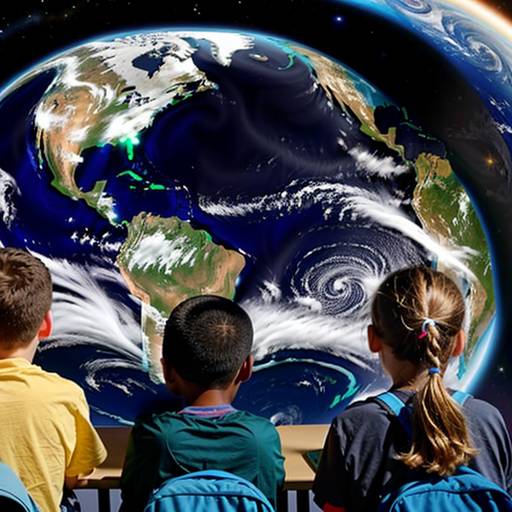
In this 1-hour Earth Science lesson for 3rd graders, students will explore fundamental concepts related to weather and the atmosphere. The lesson begins with a discussion about the types of weather students experienced recently, followed by an introduction to key vocabulary such as weather, atmosphere, precipitation, forecast, and climate. Using a simple water cycle diagram, the teacher will explain the processes of evaporation, condensation, and precipitation, and discuss various weather conditions with the help of flashcards.
Students will then work in small groups to create their own fictional weather forecasts on construction paper, including drawings of weather symbols and descriptions. They will also consider how different weather affects people, animals, and plants. Each group will present their forecasts to the class, facilitating peer learning and reinforcing understanding.
The lesson concludes with a review of key concepts, as students answer questions that assess their grasp of weather phenomena and the water cycle. Assessment will be based on group participation, the accuracy of weather symbols and descriptions, and individual understanding demonstrated during the conclusion. Extensions include maintaining a weather journal and conducting simple experiments, while adaptations will be made for varying student needs and abilities. Reflections after the lesson will focus on engagement and understanding.
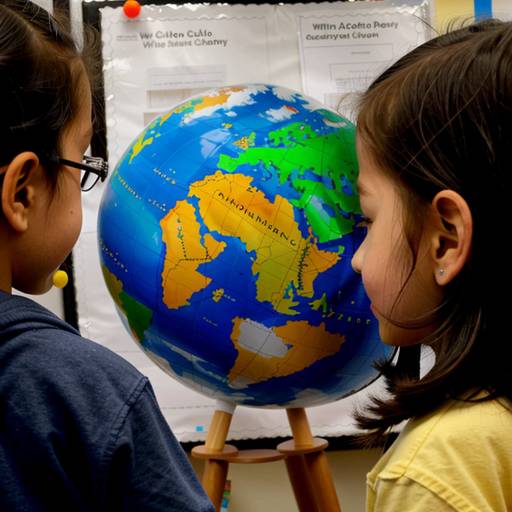
In this Kindergarten Earth Science lesson, students explore various types of weather, including sunny, rainy, cloudy, and snowy conditions. The lesson begins with a discussion about personal experiences with weather, allowing students to engage and share their thoughts. A weather chart is created to track daily weather patterns, fostering an understanding of changes over time.
Students then engage in a creative art activity, where they use finger paints or markers to illustrate their favorite type of weather. This is followed by a fun dress-up role-play activity, enabling them to act out different weather scenarios while their peers guess the type being represented.
The lesson concludes with a recap, allowing each student to share their favorite weather and its significance to them. Throughout the activities, students are assessed on their participation and comprehension, while extensions encourage ongoing weather tracking and further exploration through literature. Adaptations are provided to support varying needs, ensuring an inclusive learning environment. Reflection on the lesson's effectiveness will help inform future teaching strategies.
In this 1st-grade Earth Science lesson, students explore basic weather concepts and seasonal changes through engaging activities. The class begins with a read-aloud of a weather-themed book, sparking discussion about students' weather experiences. They learn to identify and describe four types of weather—sunny, rainy, cloudy, and snowy—using visual aids and vocabulary. Following this, the lesson transitions to an exploration of the four seasons, where students share their favorite aspects of each.
Students then participate in a hands-on weather observation activity outside, drawing what they see and recording their descriptions in a journal. Back in the classroom, the class collaborates to create a large "Weather Wheel," representing different weather types through illustrations. The lesson concludes with a group reflection on how weather affects daily life and an assignment for students to observe and document the weather over the following week.
Assessment is based on participation, journal entries, and contributions to the Weather Wheel, fostering students' understanding of weather and its impact on their environment. Optional extensions include creating a weather graph to chart observations over time and introducing a classroom weather station for ongoing exploration.

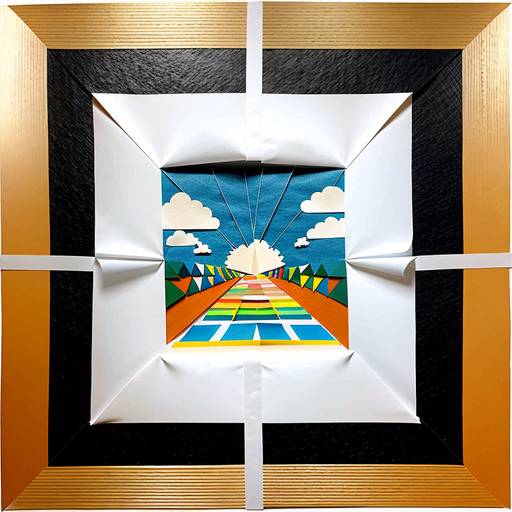
In this 5th-grade art lesson, students will explore the art of collage as a medium for storytelling. The session begins with a discussion on the definition and examples of collages, emphasizing their ability to convey personal narratives. Students will learn various art techniques, such as layering and creating textures, through a guided demonstration. They will then have the opportunity to create their own collages, using a variety of papers and materials to express a chosen story or experience. Throughout the process, collaboration and sharing ideas with peers will be encouraged. At the end of the lesson, students will participate in a gallery walk to showcase their work and reflect on their creative journey, fostering a deeper understanding of art techniques and personal expression. Assessment will be based on creativity, narrative clarity, technique use, and overall effort. An extension activity involving digital collages will further enhance their learning experience.

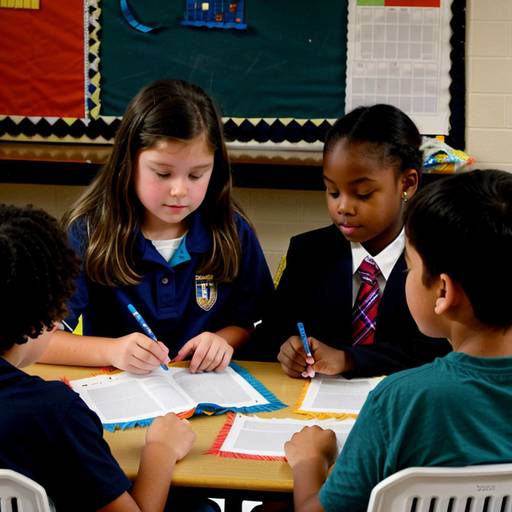
In this 5th-grade social studies lesson, students will explore the various roles within their community and understand the responsibilities associated with each role. The lesson begins with a class discussion that prompts students to identify different roles, such as teachers, firefighters, and city officials, and considers how these roles contribute to community functioning. Following a mini-lecture that provides an overview of key roles and their responsibilities, students will work in small groups to research a specific role assigned to them. They will then create a visual representation, such as a poster or collage, highlighting the importance of their assigned role. The lesson concludes with presentations and a reflection on the significance of community involvement. Assessment will be based on group participation, the quality of visual representations, and involvement in discussions, while extension activities may include inviting community members or organizing field trips to see these roles in action.
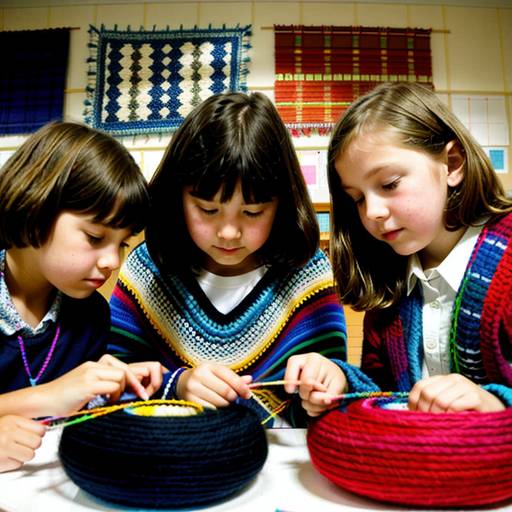
In this 5th-grade art lesson, students will explore the world of fiber arts, specifically focusing on the techniques and processes of weaving. The lesson is divided into two class periods, beginning with an engaging introduction to various fiber art forms from different cultures. Students will learn to set up a simple cardboard loom, warp it, and begin their weaving practice, encouraging creativity in color and pattern choice.
During the second class, students will continue to weave their own art pieces, incorporating unique designs inspired by their brainstorming activities. They will also learn how to finish and display their woven creations. Throughout the lesson, students will not only develop their hands-on skills but also gain an appreciation for the cultural significance of fiber arts. Assessment will focus on their process, finished artwork, and presentation skills. Extension activities will include a mini-exhibition to showcase their work and discussions on other fiber arts techniques. The lesson aims to foster creativity, cultural awareness, and artistic expression in a collaborative and supportive environment.
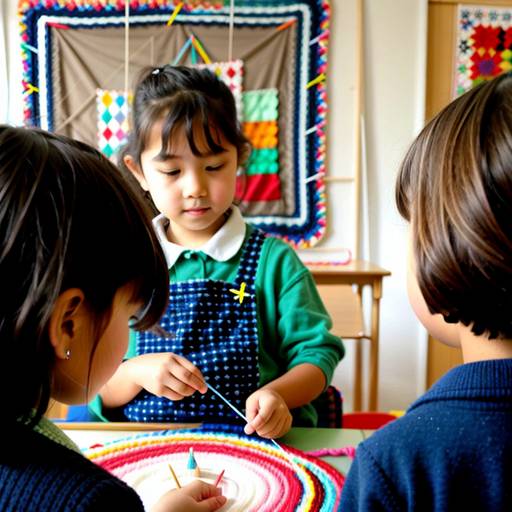
This Kindergarten art lesson focuses on introducing students to fiber arts through a hands-on weaving activity. Over the course of 60 minutes, students will learn about the various materials and techniques involved in weaving. The lesson begins with a brief introduction to fiber arts, followed by a demonstration of how to use a cardboard loom and simple weaving techniques.
Students will then have the opportunity to create their own woven pieces using colorful yarn and fabric scraps, promoting creativity and fine motor skills. They will share their creations with classmates, explaining their color choices and design processes, fostering a sense of community and collaboration. The lesson concludes with a cleanup and a discussion on the importance of maintaining a tidy workspace. Adaptations are included to support various learning needs, ensuring that all students can engage with the activity successfully. An extension activity encourages students to work together to create a class tapestry, further enhancing their understanding of collaboration in art.

This 3rd-grade technology lesson focuses on teaching students essential internet skills and online research techniques. The session begins with an introduction to the internet and emphasizes the importance of online safety and smart browsing practices. Students will learn how to use kid-friendly search engines and the art of crafting effective keywords for searches.
The lesson includes a demonstration on identifying safe and reliable websites, highlighting the key indicators to look for. After the demonstration, students will work in small groups on a specific research topic, filling out a Web Exploration Worksheet to document their findings, the websites they accessed, and how they assessed the credibility of their sources.
Following the group research, students will present their discoveries to the class, fostering collaboration and communication skills. The lesson wraps up with a recap of the key concepts discussed, and an engaging activity reinforces their understanding of safe internet usage and research strategies. Assessment will be based on participation, collaboration, and the quality of their worksheets. Extensions include creating a poster or digital presentation of their research findings to further enhance their learning experience.
In this 4th-grade technology lesson, students will learn the fundamentals of using search engines effectively to find reliable information online. The lesson begins with a discussion about the internet and its uses, transitioning into an overview of how search engines work, including the role of keywords in refining search results. Students will be taught how to evaluate the credibility of websites, using a simple checklist.
During guided practice, students will work in pairs on search scenarios, applying their knowledge to perform searches and assess the information they find. This is followed by independent practice, where each student will select a topic of interest, conduct a search, and note credible facts from a website, evaluating its reliability.
The lesson concludes with a sharing session where students discuss their findings and evaluations, reinforcing the concepts learned. Throughout the lesson, students will engage in hands-on activities, developing essential internet skills that will aid their future research endeavors. Optional extensions and homework may further enhance their understanding and application of effective online searching techniques.