
Filters
Level
Grade
Subject
Subject Area
Subject Topic
Standard(s)
Audience
Keyword
DurationMinutes
Elementary School Lesson Plans

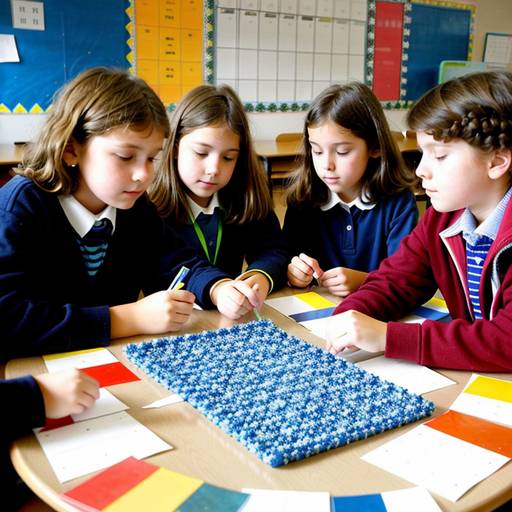
In this 4th-grade math lesson, students will explore the concept of time and its patterns through interactive activities. The lesson begins with a captivating story about a time traveler, which serves as a hook to engage students in discussions about time measurement and significance.
Students will learn how to read both analog and digital clocks, understand the difference between AM and PM, and practice converting hours into minutes. Guided practice involves matching clock formats and completing a daily schedule based on time patterns.
For independent practice, students will create their own schedules using a template, incorporating their daily activities and illustrating time patterns creatively. The lesson concludes with a class discussion where students share their discoveries about time patterns.
Assessment will involve observing student participation, reviewing worksheet accuracy, and evaluating the completed schedules. Differentiation strategies will be in place to support students who need additional help, while advanced students will be challenged with more complex tasks. An extension activity may involve tracking activities on a countdown calendar to discover emerging patterns over time. This lesson aims to foster a deeper understanding of time and its practical applications in students' daily lives.
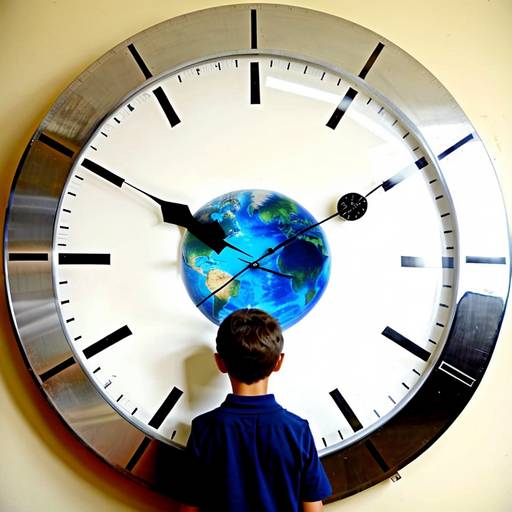
In this 60-minute lesson aimed at 4th graders, students will explore concepts related to time and time zones. The lesson starts with an engaging discussion on the importance of time and methods of telling it, including both analog and digital clocks. Using a world map, the instructor will introduce time zones, explaining how time changes across different regions due to Earth’s rotation.
Students will learn to convert time between various time zones through guided practice, using a Time Zone Wheel for hands-on experience. They will participate in an activity that involves solving time-related scenarios, followed by independent practice with worksheets that reinforce skills in reading clocks and understanding time differences.
The session concludes with a quick review and an exit ticket, allowing students to reflect on their learning. Assessments will include observing students during activities and evaluating their completed worksheets. Extensions are provided for students to create a "Global Time" clock and conduct research on a different country’s time zone. This lesson is designed to enhance students' understanding of time's relevance in a global context.
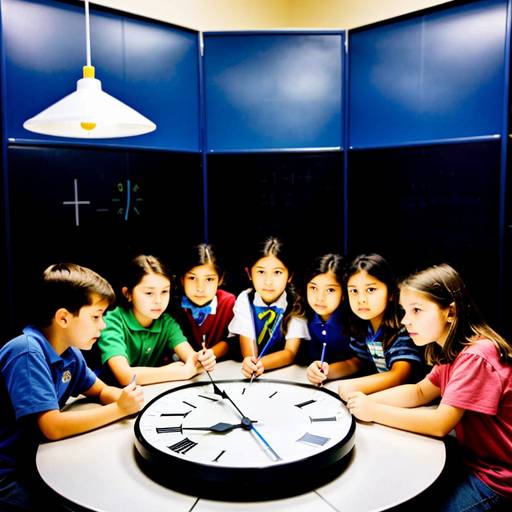
In this 4th-grade mathematics lesson, students will explore the concept of elapsed time through engaging discussions and hands-on activities. The lesson begins with a conversation about daily routines to emphasize the importance of time. Following this introduction, the teacher will explain and demonstrate how to calculate elapsed time using visual aids and interactive exercises.
Students will then work in small groups, utilizing scenario cards that present real-life situations involving start and end times. This collaborative activity allows them to apply their understanding and share their reasoning with their peers. After the group work, students will individually complete a worksheet that reinforces their skills in calculating elapsed time through a variety of word problems and diagrams.
The lesson concludes with a review where students share their calculations and insights, solidifying their understanding. They will also express examples of elapsed time from their own lives as an exit ticket, allowing the teacher to assess their grasp of the topic. The lesson includes suggestions for differentiating instruction based on student needs, with extensions for advanced learners and additional support for those who require it. Overall, this lesson aims to make learning about time relatable and interactive while developing students' problem-solving skills.
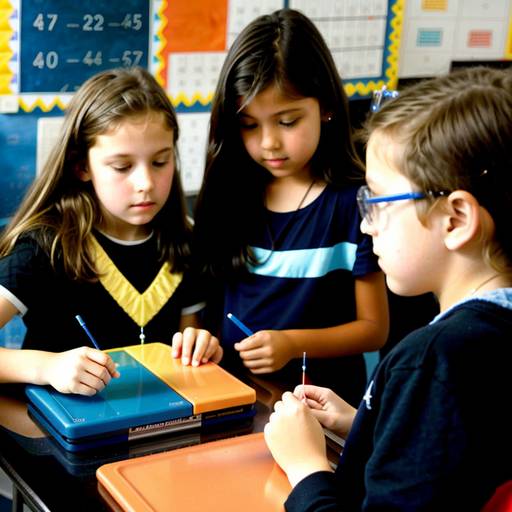
In this 4th-grade math lesson focused on measurement and time, students will explore different units of time, including seconds, minutes, and hours. The lesson begins with a warm-up discussion to activate prior knowledge, followed by an overview of time units using a wall clock. Students will engage in solving word problems related to time intervals in pairs, fostering collaboration and critical thinking.
The main activity involves grouping students to measure the duration of various hands-on tasks, such as building structures with playdough or completing puzzles. Each group will use digital timers and stopwatches to record their results in minutes and seconds, promoting practical application of time measurement in real-world scenarios.
The lesson concludes with a wrap-up discussion, allowing students to share insights and findings from their activities, followed by an exit ticket where they reflect on their learning. Through interactive activities and peer collaboration, students will deepen their understanding of time measurement and its significance in everyday life. Assessment will occur through observation, worksheet completion, and student reflections.
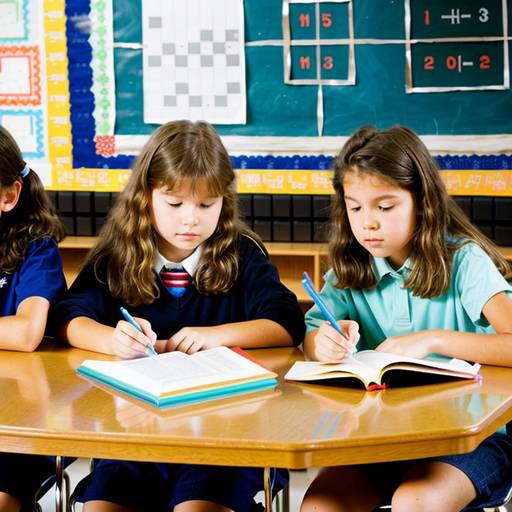
In this engaging 60-minute math lesson designed for 3rd graders, students will learn how to tell time using both analog and digital clocks, and develop an understanding of elapsed time. The lesson begins with a discussion about the importance of time, followed by demonstrations on how to read both types of clocks. Students will actively participate in an interactive activity that reinforces their clock-reading skills.
As the lesson progresses, the concept of elapsed time is introduced through examples using timelines, allowing students to see practical applications of how time is measured. Through guided practice, they will solve problems involving elapsed time, enhancing their problem-solving abilities. Students will then work independently on worksheets to further solidify their understanding.
The lesson concludes with a review and recap session where students can share their answers and thought processes. Assessment will be done through collected worksheets and observation of student engagement during the lesson. Follow-up activities encourage ongoing practice and application of their new time-telling skills at home. This lesson promotes comprehension of essential time-related concepts that are applicable in daily life.
In this 60-minute math lesson for 3rd graders, students will explore the concepts of time and time zones through engaging activities and discussions. The lesson will begin with an introduction to measuring time and understanding the distinction between AM and PM. Following this, students will learn about time zones, using a world map to visualize how different regions experience time differently.
In small groups, students will participate in a trivia game where they share fun facts about various countries and their time zones. This will be complemented by a time conversion exercise, where students will practice calculating time differences through worksheets and interactive digital tools. The lesson will conclude with a review of key concepts, allowing students to share their learnings and ask questions.
Assessment will include the collection of worksheets and exit tickets, which will provide insight into students' understanding and areas for further exploration. Extensions may cover advanced topics such as daylight saving time, and adaptations will be available for students who require additional support. Overall, the lesson aims to provide a comprehensive understanding of time and foster problem-solving skills related to time calculations.
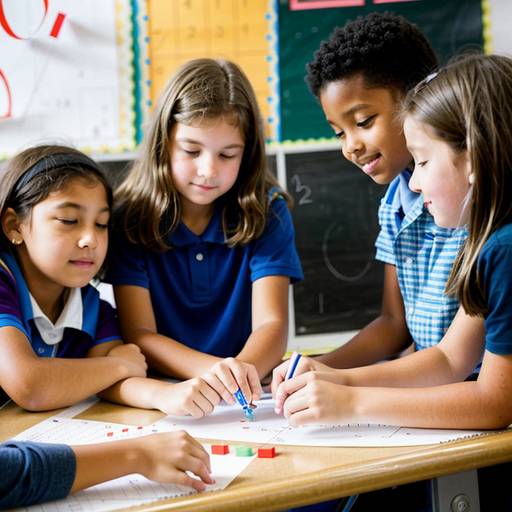
In this 3rd-grade math lesson, students will explore the concepts of measuring time and length using inches and minutes. The session begins with an introduction to telling time on both analog and digital clocks, allowing students to practice reading time in pairs. Next, they will learn how to use rulers to measure various classroom objects in inches, engaging in hands-on activities. Students will work in small groups to measure items and time activities, such as counting how many jumping jacks they can perform in one minute. The lesson concludes with individual worksheets to assess their understanding of time and measurement. The instructor will provide adaptations for diverse learning needs and end the lesson with a review to reinforce the concepts learned. Through interactive approaches, students will gain practical skills applicable to everyday situations.
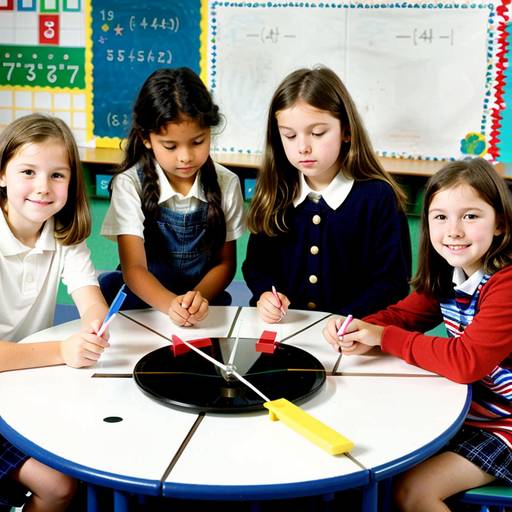
In this 3rd-grade math lesson, students will explore the concepts of telling time and recognizing time patterns. The lesson begins with an engaging story that highlights the importance of time in daily life, followed by a direct instruction phase where students learn to read analog clocks and identify time patterns related to hours and half-hours.
During guided practice, students will set their paper plate clocks to various times and discuss observed patterns in small groups. Independent practice will involve completing worksheets that include telling time and answering questions about time patterns. The lesson concludes with a review and an exit ticket activity, allowing students to express what they learned.
Assessment will be based on observations, worksheet accuracy, and exit ticket responses. Extensions for the lesson may include tracking daily activities in a "Time Journal" or introducing more complex concepts like elapsed time. Modifications will be provided for students who need additional support, ensuring that all learners engage with the material effectively.
In this 1st-grade mathematics lesson, students will explore the concept of time by learning to read analog clocks and recognizing time patterns related to their daily routines. The lesson begins with a friendly introduction and a discussion about the importance of time. Students will engage in direct instruction that includes identifying clock components and practicing telling time to the hour.
Through guided activities, students will work in small groups to set their clocks to various specified times and collaboratively create time patterns on the board. For independent practice, they will complete worksheets that involve matching activities to the appropriate times and extending time sequences.
The lesson emphasizes interaction, with opportunities for sharing individual experiences related to time and routines. Student understanding will be assessed through observation during activities and by reviewing their worksheets. To further support learning, adaptations will be available for students needing extra assistance, ensuring that everyone can engage with the concepts being taught. The session will conclude with a brief review highlighting key points learned.
In this Kindergarten math lesson plan, students will engage in learning about time and how to tell time using an analog clock. The lesson begins with a captivating story that introduces the concept of time and its relevance in daily routines. Students will learn to identify the parts of a clock, including the hour hand and the minute hand, through direct instruction and demonstrations using a large cardboard clock.
As they become familiar with telling time to the hour, students will practice setting their own miniature clocks and participate in a time-matching game that encourages teamwork and peer interaction. To enhance engagement, they will also decorate their clocks, reinforcing their understanding of the clock's components.
The lesson concludes with a review of what they have learned and informal assessments based on observation during activities. Differentiation strategies will cater to varying skill levels, with extension activities promoting further exploration of time-telling in everyday life. Overall, the lesson emphasizes hands-on learning and collaborative experiences, making the concept of time accessible and enjoyable for young learners.