
Filters
Level
Grade
Subject
Subject Area
Subject Topic
Standard(s)
Audience
Keyword
DurationMinutes
Elementary School Lesson Plans

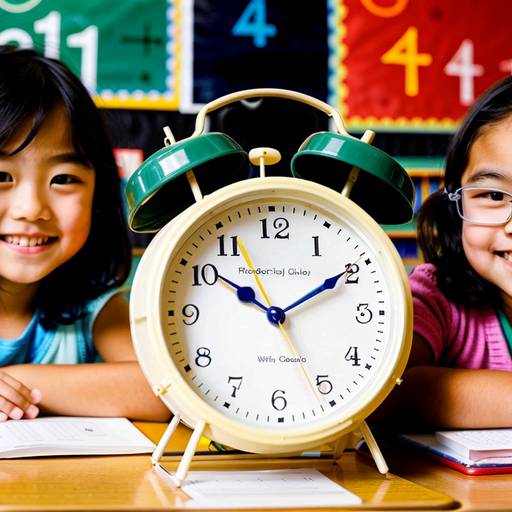
In this Kindergarten math lesson, students will explore the concept of time and learn how to read an analog clock. The lesson begins with an engaging discussion about the importance of time, followed by a storytelling session featuring a book that relates to different times of the day. Afterward, students will participate in a hands-on activity where they create their own paper plate clocks, learning to distinguish between the hour and minute hands. Guided practice will involve identifying specific times on a large clock, with students sharing their creations and demonstrating their understanding. Independent practice will consist of worksheets that reinforce telling time to the hour. The lesson concludes with a class discussion to recap key concepts, and optional extension activities will allow students to connect telling time to their daily routines. Assessment will occur through observation during activities and review of completed worksheets, with differentiated support provided as needed. This lesson aims to build a foundational understanding of time in an engaging and interactive manner.
In this 4th-grade math lesson, students will explore the concepts of time and time patterns through engaging activities. The lesson begins with a discussion on the significance of time in daily life, followed by instruction on how to read both analog and digital clocks. Students will learn about time patterns, such as intervals of 15 minutes, 30 minutes, and 1 hour, using relatable examples.
During guided practice, students will work with analog clocks to set various times and discuss corresponding time patterns in pairs. They will then complete a worksheet that includes reading clocks and solving word problems related to time independently. The class will come together to review worksheet answers and reflect on the importance of understanding time in real-life scenarios.
To assess student understanding, the teacher will evaluate worksheet responses and observe participation throughout the activities. The lesson will include differentiation strategies for students of varying skill levels and offer extensions, such as creating a personal daily schedule. The overall goal is to provide students with a solid grasp of time and its patterns, making math both engaging and relevant to their everyday experiences.

This lesson plan focuses on teaching 2nd-grade students how to read both analog and digital clocks and understand time patterns throughout a day. The lesson begins with an introduction to the importance of time, followed by a direct instruction segment where students learn the components of clocks and practice telling time. Guided practice includes completing worksheets with clock faces and recognizing daily time patterns in a class discussion. For independent practice, students create their own daily schedules using sticky notes to outline their activities and associated times. The lesson concludes with students sharing their schedules, fostering discussion about similarities in their daily routines. Assessment is based on participation, worksheet completion, and the accuracy of the created schedules. The lesson accommodates various learning needs and suggests future activities to reinforce time concepts further.
In this Kindergarten math lesson, students will explore the concepts of measurement and time through interactive activities. The objectives include understanding length by measuring objects using non-standard units, such as paper clips and blocks, and grasping the concept of time by discussing daily routines and sequencing activities.
The lesson begins with a group discussion on measurement, followed by a demonstration on measuring length and telling time using a clock. Students will then engage in guided activities where they measure various objects in small groups and arrange picture cards representing their daily activities in sequential order.
After practicing with a worksheet that incorporates both measuring and time-telling, the class will reconvene to share findings and reinforce learning outcomes. Assessment will be based on participation and worksheet accuracy, with differentiation strategies in place to support all learners. Extension activities will promote ongoing measurement practice and daily schedule organization in the classroom.
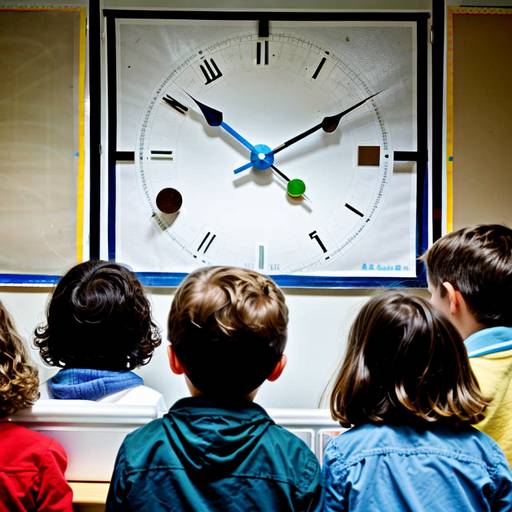
This Kindergarten math lesson focuses on introducing students to the concept of time and teaching them how to tell time using both analog and digital clocks. The lesson begins with a discussion about time, spurred by a story that highlights daily activities occurring at various times. Students learn about the components of a clock—such as the hour and minute hands—through a large cardboard clock demonstration.
In guided practice, each student receives a small paper clock to show different times as the teacher calls them out. Afterward, students work independently on worksheets that involve drawing clock hands and solving simple time-related problems. The lesson concludes with a review and discussion, allowing students to share their clocks and experiences.
Assessment occurs through observation during practice and reviewing worksheets for accuracy. Differentiation strategies are included to cater to varying skill levels, and extensions provide opportunities for further exploration of time concepts. The overall goal is to create an engaging and interactive environment where students can develop a foundational understanding of time.

In this engaging 3rd-grade math lesson, students will explore the concept of time by learning to read both analog and digital clocks. The lesson begins with a discussion on the importance of time, followed by direct instruction on how to interpret hours and minutes. Students will actively participate in guided practice by setting times on their clocks and identifying patterns in time intervals with "Time Patterns" cards.
After the group activities, they will complete independent worksheets featuring matching exercises, multiple-choice questions, and word problems that reinforce their understanding of time and its application. The lesson concludes with a review of key concepts and an opportunity for students to share their answers to the problems. To accommodate varying levels of understanding, support materials will be provided for those who need it, while advanced learners will be challenged with additional problems related to elapsed time. Overall, this lesson emphasizes hands-on learning and collaborative exploration, helping students develop both math skills and practical knowledge related to time management.

This 4th-grade math lesson focuses on helping students understand how to read and interpret both analog and digital clocks. The lesson emphasizes the importance of time in daily life and introduces the concept of time patterns, such as hourly and half-hour intervals.
Students will begin with a discussion about the relevance of time and then engage in a hands-on demonstration of clock reading. They will work in small groups to create daily schedules based on assigned time patterns, fostering collaboration and reinforcing their understanding.
Following the group activity, students will complete worksheets with reading and problem-solving tasks related to time. The lesson concludes with a review session where students share their solutions and reflect on the significance of recognizing time patterns. Assessment includes observation of group dynamics and evaluation of completed worksheets. Extensions are available for students who finish early, offering challenges related to time-based puzzles or insights into global time differences. This comprehensive lesson ensures a balanced approach to learning about time and its practical applications.
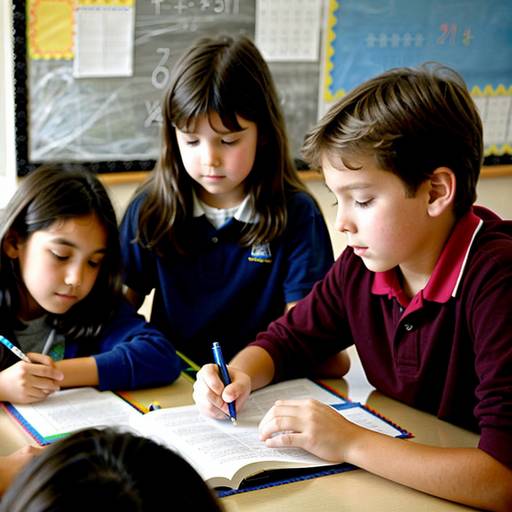
In this 3rd-grade math lesson, students will focus on understanding how to read both analog and digital clocks, as well as calculating elapsed time. The lesson begins with a discussion on the importance of time in daily life, followed by direct instruction that introduces the concept of elapsed time through illustrative examples and the use of a number line. Students will participate in guided practice, working in pairs to solve problems related to elapsed time and honing their skills on worksheets.
For independent practice, students will complete elapsed time story problems individually, applying what they have learned. To conclude the lesson, students will engage in a creative group activity where they create "Time Wheels" that depict various times and associated activities, which they will present to the class. Assessment will be conducted through observation, worksheet reviews, and group presentations. Extensions to the lesson will include connections to literature and real-life scenarios, reinforcing the practical application of time concepts learned. Additional resources and support will be available for students who may need extra assistance.
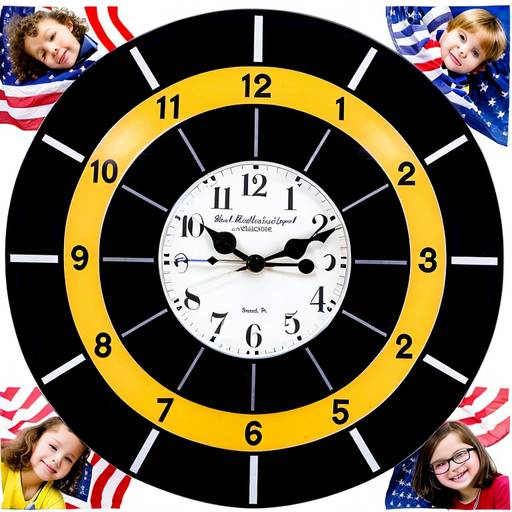
This 45-minute lesson plan for first graders focuses on teaching students to identify and read both analog and digital clocks, emphasizing the concepts of hours and half hours. The lesson begins with an engaging discussion about the importance of time, followed by a storytelling session to illustrate time concepts in a fun context.
Students will then receive direct instruction on the parts of an analog clock and how to read various times. An interactive demonstration allows them to practice replicating time shown on a clock. During guided practice, students will work with time flashcards to reinforce their understanding, encouraging quick responses.
For independent practice, students will complete a worksheet where they draw clock hands to represent specific times and write the corresponding digital time. The lesson concludes with a wrap-up discussion where students share their work, allowing for reflection on key concepts. Optional extension activities include time games and a family connection activity to reinforce learning at home. Assessment will be based on observation during activities and evaluation of completed worksheets.
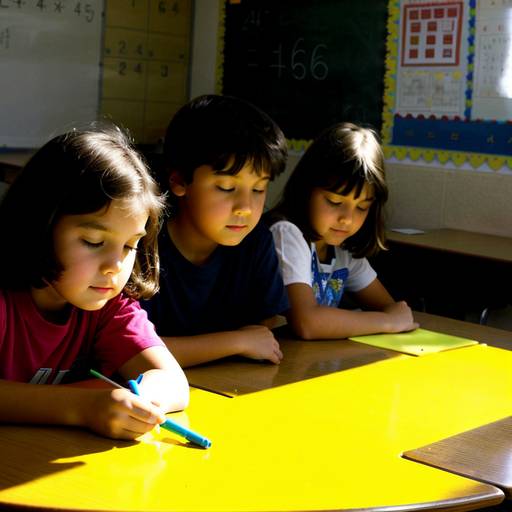
In this 4th-grade math lesson, students will explore the concept of elapsed time, learning how to read both analog and digital clocks. The lesson begins with a discussion on the importance of time in daily life, followed by a clear explanation of how to determine elapsed time using practical examples. Students will engage in guided practice through a worksheet with various problems, collaborating in pairs to enhance their understanding. Afterward, they will independently solve real-life story problems related to elapsed time. The lesson concludes with a review of key concepts and an interactive quiz to reinforce learning. To accommodate diverse learners, additional supports will be provided for those who need it, while advanced students will face enriched challenges. Overall, the lesson aims to build students' confidence and skills in calculating elapsed time and applying it to real-world situations.