
Filters
Level
Grade
Subject
Subject Area
Subject Topic
Standard(s)
Audience
Keyword
DurationMinutes
Elementary School Lesson Plans
This 1st-grade technology lesson focuses on helping students understand the importance of proper device handling and maintenance. The lesson begins with a discussion about the various technology devices students use, followed by a short, engaging video that explains basic care practices.
Students work in small groups to sort picture cards depicting correct and incorrect device handling scenarios, fostering discussion about good habits. They then participate in a hands-on activity where they learn how to safely clean and care for their devices using microfiber cloths and soft brushes.
The lesson concludes with a group discussion where students share their learnings, and responses are recorded on a "Tech Care Tips" poster. Assessment involves observing student participation and evaluating their understanding through the sorting activity. Additionally, students are encouraged to share their knowledge with their families and may create a “Device Care Calendar” to track their device maintenance tasks at home. This lesson not only instills responsible technology use in young learners but also creates awareness about the importance of caring for their devices.
In this 4th-grade technology lesson, students will learn about the importance of device maintenance and proper cleaning techniques for various classroom devices. The lesson begins with a discussion about the devices students use, followed by an engaging presentation on the benefits of regular maintenance. Students will be introduced to key cleaning steps, such as how to appropriately clean screens and keyboards, and the importance of using the right materials.
After instruction, students will participate in a hands-on activity where they work in small groups to clean assigned devices using the techniques they learned. The lesson concludes with a group discussion, allowing students to share their experiences and insights about device care. A checklist for home device maintenance will also be provided to reinforce the concepts discussed. Assessment will be based on observation during the cleaning activity and a brief reflection to evaluate students' understanding of device maintenance and its significance. Additional extensions may include a visit from the school’s IT technician and the formation of a "Device Care Club" for ongoing maintenance support.
This lesson plan focuses on teaching 5th-grade students the essential practices of maintaining and organizing their devices. It aims to enhance their understanding of device care, including routine cleaning, software updates, and battery management, while also addressing the importance of recognizing signs of device issues. The lesson includes hands-on activities where students practice cleaning their devices and discussing maintenance tips in small groups.
Additionally, the plan covers digital organization strategies, such as creating a structured folder system and effectively naming files for easy access. Students will engage in practical exercises to set up their digital organization systems, utilizing cloud storage for backups. The lesson concludes with a reflection on how these skills will benefit them in their academic and personal lives. Assessment is based on student participation and the effectiveness of their digital organization efforts. This comprehensive approach fosters good technological habits and prepares students for a more organized and efficient use of their devices.
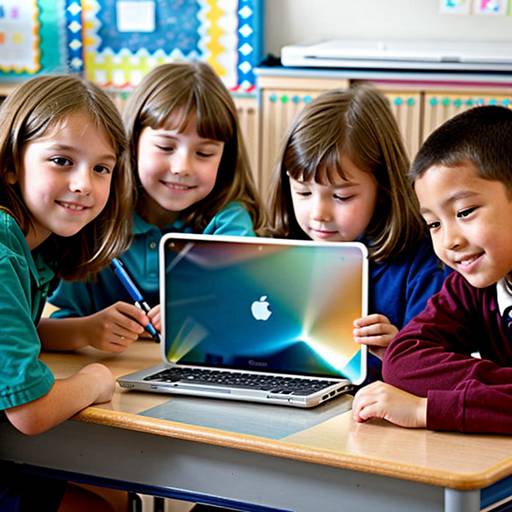
In this 2nd-grade technology lesson, students will explore the importance of maintaining and organizing their devices to ensure they function effectively and have a longer lifespan. The lesson begins with a discussion about the value of cleanliness in relation to technology, highlighting how neglect can lead to problems. Students will engage in a hands-on cleaning activity, using a checklist to learn proper techniques for caring for devices like tablets or computers. Following this, they will discover essential digital organization strategies, including the creation of folders and the importance of clear file naming. The class will conclude with a review of key concepts, encouraging students to apply what they've learned at home. Assessment will be based on observation during activities and students' ability to follow safety protocols and instructions.
In this 5th-grade technology lesson, students will explore the meaning of technology and its significance in everyday life. The lesson begins with a discussion to gather examples of technology from the students' experiences. Working in small groups, students will examine a variety of technological innovations, considering their impacts on society. They will then create individual Mind Maps that illustrate their chosen innovation, related technologies, the problems they address, and ideas for future improvements. The lesson culminates in presentations where students share their Mind Maps with the class, fostering a collaborative environment for discussing potential future technologies. Through active participation and creative expression, students will deepen their understanding of technological innovations and their roles in shaping our world.
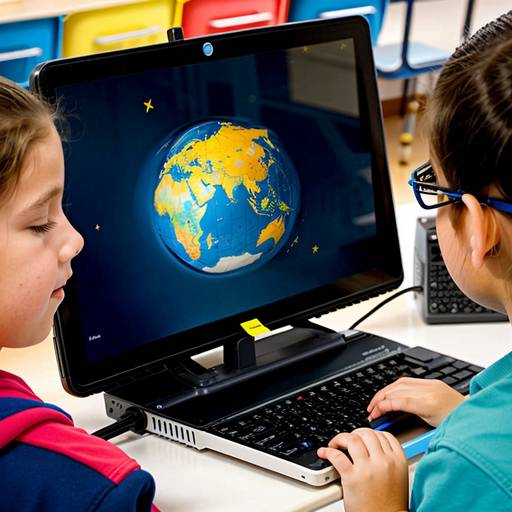
This third-grade lesson focuses on introducing students to the concept of technology and how it works. It begins with an engaging class discussion in which students share various technologies they use in everyday life. A supportive video may be shown to illustrate common devices in action. Students are then divided into small groups, where they research a selected device, learning about its function and utility. Each group prepares a presentation—such as a poster, skit, or demonstration—based on their findings, which they share with the class. The lesson concludes with a wrap-up discussion to reflect on key learnings and an exit ticket for individual feedback. Assessment includes observing group participation and evaluating presentations, with differentiation strategies in place to support diverse learning needs. Overall, this lesson fosters collaboration, creativity, and critical thinking while helping students understand the role of technology in their lives.
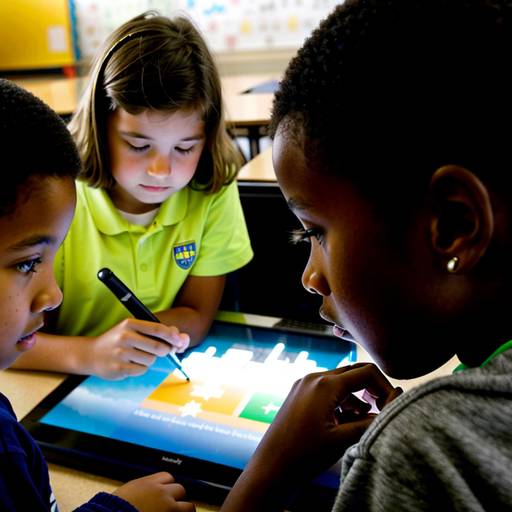
This lesson plan aims to introduce 4th-grade students to the concept of technology and its various tools, both hardware and software, and to engage them in hands-on learning. The lesson begins with a class discussion to define technology and to identify examples from students' daily lives. Following this, a presentation categorizes technology tools and explains their applications in different professions, providing students with printed materials for reference.
In the hands-on activity, students will utilize an online coding platform to create simple projects, encouraging collaboration and creativity. The lesson wraps up with a reflection segment where students share their projects and discuss their learnings, emphasizing the impact of technology and its potential for future innovations. Assessment will be based on participation, project creativity, and individual reflections. Extensions for advanced learners will also be offered, ensuring that all students have the opportunity to further explore technology tools.
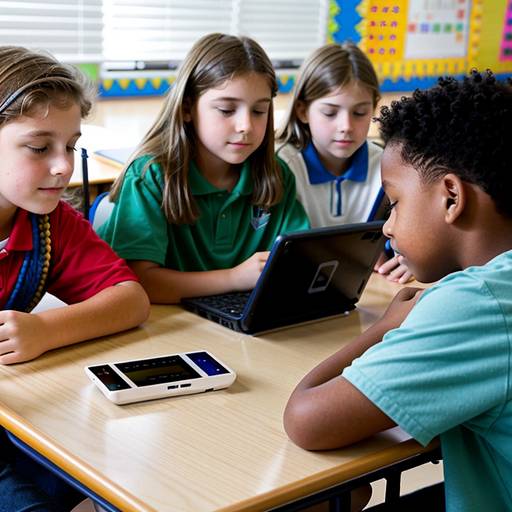
In this 3rd-grade technology lesson, students will learn the importance of proper device maintenance and handling. The lesson begins with a discussion about the devices they use, followed by an instructional segment that highlights the reasons for taking care of technology, safe handling techniques, and effective cleaning methods. Students will participate in hands-on activities, practicing these techniques in small groups, guided by the teacher. They will also create personal device care checklists to ensure they understand the daily and weekly maintenance tasks essential for keeping their devices in good condition. The lesson concludes with a recap and encourages students to share their checklists with their families, fostering a sense of responsibility for their technology use. Through observation and participation, the teacher will assess student understanding, while opportunities for differentiation will cater to various learning needs. Overall, the lesson aims to empower students to become responsible stewards of their devices, instilling good habits for their future education.
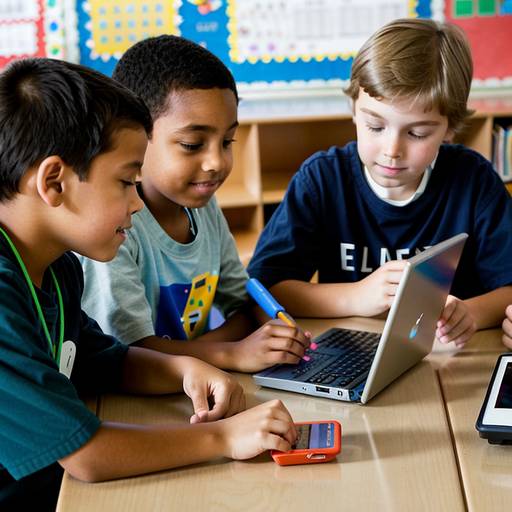
In this lesson for 2nd-grade students, the focus is on understanding the importance of device maintenance and proper handling. Students will engage in discussions about their experiences with various devices and learn practical tips for caring for technology. Key concepts include keeping devices clean, avoiding food and drinks near them, and handling them safely.
Through group activities, students will create and share additional care tips, followed by roleplay scenarios to practice proper device handling. The lesson concludes with a summary discussion and the distribution of "Tech Heroes" certificates to recognize their learning. The overall goal is to instill a sense of responsibility in students regarding their use of technology and to promote respectful and careful interactions with their devices.
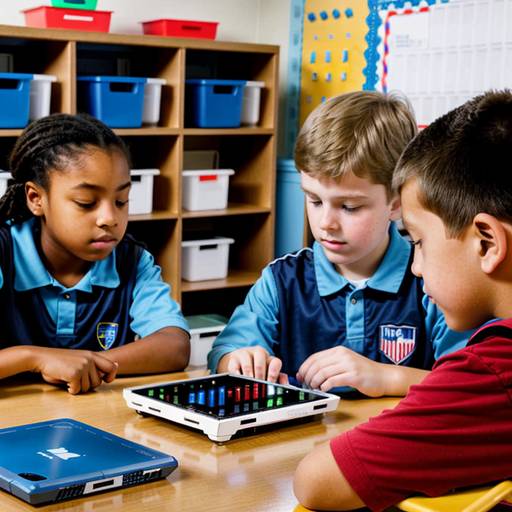
This lesson plan is designed for 4th-grade students to learn essential skills related to device maintenance and troubleshooting. The class begins with a discussion about the technology devices students use at school and home, followed by an introduction to the importance of device care and common issues they may encounter.
Students will engage in direct instruction on how to clean devices properly and perform basic troubleshooting steps for problems like slow performance or failure to power on. In small groups, students will practice maintenance tasks on various devices and create troubleshooting flowcharts for common issues.
The student groups will then present their findings and share their insights with the class, fostering collaboration and discussion. The lesson concludes with a brief assessment through a quiz, reinforcing their understanding of the content. Extensions to the lesson encourage students to apply their newfound knowledge at home and even teach their parents. This engaging and interactive approach helps cultivate a sense of responsibility toward technology.