
Filters
Level
Grade
Subject
Subject Area
Subject Topic
Standard(s)
Audience
Keyword
DurationMinutes
Elementary School Lesson Plans

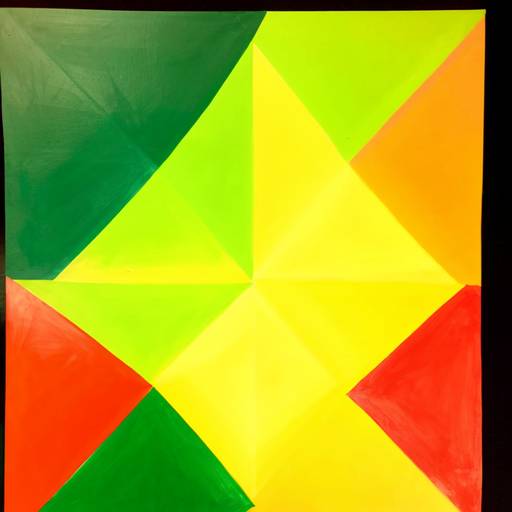
This lesson plan is designed for 4th-grade students to explore the concepts of geometry and symmetry. The objectives include defining symmetry, identifying symmetrical shapes and their lines of symmetry, and creating original symmetrical designs. The lesson begins with a discussion to introduce the idea of symmetry, followed by hands-on activities where students work in pairs to find lines of symmetry using mirrors and geometric cutouts. They will also design their own symmetrical shapes using construction paper and colored pencils. The session concludes with students sharing their creations and discussing the relevance of symmetry in art and nature. Assessment methods include observation during activities, evaluation of worksheets, and feedback on the students' designs. Extensions and differentiation strategies are provided to cater to varying learning needs and encourage deeper exploration of the topic.
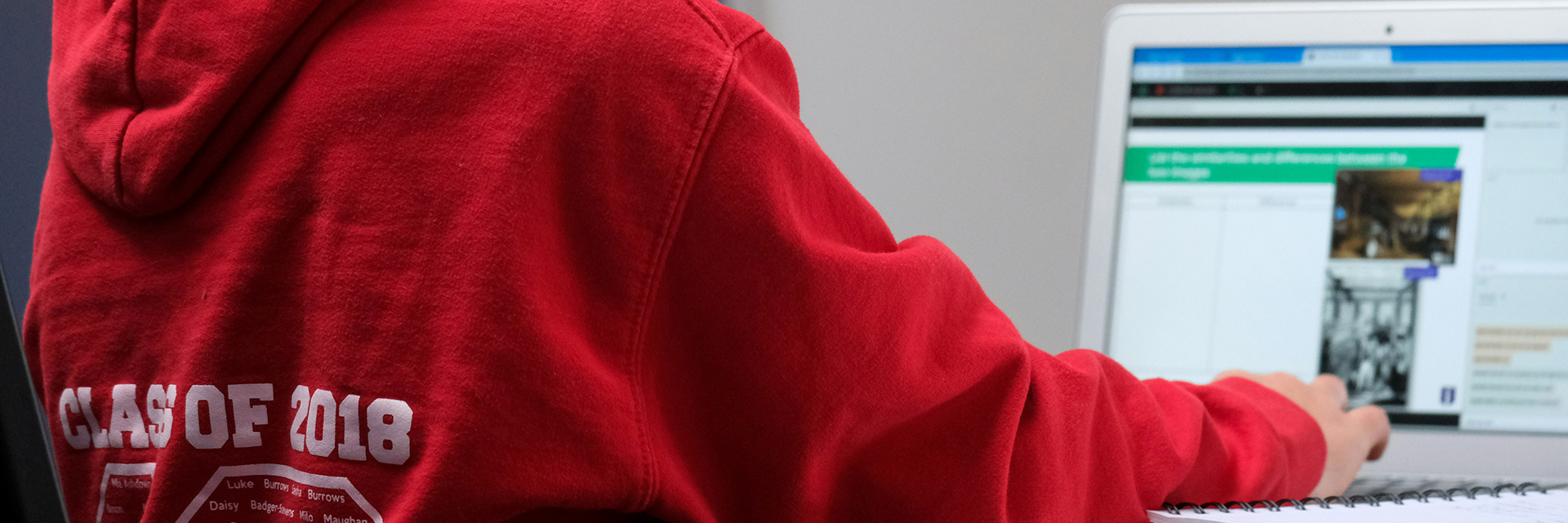
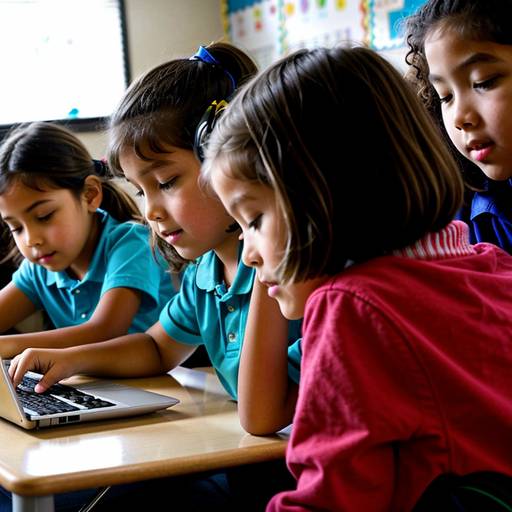
This 1st-grade technology lesson focuses on teaching students the importance of device maintenance and proper handling of technology tools. It begins by engaging students in a discussion about their favorite devices, followed by an overview of essential care practices, such as keeping devices clean, avoiding food and drinks near them, and handling them gently. Students participate in a "Do's and Don'ts" activity, where they create their own lists of device care practices. The lesson includes a hands-on component, allowing students to use tablets or laptops while reinforcing proper handling techniques. At the conclusion, students share their learnings, and the class collaborates on a poster of “Tech Care Rules” for display. Assessment is based on observations during the hands-on activity and the quality of group work. Overall, the lesson aims to instill a sense of responsibility and care toward technology in young learners.

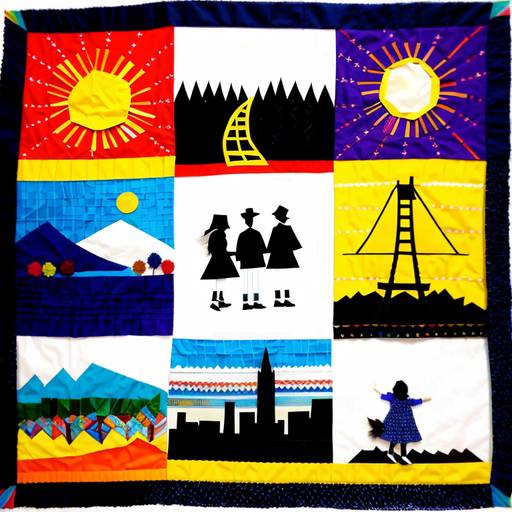
In this 4th-grade art lesson, students will explore the art of collage as a means of storytelling and self-expression. Over the course of two sessions, they will learn about various collage techniques, including layering and the use of diverse materials to create texture and visual interest. The lesson begins with an introduction to the history and styles of collage through visual examples, followed by a demonstration of different techniques.
Students will then plan their own unique collage by selecting a personal story or theme and sketching their ideas. In the second session, they will create their collages using magazines, colored paper, and other textured materials based on their plans. After completing their artwork, students will share their creations with the class, explaining the techniques they employed and the narratives behind their pieces.
The lesson will be assessed through observation of engagement and creativity in the collage-making process and the final artworks. Additionally, an extension activity encourages students to explore digital collage-making, allowing them to apply the same principles in a different format. Ultimately, the lesson aims to foster artistic expression and inspire students to appreciate the power of storytelling through art.

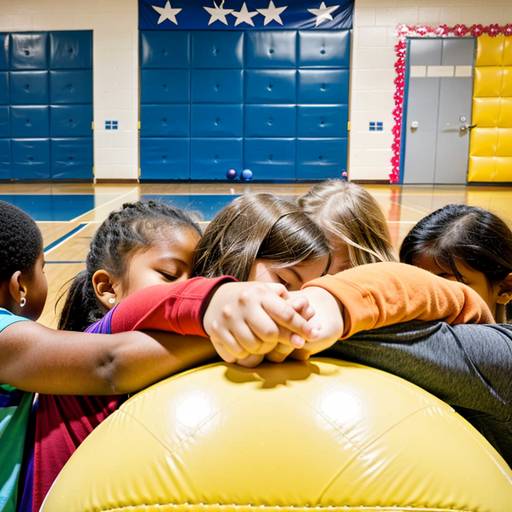
In this 2nd-grade Physical Education lesson, students will focus on enhancing their coordination skills and developing teamwork abilities through a series of engaging activities. The lesson begins with a warm-up activity where students follow a leader in various movements to promote physical engagement. After a brief introduction to coordination, students will participate in a team-building challenge where they must pass a hula hoop around a circle without breaking the chain of connected hands, fostering collaboration and communication.
Next, students will compete in a relay race involving bean bag tossing to a hoop, emphasizing coordination and teamwork as they relay their turns. The lesson wraps up with a cool down that includes gentle stretches and a reflective discussion on the day's activities, allowing students to share their experiences and insights on coordination and teamwork. The instructor will assess participation and understanding through observation and group discussion. Adaptations will be made as necessary to support all learners, ensuring an inclusive and positive environment for skill development and collaboration.
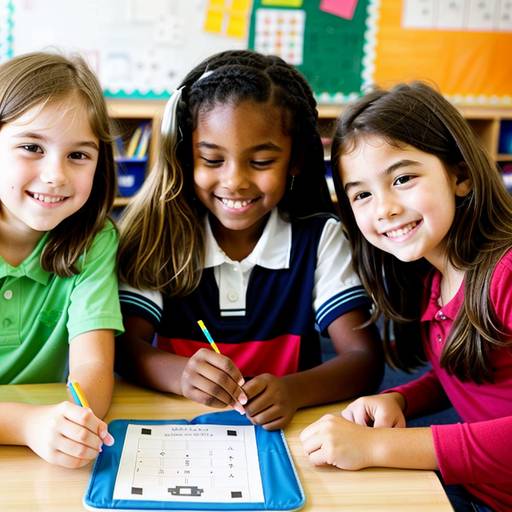
In this 2nd-grade math lesson, students will explore the concept of addition and regrouping through engaging activities that emphasize teamwork and collaboration. The lesson begins with an introductory story highlighting the importance of working together to solve problems. The teacher will demonstrate how to add multi-digit numbers using base ten blocks, illustrating the process of regrouping when necessary.
Students will then participate in a guided group activity, where they will work in small teams to solve a series of addition problems, using manipulatives to aid their understanding. Following this, each student will complete an independent worksheet that includes a variety of addition problems, encouraging them to apply what they have learned.
The lesson concludes with a review session where students share their problem-solving processes and an exit ticket activity, allowing them to demonstrate their understanding of regrouping. Throughout the lesson, the teacher will provide support and accommodations as needed, ensuring that all students can participate and grasp the key concepts. Extension opportunities will challenge advanced learners to create their own addition problems.
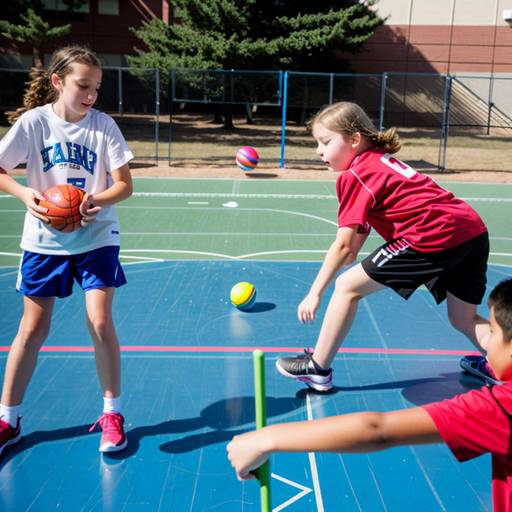
The lesson plan is designed for a 5th-grade physical education class focused on enhancing coordination skills and promoting teamwork among students. It begins with a warm-up that includes dynamic stretching and coordination drills, followed by a discussion on the importance of teamwork in physical activities.
Students participate in four rotating stations where they engage in various group activities, such as passing a hula hoop while holding hands, juggling bean bags, navigating an obstacle relay course, and completing a blindfolded team challenge, all aimed at fostering cooperation and communication.
The session concludes with a cool-down period featuring static stretches and a reflective discussion where students share their experiences and learnings. They are also encouraged to identify personal goals related to teamwork and express what they enjoyed about the class. The lesson includes assessment through observation and written reflections, along with adaptations for students of varying abilities, promoting inclusivity. Lastly, students are encouraged to apply their teamwork skills outside the class, reinforcing the significance of collaboration in daily life.
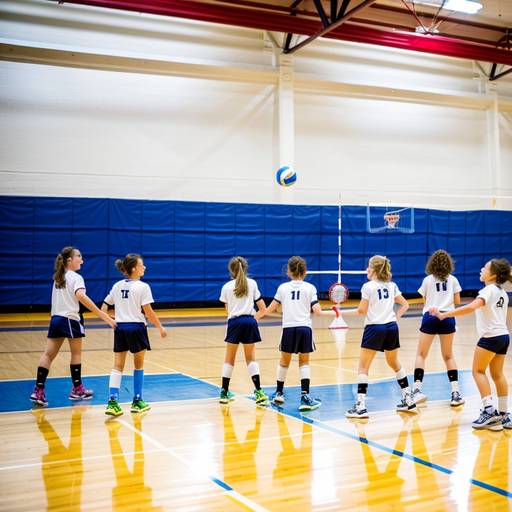
In this engaging physical education lesson for 4th graders, students are introduced to the foundational skills of volleyball, emphasizing teamwork and sportsmanship. The 60-minute session begins with a dynamic warm-up to prepare the students physically. Next, they rotate through three skill development stations focused on passing, setting, and serving techniques. Each station allows students to practice essential volleyball skills in pairs.
Following skill development, students are divided into small teams to participate in a modified game of volleyball, where they can apply the skills they've learned while promoting cooperation and communication. A team discussion encourages reflection on their experiences and reinforces the value of teamwork. The session concludes with a cool-down period that includes light stretching and further reflection on their performance and the importance of sportsmanship. Throughout the lesson, observation of participation and skill execution serves as assessment, while adaptations are made for varying skill levels to ensure inclusivity. The lesson sets the stage for future sessions that build on these foundational skills.
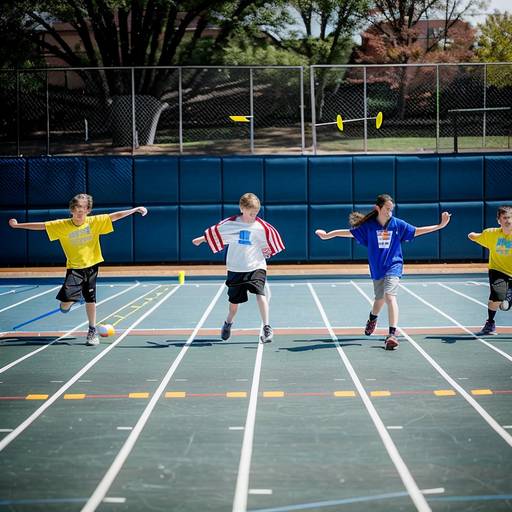
This physical education lesson plan is designed for 4th-grade students and focuses on improving coordination skills through teamwork and collaborative activities. The session lasts for 60 minutes and begins with a warm-up that includes stretches, jogging, and coordination exercises to prepare students for physical activity.
Following the warm-up, students participate in four different stations, each containing a unique challenge that encourages cooperation and communication. Activities include a hula hoop relay, a bean bag balancing exercise, a ball toss, and an obstacle course, with teams rotating through each station. Each activity is structured to promote teamwork and requires effective communication among team members.
To conclude the lesson, students engage in a cooldown period characterized by guided stretching, followed by a reflection and discussion where they share their experiences and insights on coordination and teamwork. The lesson incorporates assessments based on participation and teamwork dynamics and includes modifications to ensure all students can fully engage in the activities. Overall, the lesson emphasizes the importance of coordination and collaboration, providing students with valuable skills for both sports and daily interactions.
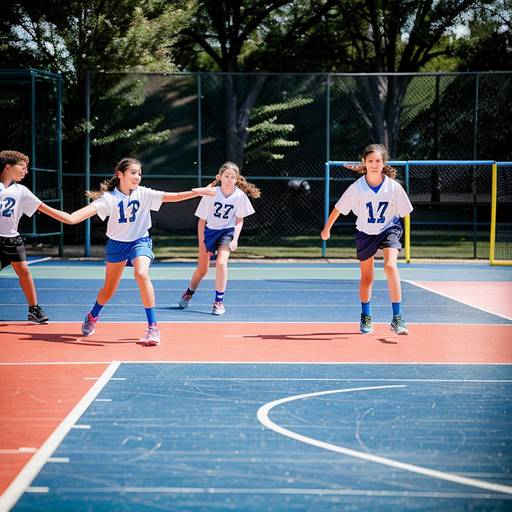
This lesson plan is designed for 3rd-grade students to enhance their coordination skills and promote teamwork through engaging physical activities. The session begins with a fun warm-up activity where students follow a leader in various movements, fostering a sense of rhythm and cooperation. The importance of coordination and teamwork is introduced through a group discussion.
Students then participate in two main activities: the Beanbag Balance Relay, where they balance a beanbag on their heads while navigating a course, and the Hula Hoop Challenge, which requires them to pass a hula hoop around without letting go of each other’s hands. Both activities emphasize communication and support among teammates.
To further reinforce these concepts, the students engage in a game of Capture the Flag, which encourages strategic thinking and collaboration. The lesson concludes with a cool-down period that includes gentle stretching and a reflective discussion about their experiences, helping students articulate what they learned about teamwork in physical activity contexts.
Throughout the lesson, students are assessed on their participation and cooperation, creating an encouraging environment where they support one another. The plan also suggests extensions for students to practice teamwork in sports outside of school, promoting continued engagement with these important skills.
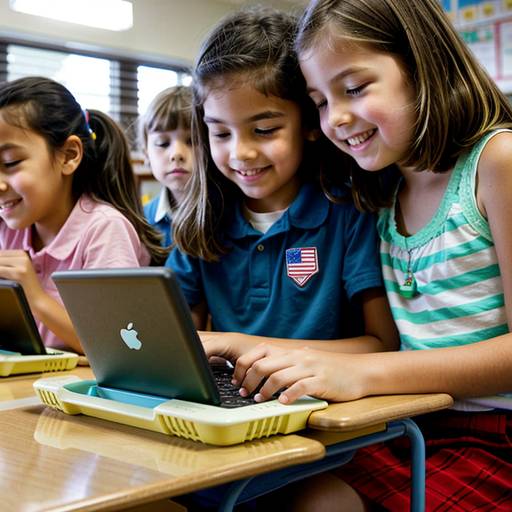
In this 1st-grade technology lesson, students will learn the importance of device maintenance and proper cleaning techniques for their classroom technology. The lesson begins with an engaging discussion about the devices they use and why keeping them clean matters. Students will be introduced to basic steps for cleaning devices, including turning them off, using appropriate materials, and ensuring everything is dry before powering them back up.
Following a demonstration, students will participate in hands-on practice in small groups, where they will take turns cleaning a variety of devices under supervision. The lesson concludes with a class discussion and the creation of a collaborative poster that outlines the steps for taking care of devices. Throughout the lesson, students will be assessed through observation and their contributions to the poster. Extension activities will encourage ongoing practice in device care among students.