
Filters
Level
Grade
Subject
Subject Area
Subject Topic
Standard(s)
Audience
Keyword
DurationMinutes
Elementary School Lesson Plans

This lesson plan focuses on teaching 5th-grade students essential internet skills and the importance of privacy settings. The objectives include identifying the significance of internet safety, learning how to adjust privacy settings on popular platforms, and understanding the risks associated with sharing personal information online.
The lesson is structured to begin with a discussion about students' internet usage, followed by direct instruction on privacy settings through a slideshow presentation. Students will then engage in guided practice in small groups, investigating the privacy settings of specific online platforms with handouts to assist them.
Next, they will apply their knowledge through real-life scenarios that prompt them to consider how they would handle various online interactions, encouraging group discussion and collaboration. The lesson concludes with a recap of key points, reinforcing responsible online behavior. Assessment will be based on participation, with extensions available to deepen learning. For homework, students are tasked with reviewing their own social media accounts' privacy settings and reflecting on their experiences.
In this 3rd-grade technology lesson, students will learn essential skills for using the internet safely and responsibly. The session begins with a discussion about the internet and its uses, followed by an engaging video that emphasizes key safety tips, such as protecting personal information and identifying trustworthy websites. Students will then participate in an interactive discussion to reinforce the importance of internet safety.
Next, they will practice safe search techniques by collaboratively searching for information online. In small groups, students will analyze scenario cards depicting various online situations—some safe and some unsafe—and share their conclusions with the class. The lesson concludes with reflections where students will express one new thing they've learned about internet safety.
Assessment will be based on student participation and understanding, as demonstrated through discussions and reflections. Extensions include a homework assignment to create an "internet safety poster" and the potential for inviting a guest speaker to further discuss online safety in future classes. Overall, this lesson equips students with foundational knowledge and skills to navigate the internet securely.
This lesson plan is designed for 4th-grade students to develop essential internet skills and understand the importance of internet safety. The session begins with an engaging introduction where students share their online interests, leading to a discussion on safe and responsible internet use.
A key presentation outlines crucial safety tips, such as protecting personal information, recognizing reliable sources, and understanding online privacy settings. Students then participate in a guided practice activity where they analyze various websites in groups, using a provided checklist to determine reliability, followed by presentations of their findings.
In the independent practice segment, students create posters highlighting an internet safety tip, allowing for creativity and reinforcing their understanding of the concepts discussed. The lesson concludes with a review of key takeaways, and students receive handouts summarizing important internet safety guidelines.
Assessment consists of observations during group activities and evaluations of the safety posters. The plan also includes extensions for advanced learners and accommodations for students with special needs, ensuring all students are supported in grasping the critical lessons about navigating the internet safely.

This lesson plan focuses on teaching 2nd-grade students essential internet skills and the importance of online safety. Students will engage in discussions about their experiences with the internet and learn fundamental safety rules, such as protecting personal information and interacting respectfully online. Through guided activities, including role-playing scenarios, students will apply these safety principles in practical situations. They will then create colorful posters to illustrate a specific internet safety rule, reinforcing what they have learned. The lesson concludes with a review and distribution of handouts that students can share with their families, ensuring the continued importance of discussing online safety at home. The overall goal is to empower young learners to navigate the digital space confidently and responsibly.
This lesson plan for 5th-grade students focuses on developing essential internet skills and online research techniques. The objective is to teach students how to effectively conduct research by utilizing search engines, evaluating the credibility of sources, and identifying reliable information. The lesson begins with a group discussion about the importance of accurate online information, followed by direct instruction on effective keyword use and source evaluation using a provided checklist.
Students will engage in guided practice through an interactive search activity, working in small groups to research assigned topics and assess their sources for credibility. After this collaborative activity, students will individually select a topic for a research project, applying their newly acquired skills to find and evaluate credible sources. The lesson concludes with a reflection on what they learned and emphasizes the importance of responsible digital citizenship.
Throughout the lesson, student understanding will be assessed through observation during group discussions and the completion of source evaluations. Differentiation strategies will accommodate diverse learning needs, and extensions will encourage further exploration of research tools and presentation methods. Overall, the lesson fosters critical thinking and prepares students for more advanced research tasks in the digital age.

This 5th-grade technology lesson focuses on teaching students about digital citizenship and online safety. The objectives include understanding the importance of being a responsible digital citizen, learning how to protect personal information, recognizing safe online behaviors, and knowing how to report inappropriate content. The lesson begins with an engaging video introduction, followed by a discussion to define digital citizenship.
Students participate in a direct instruction section that covers key online safety guidelines, presented through a PowerPoint slideshow. In small groups, they analyze various scenarios related to online interactions, discussing appropriate responses based on their learning. Students then create individual online safety plans using a checklist to incorporate strategies they've learned.
The lesson concludes with a recap of key points and a Q&A session to address any questions. Assessment is conducted through group presentations and reviewing personal safety plans. Extensions for further learning include resources for continued education on the topic and potential guest speakers. Overall, this lesson aims to empower students with the knowledge and skills to navigate the digital world safely and responsibly.

In this first-grade technology lesson plan, students will explore the concepts of digital citizenship and online safety. The lesson begins with a discussion about their online activities, encouraging active engagement. Students will watch short, age-appropriate video clips that introduce key topics such as keeping personal information private, recognizing safe online interactions, and identifying trusted websites.
Following this, the class will enjoy a story that illustrates online behavior, prompting an interactive dialogue about what the characters did right and wrong. During a group activity, students will categorize different online scenarios as safe or unsafe, fostering critical thinking around their online choices.
To conclude, students will individually create a drawing of their favorite safe online activity, along with a written explanation. The lesson wraps up by summarizing the main points and providing resources to reinforce the importance of responsible behavior in the digital world. Overall, the lesson aims to equip young learners with the foundational skills and understanding they need to navigate online spaces safely and responsibly.

In this 3rd-grade technology lesson, students will gain foundational skills in using search engines to find information online. The session begins with an engaging discussion about the students' experiences with the internet, followed by a direct instruction segment that introduces the concept of search engines and the importance of keywords and evaluating source credibility. Students will then participate in a guided group activity where they will practice searching for answers to specific questions, promoting collaboration and active learning.
Afterward, they will complete an individual "Safe Searching" worksheet that reinforces concepts of internet safety and the evaluation of online sources. The lesson concludes with a class discussion that allows students to reflect on their learning. Assessment will be based on worksheet completion and group participation during activities. Extensions include introducing more advanced search techniques and creating a classroom display of safe searching tips.

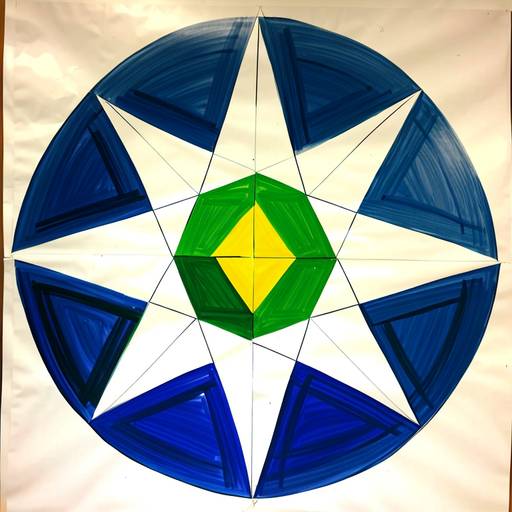
In this 3rd-grade math lesson, students will explore the concepts of geometry and symmetry through interactive activities and hands-on experiences. The lesson begins with a warm-up discussion where students share their understanding of symmetry and identify symmetrical objects in their environment. The teacher will review basic geometric shapes—circle, square, triangle, and rectangle—emphasizing their properties and demonstrating how to find lines of symmetry using drawings and, optionally, a mirror.
In guided practice, students will create their own geometric shapes on construction paper, draw their lines of symmetry, and collaborate with a partner to discuss their findings. For independent practice, students will design symmetrical creations using colored construction paper, ensuring their designs reflect symmetry through careful arrangement of shapes.
The lesson concludes with students presenting their symmetrical designs to the class, reinforcing their understanding through verbal explanation. Assessment will be based on observation during activities and the accuracy of their symmetrical creations. Extensions include encouraging students to find real-world examples of symmetry and creating a classroom art gallery to showcase their work. The lesson is designed to engage students with geometry in a fun and creative way.
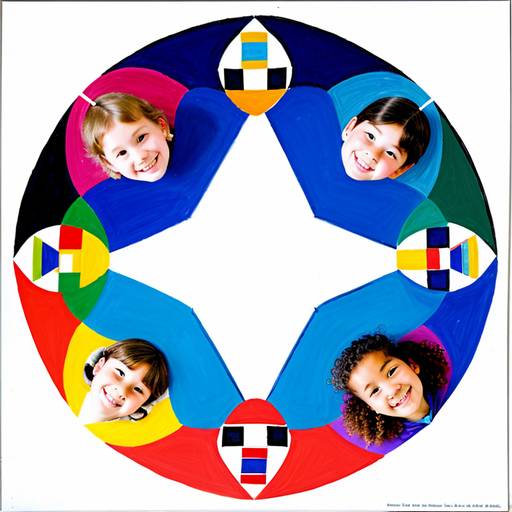
In this 60-minute lesson plan designed for 2nd-grade students, the focus is on introducing and exploring the concepts of symmetry and geometric shapes. The lesson begins with an engaging discussion to assess prior knowledge, followed by a clear explanation of symmetry and its applications in various shapes. Students will participate in guided activities, where they will identify and draw lines of symmetry on provided cut-outs, encouraging teamwork and collaboration.
As part of the independent practice, each student will create their own symmetrical design on paper, showcasing their creativity while applying their understanding of symmetry. The lesson concludes with a review of key concepts and an exit ticket activity that assesses individual comprehension through a drawing exercise.
Throughout the lesson, opportunities for differentiation and extensions are included to cater to varying student needs and abilities. The integration of art with math makes the learning experience engaging and interactive, helping students grasp the concept of symmetry in a meaningful way.