
Filters
Level
Grade
Subject
Subject Area
Subject Topic
Standard(s)
Audience
Keyword
DurationMinutes
Elementary School Lesson Plans

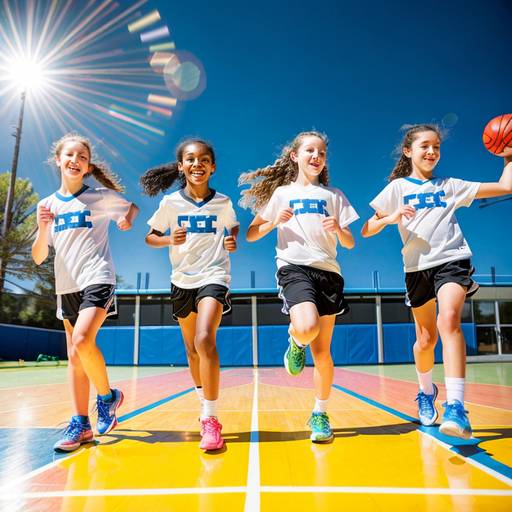
This 5th-grade physical education lesson focuses on promoting fitness and strength through engaging activities and teamwork. Students will begin with a dynamic warm-up to prepare their bodies, followed by a brief introduction to key strength exercises, including push-ups, squats, planks, and resistance band workouts.
The main activity consists of a fitness challenge course with multiple exercise stations where small groups rotate through each station, aiming to complete as many repetitions as possible within a set time. This structure encourages collaboration and friendly competition among classmates.
To conclude, students will participate in a cool-down stretching routine, followed by a group discussion reflecting on their experiences and the importance of fitness. The lesson emphasizes active participation, personal goal setting, and the development of lifelong fitness habits while ensuring students learn proper exercise techniques safely. Assessment will be based on participation, effort, and contributions to group activities.
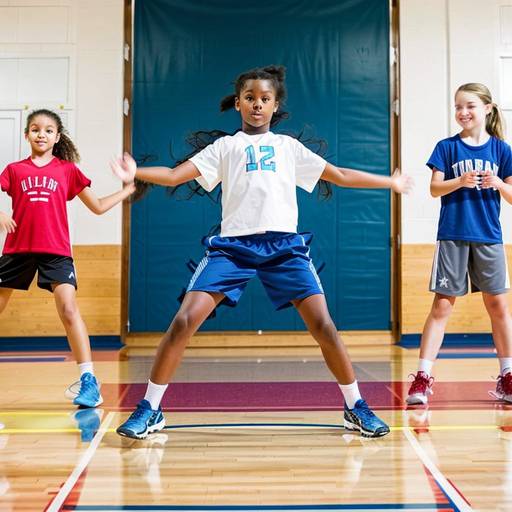
In this 4th-grade physical education lesson, students will engage in a variety of fitness challenges designed to enhance their strength and overall fitness levels. The session begins with a dynamic warm-up to prepare their bodies for activity. Students will learn about different muscle groups and their importance before participating in five interactive stations that feature various fitness challenges, such as push-ups, squats, and medicine ball tosses. After completing the stations, students will cool down with static stretches and gather for a reflective discussion on their experiences and learnings from the challenges. The lesson emphasizes teamwork, communication, and the significance of maintaining an active lifestyle. Finally, students will complete a reflection exercise, identifying strength exercises they can practice at home. Throughout the lesson, the focus remains on fostering a fun, engaging, and safe environment for all participants.

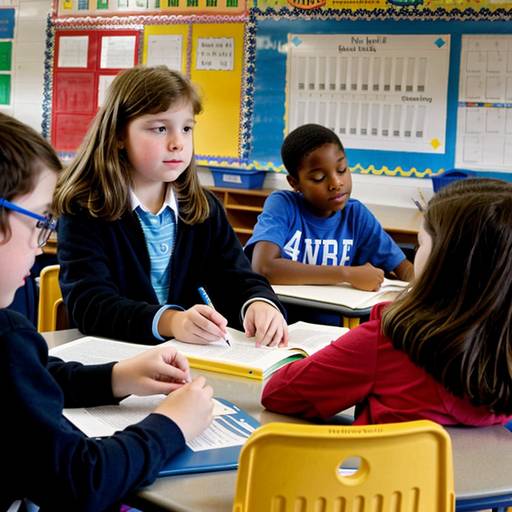
This 4th-grade Language Arts lesson focuses on persuasive writing, aiming to teach students the key components and techniques used to convince an audience. The lesson begins with a discussion on persuasion, followed by a mini-lesson that highlights essential elements such as stating a clear opinion, providing reasons, and considering the audience. Students engage in guided practice by brainstorming topics and outlining their thoughts using graphic organizers. They then independently write persuasive letters, incorporating at least three persuasive techniques learned earlier. The lesson concludes with students sharing their letters and receiving feedback, fostering a collaborative environment. Assessment is based on the completed letters with criteria focused on clarity, technique, structure, and creativity. Extensions include showcasing student work and organizing a presentation day to further enhance public speaking skills. Reflection on the lesson will inform future instruction.
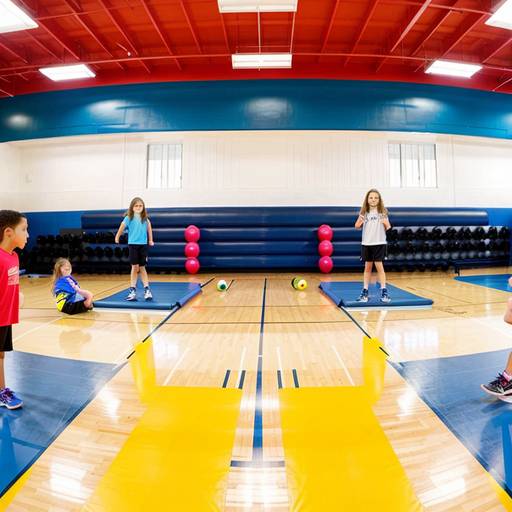
This 2nd grade physical education lesson plan focuses on teaching students the importance of fitness and strength through engaging activities. The lesson begins with a dynamic warm-up that includes various stretches and movements to prepare the students for physical activity.
Students will then rotate through four different activity stations that promote fitness and strength: Hula Hoop Hop, Resistance Band Row, Ball Toss Balance, and Jump Rope Challenge. Each station allows students to develop agility, upper body strength, balance, and endurance, while also fostering cooperation with peers as they work in pairs or small groups.
The lesson concludes with a group discussion, encouraging students to reflect on their experiences, share their favorite activities, and express how they plan to stay active outside of school. Throughout the session, emphasis is placed on participation, teamwork, and hydration, ensuring a safe and enjoyable learning environment.
This 5th-grade language arts lesson focuses on introducing students to persuasive writing. The lesson begins with a discussion about personal experiences in trying to persuade others, leading to an exploration of persuasive writing techniques such as emotional appeal, logical reasoning, and credibility. Students engage in group work to brainstorm persuasive arguments around assigned topics and share their ideas with classmates. Following this collaboration, each student composes an individual persuasive paragraph, incorporating the techniques learned. The class concludes with selected students sharing their writing, fostering an understanding of effective persuasion and its importance. Assessment includes evaluating students' written paragraphs and monitoring group interactions to gauge understanding. The lesson includes differentiation strategies and an optional extension activity for those seeking further engagement.

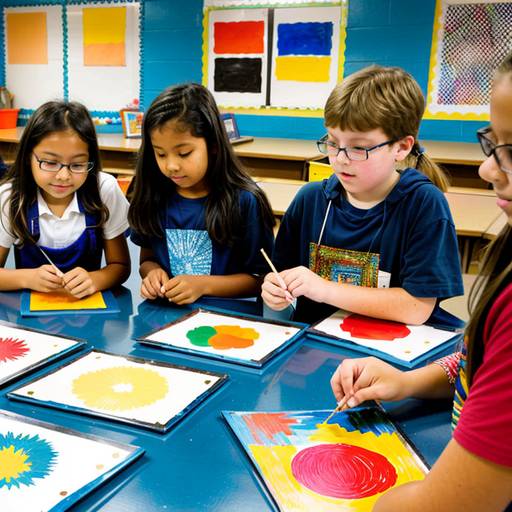
In this 5th-grade art lesson, students will explore the creative process of printmaking using foam plates. They will start with a brief introduction to printmaking techniques and famous artworks, followed by a demonstration on how to design and carve simple images into foam. Students will then create their own prints by applying paint to their foam plates and pressing them onto paper. The hands-on activity encourages experimentation with color and design while developing fine motor skills. As students share their artworks, they will reflect on their experience and the techniques they've learned. The lesson concludes with cleanup and a discussion, ensuring students appreciate their unique creations and the art form. Extensions could include themed projects or creating greeting cards with their prints.
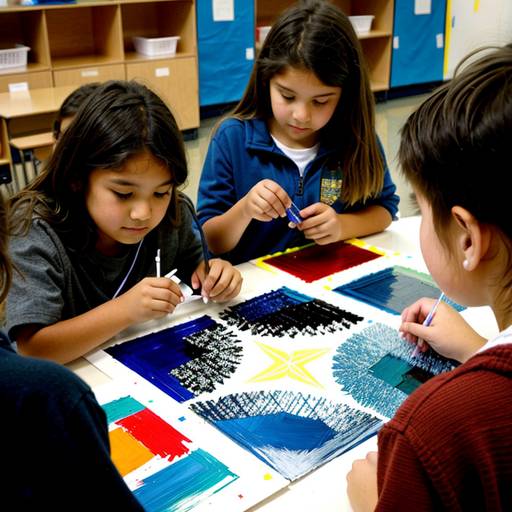
In this engaging art lesson for 4th-grade students, the focus is on exploring printmaking techniques through the use of natural materials. Over two sessions, students will learn about various printmaking methods, including relief printing, mono printing, and collagraph techniques. They will begin by experimenting with different textures and patterns created from natural items, producing multiple prints that display their understanding of these techniques.
The first session involves an introduction to printmaking, a demonstration of the techniques, and hands-on exploration where students create prints using their chosen materials. During the second session, students will build upon their initial creations by designing layered prints, emphasizing composition and color layering.
Throughout the lesson, students engage in discussion and reflection, sharing their experiences and learning outcomes. They will have the opportunity to display their finished prints, fostering a sense of community and appreciation for their artistic efforts. Assessment will focus on creativity, technique use, and individual reflections on the printmaking process. The lesson aims to deepen students' understanding of texture in art and enhance their overall creativity.
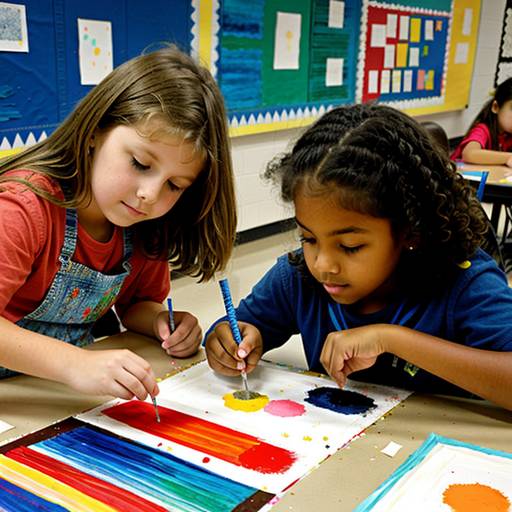
In this 3rd grade art lesson, students will explore printmaking techniques using everyday materials to create textured prints. The objectives are to help students recognize different textures in their environment and understand their significance in art, while also learning to make prints with their own designs. The lesson includes a warm-up discussion to identify textures, a demonstration on creating printing plates with styrofoam or cardboard, and an explanation of how to use paint to achieve clear prints.
During the main activity, students will carve their designs, apply paint to their plates, and press them onto construction paper or cardstock to create their prints. After completing their projects, a gallery walk will allow students to share and reflect on their work. The lesson concludes with an assessment of participation and creativity, and suggestions for extensions encourage further exploration of printmaking. This hands-on experience will enhance students' creativity and appreciation for texture in art.
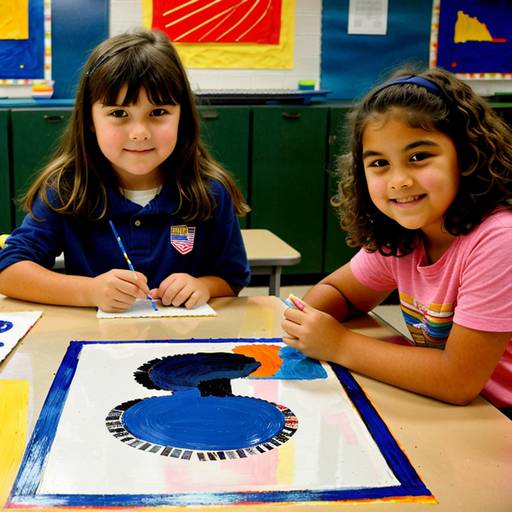
In this 3rd-grade art lesson, students will explore the art of printmaking by creating their own prints using everyday objects. The class begins with a discussion about printmaking and a demonstration of the processes involved. Each student will receive a Styrofoam plate to sketch and carve their unique designs, followed by applying non-toxic printing ink with a brayer. They will then create their prints by pressing the inked plate onto paper, experimenting with color and design variations. After completing their artwork, students will share and discuss their prints with classmates. The lesson emphasizes creativity, hands-on learning, and collaboration while introducing key concepts in printmaking. Monitoring student engagement and evaluating their prints will help assess their understanding of the techniques learned. Extensions for future lessons may include exploring more advanced printmaking methods.
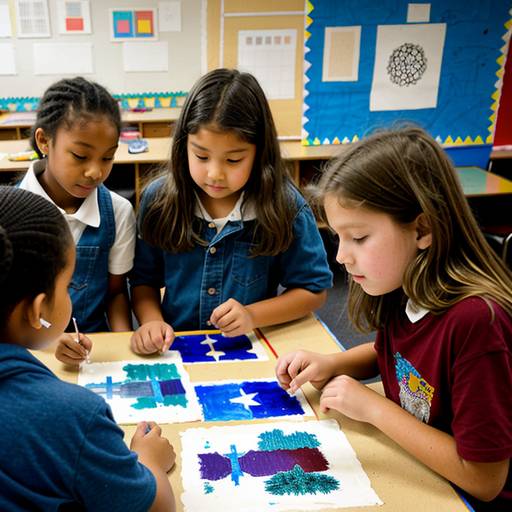
In this 4th-grade art lesson, students will explore the exciting world of printmaking through two primary techniques: relief printing and monoprinting. The lesson is designed over two class periods, beginning with a discussion that introduces the concept of printmaking and its various forms, followed by a demonstration of the relief printing process using Styrofoam trays. Students will have the opportunity to create their own relief prints, expressing their creativity through design and printing.
During the second class, the focus shifts to monoprinting, where students will learn to apply paint to smooth plates, experimenting with different textures and techniques to produce unique prints. Both activities emphasize hands-on learning and individual expression, culminating in a gallery display of the students' artworks.
Throughout the lesson, students will reflect on their artistic processes, sharing insights about their experiences and the techniques they used. The lesson aims to engage students in creative exploration, foster an appreciation for printmaking, and encourage them to consider how these techniques can be applied in various forms of art. Assessments will focus on participation and the creativity displayed in their printmaking projects, with opportunities for extension activities in future lessons.