
Filters
Level
Grade
Subject
Subject Area
Subject Topic
Standard(s)
Audience
Keyword
DurationMinutes
Elementary School Lesson Plans

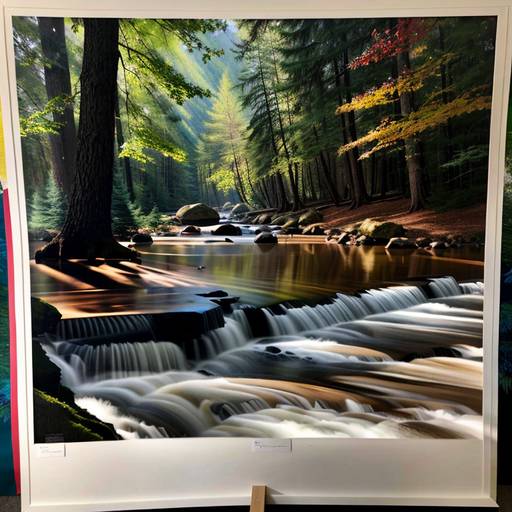
In this art lesson for 3rd graders, students will be introduced to the concept of printmaking while exploring the art forms inspired by nature. The lesson spans two class periods and begins with a discussion about printmaking techniques, accompanied by visual examples. Students will then participate in a nature walk to collect interesting natural items, such as leaves and flowers, which they will use for their printmaking projects.
In the first class, students will learn how to apply paint to their chosen natural materials and create prints by pressing them onto paper. The second class will focus on completing unfinished prints and sharing their work through a gallery walk, where students will appreciate and discuss their classmates' artwork. This will culminate in a reflective discussion about their experiences and learnings throughout the project.
Assessment will focus on participation, creativity in their prints, and engagement during discussions. The lesson encourages an appreciation for both nature and artistic expression while fostering skills in observation and printmaking techniques. Extensions may include creating a nature-inspired art book or exploring additional printmaking methods.

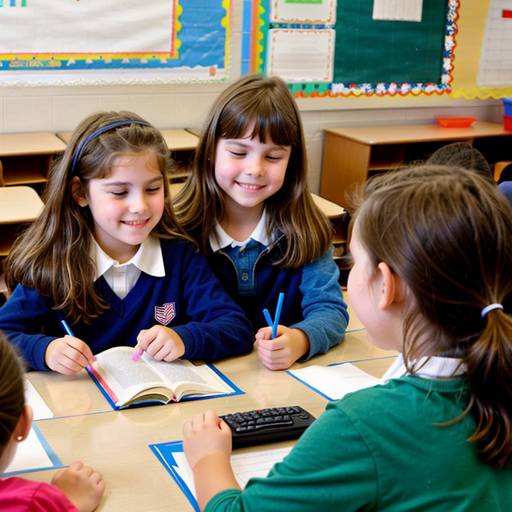
This 1st Grade Language Arts lesson plan focuses on introducing students to basic punctuation marks: periods, question marks, and exclamation marks. The lesson begins with an engaging chant to capture students' attention and briefly explain the purpose of each punctuation mark. Through modeling on the whiteboard, students will learn how to identify and apply the correct punctuation in different sentences.
In guided practice, small groups will analyze example sentences and decide which punctuation marks to use, fostering collaboration and critical thinking. For independent practice, students will complete a worksheet that reinforces their understanding of punctuation by filling in the correct marks for given sentences. The lesson concludes with a review and sharing of examples, followed by an assessment of student understanding through participation and worksheet completion. Extensions include creative writing and a punctuation hunt, accommodating various learning needs and promoting deeper engagement with the material. Overall, the plan is designed to make learning about grammar and punctuation enjoyable and interactive.

This lesson plan aims to teach 2nd-grade students the fundamental rules of punctuation, specifically focusing on periods, question marks, and exclamation marks. The lesson begins with an introduction to the importance of punctuation in writing, followed by direct instruction that provides examples of each punctuation mark and demonstrates how they affect the meaning of sentences. Students will engage in guided practice by working in pairs to identify and correct punctuation in provided sentences. They will then proceed to independent practice, where they will create their own sentences using the three punctuation marks, accompanied by illustrations. The lesson concludes with students sharing their work and discussing the choices they made regarding punctuation. Assessment will include monitoring student participation, evaluating worksheets, and reviewing the students' sentences for correct punctuation usage. Extensions for creativity and modifications for varying skill levels are included to enhance the learning experience. This lesson encourages an interactive approach to mastering essential grammar skills.

In this second-grade language arts lesson, students will explore basic punctuation marks—periods, question marks, and exclamation points—and their functions within sentences. The lesson begins with a read-aloud story that highlights these punctuation marks, prompting students to recognize their importance in communication. Following a mini-lesson, students will participate in small group activities where they create original sentences using the different punctuation marks and share them with the class.
For independent practice, students will complete a worksheet focused on identifying and correcting punctuation in sentences. The lesson concludes with a sharing session, reinforcing the role of punctuation in making writing clear and understandable. Assessment will involve observing group interactions and collecting worksheets to evaluate individual understanding. Accommodations and extensions are provided to support diverse learning needs and deepen engagement with the topic.

This 3rd-grade Language Arts lesson focuses on teaching students the importance and usage of various punctuation marks, such as periods, exclamation points, question marks, and commas. The lesson begins with a discussion about the significance of punctuation in writing, followed by direct instruction where students collaboratively fill in sentences with the correct punctuation on the whiteboard.
Next, students work in pairs to complete a worksheet that reinforces their understanding, then they individually punctuate another set of sentences. A group activity allows students to create “Punctuation Rules” posters, demonstrating their understanding through creative examples. The lesson concludes with group presentations and a recap of the key concepts learned. Assessment includes observation of participation, review of worksheets, and evaluation of the group posters. The lesson incorporates differentiation and extensions to meet varying student needs and encourage engagement with punctuation in their reading and writing.

In this 3rd-grade Language Arts lesson, students will learn about important punctuation marks, including periods, commas, question marks, and exclamation points. The lesson begins with a discussion about the significance of punctuation in writing and how it affects clarity and expression. Students will receive Punctuation Toolkits that provide visual aids and explanations of each mark, which they will review as a class.
Next, in pairs, students will engage in a hands-on activity using worksheets to identify and correct punctuation errors in various sentences. They will then create their own sentences incorporating the targeted punctuation marks and have the opportunity to share their work with peers.
The lesson concludes with a recap of the importance of punctuation, rewarding students for their efforts with stickers. Assessment will be based on their completed worksheets, participation in discussions, and the sentences they create. Modifications are provided for students needing additional support, and extensions include a scavenger hunt for punctuation in books.

This lesson plan focuses on teaching second-grade students the fundamental concepts of grammar and capitalization. The objectives include helping students identify proper nouns and correctly capitalize them, as well as understanding that sentences begin with a capital letter.
The lesson begins with an introduction that encourages students to share their knowledge about capital letters, followed by a mini-lesson that explains proper nouns and the importance of capitalization. Guided practice involves students working in pairs to fill in missing capital letters on sentence strips, which they then share with the class.
For independent practice, students receive a worksheet to correct sentences with capitalization errors. The lesson concludes with a fun interactive activity, allowing students to present sentences they fixed, reinforcing their understanding through peer engagement. Assessment includes monitoring participation during the activity and reviewing the completed worksheets. Differentiation strategies are provided to support various learning needs. Overall, the lesson aims to make learning about grammar and capitalization engaging and enjoyable for young learners.
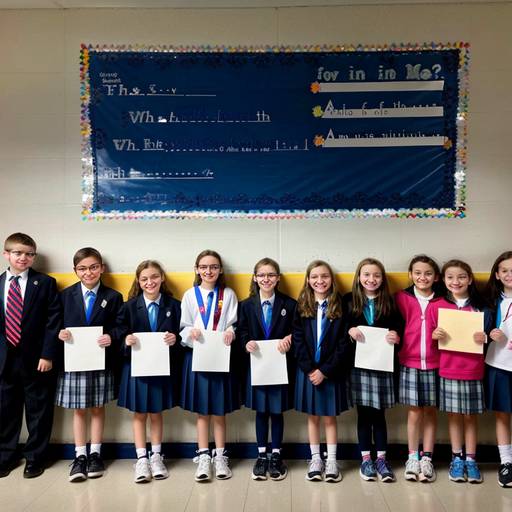
In this 5th-grade language arts lesson, students will explore key punctuation marks and their roles in writing. The lesson begins with a discussion on the importance of grammar and punctuation, followed by direct instruction on various punctuation marks such as periods, commas, question marks, exclamation points, quotation marks, and apostrophes. Students will engage in guided practice by correcting punctuation errors in a short story, working collaboratively to discuss their decisions. For independent practice, they will write a creative paragraph about a themed “parade,” incorporating at least five different punctuation marks correctly. The lesson concludes with a sharing session, allowing students to showcase their work and reflect on the necessity of punctuation in conveying clear meaning. Assessment will involve monitoring participation, evaluating corrections, and reviewing the imaginative paragraphs for proper punctuation usage. Differentiation strategies will be employed to support diverse learners.

In this 60-minute language arts lesson for 3rd graders, students will explore the importance and application of essential punctuation marks, namely periods, question marks, and exclamation points. The lesson begins with a class discussion to introduce these punctuation marks, followed by direct instruction where students examine sentences lacking punctuation and learn how punctuation alters meaning.
During guided practice, students work on worksheets to identify and correct punctuation errors in sentences, collaborating in pairs to enhance their understanding. Independent practice involves creating short stories that incorporate various punctuation marks, allowing for creativity and personal expression.
The lesson concludes with a sharing session where students can present their work, followed by the distribution of participation certificates. Assessment will be based on classroom participation, worksheet accuracy, and the proper use of punctuation in their stories. Extensions and modifications are provided to accommodate diverse learning needs.

This 4th-grade Language Arts lesson focuses on teaching students the importance and correct usage of basic punctuation marks, including periods, commas, question marks, and exclamation marks. Initially, the teacher engages students in a discussion about the role of punctuation in writing. Direct instruction follows, where each punctuation mark is introduced alongside examples. Guided practice involves small groups correcting sentences missing punctuation, fostering collaboration and communication. For independent practice, students complete a worksheet identifying missing punctuation and create their own short stories or sequences of sentences that utilize the discussions' highlighted punctuation marks. The lesson concludes with a recap of the key points and an exit ticket task where students compose an original sentence showing their understanding. Assessment is based on group participation, worksheet completion, and the accuracy of the exit ticket sentences. Extensions and modifications are suggested to accommodate diverse learning needs and encourage creativity.