
Filters
Level
Grade
Subject
Subject Area
Subject Topic
Standard(s)
Audience
Keyword
DurationMinutes
Elementary School Lesson Plans

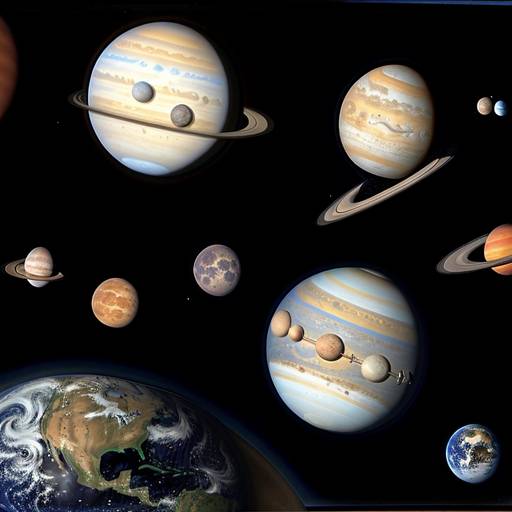
In this first-grade science lesson, students will explore the solar system by learning about the eight major planets. The class will begin with a discussion about space and a short video to engage students. Each planet will be introduced with fun facts and images, helping students understand their unique characteristics and order from the sun.
To enhance engagement, students will participate in a "Planet Parade," where they will work in small groups to represent their assigned planet using various materials. Following this activity, they will create their own space scenes on black construction paper, incorporating at least one planet and artistic elements like stars and the sun.
The lesson will conclude with students sharing their creations with the class and recapping what they have learned about the planets. Assessment will be based on participation and creativity during group activities, presentations, and optional worksheets to reinforce their understanding. Extensions may include a field trip to a planetarium or introducing stars and constellations in future lessons.
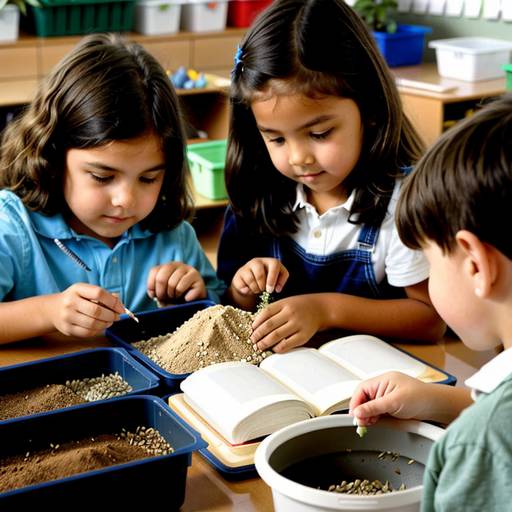
In this first-grade life science lesson, students will embark on an engaging exploration of plants, focusing on the parts of a plant and the process of growth from seeds. The lesson begins with a discussion about what plants need to thrive, fostering curiosity and activating prior knowledge. Students will have hands-on experience as they observe various seeds using magnifying glasses, noting their characteristics, and sharing their findings with the class.
Following this exploration, students will participate in a planting activity, where they will prepare small pots with soil, plant their seeds, and learn about the care required for their growing plants, such as sunlight and water. Each student will keep a Plant Growth Journal to record their observations and track changes in their plants over time.
The lesson wraps up with a review of key concepts and a creative poster activity that reinforces their learning about plant anatomy and growth. Through observation, hands-on activities, and collaborative discussions, students will gain a foundational understanding of the importance of plants in our ecosystem and the role of seeds in their growth. Opportunities for assessment will include observing participation and reviewing journals and posters for comprehension.
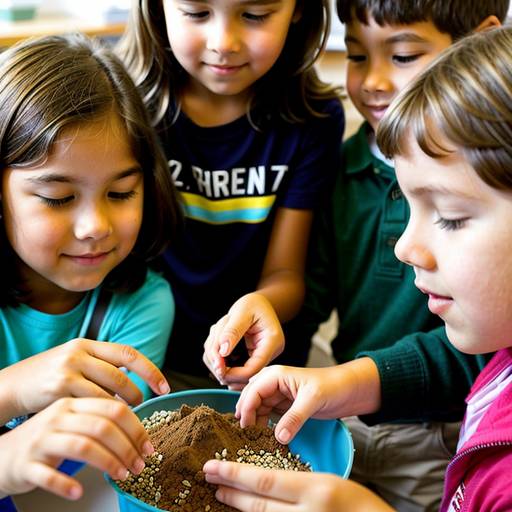
In this 2nd grade life science lesson, students will explore the fascinating world of plants, focusing on their parts and life cycle. The lesson begins with engaging discussions that prompt students to think about how a small seed can grow into a large plant. They will learn about the various parts of a plant—roots, stems, leaves, and flowers—using diagrams and hands-on activities.
Students will closely examine different seeds using magnifying glasses and draw their observations. They will then participate in a hands-on planting activity, where they will plant seeds in pots, learn about the necessary growing conditions, and understand the importance of water, soil, and sunlight.
The class will conclude with a group discussion, reinforcing the knowledge gained about the plant life cycle. Students will be encouraged to observe their own plants at home and document their growth. Assessment will be based on participation, drawings, and understanding of key concepts discussed during the lesson. Optional extensions include maintaining a growth journal and sharing their plants with the class.
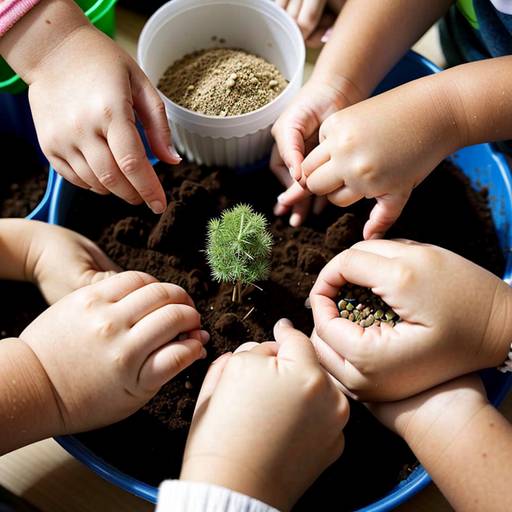
In this Kindergarten science lesson, students will embark on an exploration of seeds and plant growth. They will begin by engaging with a read-aloud story about plants, followed by a discussion on what plants need to thrive. Next, students will focus on observing various seeds, comparing their characteristics using magnifying glasses, and learning to identify the main parts of a seed.
Afterward, students will participate in hands-on activities where they will plant seeds in cups using potting soil, applying the knowledge gained about planting techniques and the importance of watering. They will also create labels for their plants and start growth journals where they will draw their seeds and make predictions about the growth process.
The lesson will culminate in a review of key concepts learned, allowing students to share their observations and predictions with peers. Assessment will be based on participation, journal entries, and ongoing plant observations. Extension activities will provide further engagement through field trips and creative projects related to plants and their life cycles. This approach fosters a comprehensive understanding of plant life and growth in an interactive and enjoyable manner.
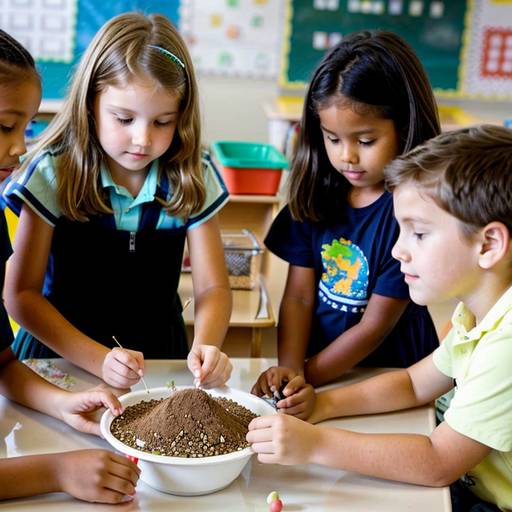
In this 2nd Grade Life Science lesson, students will explore the life cycle of plants by engaging in hands-on activities and discussions. The lesson begins with an introduction to the basic needs of plants—sunlight, water, and soil—coupled with an overview of the plant life cycle stages: seed, germination, seedling, mature plant, and flowering/fruiting.
Students will participate in a seed planting activity, where each will plant a seed in a plastic cup filled with potting soil and learn how to care for it. This practical experience will be complemented by observation and drawing activities, where pairs will create a visual representation of the plant life cycle.
Throughout the lesson, students will engage in collaborative discussions, share their observations, and record their findings. The teacher will assess understanding through participation, drawings, and informal questioning. The lesson also includes opportunities for further exploration of the role of plants in the environment and collaborative gardening efforts. Safety measures will be emphasized, ensuring a clean and safe learning environment. The session will conclude with a fun plant-related song or story to reinforce the concepts covered.
This 1st-grade science lesson focuses on introducing students to the world of plants and their essential parts. Students will learn to identify and describe the functions of the main parts of a plant—roots, stems, leaves, and flowers—while understanding what plants need to grow, such as sunlight, water, and soil. The lesson begins with a discussion and visual aids, followed by hands-on exploration of real plants in small groups. Each group will present their findings to the class. Students will then engage in a creative craft activity to create and label their own plant diagrams. The lesson concludes with a review of the plant life cycle using a poster, allowing students to share their insights. Assessment will be based on participation, group discussions, and the quality of their plant diagrams. The lesson may be extended with a planting activity, encouraging students to observe plant growth over time. Overall, this lesson provides an interactive and engaging way for young learners to explore life science concepts related to plants.
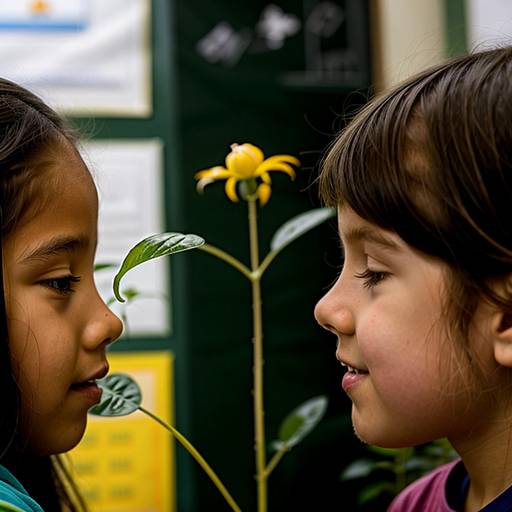
In this engaging 2nd-grade Life Science lesson, students will explore the fascinating world of plants, focusing on their basic parts and functions. The lesson begins with a discussion about the role of plants in the environment, where students will contribute to a KWL chart, sharing what they know and what they want to learn. Direct instruction will introduce the parts of a plant—roots, stems, leaves, flowers, and seeds—along with their functions, highlighting the importance of plants in providing oxygen, food, and habitat.
Following this, students will participate in a hands-on activity where they will work in small groups to examine a live plant or its image, using magnifying glasses to identify and label its parts on a worksheet. Each group will then share their findings with the class, fostering collaboration and communication among peers. The lesson will conclude with a reflection on the "superhero" qualities of plants, emphasizing their vital role in our ecosystem. Assessment will include participation and the completion of the worksheet, while extensions may encourage ongoing exploration through plant-growing projects or related reading activities.

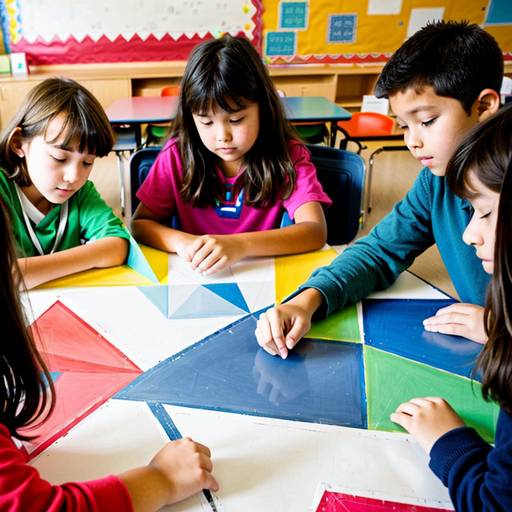
In this 5th-grade math lesson, students explore the concepts of geometry and area through the study of various polygons, including triangles, rectangles, parallelograms, and trapezoids. The lesson begins with a review of polygon types and the significance of area in real-life applications. Students learn and practice calculating the area of each polygon using the appropriate formulas, moving from direct instruction to guided and independent practice. Throughout the activities, they engage in drawing shapes on grid paper to reinforce their understanding and apply their knowledge to solve related word problems. The lesson concludes with a review and discussion of how area calculations are used in various fields, allowing students to connect mathematical concepts to everyday situations. Assessment is conducted through observation during paired activities and graded worksheets. Extension activities offer challenges for faster learners, while differentiation strategies support those needing additional help. Overall, the lesson encourages collaboration and hands-on engagement with geometry.
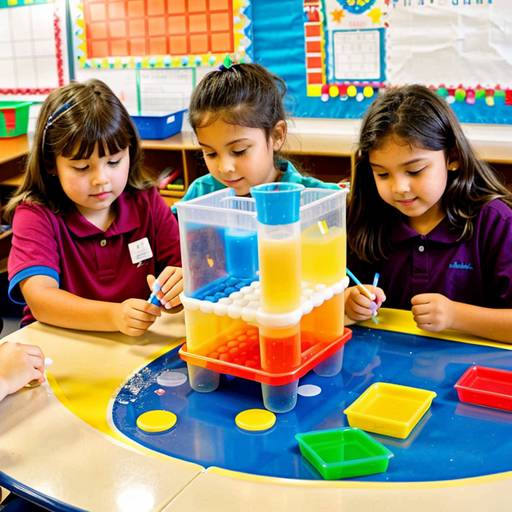
In this engaging 2nd-grade math lesson focused on measurement and volume, students will explore the concept of volume through hands-on activities and discussions. The lesson begins with an introduction to key vocabulary, such as volume and capacity, prompting students to share their understanding and examples.
Students will work in small groups, using a variety of containers to measure their capacity with standard units like measuring cups, estimating first before measuring the actual volume of each container. They will record their findings on worksheets to compare their estimates with their measurements.
Following the measurement activity, the class will regroup to share their results, facilitating a discussion about their discoveries. A fun "Pouring Race" activity will challenge students to transfer liquid between containers to see if one fits within another, reinforcing their understanding of volume through practical application and teamwork.
The lesson concludes with a reflection on what they learned, encouraging students to think about real-life applications of volume. Assessment will be based on observation, group participation, and the worksheets completed during the activities. Opportunities for extension and adaptations will be provided to accommodate different learning needs, ensuring an inclusive and comprehensive exploration of measurement and volume concepts.

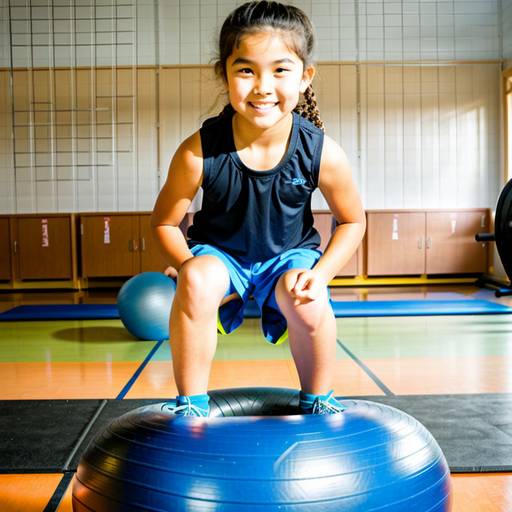
In this 3rd-grade physical education lesson, students will participate in engaging strength-building activities aimed at improving fitness and teamwork. The class begins with dynamic stretching and a fun game of Freeze Tag to warm up. Students will then rotate through four strength stations, including jumping jacks, resistance band exercises, hula hoop squats, and a ball-passing relay that incorporates bodyweight exercises.
After the main activities, students will cool down with static stretches while focusing on deep breathing. The lesson concludes with a group discussion that reinforces the importance of strength and fitness, allowing students to share their experiences and insights. Throughout the session, teachers will observe and ensure proper exercise techniques are maintained, promoting an inclusive environment that encourages all students to participate and enjoy physical activity.