
Filters
Level
Grade
Subject
Subject Area
Subject Topic
Standard(s)
Audience
Keyword
DurationMinutes
Elementary School Lesson Plans

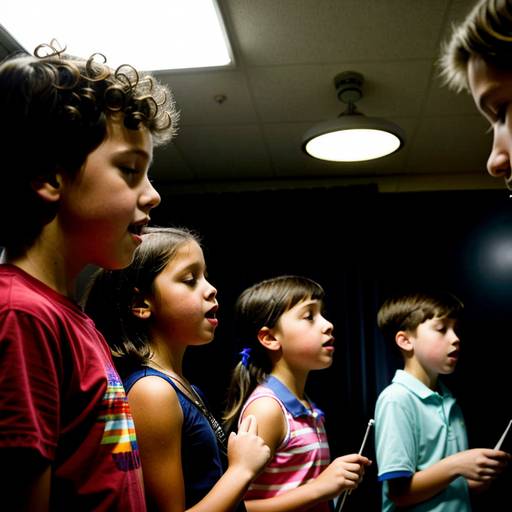
In this 4th-grade music lesson, students will engage in singing and performance, focusing on vocal technique and expression. The lesson begins with warm-up exercises to prepare their voices, followed by an introduction to a selected age-appropriate song. Students will learn the song in sections, emphasizing pitch accuracy, rhythm, and dynamics. They will practice in small groups before coming together to perform as a class, encouraging collaboration and support. The lesson concludes with a reflection on their performance experience, fostering a sense of accomplishment and encouraging students to continue exploring singing at home. Assessment will be based on observation during practice and performance, with feedback provided to enhance their skills. Extension opportunities include forming a choir or creating original lyrics, promoting creativity and confidence in music.
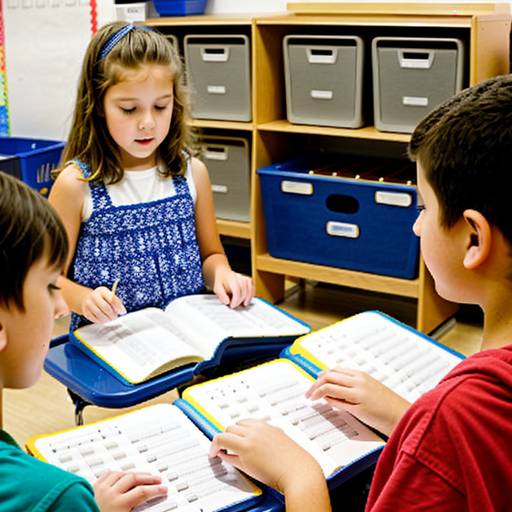
In this engaging fourth-grade music lesson, students will explore fundamental music theory concepts related to rhythm and note values. The lesson begins with a warm-up involving clapping patterns to familiarize students with rhythm. Through visual aids, students will learn about different note values, such as quarter notes, eighth notes, half notes, and whole notes, understanding how many beats each represents.
Students will then partake in body percussion activities, creating their own rhythmic patterns. Working in small groups, they will develop a 4-beat rhythmic composition that includes a mix of note values, which they will eventually present to the class. Constructive feedback will be provided to reinforce their learning.
The lesson concludes with a group reflection where students share their learnings and feelings about the activities. Lastly, they will perform a collective rhythmic piece together, solidifying their understanding of rhythm and the concept of maintaining a steady beat as a group. Assessment will focus on student participation, the quality of rhythmic patterns created, and adherence to the concepts taught throughout the lesson. Extension ideas encourage students to create their own rhythm compositions at home and explore melody in future music classes.
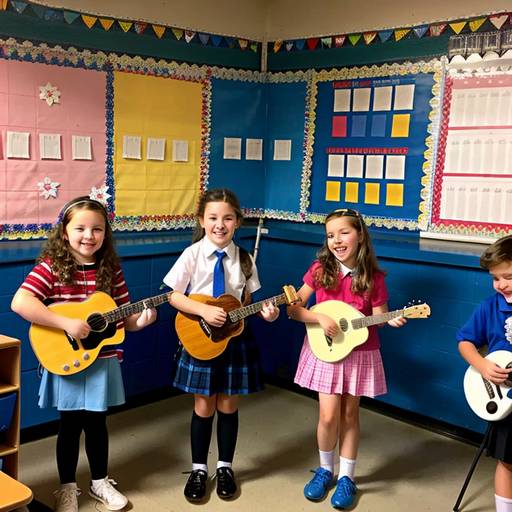
This lesson plan aims to introduce 3rd-grade students to the appreciation of famous songs from various eras and genres. The session begins with an engaging discussion about the students' favorite songs, exploring the emotional and cultural significance of music. Students then listen to short clips of selected famous songs and participate in discussions about their themes, feelings, and musical elements.
Afterward, students are divided into small groups, each assigned a different famous song. They discuss their song's background, choose a simple segment to perform using classroom instruments, and prepare a fun fact about the song or the artist to share with the class. Each group presents their performance and shares their insights, fostering collaboration and creativity.
The lesson concludes with a recap of the key concepts learned and an interactive homework assignment that encourages students to explore a song at home and express what it means to them through art. Assessments include participation, engagement in group presentations, and the optional creative assignment. Adaptations are provided for diverse learning needs, and opportunities for extension activities are suggested to encourage further musical exploration.
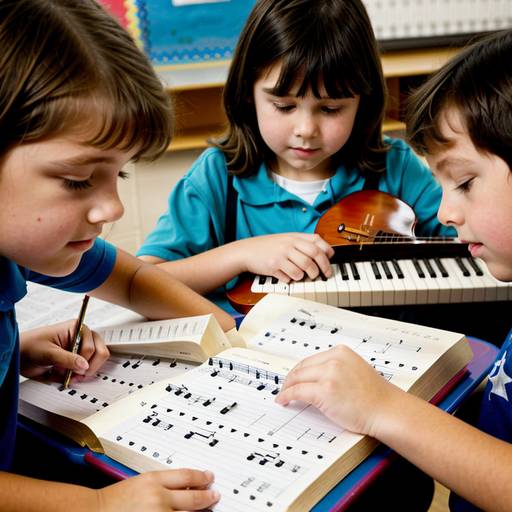
In this 50-minute lesson plan for 3rd graders, students will explore the basics of music theory by learning to identify and name fundamental musical notes, including whole notes, half notes, quarter notes, and eighth notes, as well as understanding their values. The lesson begins with a discussion about music and the importance of note names, followed by an interactive matching game where students pair note symbols with their names in small groups.
Next, students will create their own musical staff on printed worksheets, drawing and labeling different types of notes. The lesson includes a hands-on component, where students will play a simple melody on classroom instruments, reinforcing their understanding of note values in a musical context. To conclude, a quick oral quiz will assess students’ knowledge of the note names and values, and optional recording of their performance may be included for further assessment.
Extensions and reflection opportunities are provided to enhance learning and gather student feedback. This engaging approach allows students to learn music theory actively while fostering creativity and collaboration.
In this 3rd-grade music lesson, students will explore the history and evolution of various musical styles. The lesson begins with an introduction to different genres, prompting discussions about students' musical preferences. Through a series of listening activities, students will engage with audio clips from Classical, Jazz, Rock, Folk, and Hip-Hop, noting their observations about instruments, emotions, and rhythms.
Following the listening segment, a group discussion will delve into the differences between the genres and how historical contexts influenced these musical styles. Students will then work in small groups to create their own short melodies inspired by the styles they've learned about, utilizing available instruments.
The lesson culminates in group performances, where students share their creations and discuss what they learned about their assigned music genre. Assessment will focus on participation, worksheet completion, and collaboration during the melody creation activity. Additional extensions will encourage students to further explore their favorite songs' genres and histories beyond the classroom.
In this 45-minute music lesson for 3rd graders, students will explore singing techniques while building confidence through group performance. The lesson begins with engaging vocal warm-ups focusing on posture and breath control, followed by a discussion about the joy of singing and performing. Students will learn a simple, age-appropriate song, breaking it down into manageable sections while emphasizing proper technique and expression. Throughout the practice, they will have the opportunity to enhance their performance with optional percussion instruments.
As the lesson concludes, students will reflect on their experiences and feelings about singing together, culminating in a mini-performance for a peer group or teacher to showcase their newfound skills. Assessment will be based on student engagement, use of techniques, and their expressive abilities during the performance. The session will be rounded off with a calming vocal activity to transition from the excitement of performance. Future follow-up activities may include encouraging students to practice at home and planning a themed "Music Day" for family and friends.

In this 2nd-grade music appreciation lesson, students will engage in exploring famous songs from various genres and eras. The lesson begins with a warm-up song to capture their interest, followed by listening to short clips of selected iconic songs. After each clip, students will discuss the musical elements they perceive and the emotions the songs evoke, learning about the artists and significance of each piece.
During a group discussion, students will identify and categorize their favorite songs, expressing their thoughts and feelings about the music. They will then participate in a creative expression activity where they can either draw or write about their favorite song or create a simple rhythmic beat inspired by the music.
The lesson concludes with a sharing session, allowing students to present their artwork and thoughts. Assessment will focus on student participation and understanding of the material. Extensions for the lesson may include a music sharing day or exploring music from different cultures in future activities.
In this 2nd Grade music lesson, students will explore the world of historical composers and their significant contributions to music. The lesson begins with a discussion about the importance of composers, followed by small group activities where students research and present on different composers, including their key works and historical context. Audio clips will be played to enhance understanding and engagement. Students will then create their own simple melodies on blank sheet music, allowing them to express their unique stories and emotions through music. The lesson culminates in a class discussion reflecting on what they’ve learned about the connection between music and history. Assessment will be based on participation and creativity, with options for extension activities such as creating a classroom display or performing their original compositions. This engaging approach instills appreciation for the art of composition and its storytelling power.
In this 2nd-grade music lesson plan, students will explore music theory by focusing on identifying and naming musical notes on the treble staff. The lesson begins with a fun song that introduces the concept of note names, followed by direct instruction where the teacher explains the staff and notes, using interactive engagement to reinforce learning. Students will then participate in a group activity where they compete in a relay race to correctly place note names on blank staff paper. The lesson concludes with a recap of the learned material and an opportunity for students to practice their newfound knowledge through singing. Assessment will be based on observation during activities and the accuracy of students' work, with modifications available for those needing additional support. Extensions may include rhythm activities and using instruments to reinforce sound recognition associated with the notes learned. This lesson emphasizes active participation and collaborative learning while fostering a foundational understanding of music theory.
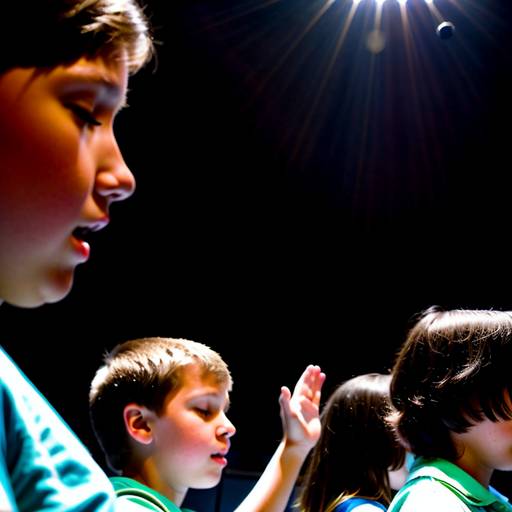
In this 60-minute music lesson for 5th graders, students will explore the concept of harmony through singing and collaborative activities. The lesson begins with an engaging discussion about harmony in music, followed by vocal warm-up exercises to enhance their listening and singing skills. Students will learn a two-part song, first practicing the melody and harmony separately before coming together to perform as a unified group. Later, they will work in small groups to create their own simple harmonies for familiar tunes, encouraging creativity and teamwork. The session concludes with performances of their compositions and a discussion on the importance of collaboration in music. Participation, ability to sing their assigned parts, and creativity in the group activity will serve as assessment criteria. Adaptations will be made to support all learners, ensuring a comprehensive and inclusive music experience.