
Filters
Level
Grade
Subject
Subject Area
Subject Topic
Standard(s)
Audience
Keyword
DurationMinutes
Elementary School Lesson Plans

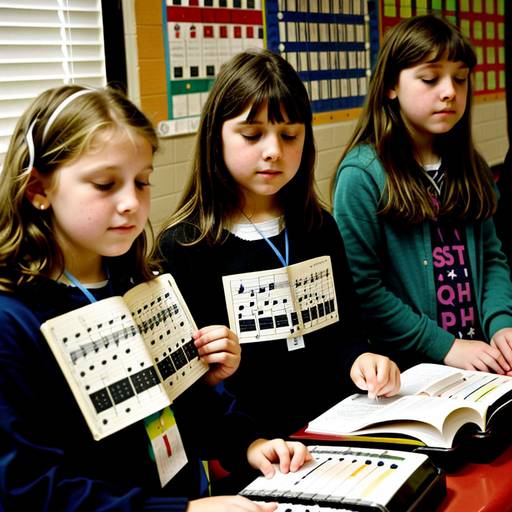
In this 5th-grade music history lesson, students explore the lives and contributions of three influential composers: Johann Sebastian Bach, Ludwig van Beethoven, and Duke Ellington. The lesson begins with a class discussion to gauge prior knowledge about composers and their significance in music. Students then rotate through listening stations where they listen to audio clips of each composer's work while reviewing profiles that provide historical context and interesting facts. Following this, they work in small groups to create charts summarizing their assigned composer’s contributions, musical style, and fun facts, which they later present to the class.
For the final activity, students are encouraged to draw inspiration from what they’ve learned to create their own short melodies, either through vocal expression or with available instruments. The lesson concludes with a sharing session, promoting creativity and collaborative learning. Assessment is based on participation, group work, and the original melody creation. Additional extensions are suggested for further exploration of composers and musical movements. The activities are designed to foster an understanding of music history and appreciation for the lasting influence of these composers on modern music.

This 5th-grade music appreciation lesson immerses students in the exploration of iconic songs from various decades, highlighting their cultural and historical significance. The class begins with a discussion about what makes a song famous and encourages students to share their experiences with impactful music. Students are then divided into small groups, each assigned a different decade from the 1960s to the 2020s. Each group listens to a short clip of a famous song and discusses its emotional impact, message, and relevance to the time period. Following the listening activity, students express their feelings about their chosen song through creative artwork. The lesson concludes with students sharing their artwork and reflections, fostering a deeper understanding of the powerful role music plays in shaping culture and personal experiences. Assessment focuses on participation in discussions, creativity in art, and optional reflective writing. Extensions include research projects, creating a class playlist, or organizing a music appreciation event.
In this Kindergarten music lesson plan, students will engage in various singing activities designed to develop their vocal skills, pitch recognition, and rhythm. The session begins with a warm-up to prepare their voices, followed by interactive singing of familiar songs that incorporate hand motions and puppetry to enhance engagement. Students will explore rhythm through clapping and using simple percussion instruments to play along with the music. They will also have the opportunity to create their own short songs using familiar phrases, fostering creativity and confidence. The lesson concludes with a reflection on their favorite activities and a goodbye song that reinforces the sense of community in music-making. Participation and engagement will be observed to assess student progress, with plans for future sharing opportunities with families.
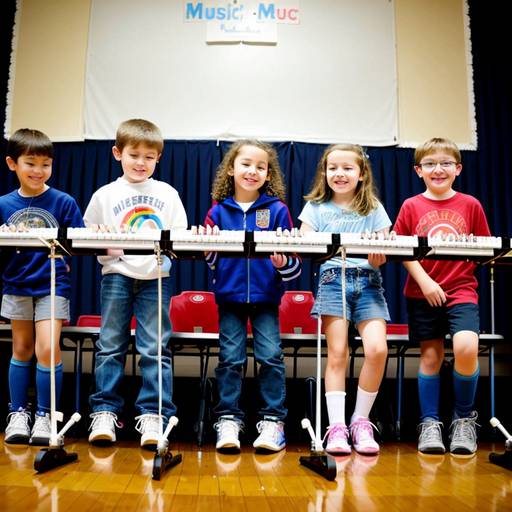
In this 1st-grade music lesson plan, students will explore various musical styles, including classical, jazz, folk, rock, and pop, while learning about key figures associated with each genre. The lesson begins with engaging audio samples, allowing students to hear the distinct sounds of each style. Following this introduction, they will work in groups to create movements or dances that represent the emotions of their assigned musical style, fostering creativity and teamwork.
After the movement activity, students will use simple musical instruments to compose their own short melodies inspired by what they learned. Finally, the class will gather to share their creations and reflect on how different musical styles evoke various feelings. Throughout the session, students will build their understanding of music history and styles while engaging in hands-on activities that promote expression and collaboration. Extensions such as drawing their favorite musical styles will deepen their engagement with the topic. Assessment will focus on participation, creativity, and verbal articulation of their learnings.
In this engaging music lesson for 4th graders, students will explore the history of music and various musical styles through listening and interactive activities. The lesson begins with a discussion about the role of music in society and personal experiences with different genres. Students will then listen to audio samples from five key musical styles—Baroque, Classical, Jazz, Rock, and Hip-Hop—while taking notes on the characteristics and emotions evoked by each style.
Afterward, students will work in small groups, each assigned a specific musical style, to create a simple composition using instruments or vocal sounds that reflect the elements of that genre. Each group will have the opportunity to present their compositions to the class, fostering collaboration and creativity.
The lesson concludes with a reflection on the significance of music throughout history and how different styles can influence each other, encouraging students to think about their own musical expressions. Assessments include participation, completed worksheets, and group presentations, with potential extensions for continued exploration of contemporary music and its roots.
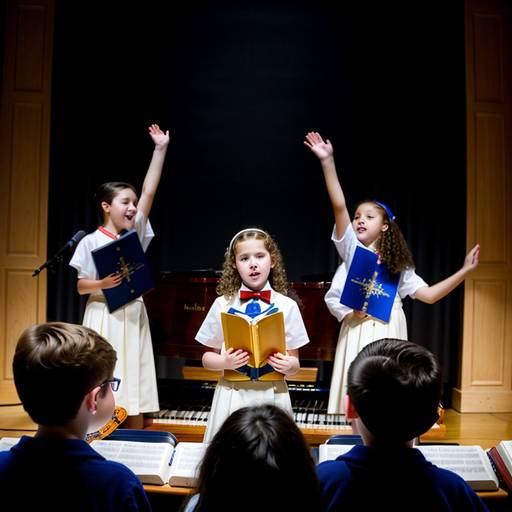
In this 4th-grade music lesson, students will explore the history of music by examining four significant music periods: Baroque, Classical, Romantic, and Contemporary. The lesson begins with an engaging discussion about what music might have sounded like in different historical eras. Students will listen to audio clips from each period, identifying key characteristics and expressing their feelings about the music.
After learning about each period and its notable composers, students will work in small groups to research specific facts about their assigned music period and share their findings with the class. Each student will then create a short musical composition inspired by the characteristics of a period they found most interesting, using staff paper for notation or instruments if available.
The lesson concludes with students presenting their compositions to the class, highlighting their inspiration and the emotions conveyed in their pieces. The activities are designed to foster creativity, collaboration, and a deeper understanding of how music evolves over time, along with the ability to reflect societal changes through musical expression. Accommodations will be provided to ensure all learners can engage meaningfully, and extensions encourage further exploration of music history at home.
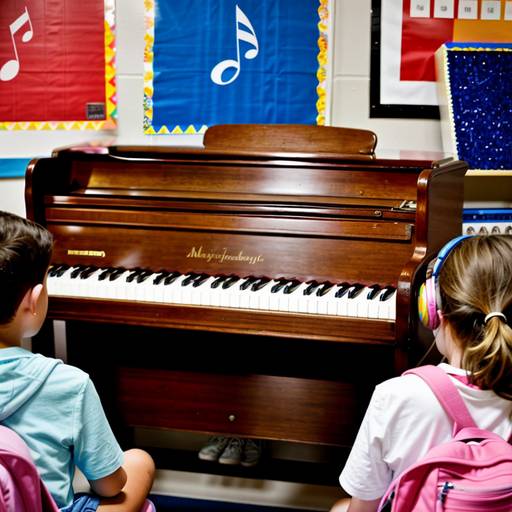
This engaging lesson plan for 3rd graders introduces students to the concept of music history and key musical periods: Baroque, Classical, Romantic, and Contemporary. The lesson begins with a brief discussion on famous composers and their contributions to music. Students participate in a group listening activity, where they listen to short excerpts from representative pieces of each period and share their thoughts on the music's characteristics.
Next, students create a timeline that includes the names and descriptions of each music period, enhancing their understanding of the evolution of musical styles. They then engage in a creative activity where they express their personal connection to music by drawing or writing about their favorite genres or songs. The lesson culminates with a recap of the main points, emphasizing the ongoing evolution of music. Assessment is based on participation and the completion of the timeline and creative activity, while extensions encourage further exploration of composers and personal music interests.
This lesson plan for 5th-grade music students focuses on exploring key music periods in history, specifically the Baroque, Classical, Romantic, and 20th Century eras. The lesson begins with a brief discussion to assess students’ prior knowledge and interest in music. It then presents the defining characteristics of each music period through direct instruction complemented by audio clips from notable composers such as Bach, Mozart, Tchaikovsky, and Duke Ellington.
Following the listening activity, students work in small groups, each assigned a specific music period, to create a section of a timeline that includes the period’s name, characteristics, notable composers, and a relevant illustration or image. The groups then share their timelines with the class, facilitating peer learning. The lesson concludes with a review of the major points covered, emphasizing the importance of understanding music history and its influence on contemporary music. Students are assessed based on their participation, the accuracy of the timeline activities, and a reflective worksheet to reinforce their learning at home.

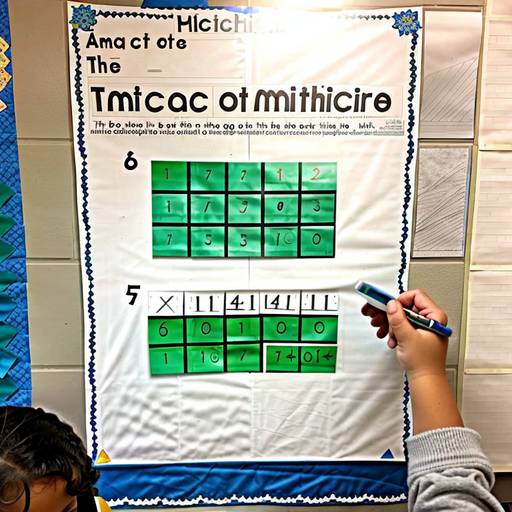
In this 1st-grade math lesson, students are introduced to basic multiplication concepts through hands-on activities and storytelling. The lesson begins with a discussion about what multiplication means, emphasizing that it involves adding equal groups together. Students then engage in a practical activity where they create their own groups using counting cubes and translate these groups into multiplication sentences.
Next, the teacher presents story cards that illustrate real-world scenarios involving groups, encouraging students to visualize and work through the stories using their cubes. This helps solidify the connection between multiplication and repeated addition. After exploring stories, students complete a worksheet featuring images of grouped objects, allowing them to practice formulating multiplication equations independently.
The lesson concludes with a group discussion, where students share their findings and equations, reinforcing their understanding of the concept. Observations and completed worksheets serve as assessment tools to gauge students' grasp of multiplication. Accommodations are provided for varying skill levels, ensuring that all students can engage with the material meaningfully. Overall, the lesson promotes an interactive and relatable approach to learning multiplication fundamentals.

In this 3rd-grade math lesson, students will explore the concept of multiplication as repeated addition through engaging and interactive activities. The lesson begins with a brief review of multiplication, followed by the introduction of multiplication word problems. Students will work in small groups to collaboratively solve a variety of word problems, fostering discussion and critical thinking. After guided practice, they will complete individual worksheets to reinforce their understanding.
Additionally, students will have the opportunity to unleash their creativity by creating their own multiplication word problems, which they will write on sticky notes for sharing with the class. The lesson emphasizes real-life applications of multiplication and encourages problem-solving strategies. Assessment will be conducted through worksheet completion and student participation, with differentiation strategies in place to support diverse learning needs. Extensions include a homework assignment that prompts students to identify real-life scenarios involving multiplication.