
Filters
Level
Grade
Subject
Subject Area
Subject Topic
Standard(s)
Audience
Keyword
DurationMinutes
Lesson Plans

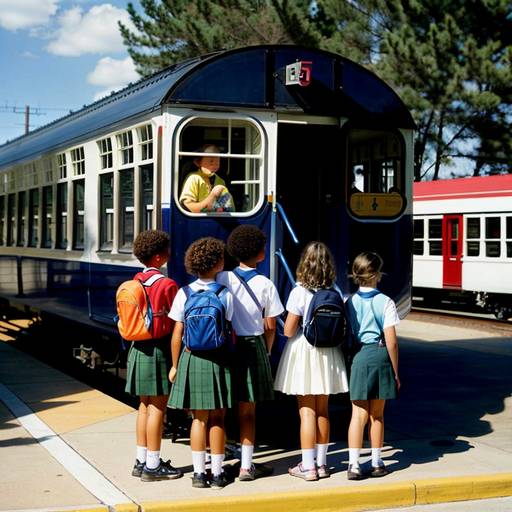
This 5th-grade math lesson focuses on enhancing students' understanding and application of addition through engaging activities. Students will explore concepts of multi-digit addition, including strategies such as regrouping and breaking down numbers. The lesson begins with a discussion about the importance of addition in everyday life, followed by direct instruction where the teacher demonstrates various addition techniques.
In guided practice, students work in pairs to solve addition flashcards in a timed challenge, promoting collaboration and interactive learning. They then transition to independent practice, completing worksheets that reinforce their skills. The lesson concludes with a review of key concepts and strategies, giving students the opportunity to share their experiences. To motivate and celebrate progress, small prizes are awarded for participation and accuracy.
Throughout the lesson, differentiation strategies are employed to accommodate diverse learning needs, ensuring that all students can engage with the material effectively. Extension activities encourage further practice and application of addition skills outside the classroom. Overall, the lesson aims to create an engaging and supportive environment that fosters a positive attitude towards math.

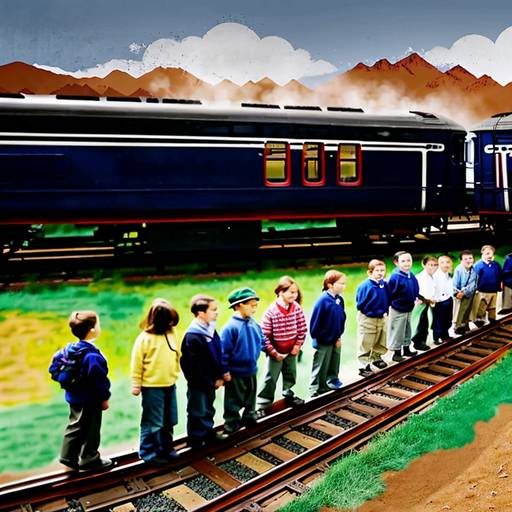
This 1st-grade social studies lesson plan focuses on helping students understand the various roles within their community and the importance of these roles in contributing to the overall well-being and function of the community. The lesson begins with a read-aloud of a story that introduces different community helpers, followed by a discussion to engage students and enhance comprehension.
Direct instruction involves listing various community roles on the whiteboard, providing explanations, and using visual aids to reinforce learning. In small groups, students will creatively construct a "Community Train" on butcher paper, with each train car representing a different role they have learned about. Groups will then present their creations to the class, elaborating on the responsibilities of each community helper.
The lesson concludes with a reflective discussion about what they have learned and the significance of recognizing community helpers. A class mural incorporating all groups' work will be created, providing a visual representation of their understanding. Assessment will be based on participation, group presentations, and optional individual quizzes. Extensions may include inviting a community helper or organizing a field trip to explore these roles in real life. Adjustments can be made to accommodate the specific needs of the class.


This preschool lesson focuses on helping children explore the concept of family and its diverse structures. It begins with a group discussion to introduce what families are and who belongs to them, followed by a read-aloud of a storybook that highlights different types of families. After the story, children share details about their own families to promote social skills like listening and respect.
Next, students engage in a creative drawing activity where they illustrate their families, encouraging them to express individuality and creativity. The class then collaborates on a large poster showcasing the drawings, symbolizing the diversity and unity of families within the group. The lesson concludes with a fun song or rhyme related to families, reinforcing the day's learning while allowing for a smooth transition to free play. Throughout the lesson, teachers observe participation, engagement, and respect among peers to assess understanding. The activities are designed to foster a sense of belonging and appreciation for each child's unique family background.
In this preschool lesson plan, students will explore the concept of family by identifying and describing different family members and understanding the diversity of family structures. The session begins with a group discussion about families, guided by a read-aloud of a storybook that illustrates various family dynamics. Following the story, children will engage in a creative activity where they design their own family trees using art supplies, encouraging self-expression and peer interaction. Each child will have the opportunity to share their family tree with the class, fostering communication skills. The lesson concludes with a reflective discussion on what they learned about families, followed by a sing-along to reinforce community and connection. The overall goals are to cultivate an appreciation for family diversity and enhance social skills among students. Accommodations and extensions are provided to ensure inclusivity and further engage families in the learning process.

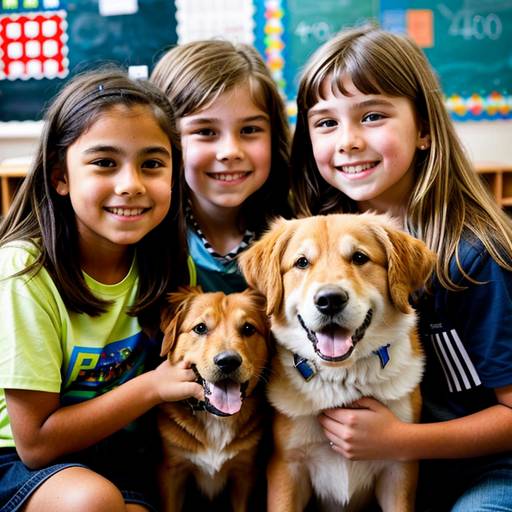
In this 60-minute lesson plan for 3rd graders, students will explore expository writing by focusing on their pets. The lesson begins with a brainstorming session to discuss pet characteristics, followed by an explanation of the structure of expository writing, including the introduction, body, and conclusion. Students will practice creating a graphic organizer as a class, which will help them outline their writing. After guided practice, they will independently write an informative piece about their own pets, using descriptive language. The lesson concludes with sharing sessions, where students can discuss their writing with peers, followed by reflections on what they learned. Assessment will include observation during activities and evaluating the written pieces based on structure, clarity, and descriptiveness. An extension activity involves creating a mini booklet that illustrates their pet alongside their writing.
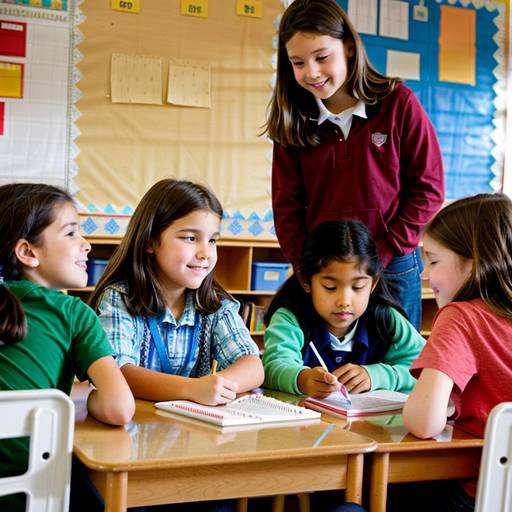
In this 2nd-grade Language Arts lesson, students will explore expository writing by focusing on a place that holds special meaning to them. The lesson begins with an introduction to expository writing and discussions about personal experiences. The teacher will model how to organize thoughts into a structured paragraph, highlighting the importance of sensory details. Students will then create a graphic organizer to outline their ideas before writing a short paragraph describing their chosen place. Once completed, they will share their writings with classmates to practice speaking and listening skills. The lesson concludes with a reflection on how expository writing allows us to convey significant information about our lives. Assessment will focus on the graphic organizers and the written paragraphs, ensuring students grasp the essential components of expository writing. Extensions include creating a class book and organizing a showcase for students to present their special places.
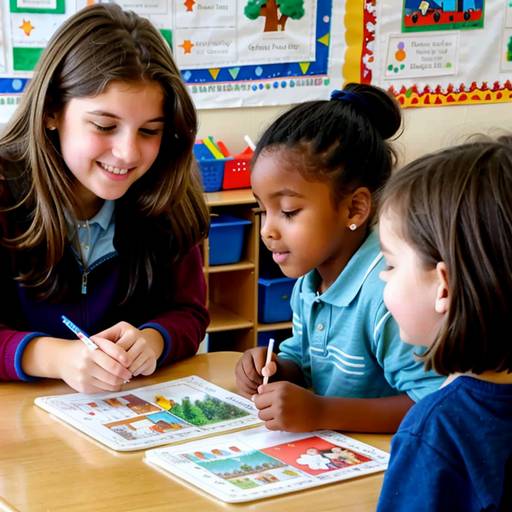
The lesson focuses on helping preschool students explore and appreciate the concept of family. It begins with an interactive circle time where children identify and share who is in their families. This is followed by a read-aloud of a story that highlights various family structures, encouraging students to think about their own experiences. Students then have the opportunity to share family photos, reinforcing vocabulary related to family members and relationships.
Next, a fun Family Bingo game engages children in recognizing different family roles and items. The lesson culminates in a creative craft activity where students create family trees or collages representing their family members, allowing for individual expression. The session wraps up with a reflective discussion, inviting students to share their learning outcomes. Throughout the lesson, diverse learning needs are accommodated, and assessments are incorporated through observation and interactive participation, ensuring a comprehensive understanding of family dynamics among the children.

This kindergarten math lesson focuses on teaching students about time and how to tell time on an analog clock. The lesson begins with an engaging discussion about the importance of time in daily routines, followed by an introduction to the clock's components, including the hour and minute hands. Through direct instruction, students learn to recognize and identify times by moving the hands on a large paper clock, reinforced by reading a story related to time management.
In guided practice, each student uses their own paper clock to replicate times called out by the teacher. During independent practice, students complete a worksheet where they create their own clocks to depict various whole hour times. The lesson concludes with a review and sharing session to reinforce their understanding. Assessment occurs through observation during practice and collection of completed worksheets. Extensions and adaptations are included to cater to different learning needs and enhance the lesson further. Overall, the lesson provides a fun and interactive way for students to grasp the concept of telling time.
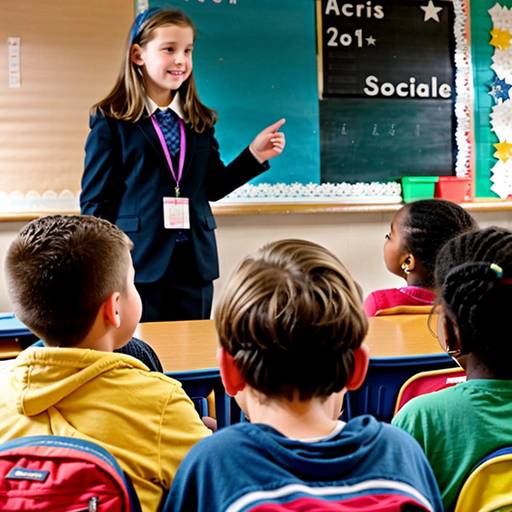
This lesson plan focuses on helping 3rd-grade students understand various roles within their community and the importance of each role in contributing to the community's well-being. The lesson begins with a read-aloud story that features different community helpers, followed by a discussion about the responsibilities associated with various occupations like doctors, firefighters, and teachers.
Students then engage in small group activities where they explore specific community roles using provided role cards. Each group chooses a role to illustrate and create a poster that includes the occupation’s name, a visual representation, and a description of how that role supports the community.
After creating their posters, students present their work to the class, fostering presentation skills and encouraging peer feedback. The lesson concludes with a recap of the key concepts learned and an exit ticket for students to reflect on their newfound knowledge. Extensions and accommodations are included to support diverse learners. Overall, the plan promotes collaboration, creativity, and an understanding of community interdependence.
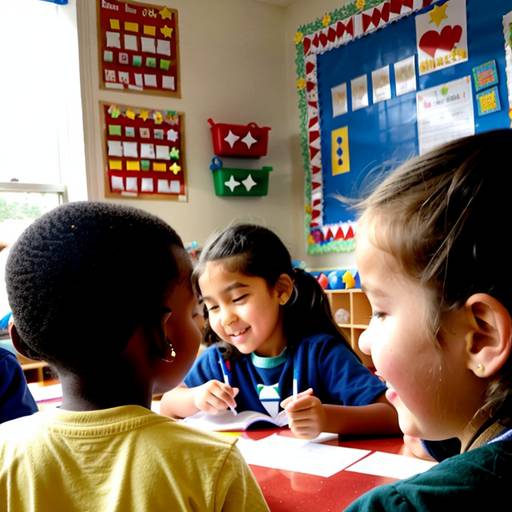
In this preschool social studies lesson, students will explore the concept of community and learn about the various roles of community helpers. The lesson begins with a group discussion on the meaning of community, followed by a story that illustrates the importance of these roles. Students engage with community helper picture cards to identify and discuss figures such as police officers, firefighters, and doctors, contributing their own knowledge to a collaborative chart.
An interactive activity encourages students to brainstorm ways they can positively impact their community, culminating in the assignment of roles for a simple community project. The lesson wraps up with a review of what they learned and recognition of their participation with stickers. Through this engaging approach, students will develop a sense of belonging and responsibility within their community, fostering an early understanding of citizenship and community engagement. Optional extensions, such as creating a mural or planning a field trip, can further enrich this learning experience.