
Filters
Level
Grade
Subject
Subject Area
Subject Topic
Standard(s)
Audience
Keyword
DurationMinutes
Lesson Plans

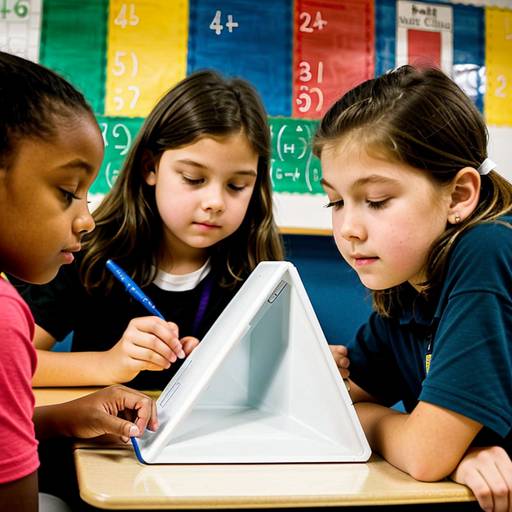
In this 5th-grade math lesson, students will explore the concepts of angles and their classifications within geometric shapes. The lesson begins with an engaging activity where students identify angles in their surroundings and learn to differentiate between acute, right, obtuse, and straight angles. Instruction follows, focusing on how to accurately use a protractor to measure angles, complemented by a class activity that allows students to practice measuring angles on a whiteboard.
After guided practice, students will receive worksheets to identify and measure angles independently. They will also engage in a creative activity where they construct geometric shapes featuring various angles, which they will then measure and classify. The lesson concludes with a review of key concepts and an exit ticket exercise where students reflect on their learning.
Assessment will be conducted through observations and the evaluation of worksheets and exit tickets. Extensions will be offered for advanced students, while additional support will be available for those who need it. Overall, this lesson aims to strengthen students’ understanding of angles and their significance in geometry through interactive and practical experiences.


This Kindergarten lesson plan focuses on introducing students to various types of animals within the realm of life science. Over the course of 60 minutes, students will explore different animal classifications—mammals, birds, reptiles, amphibians, and fish—by observing picture cards and engaging in discussions about their characteristics and habitats. The lesson includes a classification activity where students learn to identify animals by their traits, followed by a discussion on where different animals live.
Students will participate in a hands-on craft activity, creating models of their favorite animals, which reinforces their understanding of animal types. Additionally, they will collaboratively create a mural that illustrates various animal habitats, promoting teamwork and creativity. The lesson concludes with a recap and an interactive guessing game, enhancing their listening skills. Assessments include participation in discussions, craftsmanship, and contributions to group activities. Opportunities for extensions and feedback are also integrated to enrich the learning experience.
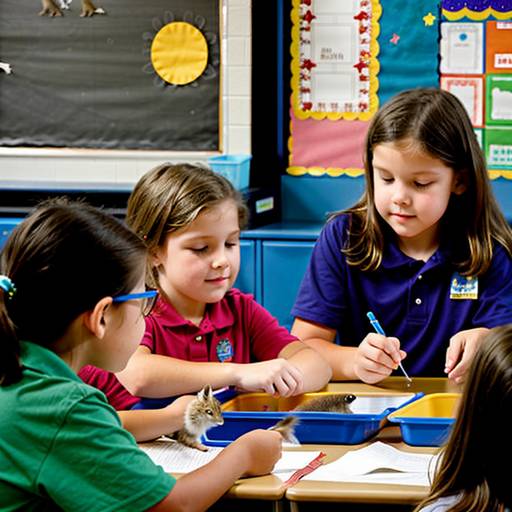
In this engaging 2nd-grade science lesson, students explore the diverse world of animals and their habitats. The lesson begins with a discussion about favorite animals, followed by a presentation of different animal types, including mammals, birds, reptiles, amphibians, and fish. Students learn about the specific needs of animals for survival, such as food, water, shelter, and air, along with adaptations like camouflage and migration.
In small groups, students participate in a matching activity where they connect various animals to their appropriate habitats, discussing why each animal is suited to its environment. Following this collaborative activity, students individually create a habitat for their chosen animal on a worksheet, incorporating key elements and explaining how their animal thrives in that setting.
The lesson concludes with students sharing their creations and insights, fostering a sense of community and encouraging curiosity about the natural world. Assessment includes participation in discussions and the evaluation of completed worksheets, ensuring that students understand the relationship between animals and their habitats. This lesson provides foundational knowledge about life science while promoting teamwork and creativity.
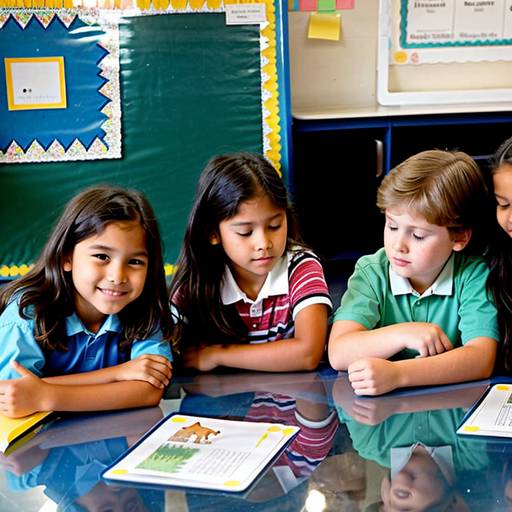
In this engaging 1st-grade science lesson, students explore the fascinating world of animals by learning about their habitats and behaviors. The lesson begins with a captivating video showcasing various animals in their natural settings, followed by a discussion that encourages students to share their observations. Through a presentation, students are introduced to different habitats like forests, oceans, and deserts, and learn how animals have unique adaptations that help them thrive in these environments.
Guided practice includes a matching game where students connect animal pictures to the correct habitat posters in small groups. They also listen to animal sounds, guessing which animals make them and discussing their behaviors. For independent practice, students create drawings of their favorite animal in its habitat, highlighting one adaptation and one behavior, which they later share with the class.
The lesson concludes with a recap of the key concepts discussed, enhancing students' understanding of animals and their environments. As a homework assignment, students are tasked with researching one animal and its habitat to present in the next class. Throughout the lesson, opportunities for observation and assessment allow the teacher to gauge student engagement and understanding of the material.


This toddler lesson plan focuses on exploring animals in nature through engaging activities designed for children ages 2-4. The session begins with a circle time where children share their favorite animals and listen to a picture book about animals. Following this, they participate in an energetic animal movement activity that encourages them to mimic different animal behaviors.
Next, children engage in a sensory exploration station featuring a habitat sensory bin, where they can discover various textures related to animals while answering guiding questions.
The lesson continues with a creative arts activity where children make animal masks or drawings, fostering their artistic expression. Once indoors, a nature walk allows toddlers to search for real animals or their signs, with an optional bingo game to enhance their observational skills.
The session concludes with a reflection period where children share what they learned, followed by a fun goodbye song that reinforces animal sounds. Materials needed include a picture book, sensory bin items, crafting supplies, and nature bingo cards. The overall aim is to instill curiosity about animals and their environments through interactive and hands-on experiences.
In this 2nd-grade science lesson, students will explore the concept of animal families and the habitats they live in. The lesson begins with a discussion about family structures, after which an engaging read-aloud of a picture book introduces various animal families and their caregiving roles. Following the story, students will engage in a discussion about different habitats such as forests, deserts, and oceans, and which animal families inhabit those environments.
In small groups, students will create posters that highlight specific animal families, including their names, images, habitat information, and details about how they care for their young. Groups will then present their posters to the class, promoting collaboration and communication skills. The lesson concludes with individual worksheets where students will write and illustrate something new they learned about an animal family.
Overall, this lesson is designed to foster curiosity about life science while helping students understand the relationships between animals and their environments through hands-on activities and group collaboration.

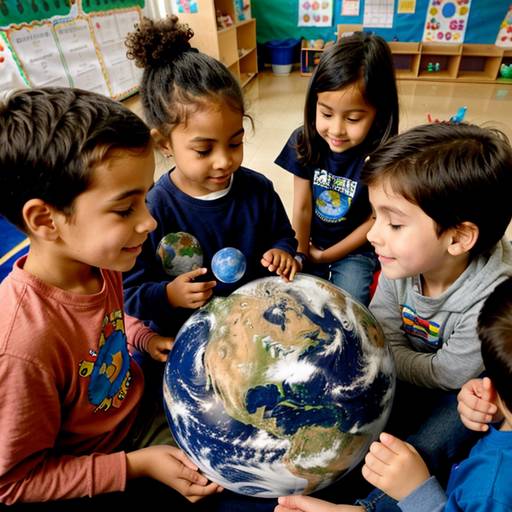
In this preschool science lesson, students will explore the relationship between various animals and their natural habitats, along with the importance of environmental conservation. The session begins with a group discussion where students share what they know about animals and their living environments. A selected picture book is read aloud to introduce different species and their homes, fostering engagement and critical thinking through guided questions.
Following the story, an interactive exploration of a large map illustrates diverse habitats, showcasing how specific animals adapt to their surroundings. Students then participate in a creative craft activity, where they design their own animals and their respective homes, considering the needs of each species.
To conclude the lesson, students share their creations and discuss the importance of protecting animal habitats. The lesson wraps up with a discussion on simple environmental actions that can help safeguard the planet for all living creatures. Through this engaging, hands-on approach, young learners will gain a foundational understanding of biodiversity and the significance of caring for the environment.

In this Kindergarten science lesson, students explore the concept of animal habitats and their importance in the lives of various animals. The lesson begins with a discussion about what habitats are and why they are essential for animals. After a read-aloud session featuring a picture book about animals and their homes, students engage in an interactive discussion that connects different animals to their respective habitats.
To reinforce their understanding, students then participate in a hands-on activity where they create dioramas representing a chosen habitat, incorporating at least two animals that belong there. This creative project allows them to express their knowledge visually while practicing fine motor skills. As a culmination of the lesson, students share their dioramas with the class and discuss their creations, facilitating peer interaction and reinforcing their learning. The lesson is designed to foster curiosity about the natural world while developing observation and communication skills. Adaptations and extensions are included to accommodate different learning styles and promote further exploration.
In this preschool lesson, students will embark on an engaging exploration of animal habitats and behaviors. The session begins with a circle discussion where children share their favorite animals and where they believe these animals live. Following this, students participate in a habitat sorting game where they categorically sort animal picture cards into labeled bins representing different habitats such as forests, oceans, deserts, and savannahs.
Next, students have the opportunity to interact with sensory bins filled with materials that mimic different habitats, allowing them to play imaginatively with plastic animal figures and discuss animal behaviors in these environments.
The lesson continues with a creative art project where children create dioramas of their chosen habitat, incorporating animals and plants relevant to that ecosystem. As they share their dioramas, students reflect on their learning about animals and environmental care. The lesson concludes with an optional extension where children can read a book or watch a video about habitats, reinforcing their newfound knowledge while promoting curiosity and appreciation for wildlife. Overall, this lesson aims to inspire a sense of wonder and responsibility for the natural world among young learners.
This preschool science lesson is designed to introduce young children to various animals and their habitats through an engaging and interactive experience. The lesson begins with a circle time discussion about what a safari is and includes a read-aloud story that features different animals, fostering language development and participation.
Students will explore animal identification through the use of plush toys or cut-outs and engage their listening skills with animal sound recordings. A movement activity encourages them to mimic animal behaviors, enhancing gross motor skills. Creativity is further fostered with a craft time where children create drawings of their favorite animals or their habitats, allowing for personal expression and art sharing.
The lesson concludes with a reflection period where children discuss their artwork and share what they've learned. Through these activities, children develop observational skills, improve language abilities, and learn about the importance of animals and their environments, all while having fun in a structured and supportive setting.