
Filters
Level
Grade
Subject
Subject Area
Subject Topic
Standard(s)
Audience
Keyword
DurationMinutes
Lesson Plans

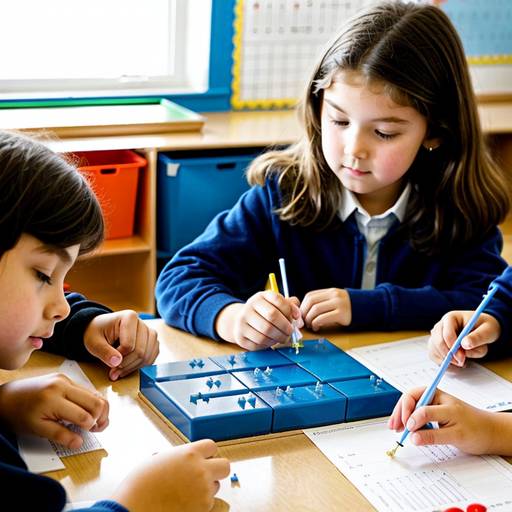
In this 4th-grade math lesson, students are introduced to the concepts of measurement and volume. The lesson begins with a discussion on real-life applications of measurement, followed by direct instruction on using standard units such as cups, pints, quarts, and liters. Students are then divided into small groups for a hands-on activity where they measure the volume of various containers using measuring cups and record their findings, while also practicing unit conversions. After the group activity, students participate in a class discussion to share their discoveries and challenges. The lesson concludes with an assessment in the form of a worksheet that includes volume-related problems and word problems. Throughout the lesson, differentiation strategies are incorporated to meet the diverse needs of students, ensuring all can engage with the material effectively. Reflection on student engagement and understanding is encouraged for future lesson adjustments.


In this 3rd-grade language arts lesson, students will focus on expository writing by crafting a paragraph about their dream vacation. The lesson begins with a discussion about vacations, brainstorming locations, activities, and experiences while using visual aids to inspire creativity. Students will utilize a graphic organizer to structure their thoughts before independently writing a detailed paragraph that includes descriptive language to help readers visualize their ideas. After completing their writing, they will illustrate a scene from their vacation. The lesson concludes with select students sharing their work, emphasizing the importance of vivid details. Assessment will be based on criteria such as clarity, descriptive language, and organization. Extensions and adaptations are provided to ensure all learners can engage with the material effectively.

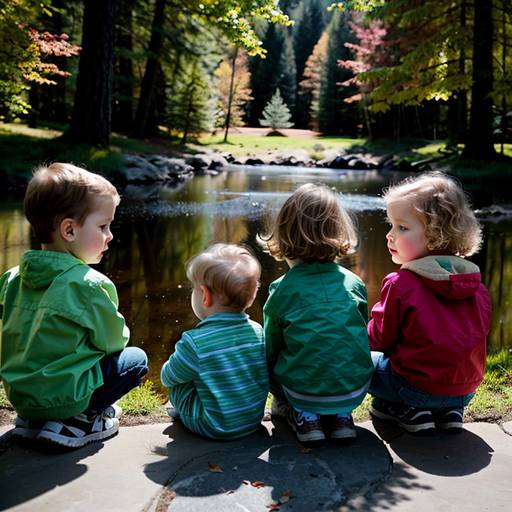
This lesson plan is designed for toddlers to explore and understand the concept of seasons through interactive activities. The session begins with a circle time discussion where children are introduced to the four seasons using visual aids. A short story is read to highlight the characteristics of each season, followed by a sorting activity that involves seasonal clothing items, helping toddlers recognize what to wear during different times of the year.
The lesson includes a nature exploration segment where children can feel natural items representative of each season, such as leaves and flowers. Following this, a creative art activity allows toddlers to express their favorite season through drawings. The lesson concludes with a closing circle, where children share their favorite season and reflect on what they learned. Extension activities encourage further exploration of seasonal changes in nature. Overall, the plan combines discussion, hands-on learning, and artistic expression to engage toddlers in understanding the beauty and diversity of the seasons.
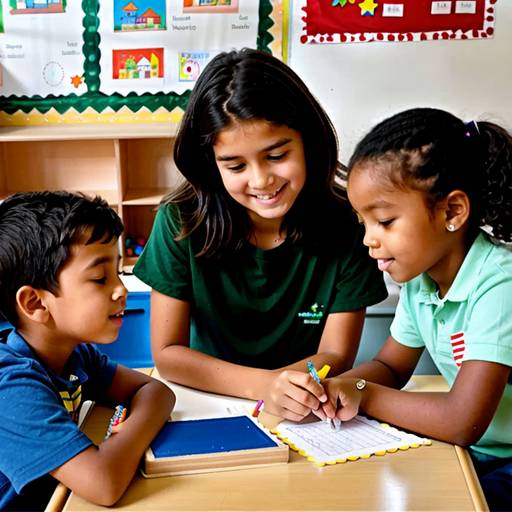
In this preschool language lesson, students will focus on recognizing and using new sight words and vocabulary through a series of engaging activities. The lesson begins with a warm-up song and an introduction to sight words using flashcards, encouraging repetition and discussion about their meanings.
Next, a storybook that incorporates the sight words will be read aloud, with interactive elements that prompt students to identify and say the sight words as they appear.
Following the story, students will participate in a “Sight Word Bingo” game, reinforcing their recognition of the words in a fun and competitive manner. The lesson will then transition to a vocabulary exploration activity, where students will engage with mystery objects related to the sight words, encouraging them to describe and connect the objects to the vocabulary they are learning.
To reinforce creativity and understanding, students will have an opportunity to draw something related to a chosen sight word and share their artwork with the class. The session will conclude with a reflective discussion about the day’s learning and a reminder to share new vocabulary with family members at home. Throughout the lesson, informal assessments will be conducted to monitor participation and understanding.
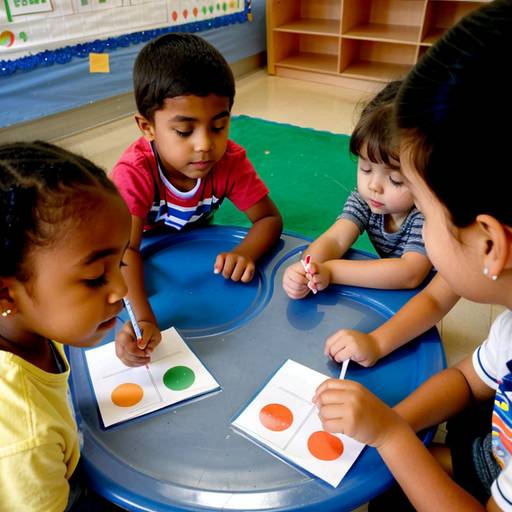
This preschool lesson focuses on introducing new vocabulary and sight words to young learners. It begins with a circle time where students engage with flashcards displaying key sight words, practicing pronunciation and discovering their meanings through corresponding picture cards. An interactive storytime follows, where a carefully chosen book featuring these sight words is read aloud, inviting students to participate by spotting and repeating the words.
Students then take part in a word hunt activity, matching sight word flashcards with picture representations, reinforcing their understanding through hands-on engagement. The lesson concludes with a sharing session, allowing children to express their favorite new words, followed by positive reinforcement in the form of stickers for their participation.
Throughout the session, informal assessments occur, gauging students' recognition and pronunciation of the words, with encouragement to continue practicing at home. Additional suggestions for future activities include creating a word wall and incorporating sight word games to further enhance literacy skills in a playful and interactive manner.

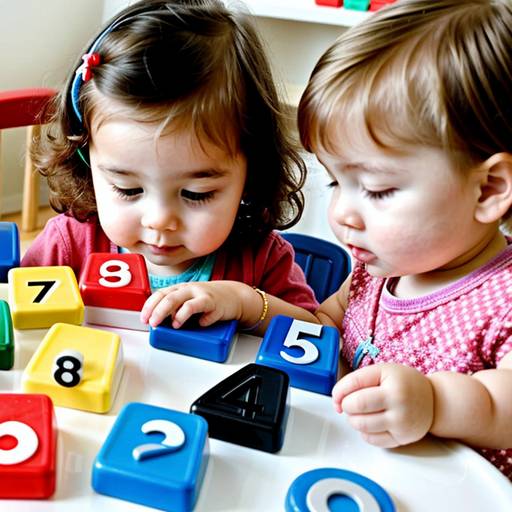
This lesson plan focuses on introducing toddlers to the concepts of numbers and counting through interactive and engaging activities centered around number patterns. The session begins with a counting exercise using colorful bears or blocks, allowing children to actively participate by counting together. Next, toddlers engage in an interactive activity where they create and extend simple patterns with their own counting materials. A group counting game with flashcards reinforces their understanding of numbers 1 to 5 in a playful manner. The lesson also includes a creative art activity, where children draw and color patterns collaboratively, fostering their creativity and group participation. To conclude, the toddlers gather in a circle to review what they learned, culminating in a lively counting song that reinforces the concepts covered. Throughout the session, the emphasis is on celebration and positive reinforcement, ensuring that each child feels confident in their abilities. The plan also suggests extensions for future lessons, encouraging continued exploration of numbers through different objects and activities.

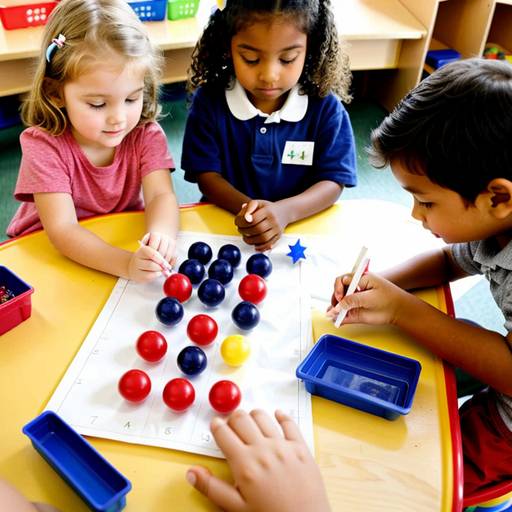
This preschool math lesson focuses on developing early counting skills through a series of interactive activities that engage children in recognizing and understanding numbers up to 10. The lesson begins with a gathering where students learn about the day's theme. They participate in interactive counting using manipulatives, followed by a storytime session that includes a counting book, allowing for group counting and comprehension questions.
Next, the children enjoy a movement-based counting song that incorporates physical actions, reinforcing their counting in a fun way. Following the song, they create their own artwork by drawing items based on number prompts, which provides an opportunity for individual expression and counting practice. The lesson concludes with a group review where students reflect on their learning and share their drawings.
Throughout the session, children are encouraged to engage with counting concepts and collaborate with peers, supporting both cognitive and social development. Observation of participation and understanding serves as a basis for assessing learning outcomes. The lesson is designed to be adaptable based on the children's interests and needs, ensuring an enjoyable and educational experience.
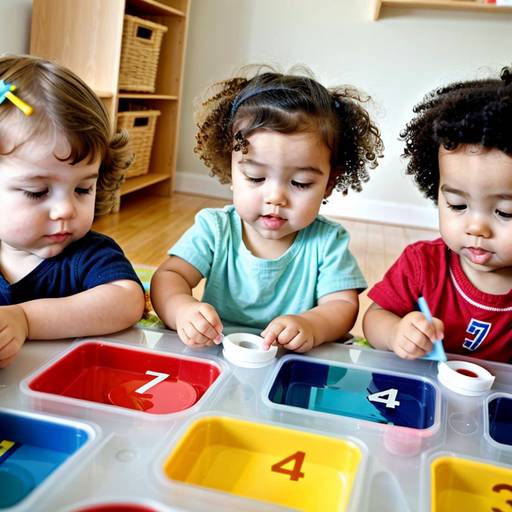
This lesson plan focuses on introducing toddlers to basic number operations—addition and subtraction—through engaging and interactive activities. It begins with a welcome circle where children learn and repeat numbers, followed by a hands-on counting activity using manipulatives. Small groups of children create combinations of blocks, practicing addition. The session includes a story about a monster and cookies to illustrate concepts visually. Children then express their creativity by drawing their favorite numbers and representing them with objects. The lesson concludes with a review discussion and a festive counting song. Throughout the activities, children's engagement and understanding are assessed, and opportunities for further exploration in a designated math corner are provided. The overall aim is to make learning math fun and relatable for young children.
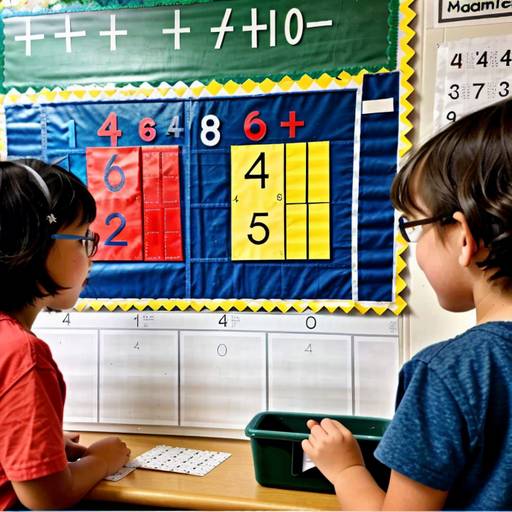
In this kindergarten math lesson, students will explore the concept of addition using a number line as a visual tool. The lesson begins with an engaging introduction where students discuss what addition means and learn about the structured layout of the number line.
Through direct instruction, the teacher demonstrates a simple addition problem, guiding students through the process of finding numbers and making jumps to illustrate addition visually. During guided practice, students will actively participate by selecting number cards and working with partners to create their own addition problems, using the floor number line to demonstrate their results through physical movement.
Independent practice allows students to solidify their understanding by completing worksheets that involve drawing jumps on a number line for given addition problems. The lesson concludes with a recap of key concepts and sharing of experiences, reinforcing learning through group discussion and celebration of participation with rewards.
Throughout the lesson, the teacher will assess student understanding through observation and worksheet completion, ensuring that all learners receive the support they need, with modifications available for diverse learning needs. Follow-up activities will further extend their grasp of addition and encourage creative expression.

In this technology lesson for 3rd graders, students will learn about online safety and the significance of privacy settings. The session begins with discussions about digital footprints, helping students understand the trail of information they leave while using the internet. The teacher will guide them through adjusting privacy settings on a child-friendly website and highlight the importance of safeguarding personal information.
Students will participate in an interactive activity where they categorize different websites as “Safe” or “Not Safe” based on features that contribute to online safety. The lesson concludes with a recap of key concepts and a short quiz to assess their understanding. Throughout the lesson, adaptations will be made to support diverse learners, ensuring that all students can engage with the material. Students are encouraged to share their new knowledge with family members, reinforcing the continuous importance of staying safe online.