
Filters
Level
Grade
Subject
Subject Area
Subject Topic
Standard(s)
Audience
Keyword
DurationMinutes
Lesson Plans
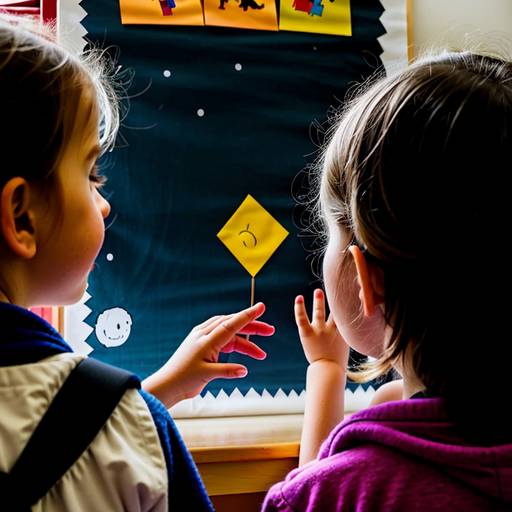
This preschool lesson plan focuses on enhancing language arts skills through an engaging storytime experience. The session begins with a warm welcome and a brief introduction to the story, stimulating children's curiosity. As the chosen picture book is read aloud with enthusiasm, interactive elements like props and visual aids are integrated to keep students engaged and help them visualize the narrative.
Following the reading, a comprehension check is conducted using open-ended questions that encourage critical thinking about the story. The lesson then transitions into a pre-reading activity, featuring a sound game that reinforces vocabulary and encourages phonemic awareness through familiar items. Students also participate in a rhyme exercise to further develop language skills.
In a collaborative group activity, children create their own ending to the story, with their ideas documented on a whiteboard and illustrated on paper. The session concludes with a sharing time for students to present their drawings and a farewell song, reinforcing the day's learning and encouraging a love for reading at home. Overall, this lesson promotes listening comprehension, vocabulary development, and creative thinking while fostering an enjoyable and dynamic learning environment.

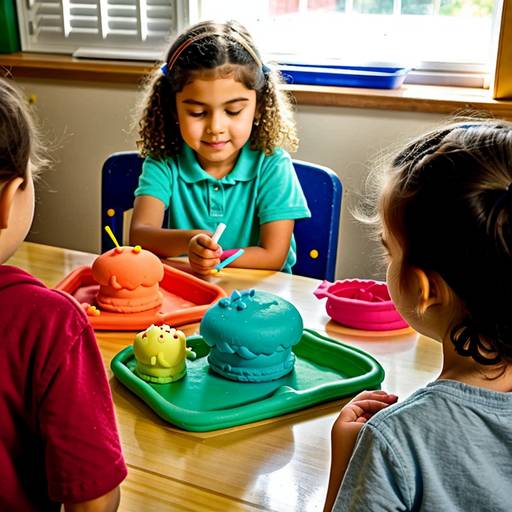
In this preschool art lesson plan, children aged 3 to 5 will engage in creating three-dimensional animal sculptures using playdough. The session begins with an interactive discussion about sculptures and their unique characteristics, followed by drawing their favorite animals to inspire their creations. A demonstration highlights fundamental techniques for manipulating playdough, such as rolling and molding.
During the main activity, children will use their imagination and fine motor skills to craft their own unique animal figures, with guidance and support provided as needed. Once their sculptures are complete, students will present their creations to the group, sharing inspiration and details about their designs. The lesson concludes with a group reflection and cleanup, promoting responsibility among the children. The plan also includes suggestions for extending the activity, such as creating a display gallery for parents and incorporating storytime to further enrich the learning experience. Throughout the lesson, emphasis is placed on creativity, engagement, and the development of artistic skills.

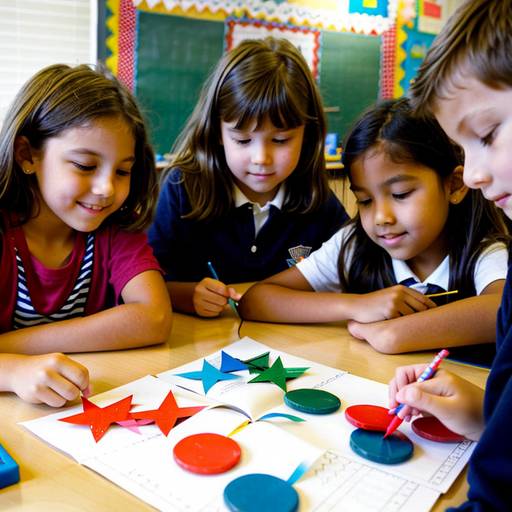
In this 2nd Grade Language Arts lesson, students will explore the fundamentals of storytelling through writing and creative expression. The lesson begins with a discussion about what elements make up a great story, prompting students to think about characters and settings. Working in small groups, students will brainstorm ideas using a selection of word bank cards, which will help inspire their unique narratives.
After collecting their ideas, students will fill out story templates to craft short narratives, incorporating descriptive language and at least one word from the provided banks. Once their stories are written, they will share them with partners or in small groups to practice their oral storytelling skills. The lesson concludes with a recap of key storytelling elements, reinforcing that everyone has the ability to be a storyteller. Assessment will focus on participation during activities, the content of written narratives, and engagement during sharing. Differentiation strategies will be provided to support varying levels of proficiency among students.

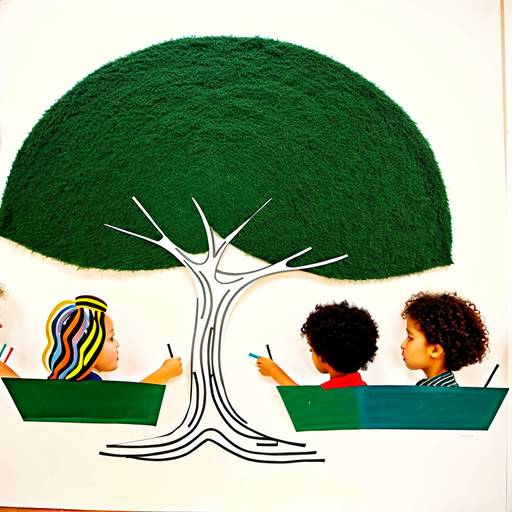
In this Kindergarten art lesson, students will explore basic art techniques through drawing inspired by nature. The session begins with a discussion to enhance observation skills, prompting students to identify lines and shapes in natural objects. Following this, the teacher demonstrates how to create simple drawings using basic shapes and lines. Students will then engage in a hands-on activity, either outdoors or with available nature objects, to create their own artwork incorporating these elements. The lesson concludes with a sharing session, where students present their creations and reflect on what they have learned. Assessment will focus on their ability to utilize lines and shapes in their drawings and their engagement during discussions. Extensions like adding texture to their artworks are also included to encourage creativity. The lesson aims to foster artistic expression and promote a supportive art community among students.
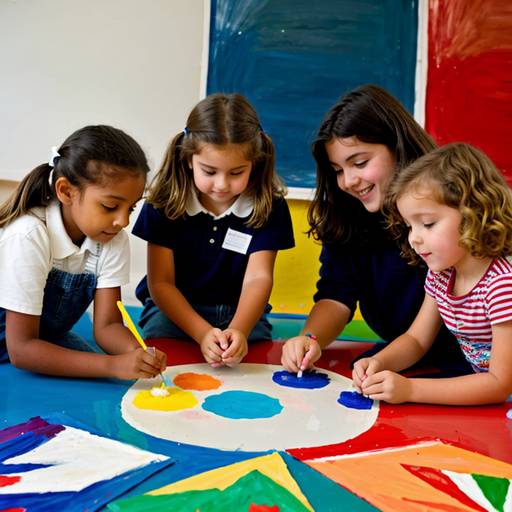
In this preschool art exploration lesson, students will engage in hands-on activities that promote creativity and understanding of colors and shapes. The lesson begins with an introduction to various colors and shapes, encouraging children to identify and discuss them. They will then participate in a color mixing activity using watercolor paints, where they will experiment with blending colors and creating new hues on paper. Following this, students will use crayons and colored construction paper to trace, cut out, and decorate geometric shapes, assembling these into a collaborative collage.
Throughout the activities, children will be encouraged to express themselves, share their creations, and reflect on their artistic choices, fostering both verbal communication and fine motor skills. The lesson concludes with a group discussion about their experiences, reinforcing their learning and appreciation for art. Cleanup procedures will also be included to instill responsibility and organization. Overall, this lesson aims to cultivate an environment of creativity and self-expression while providing practical experience with art techniques.
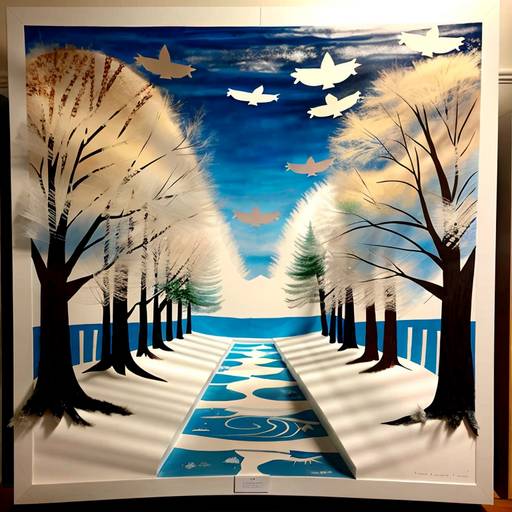
In this 1st-grade art lesson, students will explore the concept of mixed media by creating their own imaginative artworks. The session begins with a brief introduction to mixed media, showcasing various materials like paper, fabric, and magazine cut-outs. After a demonstration on how to layer these elements for depth and texture, students will embark on creating their whimsical worlds, starting with a colorful background and incorporating diverse materials. Throughout the activity, they will be encouraged to think creatively and express their individual ideas. The lesson concludes with students sharing their artworks with the class, discussing their inspiration and the materials they used, fostering reflection on the creative process. Assessment will focus on students' engagement, creativity, and the use of multiple media. Adaptations are also provided to ensure all learners can participate effectively.

In this 4th-grade art lesson, students will explore painting techniques through the creation of imaginative landscapes. The lesson begins with a discussion about various fantasy landscape images to spark creativity and inspiration. Students will learn and practice techniques such as blending, layering, and texturing as they develop their own unique compositions. After brainstorming and sketching their ideas, students will transfer their designs onto watercolor paper or canvas and begin painting, applying the techniques they've learned. As they work on their landscapes, the teacher will provide individual feedback and support. The lesson will conclude with a reflection, where students will share their experiences and insights about their artwork. Completed paintings will be showcased, allowing students to celebrate their creativity and artistic expression. Overall, the lesson emphasizes the importance of creativity while helping students build their technical skills in painting.

This lesson plan focuses on enhancing listening skills in infants aged 6-12 months through engaging sound exploration activities. The objective is to promote attention and appreciation for various sounds in their environment. The session begins with a warm welcome and soft background music to create a calming atmosphere.
The first activity involves a "Sound Box," where infants interact with different sound-making objects like rattles and bells, encouraging them to explore and make noise. Next, a sound-themed storytime highlights animal and environmental sounds, inviting infants to respond to and recognize the auditory cues presented.
The lesson also includes a "Sound Guessing Game," where caregivers help infants listen to sounds and identify them through visual prompts. To conclude, a gentle lullaby encourages relaxation, and caregivers are engaged in a discussion about their infants' responses.
Overall, the lesson fosters foundational listening skills critical for language development while encouraging caregivers to continue sound exploration at home. Follow-up activities include suggestions for home sound exploration and maintaining a "Sound Diary" to record infants' reactions to different sounds.

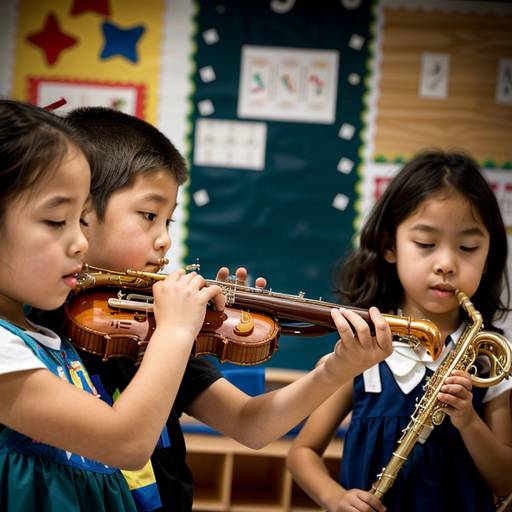
In this Kindergarten music lesson, students will explore the world of woodwind instruments through a variety of engaging activities. The lesson begins with an introduction to different woodwind instruments using pictures and sound clips, encouraging students to share their experiences and preferences. Next, students will participate in a listening activity where they identify sounds and movements inspired by each instrument, showcasing their creativity through movement exercises with colorful scarves.
The lesson includes a hands-on craft activity where students create their own simple woodwind instruments using paper straws, allowing them to experiment with producing sounds and different pitches. To wrap up, the class will engage in a discussion to reflect on their favorites and what they learned throughout the lesson. Overall, the plan aims to promote an understanding of music and rhythm while fostering creativity and collaborative learning among students.

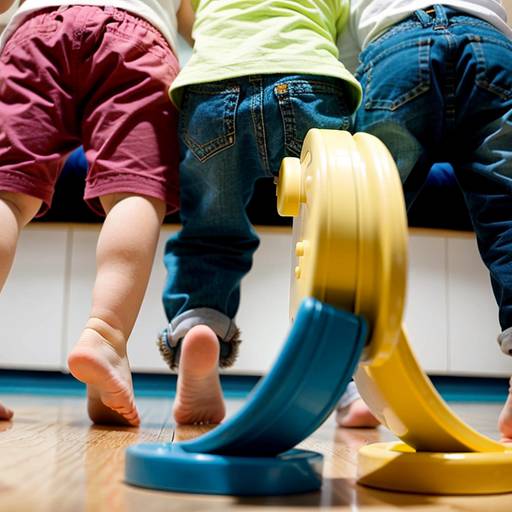
This lesson plan focuses on enhancing gross motor skills for toddlers through a series of engaging tumbling activities. Designed for children aged 18 months to 3 years, the lesson lasts for 30 minutes and emphasizes body awareness, spatial orientation, and social interaction.
The session begins with an introduction and a fun song to warm up the children, followed by a series of rotating activity stations that include rolling and crawling on mats, hopping between hula hoops, balancing on foam blocks, and using scarves for dynamic movement. Each station allows toddlers to explore their physical abilities in a safe and playful environment.
After the individual activities, the group participates in a "tumbling train," which fosters cooperation as they navigate an obstacle course together. The lesson concludes with a calming cooldown period where children can reflect on their experiences. Throughout the session, observers will assess the children's engagement, participation, and ability to follow directions, ensuring that safety remains a top priority.