
Filters
Level
Grade
Subject
Subject Area
Subject Topic
Standard(s)
Audience
Keyword
DurationMinutes
Lesson Plans

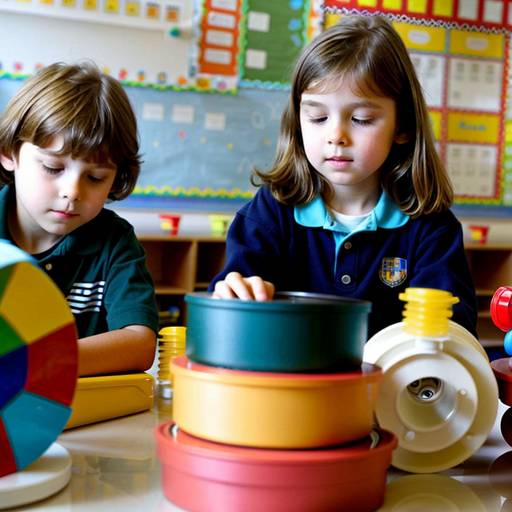
This 1st-grade science lesson focuses on introducing students to the concepts of motion in physical science. The lesson begins with a discussion about what motion is, using simple vocabulary such as push, pull, roll, slide, and stop. Students engage in hands-on activities where they experiment with various objects, including toy cars and balls, to observe how they move when pushed or pulled. Groups are formed to facilitate collaborative exploration, allowing students to work with ramps and different surfaces to see how objects roll, slide, and respond to force. The lesson encourages students to share their findings, reinforcing their understanding and vocabulary. As a wrap-up, students complete a worksheet to illustrate the different motions they explored. The lesson promotes engagement through interactive activities, group collaboration, and encourages critical thinking about everyday motion. Extensions and differentiation strategies are included to accommodate various learning needs.
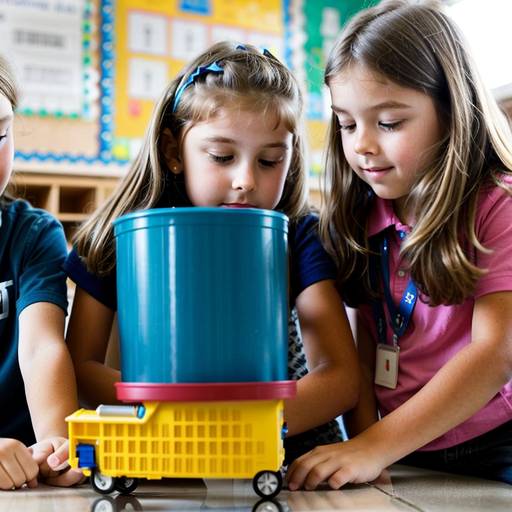
In this 2nd-grade science lesson, students will explore the concepts of motion and force through interactive activities. They will begin with a discussion about motion, sharing examples and learning key vocabulary such as push, pull, speed, and direction. The teacher will explain different types of motion, including linear and circular motion, using toy cars and spinning tops for demonstration.
Students will then engage in hands-on experiments at various stations, where they will roll toy cars down a ramp while timing their speed, push and pull different sized balls to compare the effort required, and create drawings to reflect their observations about motion. After rotating through the stations, the class will regroup to share their findings and insights.
The lesson focuses on fostering understanding of how forces affect motion while encouraging teamwork and discussion. Assessment will be based on student participation during activities and the reflection worksheets they complete.

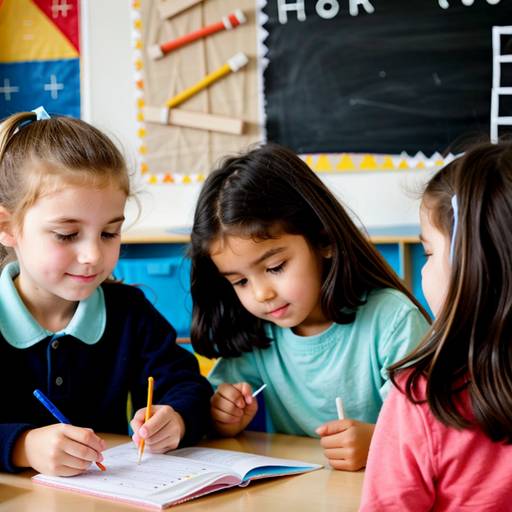
The lesson focuses on developing preschool students' spatial awareness skills through interactive activities that encourage the use of spatial vocabulary. Students will begin by discussing and demonstrating terms such as "above," "below," "next to," "in front of," and "behind." They will engage in a fun obstacle course designed to help them navigate their environment using these concepts.
Following the physical activity, students will create their own drawings of familiar spaces, labeling their artwork with the spatial vocabulary they learned. The lesson concludes with a group discussion to reinforce their understanding and encourage sharing. Throughout the activities, teachers will assess students' grasp of spatial relationships and their ability to communicate effectively. Adaptations are included to support varying skill levels and enhance engagement.

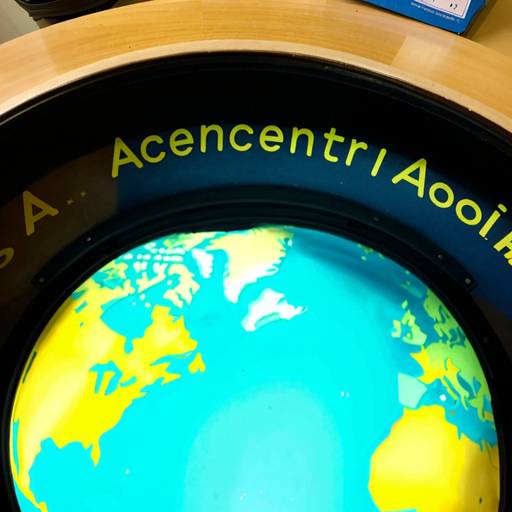
In this kindergarten social studies lesson, students will explore the concepts of maps and geography. The class will begin with a discussion about maps, focusing on their purpose and key features such as titles, symbols, legends, and directions. Using a large world map and a local neighborhood map, students will learn to identify and interpret various map elements.
During guided practice, students will work in small groups to create a simple map of their classroom, incorporating important features and symbols. Following this, each student will individually draw a personal map of their home or bedroom, labeling significant items and using symbols as needed.
To conclude the session, students will share their maps with the class, fostering a sense of community and reinforcing their understanding of map features. Throughout the lesson, the instructor will assess student engagement and comprehension, ensuring a grasp of the mapping concepts introduced. The lesson may also include extensions, such as introducing digital maps or organizing a "Map Walk" to further solidify the students' understanding of mapping in real-world contexts.


This lesson plan focuses on enhancing infants' sensory development through the exploration of different smells. Aimed at children aged 6-12 months, the session encourages interaction between infants and their caregivers as they discover various scents using safe, non-toxic materials, such as vanilla, lemon, lavender, and cinnamon.
The activity begins with an introduction to the theme and a brief discussion about the importance of scents in daily life. Infants and caregivers then participate in rotating through scent stations, where they can smell and explore different fragrant items while caregivers note their infants' reactions. The lesson promotes sensory integration by calming the infants with a comforting scent towards the end.
Concluding the session, caregivers share insights about their infants' preferences, and everyone engages in a song related to scents, fostering a joyful atmosphere. Safety measures ensure a secure environment throughout the activity, while caregivers receive take-home suggestions for further scent exploration at home, paving the way for continued sensory development in everyday life.

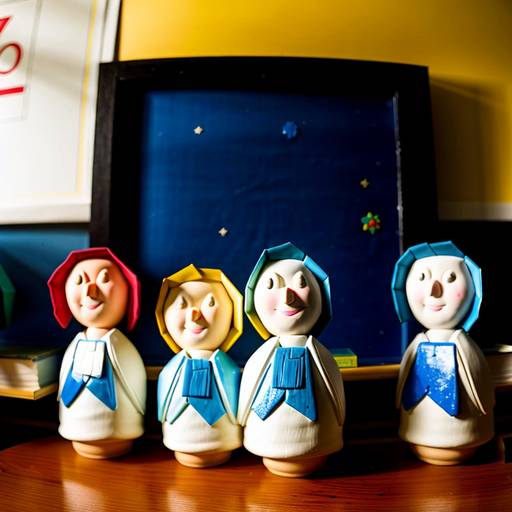
In this 4th-grade art lesson focused on ceramics, students will explore the world of clay sculpture by creating imaginative creatures. The lesson spans two class periods, allowing students to first sketch their ideas and then sculpt their creations using basic hand-building techniques such as pinch pots and coil building. They will be introduced to different forms of clay art, with opportunities for experimentation and expression.
In the first class, students will engage in sketching their plans based on inspirations from animals and mythical beings, followed by hands-on sculpting time where they can bring their ideas to life. During the second class, they will learn about surface decoration and glazing techniques or painting if using air-dry clay. Throughout the process, students will share their creations, reflecting on their artistic journey and the challenges they faced. This lesson not only promotes creativity and fine motor skills but also encourages collaboration and communication through peer critiques and group discussions. The completed sculptures can be displayed, celebrating the students' imaginative spirit and artistic achievements.
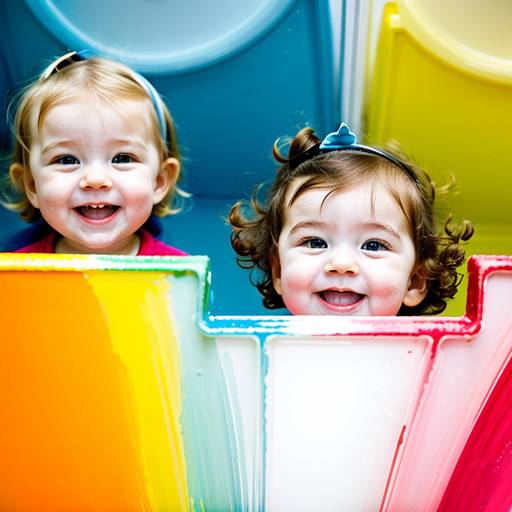
In this engaging lesson plan designed for toddlers aged 2-4 years, students are introduced to the concepts of colors and shapes through hands-on activities focused on color mixing. The lesson begins with a discussion where children identify primary colors and learn about mixing them to create new hues. A color mixing demonstration follows, where students observe how combining colors transforms them.
Next, each child engages in a hands-on activity using primary colored paints to experiment with mixing, encouraging creativity and exploration. They also color worksheets featuring simple shapes, reinforcing their understanding of both colors and shapes.
The lesson concludes with a clean-up session and a group discussion, allowing children to share their experiences and insights. Optional extensions provide opportunities for continued exploration of color mixing and shape recognition throughout the week, fostering a vibrant and interactive learning environment that promotes cognitive development and fine motor skills.
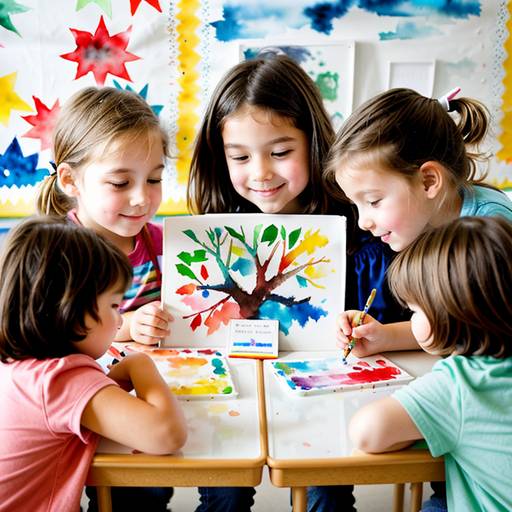
This kindergarten art lesson focuses on introducing students to watercolor techniques and the creative process of painting. The lesson begins with a discussion about watercolor painting and a presentation on the color wheel, highlighting primary and secondary colors. Following this, the teacher demonstrates essential watercolor techniques, including wash, blending, and creating texture.
Students are then guided to choose a simple nature scene to inspire their artwork, sketching their ideas lightly on watercolor paper. They are given time to independently paint their scenes, encouraging the use of the techniques learned and exploration of color mixing. Throughout the painting process, the teacher circulates to provide support and feedback.
After the painting session, students participate in a clean-up and then gather to share their creations with the class, explaining their artistic choices and techniques used. The lesson promotes creativity, self-expression, and introduces foundational skills in watercolor painting, while also encouraging peer sharing and appreciation of diverse artistic interpretations. Extensions are provided for early finishers and those wishing to integrate storytelling into their art.

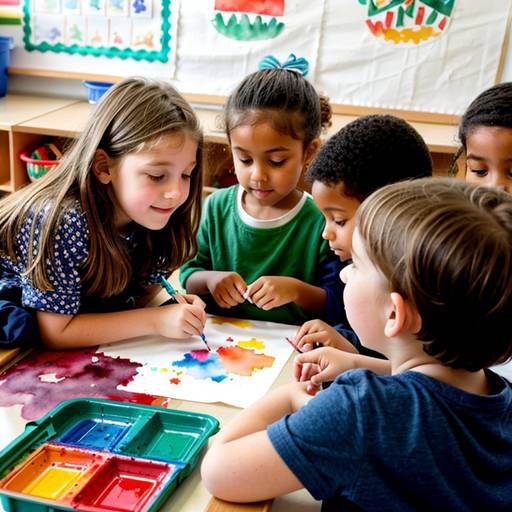
In this preschool art lesson, students will explore watercolor painting by learning about color mixing, brush techniques, and self-expression through creative art-making. The session begins with an introduction to watercolor materials, followed by a demonstration on how to properly use brushes and mix colors. After practicing on scrap paper, students will create their own watercolor masterpieces, using their imagination to express their unique ideas. The lesson concludes with a clean-up session and a reflection period, where students share their artwork with the group. The lesson emphasizes creativity, experimentation, and positive reinforcement, providing adaptations for varying skill levels and offering extension activities to showcase their work.
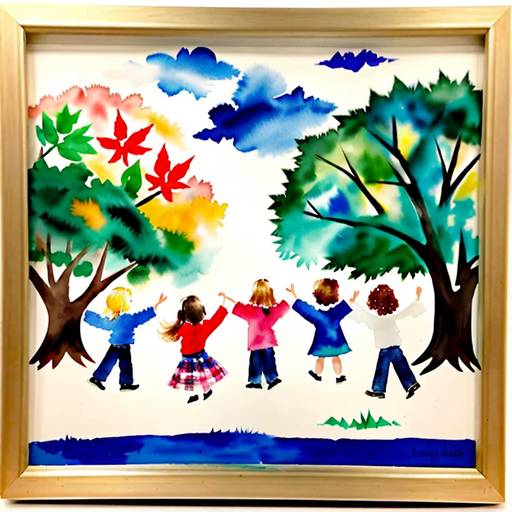
In this 1st Grade art lesson, students will explore watercolor painting techniques while creating nature-themed artwork. The lesson begins with an introduction to various watercolor paintings, encouraging discussion about colors and shapes found in nature. A hands-on demonstration will follow, showcasing essential techniques such as wet-on-wet, wet-on-dry, and color blending. Students will then sketch their chosen nature scenes before independently applying their watercolor skills to bring their ideas to life. The lesson concludes with a sharing session where students present their paintings, reflecting on their artistic choices and experiences. Assessments will focus on creativity, color usage, and technique application, with optional extensions for further exploration of watercolor effects.