
Filters
Level
Grade
Subject
Subject Area
Subject Topic
Standard(s)
Audience
Keyword
DurationMinutes
Lesson Plans

In this 60-minute math lesson for 3rd graders, students will explore the concepts of time and time zones through engaging activities and discussions. The lesson will begin with an introduction to measuring time and understanding the distinction between AM and PM. Following this, students will learn about time zones, using a world map to visualize how different regions experience time differently.
In small groups, students will participate in a trivia game where they share fun facts about various countries and their time zones. This will be complemented by a time conversion exercise, where students will practice calculating time differences through worksheets and interactive digital tools. The lesson will conclude with a review of key concepts, allowing students to share their learnings and ask questions.
Assessment will include the collection of worksheets and exit tickets, which will provide insight into students' understanding and areas for further exploration. Extensions may cover advanced topics such as daylight saving time, and adaptations will be available for students who require additional support. Overall, the lesson aims to provide a comprehensive understanding of time and foster problem-solving skills related to time calculations.
In this 3rd-grade math lesson, students will explore the concepts of measuring time and length using inches and minutes. The session begins with an introduction to telling time on both analog and digital clocks, allowing students to practice reading time in pairs. Next, they will learn how to use rulers to measure various classroom objects in inches, engaging in hands-on activities. Students will work in small groups to measure items and time activities, such as counting how many jumping jacks they can perform in one minute. The lesson concludes with individual worksheets to assess their understanding of time and measurement. The instructor will provide adaptations for diverse learning needs and end the lesson with a review to reinforce the concepts learned. Through interactive approaches, students will gain practical skills applicable to everyday situations.

This 4th-grade social studies lesson focuses on understanding timelines and their significance in organizing historical events. Students will learn about key moments in American history, such as the signing of the Declaration of Independence and the Civil Rights Movement. Through a collaborative activity, they will create a class timeline, placing events in chronological order. Afterward, each student will design their own individual timeline, showcasing at least five significant historical events learned during the lesson. The objectives include enhancing students’ comprehension of time, continuity, and change, while encouraging creativity and critical thinking. The lesson will conclude with a reflection on the importance of timelines in helping to understand the past and make connections to the future. Assessment will be based on participation and the accuracy and creativity of the students' timelines. Extensions and differentiation strategies are included to cater to various learning needs.
In this 2nd-grade social studies lesson, students explore the concept of timelines and their significance in understanding history. The lesson begins with a discussion about time and the importance of historical awareness, followed by an introduction to timelines through examples of significant events. Students then participate in a collaborative group activity where they create timelines of their own lives, identifying important personal milestones. Each group presents their timeline, fostering engagement and discussion among classmates. The lesson concludes with a recap of the timeline's importance, and students are assigned a worksheet to reflect on a historical event at home. Assessment includes observation of group collaboration, evaluation of the completed timelines, and review of individual worksheets. Differentiation strategies are provided to support diverse learning needs. Overall, the lesson aims to connect personal history with broader historical contexts.
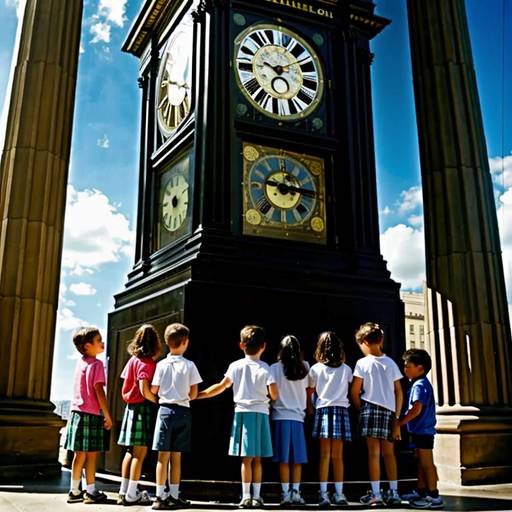
In this 2nd-grade math lesson focused on the concept of time and telling time, students will engage in an interactive and hands-on learning experience. The lesson begins with a discussion about the importance of time, followed by a read-aloud of a story that incorporates time-related themes. Students will learn to read both analog and digital clocks, identifying hours and half hours, as well as understanding the concepts of a.m. and p.m.
During direct instruction, a large paper clock will be used to visually demonstrate how to tell time, after which students will participate in guided practice by setting their individual paper clocks to various times called out by the teacher. In small groups, they will work on time-based scenarios, creating illustrations to represent their understanding.
For independent practice, students will complete a worksheet that includes identifying times on clocks and solving simple word problems related to time. The lesson concludes with a review of the worksheet answers and a reflection on what they learned. Assessment will be carried out through observation during group and independent activities, and students will have the opportunity to extend their learning with a time diary assignment for homework, reinforcing their new skills in a real-world context.
In this 2nd-grade mathematics lesson, students will explore the concept of time and time patterns. The lesson aims to help students tell time to the nearest hour using analog clocks and to recognize and create patterns related to daily schedules based on time. The session begins with an introduction to the importance of time in daily routines, followed by direct instruction on reading analog clocks and discussing time patterns.
Students will participate in guided practice by setting their clocks to different times and creating a simple daily schedule as a class. During independent practice, they will complete worksheets that involve telling time and recognizing time patterns. The lesson concludes with a review of key concepts and a fun interactive game where students will demonstrate their understanding by showing specific times on their clocks.
Assessment will be based on monitoring student engagement during practice, reviewing completed worksheets for accuracy, and observing participation in discussions. Adjustments will be made to support students who need additional help, and extensions will be provided for advanced learners to explore more complex time concepts. This lesson provides a comprehensive approach to understanding time while engaging students in hands-on learning activities.
In this 2nd grade social studies lesson, students will explore the contributions of important historical figures and understand their roles in shaping history. The lesson begins with an introduction to the concept of history and discussions about various historical figures. Through engaging stories, students will learn about the lives of selected individuals and their significant achievements.
Working in small groups, students will create posters that highlight their assigned historical figure, including their name, a drawing, key contributions, and interesting facts. To reinforce their understanding, students will also craft "Time Traveler" badges, featuring their figure's name and a fun fact.
The lesson concludes with group presentations, allowing students to share what they've learned and encouraging reflection on how these historical figures inspire us today. Assessment will focus on participation, group work, and the creativity and accuracy of their projects. Optional extensions include writing activities and a themed dress-up day to further engage students with the material.
In this 2nd-grade math lesson, students will learn to read both analog and digital clocks, and develop an understanding of elapsed time. The lesson begins with an engaging discussion about time, followed by a matching game where students pair clock flashcards to reinforce their skills. After introducing elapsed time through relatable scenarios, students will work on a worksheet containing various everyday activities that require them to calculate start times, durations, and end times. The class will engage in a discussion to review their answers and clarify any misunderstandings. If time permits, a fun relay activity may be conducted to further solidify their understanding of time concepts. Assessment will be based on observations during activities and the correctness of their completed worksheets. Extensions and differentiation strategies will be provided to meet diverse learning needs, enhancing engagement and mastery of the subject.
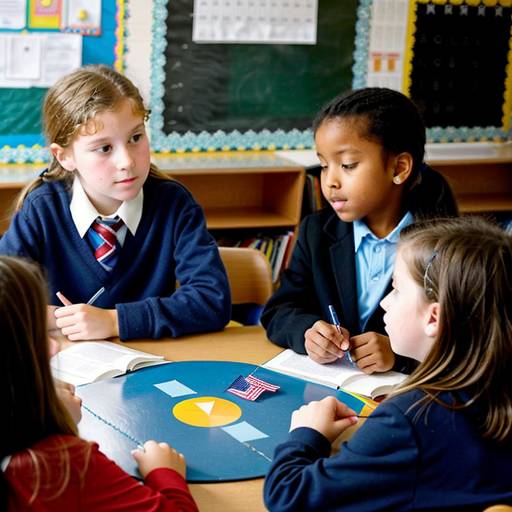
In this 3rd-grade social studies lesson, students will explore significant events in American history through engaging activities and group collaboration. The lesson starts with a discussion on the importance of history, followed by an overview of three key events: the signing of the Declaration of Independence, the first Moon landing, and the Civil Rights Movement. Students will work in small groups to research their assigned event, create informative posters, and prepare presentations to share their findings with the class. The session concludes with a reflection on the events discussed, underscoring their significance in shaping the present and future. Assessment will focus on participation, the quality of the posters, and the effectiveness of the presentations. Extension activities include creating a classroom timeline and writing fictional diary entries from historical perspectives. This lesson aims to enhance students' understanding of crucial historical moments while developing their teamwork and communication skills.
In this 3rd-grade social studies lesson, students will explore the concept and significance of timelines in organizing historical events. The session begins with a discussion about the nature of time and the role of timelines in understanding history. Students will collaboratively create a large class timeline by adding significant historical milestones, followed by an individual activity where each student constructs their personal timeline, highlighting important events from their own lives. To conclude, the class will reflect on the importance of both personal and global histories and how they are interconnected. Assessment will focus on participation, creativity, and the ability to explain the events chosen for their timelines. Extension activities will encourage ongoing engagement with timelines throughout the school year.