
Filters
Level
Grade
Subject
Subject Area
Subject Topic
Standard(s)
Audience
Keyword
DurationMinutes
Lesson Plans

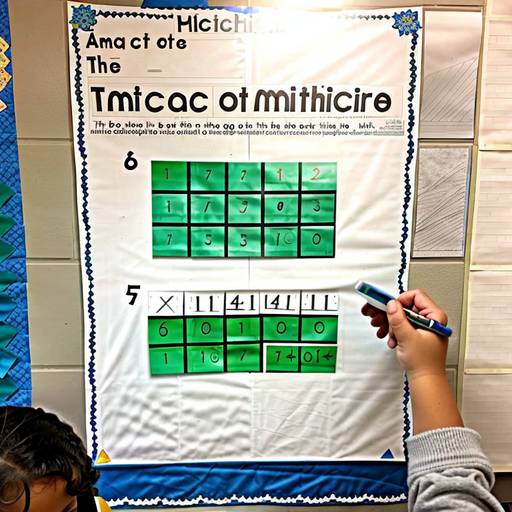
In this 1st-grade math lesson, students are introduced to basic multiplication concepts through hands-on activities and storytelling. The lesson begins with a discussion about what multiplication means, emphasizing that it involves adding equal groups together. Students then engage in a practical activity where they create their own groups using counting cubes and translate these groups into multiplication sentences.
Next, the teacher presents story cards that illustrate real-world scenarios involving groups, encouraging students to visualize and work through the stories using their cubes. This helps solidify the connection between multiplication and repeated addition. After exploring stories, students complete a worksheet featuring images of grouped objects, allowing them to practice formulating multiplication equations independently.
The lesson concludes with a group discussion, where students share their findings and equations, reinforcing their understanding of the concept. Observations and completed worksheets serve as assessment tools to gauge students' grasp of multiplication. Accommodations are provided for varying skill levels, ensuring that all students can engage with the material meaningfully. Overall, the lesson promotes an interactive and relatable approach to learning multiplication fundamentals.
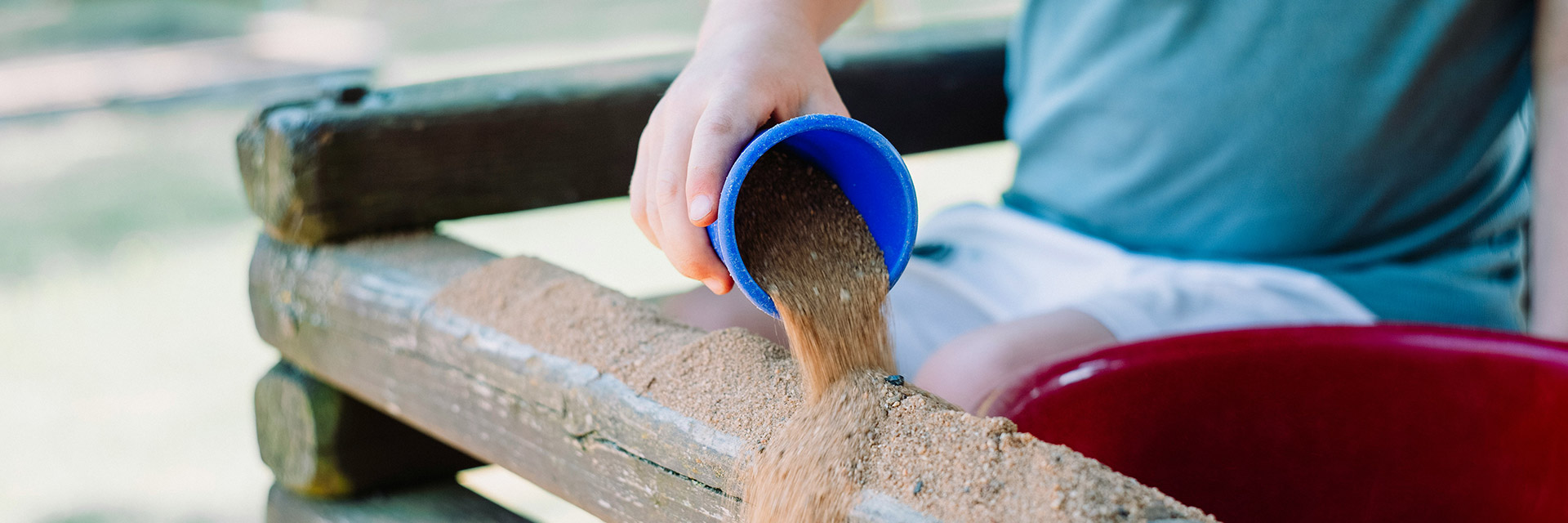
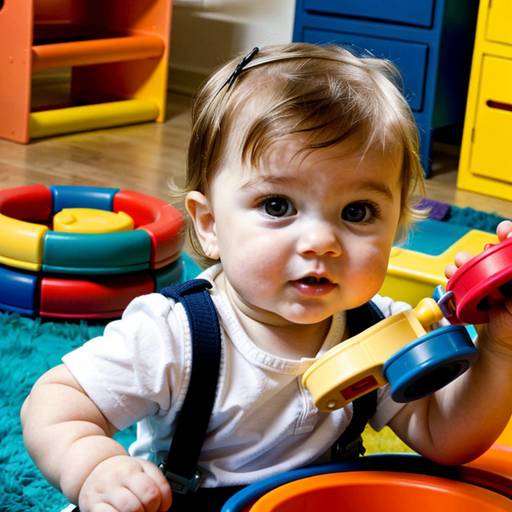
This lesson plan focuses on enhancing fine motor skills in toddlers by promoting grip strength and coordination through a series of engaging activities. The session begins with a warm-up circle that introduces the theme and encourages stretching. Children then explore a sensory play station featuring squeeze toys, stress balls, and playdough to develop their hand strength. An art corner allows them to practice cutting with safety scissors and coloring with crayons, while the movement zone involves an obstacle course for tossing and catching objects.
Further activities include a “fishing” game that uses tongs to transfer dried beans and a clothespin task to improve gripping techniques. The lesson concludes with a musical segment where children play shakers and drums, reinforcing their grip in a fun way. The session wraps up with a reflection circle, allowing children to share their favorite moments and reinforcing the importance of strong hands. Observations during activities will inform the children's progress, and follow-up at home will encourage continued practice of their developing skills.
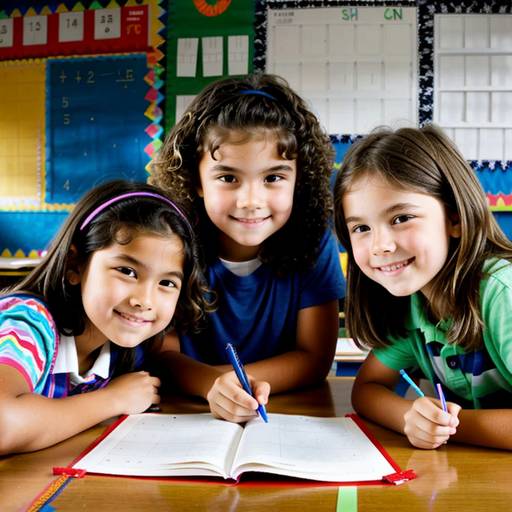
In this 3rd-grade math lesson, students will explore the concept of multiplication as repeated addition through engaging and interactive activities. The lesson begins with a brief review of multiplication, followed by the introduction of multiplication word problems. Students will work in small groups to collaboratively solve a variety of word problems, fostering discussion and critical thinking. After guided practice, they will complete individual worksheets to reinforce their understanding.
Additionally, students will have the opportunity to unleash their creativity by creating their own multiplication word problems, which they will write on sticky notes for sharing with the class. The lesson emphasizes real-life applications of multiplication and encourages problem-solving strategies. Assessment will be conducted through worksheet completion and student participation, with differentiation strategies in place to support diverse learning needs. Extensions include a homework assignment that prompts students to identify real-life scenarios involving multiplication.

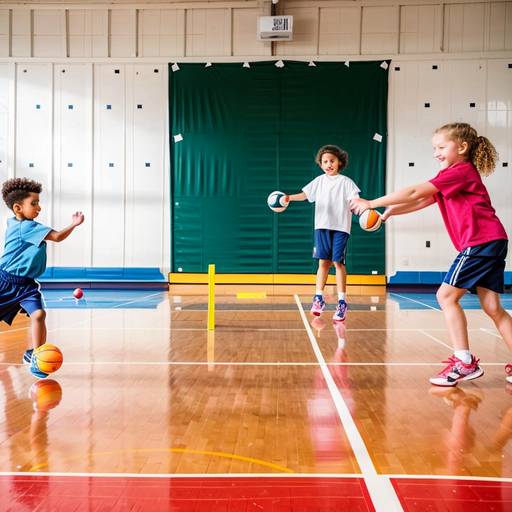
This preschool physical education lesson focuses on introducing young children to the fundamental skills used in various sports, such as throwing, catching, kicking, and balancing. The session lasts for 30 minutes and begins with a fun introduction to the theme of being mini athletes, followed by a warm-up involving movement songs and stretching exercises.
During the main activity, children participate in three rotating stations designed to develop their motor skills: practicing throwing and catching with soft balls, kicking soccer balls towards goals marked by cones, and navigating a balance course using beanbags and hula hoops. Following the stations, students engage in a group relay game that encourages teamwork and application of the skills they practiced.
The lesson concludes with a cool-down period that includes stretches and a discussion about their favorite parts of the activities, allowing for reflection on their experiences. Throughout the session, instructors monitor students' participation and skill development while promoting positive interactions and teamwork. Modifications are provided to support various skill levels, ensuring a fun and inclusive learning environment for all participants.

This lesson plan focuses on developing toddlers' gross motor coordination skills through a series of engaging activities. The session aims to enhance physical abilities while promoting social interaction and teamwork among peers.
The lesson begins with a brief introduction and a fun warm-up routine involving stretching and simple movements. Children participate in various movement activity stations designed to target different coordination skills. Activities include rolling soft balls, jumping in and out of hula hoops, tossing bean bags toward targets, and navigating an obstacle course.
A collaborative group game of "Follow the Leader" encourages creativity and allows children to mimic movements, reinforcing their coordination abilities. The session concludes with a calming cool-down activity, where children reflect on their experiences and share their favorite parts of the lesson.
Throughout, the instructor carefully observes the children's participation and engagement to assess their progress, adapting activities as needed to support all ability levels. This lesson plan not only fosters physical development but also cultivates a love for movement in a fun, supportive environment.
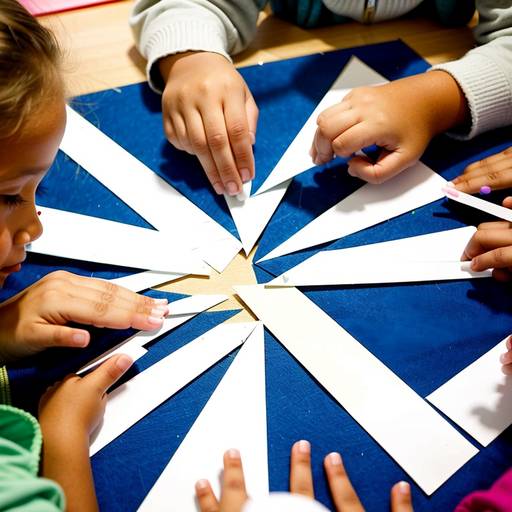
In this 2nd-grade math lesson, students explore the concepts of geometry and symmetry through engaging activities. They begin by discussing various geometric shapes and learning about symmetry, including how one side of a shape can mirror the other. Using mirrors, students examine different shapes to identify lines of symmetry.
Next, they engage in a hands-on activity where they create their own symmetrical designs. Each student draws half of a shape, folds the paper to replicate the other side, and then colors their creation. The lesson encourages collaboration and discussion among peers as they share their designs and insights about symmetry.
To conclude, the class reflects on what they learned, reinforcing the concept of symmetry and encouraging students to observe and identify symmetrical shapes in their surroundings. The lesson incorporates assessments through observation and evaluation of students' creations, with optional extension activities to further deepen understanding. Adaptations are provided to support diverse learners, ensuring that all students can participate meaningfully.
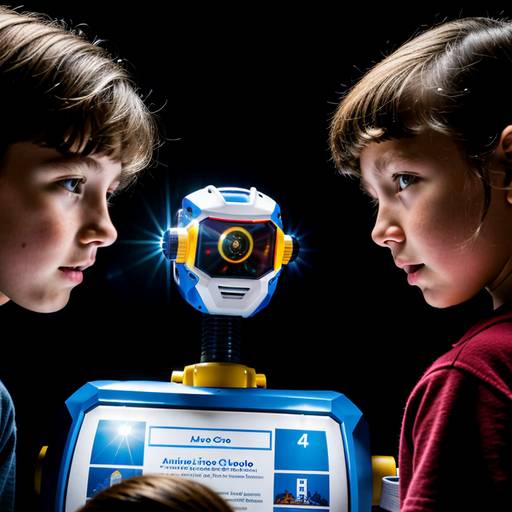
In this engaging lesson plan for 3rd-grade students, learners will explore the fundamentals of robotics through a hands-on challenge that emphasizes teamwork and problem-solving. Students will work in small groups to design and build a robot capable of navigating an obstacle course to complete a rescue mission. The lesson begins with an engaging introduction that sparks interest in robot capabilities, followed by group formation and brainstorming sessions where students plan their robot’s design and programming.
With the use of robotics kits, teams will construct their robots, gaining practical experience while facing design challenges. The testing phase allows students to program their robots to navigate the course and adjust their designs based on trial outcomes. The lesson concludes with each group reflecting on their experiences and sharing insights about their solutions, fostering communication skills.
Assessment will focus on collaboration, creativity, and the technical effectiveness of their robot. This hands-on activity not only introduces students to robotics but also encourages them to think critically and work together, setting the stage for future exploration in technology and programming.


In this 4th-grade art lesson, students will explore collage as an artistic technique by creating their own mixed media artworks that express personal themes or concepts. The lesson is structured over two sessions, beginning with an introduction to collage and its history, followed by an exploration of various materials such as construction paper, magazines, and natural elements. Students will brainstorm and prepare their ideas and materials before transitioning to the creation of their collages. They will implement concepts of composition and balance while focusing on creativity and self-expression. The lesson concludes with a sharing session, where students reflect on their process and artworks. Assessment will be based on participation and the creativity demonstrated in their final pieces. Optional extensions include collaborative projects and the introduction of additional art techniques.
This 3rd-grade math lesson focuses on teaching students essential concepts related to money and budgeting. The lesson begins with an engaging discussion about money, where students learn to identify different coins and bills. They are then provided with play money to practice sorting and combining amounts, enhancing their counting skills.
Following this, students participate in a budgeting activity where they are given a "shopping list" of classroom items with corresponding prices. In pairs, they are tasked with creating a simple budget, selecting items to purchase while ensuring they stay within a set limit. This activity encourages teamwork and reinforces their understanding of making financial decisions.
Throughout the lesson, students have opportunities to engage in hands-on activities, share their thought processes, and discuss the importance of budgeting in daily life. Assessment is based on their participation during activities and the completion of budgeting worksheets. The lesson also includes suggestions for extensions and adjustments to cater to diverse learning needs while fostering real-world applications of money management skills.
In this engaging math lesson for 4th graders, students will learn the fundamentals of money management, focusing on identifying the values of different coins and bills and understanding basic budgeting concepts. The lesson begins with a discussion about money and its role in daily life, followed by hands-on activities that allow students to practice recognizing and using play money.
Next, students will explore common expenses and the components of a budget, collaboratively creating a sample budget for a class project. They will then complete a worksheet where they allocate a hypothetical amount of money to various wants and needs, fostering practical budgeting skills.
In pairs, students will discuss their budgeting choices and share their decisions with the class, reinforcing the lesson’s concepts. The class will conclude with reflections on the importance of managing money and making informed spending choices, alongside considerations for future lessons that could deepen their understanding of financial literacy.