
Filters
Level
Grade
Subject
Subject Area
Subject Topic
Standard(s)
Audience
Keyword
DurationMinutes
Lesson Plans

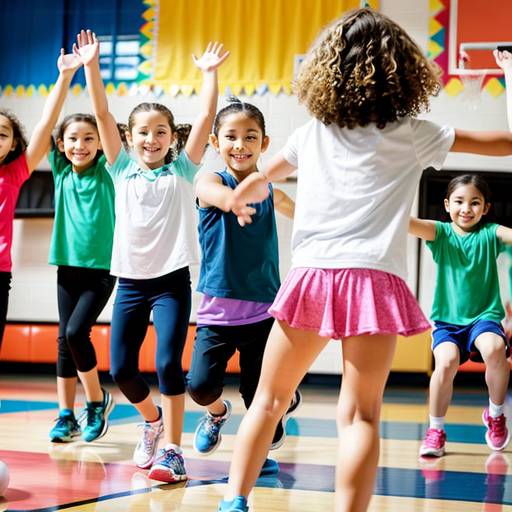
This lesson plan is designed for 1st-grade students to introduce them to the concepts of fitness and cardiovascular health through engaging physical activities. The session begins with an interactive discussion about the importance of fitness, followed by a warm-up routine to prepare their bodies for movement.
Students participate in four different activity stations that promote heart rate elevation and teamwork. Activities include jump rope challenges, hula hooping, a ball toss relay, and a freeze dance game, encouraging collaboration and physical skill development. After the stations, a cool-down period is incorporated, where students engage in gentle stretching and deep breathing exercises.
To conclude the lesson, students gather to reflect on their experiences, sharing their favorite activities and how they felt after exercising. The plan includes assessments based on participation and engagement, as well as adaptations for diverse learners. Additionally, it encourages students to continue physical activity at home by involving their families, reinforcing the importance of staying active.
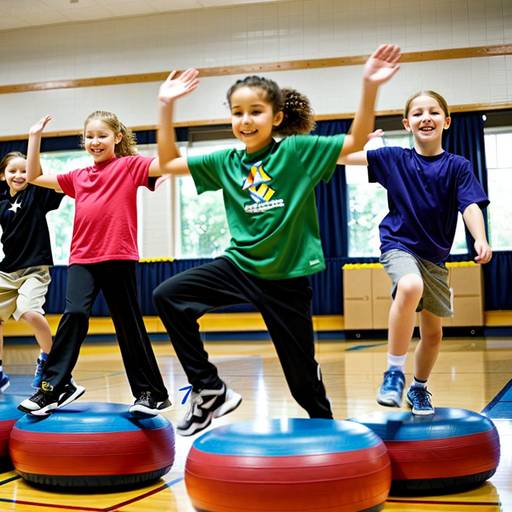
This 3rd-grade physical education lesson focuses on enhancing students' coordination and balance through a series of engaging activities. The session begins with a warm-up that includes dynamic stretching and balance challenges, encouraging students to develop body awareness. The main part of the lesson consists of an obstacle course featuring various stations where students navigate hula hoops, balance beams, toss bean bags, and weave through cones, fostering both coordination and balance. Additionally, a musical balancing game encourages students to move freely and freeze in balancing positions when the music stops. The lesson concludes with a cool-down that includes breathing exercises and discussions about the skills learned. Student performance is assessed through observation, with emphasis on providing positive feedback. Overall, the plan aims to create an enjoyable learning environment while promoting essential physical skills.

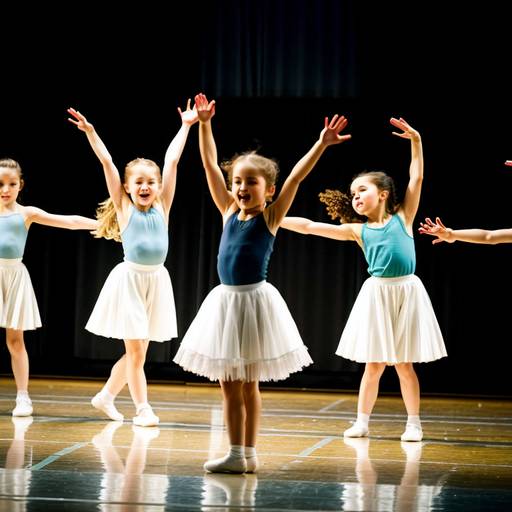
In this engaging preschool lesson, students will explore the connection between dance and emotional expression through movement and collaborative art creation. The session begins with a discussion on emotions, followed by a warm-up dance where children use scarves or ribbons to freely express themselves. As they transition to a slower, emotive piece of music, students will improvise their movements, reflecting on how different feelings manifest in their bodies. After experiencing their dance, the children will create a large collective artwork inspired by their movements, using paints and various tools to express their emotions visually. The lesson concludes with a sharing session where each child discusses their artwork and its connection to their dance experience, fostering a sense of teamwork and self-expression. Cleanup involves washing hands and tidying the painting area, and the collaborative piece will be displayed in the classroom. Extension activities can include themed dance sessions and a showcase for parents, combining creativity, physical activity, and emotional awareness in a comprehensive learning experience.

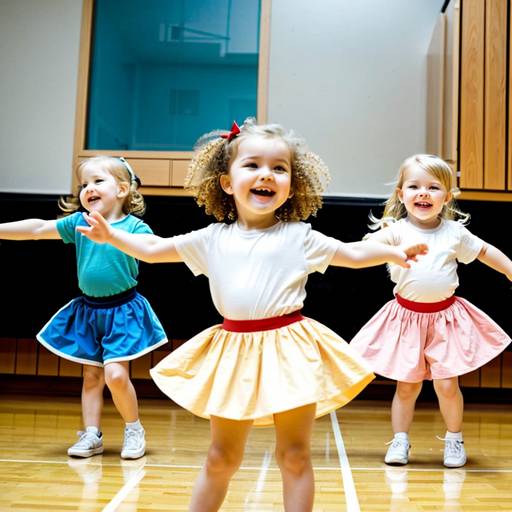
This lesson plan focuses on enhancing coordination skills for toddlers through engaging music and movement activities. Over a duration of 30-40 minutes, children will participate in various fun exercises designed to develop their gross motor skills and rhythm awareness. The session begins with a warm-up to prepare their bodies for movement, followed by an introduction to rhythm through clapping exercises.
As the lesson progresses, toddlers will use shakers and instruments to practice coordinating their movements with music. They will explore the use of colorful scarves, encouraging imaginative motion by waving and spinning while following prompts. The plan also includes a ball toss activity to enhance hand-eye coordination through paired exercises.
To conclude, the children will enjoy a freeze dance activity that reinforces listening skills and encourages creative expression as they dance and freeze in spontaneous poses. Finally, the session wraps up with a reflective closing circle to discuss their favorite activities, providing a moment for calm and relaxation. Overall, the lesson is designed to make movement enjoyable while fostering essential physical skills in a supportive environment.
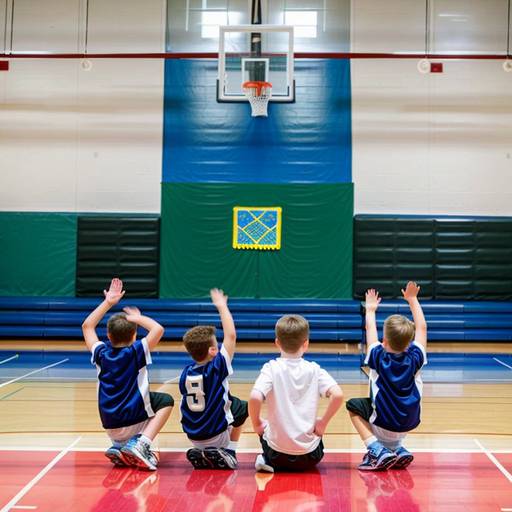
In this 60-minute physical education lesson for 5th graders, students will enhance their coordination and balance through a series of engaging activities. The session begins with a dynamic warm-up that includes jogging and movement drills to prepare the body for exercise.
Students will participate in three main activities: walking on balance beams, where they will focus on maintaining stability while incorporating various challenges; jumping in and out of hula hoops to improve coordination through different jumping techniques; and exploring a relay race with beanbags balanced on their heads, promoting balance while fostering teamwork.
The lesson concludes with a cool-down period featuring static stretching and a reflection session where students share their experiences and challenges. Throughout the lesson, the instructor will assess student participation and provide feedback to encourage further development of their skills, while also suggesting practice opportunities at home. Safety and adaptability will be emphasized to ensure an inclusive environment for all students.
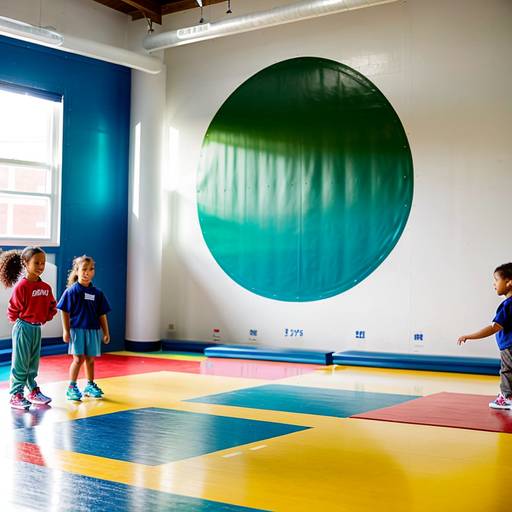
In this kindergarten physical education lesson, students will engage in a series of fun activities designed to enhance their gross motor skills while exploring the fundamentals of sports and gymnastics. The session will begin with a warm-up, including stretching and movement to prepare the students for physical activity.
Following the warm-up, students will rotate through four engaging activity stations: balance beam walking to develop balance, hula hoop games for coordination, soft ball tossing to practice aiming and teamwork, and jump rope challenges to promote jumping skills. These activities will encourage social interaction and cooperation among peers.
After the stations, a cool-down period will allow students to relax through deep breathing and gentle stretches, coupled with a reflection on their favorite activities from the lesson. Throughout the session, instructors will assess participation and teamwork while providing encouragement and feedback. The lesson aims to foster an appreciation for physical activity in a playful and supportive environment, with opportunities for extension and adaptations based on individual needs.

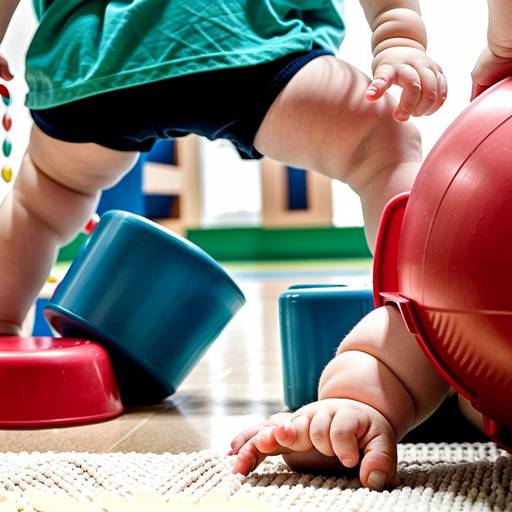
This lesson plan is designed for infants aged 0-12 months, focusing on enhancing gross motor skills through engaging and interactive play activities. The session lasts for 30-45 minutes and begins with a warm-up to get the infants moving.
Four movement stations are set up throughout the play area, allowing infants to explore various gross motor skills. Activities include rolling balls to encourage reaching and crawling, navigating a crawling tunnel, practicing standing with push toys, and experiencing texture through sensory play. A group activity incorporates music, inviting infants to move freely while shaking instruments, promoting rhythm and coordination.
The session concludes with a calming cool-down period and a brief group discussion to reflect on the activities. Parents will receive feedback on their child's engagement and development, along with handouts of additional activities to promote gross motor skills at home. The emphasis throughout is on fostering physical development, social interaction, and parental involvement.

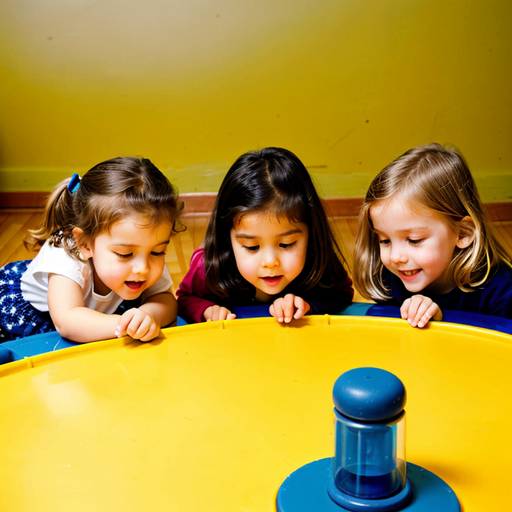
This preschool lesson introduces young children to the fundamental concepts of forces and motion through engaging discussions and hands-on activities. The session begins with a circle time discussion that encourages students to think about what makes objects move and introduces key terms like "force" and "motion." A demonstration using a toy car and a ramp illustrates how gravity affects movement, encouraging predictions about different outcomes based on varying conditions.
Students then participate in small group activities that involve experimenting with various objects, including rolling cars down ramps, dropping different items to observe how they fall, and using balloons to explore the concept of air movement. Following the experimentation, children reconvene to share their findings and create a collaborative diagram that summarizes their observations.
The lesson emphasizes critical thinking and reflection as children discuss what they learned about movement and the forces that influence it. The session concludes with a recap of key concepts and the encouragement of ongoing exploration of forces and motion in their everyday lives. The lesson plan incorporates assessment through observation of student engagement and participation, and suggests extensions for continued learning.
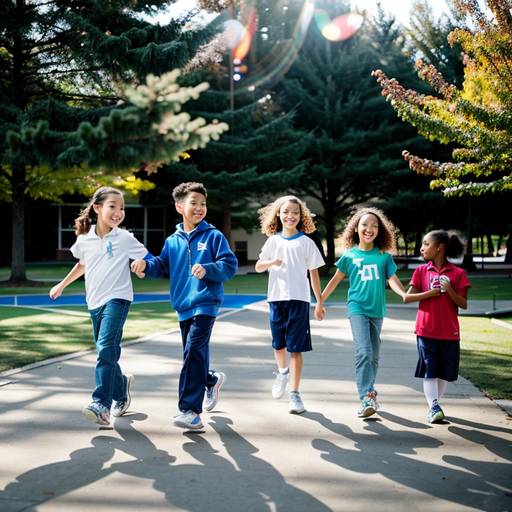
This lesson plan is designed for 1st grade students to enhance their coordination and balance through a series of engaging activities. It begins with a warm-up game that promotes movement and teamwork, followed by a brief introduction to the concepts of coordination and balance. Students participate in skill development stations that include balance beam walking, ball toss and catch, cone weaving, and various animal walks, allowing them to practice and improve their motor skills in a supportive environment.
The lesson includes a group activity in the form of a balancing relay, fostering collaboration and enthusiasm among peers. It concludes with a cool down where students reflect on their experiences and share their favorite activities, reinforcing their learning. Throughout the session, students are observed for their ability to balance and coordinate movements, with modifications available for those who need additional support. This lesson not only promotes physical fitness but also encourages teamwork and communication among young learners.
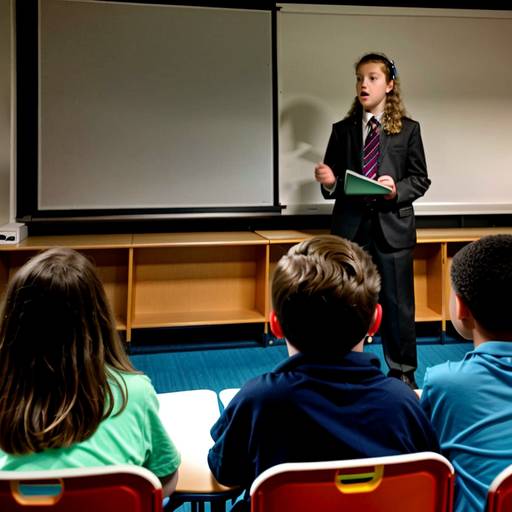
In this 5th-grade technology lesson plan, students will explore multimedia creation through the development of engaging presentations. Over two class periods, they will learn the principles of effective presentation design and how to incorporate various multimedia elements, such as images, audio, and video, into their work.
The first day involves discussions about multimedia and its importance, followed by the group brainstorming of topics relevant to their curriculum. Students will outline their presentations, setting the stage for their projects.
On the second day, students will use presentation software to create their projects, ensuring they include specific multimedia components. They will practice presenting their work within their groups, providing constructive feedback to one another. Selected groups will share their presentations with the entire class, allowing for questions and discussions afterward.
Assessment will be based on a rubric that evaluates criteria such as clarity, creativity, and media integration, along with peer feedback. The lesson also encourages reflection on the learning process and offers extension opportunities to present their work to family members, promoting further engagement with the material. Overall, the lesson fosters creativity, collaboration, and technology skills, making the learning experience interactive and enjoyable for the students.