
Filters
Level
Grade
Subject
Subject Area
Subject Topic
Standard(s)
Audience
Keyword
DurationMinutes
4th Grade Technology Lesson Plans
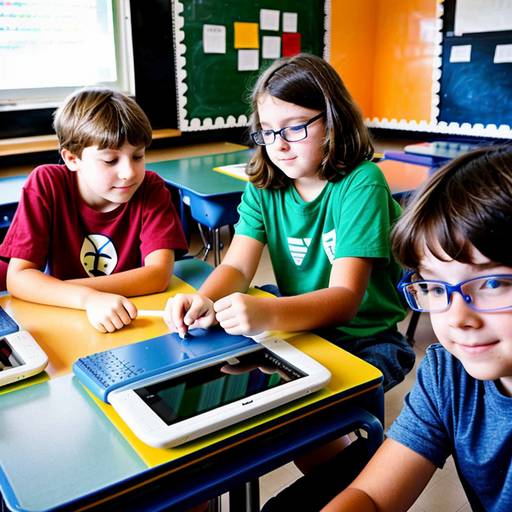
This lesson plan for 4th-grade students focuses on introducing the fundamentals of coding through interactive activities. Students will learn key concepts such as algorithms, sequences, loops, and conditionals. The lesson begins with a discussion about the significance of coding in everyday life, followed by a demonstration using a block-based programming platform like Scratch or Code.org. Guided practice allows students to collaboratively create a basic coding project while incorporating the learned concepts.
During independent work, students will partner up to brainstorm and develop their own unique projects, such as simple animations or games, utilizing loops and conditionals. The lesson culminates in presentations where each pair shares their creations and discusses the challenges and solutions they encountered. Assessment will be based on participation and the application of coding concepts in their projects. The plan also includes extensions for further exploration and accommodations to support diverse learning needs, ensuring an engaging experience for all students.
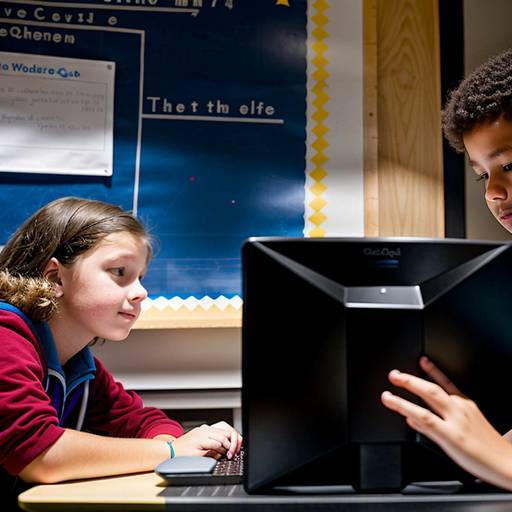
In this 4th-grade technology lesson, students will explore fundamental coding concepts such as algorithms, sequences, loops, and conditional statements. The lesson begins with an engaging introduction to coding and its real-world applications, accompanied by a brief video. Students will learn essential vocabulary related to coding through a handout and group discussions.
Following this, they will participate in a group activity where they create an algorithm for a simple task, highlighting the importance of clarity in instructions. The lesson progresses to hands-on coding using a child-friendly platform, where students will build their own simple projects, applying the concepts they have learned.
To conclude, students will reflect on their experiences by sharing their creations and discussing the coding techniques they used. Assessment will focus on participation, understanding of vocabulary, and the ability to explain their coding projects. The lesson not only teaches coding basics but also fosters collaboration, creativity, and problem-solving skills.
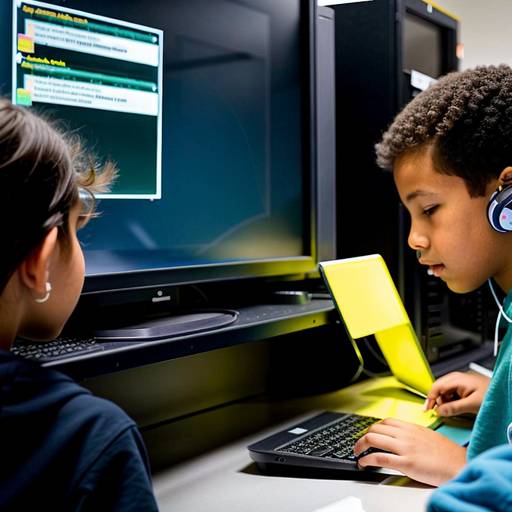
This lesson plan is designed for 4th-grade students to introduce them to the basics of coding and programming languages. The lesson begins with a classroom discussion to gauge students' prior knowledge about coding. It progresses with a slideshow presentation outlining various programming languages, such as Python, JavaScript, and Scratch, and their real-world applications.
Students will engage in guided practice by exploring the Scratch interface, creating a simple program that makes a character say "Hello, World!" and adding interactive elements like movement or sound. They will then have the opportunity to work independently, modifying their projects and showcasing their creations to classmates.
The lesson concludes with a reflection where students share what they learned and how coding is relevant to everyday life. Assessment will involve monitoring student progress throughout the activities and reviewing their Scratch projects. Extensions are provided for students seeking further challenges, ensuring opportunities for deeper learning. Overall, this lesson combines creativity with technology, helping students develop foundational programming skills in an engaging manner.
In this 4th-grade technology lesson, students will explore essential internet skills and the concept of netiquette. The lesson begins with an engaging discussion on kindness in online interactions, transitioning into direct instruction on basic internet navigation and important online etiquette rules. Students will participate in small groups to discuss various scenarios related to digital communication, applying their understanding of netiquette. Each student will then practice their skills by posting positive comments on a collaborative platform. The class will conclude with a discussion about what they learned and an exit ticket activity where each student will identify one way they plan to practice respectful online behavior moving forward. This lesson not only enhances their technical abilities but also encourages responsible interactions in the digital world.
This technology lesson plan targets 4th-grade students, focusing on introducing coding concepts through the creation of interactive stories using a block-based coding platform like Scratch. Over the course of 60 minutes, students will engage in discussions about coding's importance, learn basic coding commands, and plan their unique stories, identifying key elements like characters and plot interactions. Following this, they will actively create their interactive stories by incorporating various coding elements, encouraging creativity and collaboration. The lesson concludes with peer-sharing sessions where students present their projects, receive feedback, and reflect on their learning experiences. Assessment will focus on engagement, story outlines, and the final interactive stories, while extensions allow for further refinement and exploration of coding outside the classroom.
In this technology lesson for 4th graders, students will learn to create a digital storybook by integrating multimedia elements such as images, text, and narration. The lesson is divided into two days. On the first day, students are introduced to the concept of multimedia and basic photo editing techniques, allowing them to practice editing sample photos. They will then brainstorm and outline their story ideas, focusing on narrative structure.
On the second day, students will select and edit their images, which they will use to create a storybook page using presentation software. They will learn to import images, add text to convey their narratives, and experiment with layout and design elements. The lesson concludes with a sharing session, where students reflect on their experiences and what they learned about multimedia creation and digital citizenship. Assessment will be based on creativity, use of photo editing techniques, narrative clarity, and responsible image usage. Extensions and modifications are provided to accommodate different learning levels.
This lesson plan is designed for 4th-grade students to explore multimedia creation and digital storytelling. It spans two to three class periods and focuses on teaching students how to craft and present their own digital narratives. The objective is for students to develop their storytelling skills by integrating text, images, and sound using digital tools.
During the first day, students engage in discussions about storytelling elements and work in groups to brainstorm and outline their story ideas using storyboarding templates. The second day is dedicated to creating their digital stories with multimedia software, allowing them to bring their ideas to life while focusing on collaboration and the technical aspects of digital creation.
On the final day, students present their completed digital stories to the class, encouraging peer feedback and reflection on the storytelling process. Assessment includes evaluating the presentations based on creativity, clarity, and teamwork, while extensions involve showcasing the digital stories on a class website or during a special event. Overall, the plan promotes creativity, critical thinking, and collaboration among students.
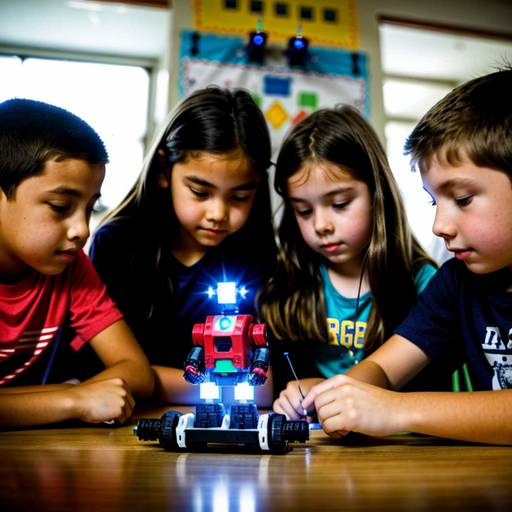
In this lesson plan designed for 4th-grade students, the focus is on introducing basic concepts of robotics and engineering through a hands-on project. Students begin by exploring various types of robots and their functions, fostering a discussion about their role in everyday life. They learn about the engineering design process, which includes steps such as asking questions, imagining solutions, planning, creating prototypes, and improving designs.
In small groups, students brainstorm ideas and then proceed to build their own simple robot models using everyday materials. Each robot must incorporate at least one moving part and demonstrate a specific function. After constructing their robots, the groups present their designs to the class, explaining their decisions and the challenges they faced during the creation process.
The lesson encourages teamwork, problem-solving, and critical thinking while allowing students to reflect on their experiences and consider ways to improve their designs. Additional activities could involve basic programming concepts to complement the hands-on experience. Assessment includes participation, creativity in design, and the ability to communicate the engineering process effectively during presentations.
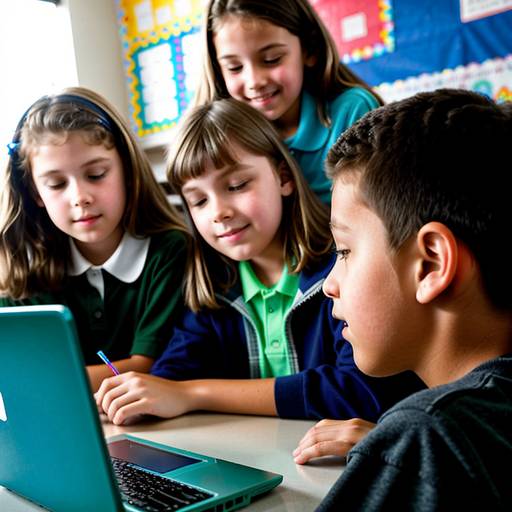
In this 4th-grade lesson on digital citizenship and cyberbullying awareness, students will explore the importance of being responsible and respectful online. The session begins with a discussion about their online activities, leading to an introduction of digital citizenship concepts. Students will engage in group activities where they analyze scenarios depicting cyberbullying, discussing the impact on individuals and identifying ways to respond positively. The lesson emphasizes the role of bystanders as upstanders, encouraging students to think critically about how they can support peers and promote a safe online environment. The class will conclude with a reflective discussion, where students share their insights and action steps for fostering kindness in digital spaces. An assessment via exit tickets will gauge understanding, and a take-home handout will reinforce the concepts learned. Additionally, students will create posters to promote online kindness, contributing to a supportive classroom atmosphere.
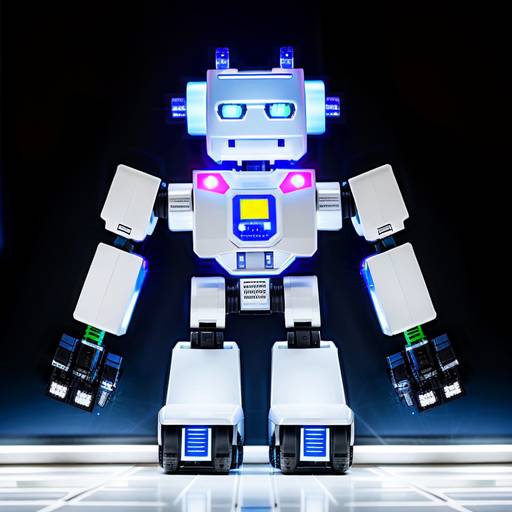
In this 4th-grade lesson plan, students are introduced to the world of robotics and learn about the basic components and functions of robots. The class begins with a discussion on the applications of robots in daily life, complemented by a video showcasing various types of robots. Students work in small groups to brainstorm and identify real-world problems that could potentially be addressed through robotics. They then sketch their robot designs on graph paper, labeling each component and its function in relation to the chosen problem.
On the second day, students use robotics kits to build a basic model of their designed robots, collaborating and assigning roles within their groups. After constructing their robots, they prepare and deliver presentations that explain the purpose, functionality, and problem-solving capabilities of their creations. Throughout the lesson, students are assessed on their participation, creativity in design, and communication skills during presentations. This engaging and hands-on approach encourages critical thinking, teamwork, and innovation in the realm of technology.