
Filters
Level
Grade
Subject
Subject Area
Subject Topic
Standard(s)
Audience
Keyword
DurationMinutes
4th Grade Math Lesson Plans

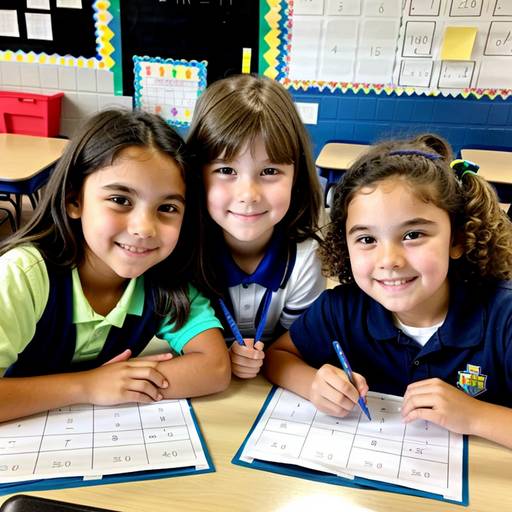
In this 4th-grade math lesson plan, students will explore the concept of fractions and equivalent fractions through interactive activities and visual aids. The lesson begins with a discussion about fractions in everyday life, followed by an introduction to equivalent fractions utilizing fraction circles or strips for visual demonstration.
Students will engage in group activities where they create equivalent fractions using cut paper plates, enhancing their understanding of visual representations. The class will then reconvene to share their findings and insights, followed by individualized practice through worksheets focused on identifying and creating equivalent fractions.
To conclude the lesson, students will review key concepts and complete an exit ticket, writing down one fraction and its equivalent. Assessment will be based on worksheet completion, group participation, and exit ticket responses. Extensions will be offered for students who need additional challenges, while modifications will support those requiring extra assistance, ensuring all students achieve a solid understanding of fractions and their equivalents.
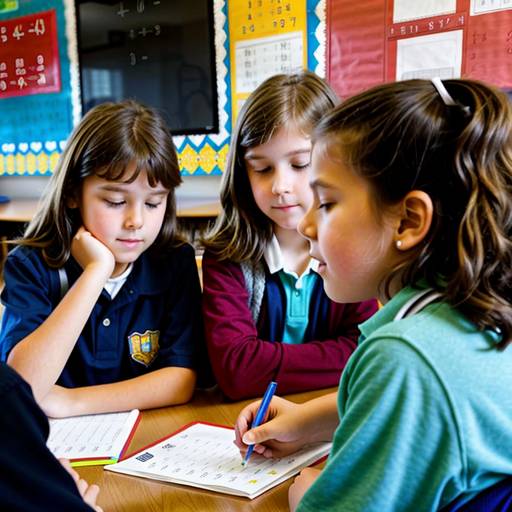
This 4th-grade math lesson focuses on helping students understand fractions and apply their knowledge to solve fraction-related word problems. The objective is for students to grasp the concept of fractions as parts of a whole and to effectively tackle various word problems involving fractions.
The lesson begins with an engaging introduction, using real-life examples like pizzas to spark interest and prompt discussion about fractions. Direct instruction follows, where the teacher explains the components of fractions and demonstrates how to solve word problems with visual aids.
During guided practice, students work in small groups to collaboratively solve fraction word problems, facilitating peer learning and support. Afterward, they complete an independent worksheet that reinforces the concepts covered in class.
The lesson concludes with a sharing session, where students present their solutions and reasoning, fostering a deeper understanding of the material. Assessment is conducted through monitoring group discussions, reviewing worksheets, and evaluating participation in class discussions. Extensions and challenges are available for advanced learners, while additional support is offered for those who need it. A homework assignment further solidifies their understanding by allowing practice at home. Overall, the lesson aims to create an engaging learning experience that connects concepts of fractions to real-world applications.

In this 4th-grade mathematics lesson, students explore the concept of fractions, focusing on understanding fractions as parts of a whole and learning how to compare them. The lesson begins with a discussion on fractions, encouraging students to share their prior knowledge and real-world examples. Visual aids, such as fraction circles or strips, are introduced to help students visualize and label fractions effectively.
Through guided practice, students compare pairs of fractions, initially working together as a class and then using their fraction tools to deepen their understanding. Following this, individual practice is provided through worksheets that include various fraction comparison problems, allowing students to apply what they've learned.
The lesson concludes with a review of key concepts and a discussion where students reflect on their learning. Assessment is conducted through worksheet evaluation and observation of student participation. Extensions and support strategies are also suggested to cater to different learner needs. Overall, the lesson engages students in hands-on activities to foster a solid understanding of fractions and comparison techniques.
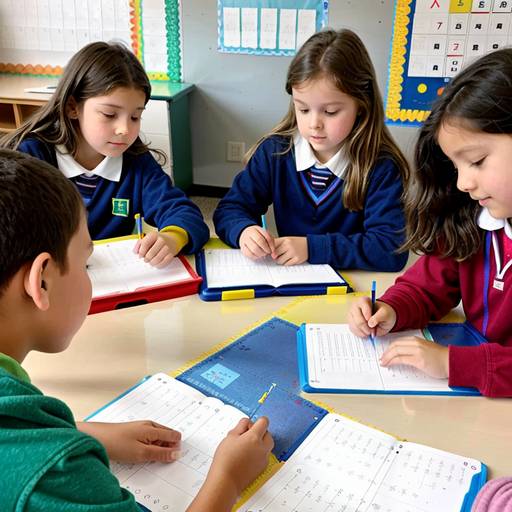
In this fourth-grade math lesson, students will explore the concepts of fractions and equivalent fractions. The class will begin with an introduction to fractions, using visual aids like fraction circles to illustrate how fractions represent parts of a whole. Following this, the lesson will focus on equivalent fractions, demonstrating how different fractions can represent the same value.
Students will engage in a hands-on activity where they will work in pairs to create and identify equivalent fractions using fraction circles or paper plates. After this collaborative exploration, they will complete a worksheet individually, reinforcing their understanding of the concepts covered.
The lesson will conclude with a review and discussion, allowing students to share their insights. For homework, they will be tasked with finding equivalent fractions in everyday items at home. Throughout the lesson, assessment will occur through observation, worksheet reviews, and student discussions, ensuring that all learners are engaged and understanding the material. Differentiated support will be provided as needed, and opportunities for extension activities will also be included.
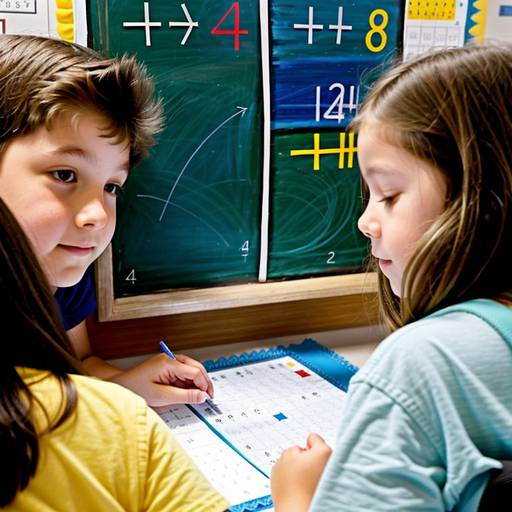
In this 4th-grade math lesson, students will explore the concept of fractions, focusing specifically on adding fractions with like denominators. The lesson begins with a review of basic fraction concepts, including the roles of the numerator and denominator. Through direct instruction, students will learn to add fractions by combining their numerators while keeping the denominator constant.
During guided practice, students will work in pairs using colorful fraction cards to visually represent and solve fraction addition problems, developing their understanding through collaboration. Independent practice will involve worksheets where students apply their knowledge to solve fraction addition problems on their own.
The lesson wraps up with a whole-class discussion where students can share their answers and strategies, reinforcing key concepts learned. Optional extension activities are provided for advanced learners or for students seeking additional practice. Assessment will be conducted through observation and review of worksheet answers, ensuring students grasp the process of adding fractions. Following the lesson, reflection will be encouraged to identify successes and areas for improvement in future lessons on this topic.
In this lesson plan, 4th-grade students will explore the concept of fractions and equivalent fractions through a series of engaging activities. The lesson begins with a review of fractions, prompting students to share real-life examples to contextualize the topic. The teacher will introduce equivalent fractions, demonstrating how different fractions can represent the same value by using visual aids such as fraction circles and bars.
Students will work in small groups to create their own equivalent fractions using chart paper and markers, encouraging collaboration and discussion. Following this guided practice, they will complete worksheets individually, where they will identify and generate equivalent fractions and represent them visually. The lesson concludes with a review of key concepts and a quick assessment of understanding through shared examples.
To extend learning, advanced students may explore more complex fractions, while additional resources and support will be provided to those who need it. Throughout the lesson, various teaching methods and materials will be utilized to ensure all students grasp the fundamental ideas of fractions and equivalency.

In this 4th grade math lesson, students will learn to identify and add fractions, focusing on both like and unlike denominators. The session begins with a review of basic fraction concepts using visual aids, such as fraction circles. Direct instruction will guide students through the process of adding fractions, explaining how to handle both types of denominators with clear examples and steps for finding common denominators.
Students will then engage in a paired activity where they choose fraction cards and collaborate to find the sums, reinforcing their understanding through hands-on practice. Following this, they will complete a worksheet individually, which includes a variety of addition problems involving fractions.
The lesson concludes with a review of key concepts, allowing students to share their answers and thought processes. The teacher will assess understanding through observation during activities and by reviewing the completed worksheets. There are opportunities for extension activities for students who finish early, providing additional challenges or word problems related to fractions.

This 4th-grade math lesson focuses on helping students understand fractions as parts of a whole and applying this knowledge to solve real-world word problems. The lesson begins with a review of fractions and an introduction to fractional word problems through engaging class discussions. Students participate in guided practice as they collaboratively solve sample problems using visual aids like fraction circles.
They then move on to independent practice with worksheets featuring a variety of fraction word problems, giving them an opportunity to apply their learning. The lesson concludes with a sharing session where students present their solutions, thereby reinforcing their understanding through peer interaction. Assessment is based on participation and accuracy in solving problems, with follow-up activities available for early finishers. Overall, the lesson aims to enhance students' comprehension of fractions and their practical applications through interactive and collaborative learning experiences.
This 4th-grade math lesson focuses on teaching students about fractions and how to compare them effectively. The lesson begins with an engaging discussion to introduce the concept of fractions as parts of a whole, using real-life examples. Students will learn to compare fractions through direct instruction involving visual models, such as fraction circles, and methods for finding common denominators.
During guided practice, students will work in pairs to create and compare their own fractions using hands-on materials and write their comparisons using symbols (<, >, =). Following this collaborative activity, students will complete a worksheet that reinforces their understanding by requiring them to visualize and compare fractions both numerically and on a number line.
The lesson concludes with a class recap where students share their findings and reflect on the concepts learned. Assessment will be based on observation during activities and evaluation of the completed worksheets, with accommodations provided for different learning needs. The overall goal is to ensure students grasp the foundational skills related to fractions and can confidently compare them in various contexts.
This lesson plan is designed for 4th grade students and focuses on the concept of subtracting fractions with like denominators. The lesson begins with a review of fractions and an introduction to subtraction using visual aids such as fraction circles or bars. Students learn to subtract fractions by focusing on the numerators while keeping the denominators constant, followed by a demonstration with examples and guided practice in pairs. Independent practice allows students to work on fractional subtraction problems, including word problems related to real-life scenarios. The class concludes with a review of key concepts and student sharing of their solutions, providing an opportunity for assessment and addressing any lingering questions. Differentiation strategies are employed to support diverse learning needs, and a homework assignment reinforces the day’s learning by combining practice with real-world applications.